

John Ringrose 🏴 🇮🇪 🇵🇸
1.5K posts
John Ringrose 🏴 🇮🇪 🇵🇸
@JohnRingrose
🏴 🇮🇪 🇵🇸
Scotland Katılım Şubat 2009
2.3K Takip Edilen170 Takipçiler

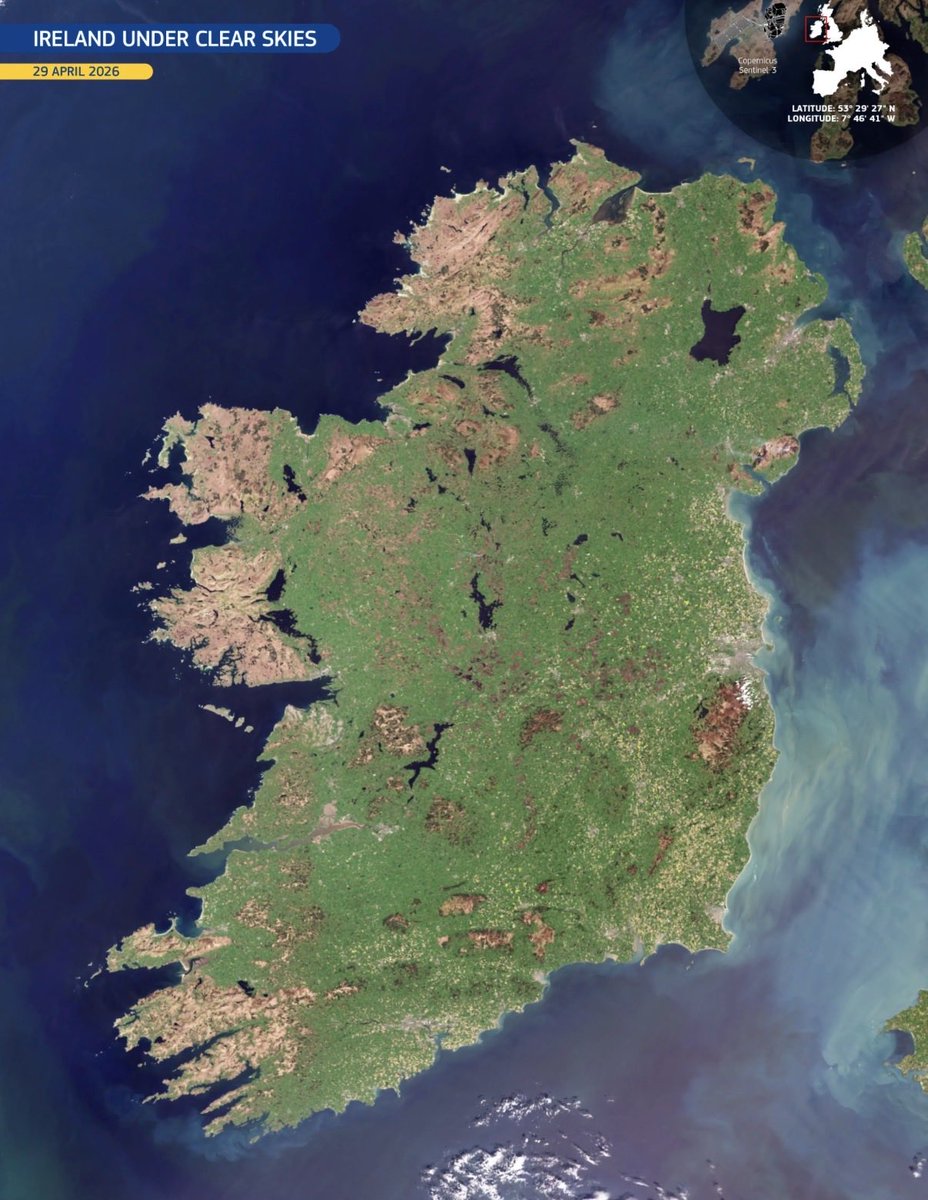
Not a cloud in the sky over Ireland on April 29th..and very little forest on view.
Once the island had ~80% forested. Now just ~11% remains and just ~2% of that is actually native woodland. Europes lowest.
We didn’t just lose trees — we lost huge swathes of ecosystems.
English
John Ringrose 🏴 🇮🇪 🇵🇸 retweetledi

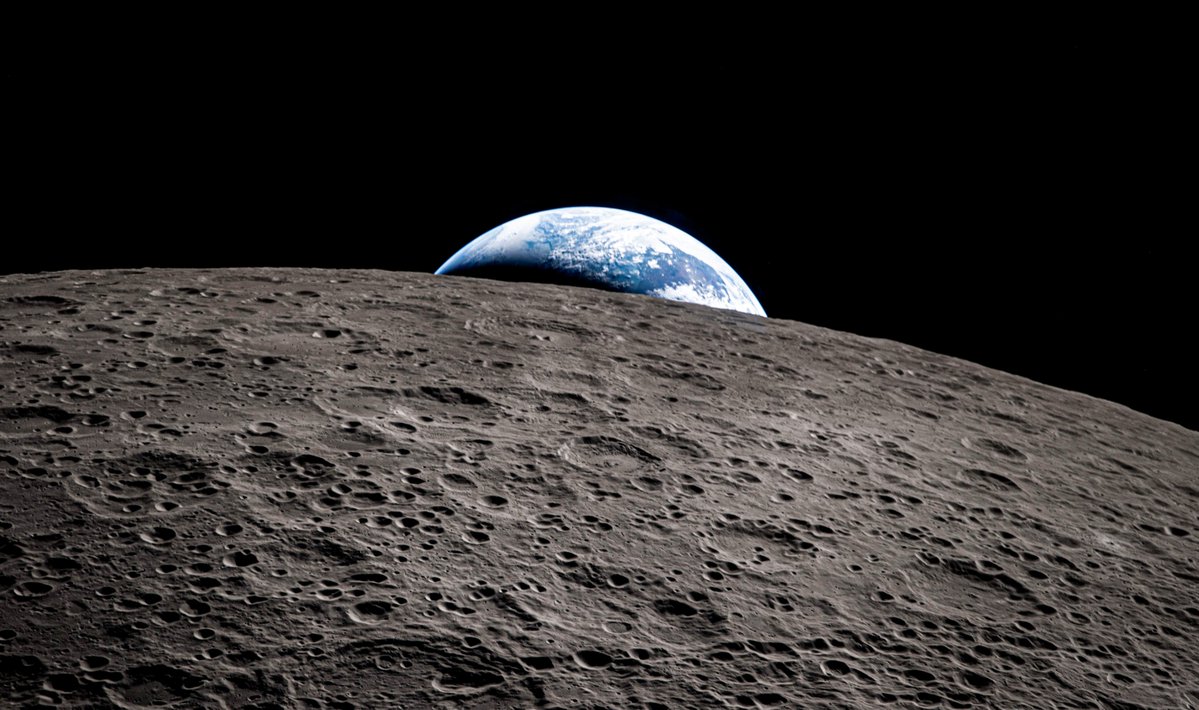
Mark my words, I will take a photo like this in my lifetime.
You might, too.
English
John Ringrose 🏴 🇮🇪 🇵🇸 retweetledi


John Ringrose 🏴 🇮🇪 🇵🇸 retweetledi

Some people use the Force… 🤨 I prefer a well-timed toast and a five-year mission. 🥂
May the Fourth be with you… if you must but let’s be honest; I’ve been boldly going since before it was cool. 😉🚀

English
John Ringrose 🏴 🇮🇪 🇵🇸 retweetledi
I'm thrilled to share this unique collaboration with Artemis Il astronaut @astro_reid.
Artemis II was a unique opportunity to get high-quality imagery of the moon, and Reid was gracious enough to capture some special image sets for me during the lunar flyby.
English
@Matt_Pinner Mainstream media, journalism, BBC, Sky, Daily Mail, etc etc etc
Français

If humans suddenly lost the ability to lie, which industry would collapse first?
English
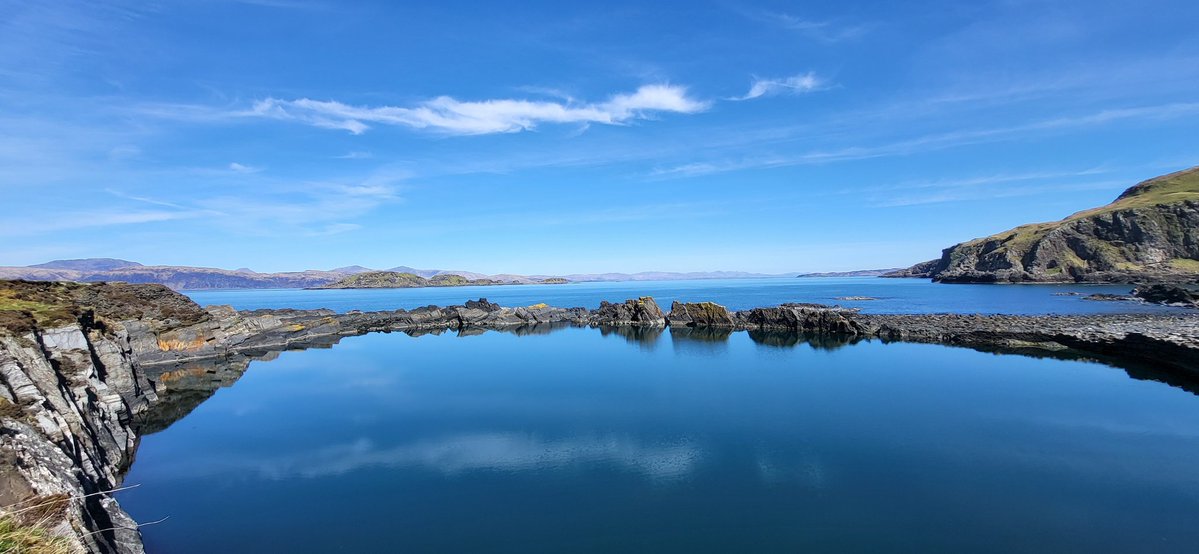

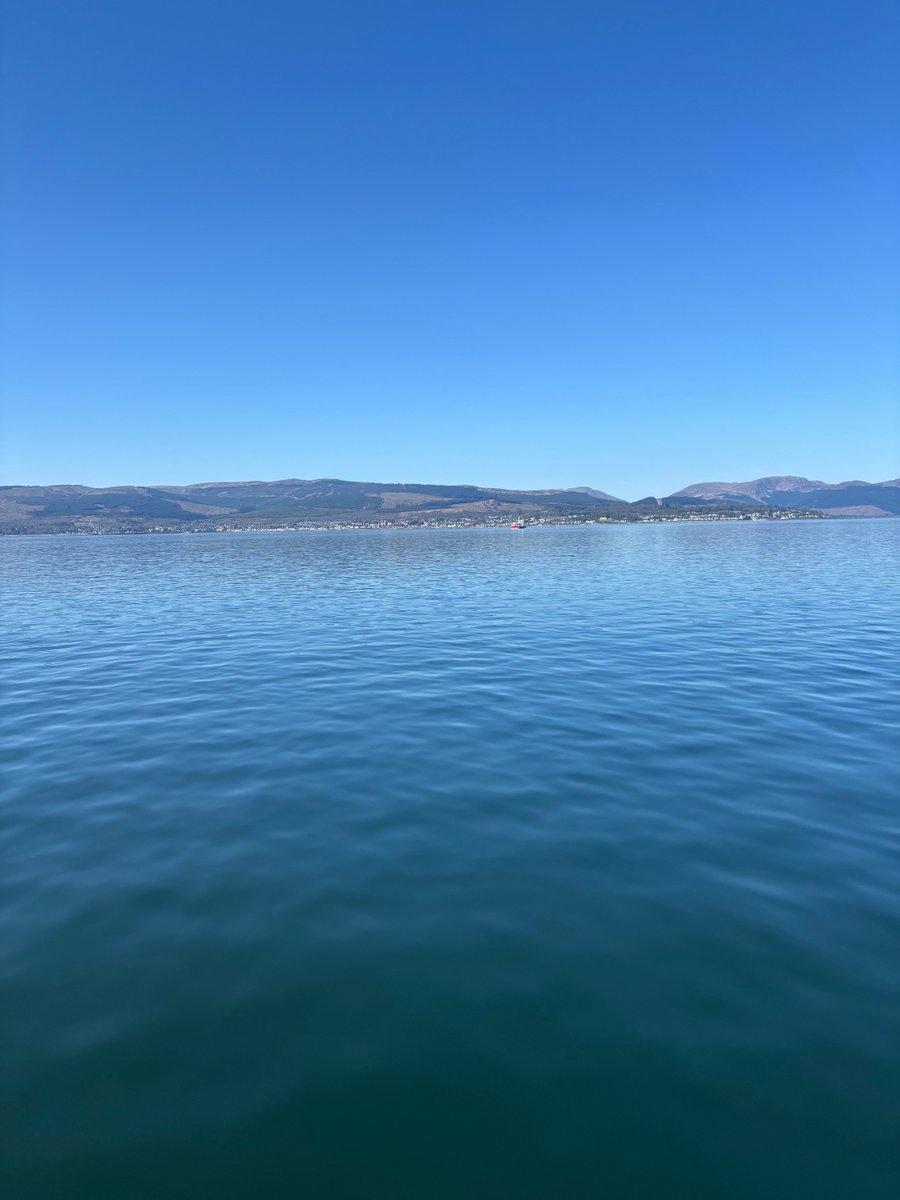
Heading to Dunoon. We live in a beautiful country. I love Scotland. 🏴
English
@MadDogBrit Northern Ireland belongs to Ireland
English

Argentina and their supporters keep pushing the “it’s closer to us” geography argument for the Falklands.
Fine. Let’s play that game.
By that logic:
- Taiwan belongs to China
- Gibraltar belongs to Spain
- Ceuta and Melilla belong to Morocco
- Alaska belongs to Russia
- Texas belongs to Mexico
- The Channel Islands belong to France
- Northern Ireland belongs to Ireland
Geography-only logic is a hell of a drug.
The Falklands are British because the people who live there are British, have been for generations, and voted 99.8% to remain British.
We fought and bled for those islands in 1982.
They are British. Full stop.
No apologies. No surrender.

English
John Ringrose 🏴 🇮🇪 🇵🇸 retweetledi

The Picts did not fall...
That is the strange thing at the centre of their story. They were not conquered by Rome, though Rome tried. They were not destroyed by the Angles or the Vikings, though both pressed hard against the edges of their world. They did not end in fire or massacre or the kind of catastrophic military defeat that closes other chapters of early medieval history.
They simply stopped being Picts.
By the middle of the 9th century, the people who had controlled much of northern Britain for five hundred years had merged with the Gaelic kingdom of Dalriada to form the kingdom of Alba, the political foundation of what would eventually become Scotland. The merger was not sudden. It was not clean. Historians argue about whether it was primarily political, cultural, or dynastic, whether the Picts absorbed the Gaels or the Gaels absorbed the Picts or whether something genuinely new emerged from the collision of the two. What is harder to argue is the outcome.
Within a few generations, the Picts had become invisible.
Their language disappeared, leaving almost no written record. The few Pictish words that survive come mostly from place names and the names of kings preserved in later lists, scraps of sound without enough context to reconstruct what surrounded them. No Pictish manuscript tradition survives. No law codes. No literature. No religious texts in their own tongue. A people who had maintained their independence against the most powerful empire the ancient world produced left behind less written evidence of themselves than almost any comparable culture in early medieval Europe.
What they left instead were the stones.
Hundreds of them, scattered across the Highlands and islands of Scotland, carved with a visual language that nobody has fully decoded. The symbols appear again and again across different stones and different centuries with a consistency that speaks of meaning, of a shared system understood by the people who made them, but the key to that system did not survive the merger that ended the Pictish world. Spirals and crescents. Stylised animals of extraordinary elegance. Geometric designs of a precision that required both skill and intention. The stones are clearly saying something. We do not know what.
This is what makes the Picts so compelling and so frustrating in equal measure.
They were not a marginal people. From roughly the 3rd to the 9th centuries they controlled most of northern Britain, built fortified settlements, engaged in complex diplomacy with their neighbours, and maintained a cultural identity distinct enough that everyone around them recognised it. Roman writers noted them. Later Gaelic and Northumbrian sources noted them. Medieval chroniclers recorded their kings in lists that suggest an organised and continuous political structure. They were present, powerful, and noticed.
And then the noticing stopped.
The kingdom of Alba that emerged in the 9th century was in many ways a Pictish kingdom wearing Gaelic clothes, or a Gaelic kingdom built on Pictish foundations, depending on which thread you pull. The kings of Alba traced their legitimacy through lines that included Pictish royal blood. The territory was overwhelmingly what had been Pictish land. But the name was gone, and with the name went the identity, at least as a distinct category that the people themselves maintained or that outside observers continued to apply.
What drove the transformation is still debated. A dynastic union under Cináed mac Ailpín, known to later tradition as Kenneth MacAlpin, is the conventional starting point, but the conventional starting point has been questioned and complicated by subsequent scholarship. The reality was probably messier and slower than a single king and a single moment of unification. These things usually are.
#archaeohistories

English
John Ringrose 🏴 🇮🇪 🇵🇸 retweetledi
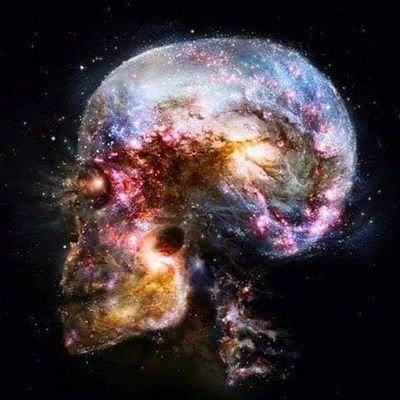

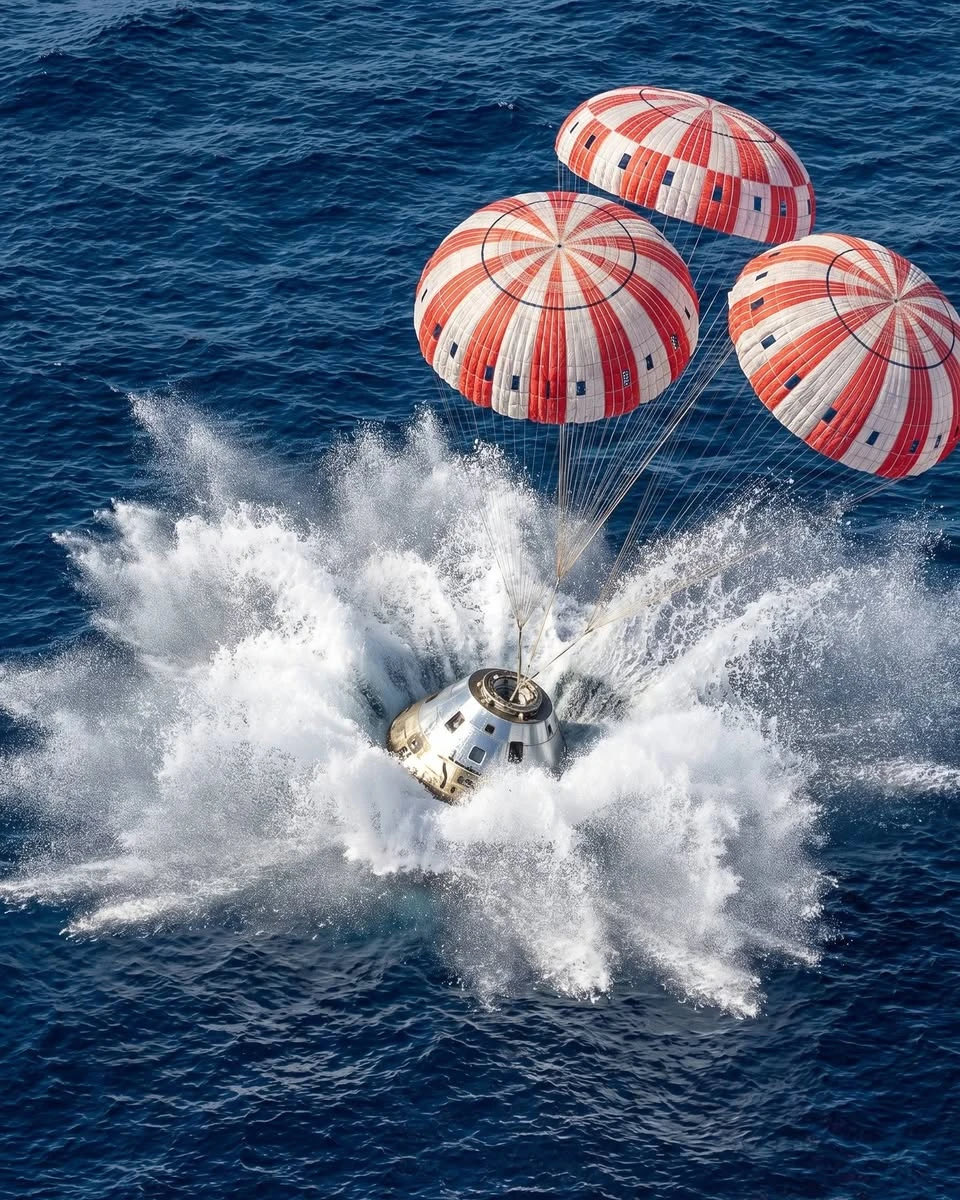
@MattKik @StellaParton I watched it live, the photo looks too perfect. The exterior is covered in scorch marks from re-entry.
English

@JohnRingrose @StellaParton I'd say so. There was nothing around to take a photo that close.
English

John Ringrose 🏴 🇮🇪 🇵🇸 retweetledi

This one really gets me. 📷❤️
Not just because of the view, though obviously... come on. Earth hanging above the lunar surface is the kind of perspective that makes you stop for a second and just take it in.
But as a photographer, I love the composition here too. The balance, the spacing, the way the Moon fills the frame without overpowering it, and then that small, bright Earth suspended in all that negative space. It feels simple at first, then the longer you look, the more it pulls you in.
And that’s the part I can’t shake. This is real. This is a human view now.
I really hope we get more images like this from Artemis II, and if I’m being extra nerdy, I’d love to see the RAW files one day too. Photographers can dream, right? I’d love to see just how much more detail is hiding in frames like this.
Mostly though, I hope this is a glimpse of what more people get to experience in the future. Because if one image can make Earth feel this beautiful, this distant, and this fragile all at once, imagine what it must feel like to see it with your own eyes. 👀
hoto credit: NASA
,

English
John Ringrose 🏴 🇮🇪 🇵🇸 retweetledi

John Ringrose 🏴 🇮🇪 🇵🇸 retweetledi
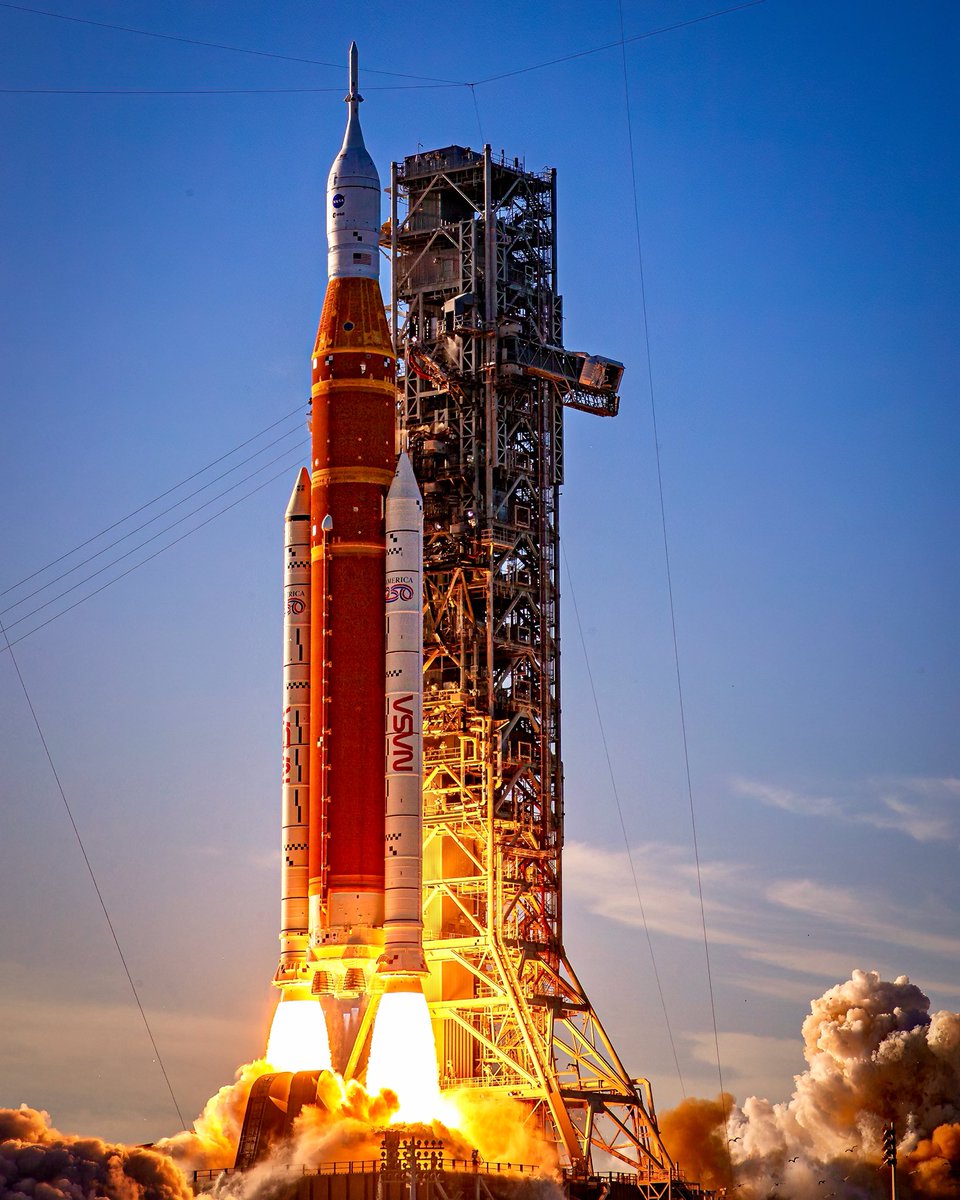
This is the shot you can’t get from the press site. This camera was sitting a few football fields from the SLS rocket at Pad 39B for days before launch, baking in the Florida sun, surviving rain, humidity, and whatever else the Cape threw at it. No photographer behind the viewfinder. Just a camera, a sound trigger, and a bet.
The way pad remotes work: you set your camera up days in advance, dial in your composition, lock everything down, and walk away. You don’t touch it again until after the launch. The shutter fires on sound activation
with a @MiopsTrigger smart+ trigger. With SLS, the four RS-25 engines ignite six seconds before the solid rocket boosters, so the camera is already firing before the vehicle even leaves the pad. You get home, pull the card, and find out if you nailed it or if a bird landed on your lens two days ago and left your a present and you got 400 photos of soemthing crappy.
There’s no formula for protecting your gear this close. Some photographers build wooden boxes with doors that pop open. Some use plastic bags and tape. Some do plastic or metal barn door rigs on hinges. I tend to leave mine open just in plastic rain covers because boxes limit my composition and setup time, but that means your cameras are more exposed to the elements and whatever energy and debris comes off the pad. You’re basically gambling a camera body every time you set one.
That’s what I love about this genre. There’s no playbook. You make it up as you go. Every time is an adventure.
📸 credit: me for @SuperclusterHQ - Artemis II pad remote | ~1,000 ft from Pad 39B | Kennedy Space Center
English
John Ringrose 🏴 🇮🇪 🇵🇸 retweetledi

The Duke is coneless ... I repeat, the Duke is coneless ... this is not a drill ... Can all available Guardians of the Cone please report to their assigned posts as soon as possible to rectify the situation.
#glasgow #dukeofwellington #roadcone #glasgowhumour

English
John Ringrose 🏴 🇮🇪 🇵🇸 retweetledi

A couple of shots from last nights Citizens Theatre visit.


English
John Ringrose 🏴 🇮🇪 🇵🇸 retweetledi

First look inside Glasgow Central station since Union Street fire
𝘝𝘐𝘋𝘌𝘖: 𝘕𝘦𝘵𝘸𝘰𝘳𝘬 𝘙𝘢𝘪𝘭
English
@pttyasfvck @PastGlasgow Early 90s I think, that's the way I remember it back then
English


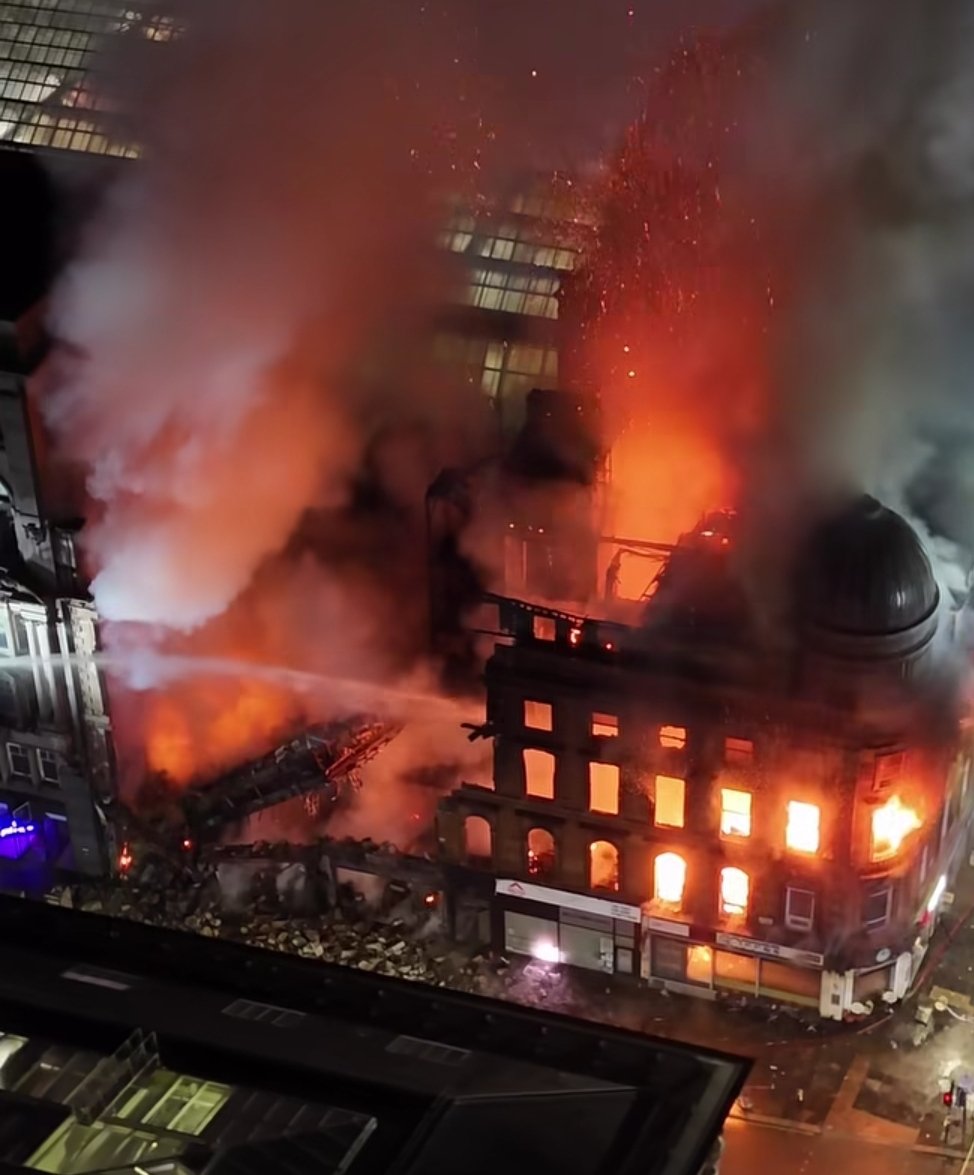
This is no longer about saving the corner building. It's lost. All the SFRS can do is try to prevent what would be a catastrophic spread to Glasgow Central Station.
📷 Vyro Media
English