Jonathon Driedger

2.9K posts

Jonathon Driedger

Jonathon Driedger

@JonDriedger

Grain market analyst with @leftfieldcr. Husband. Father of 3 girls. Have a cattle habit that I can't shake. Tweets are my own. Grunthal, MB.

Katılım Mayıs 2012
2K Takip Edilen1.5K Takipçiler
Jonathon Driedger retweetledi
The Knowledge Archivist
The Knowledge Archivist@KnowledgeArchiv·
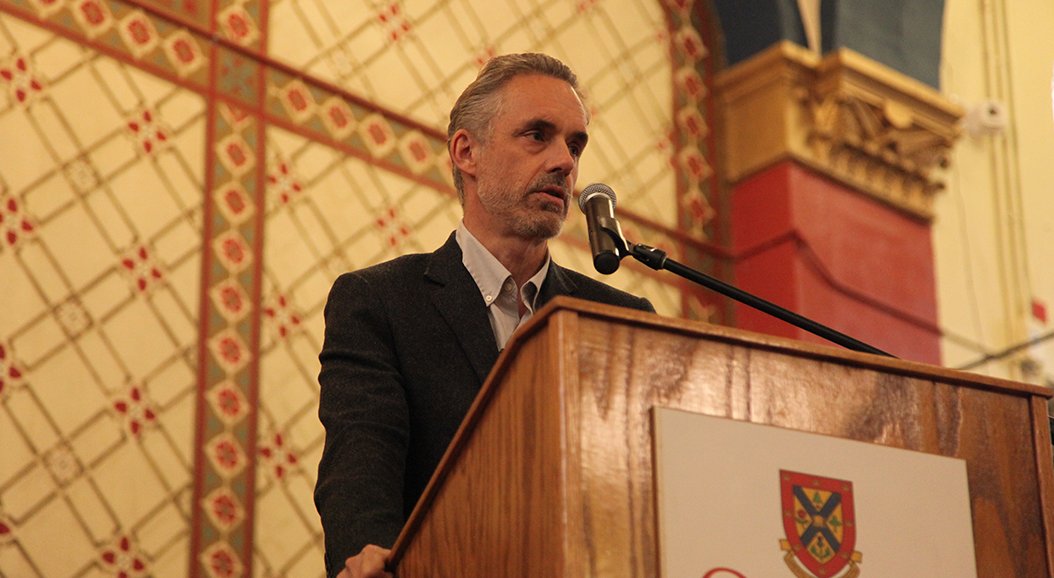
“Do you know how I stopped getting protesters to my event at universities? I held them in the morning.” —Dr. Jordan Peterson
The Knowledge Archivist tweet media
English
271
5.5K
74.6K
1.2M
Wimar.X
Wimar.X@DefiWimar·
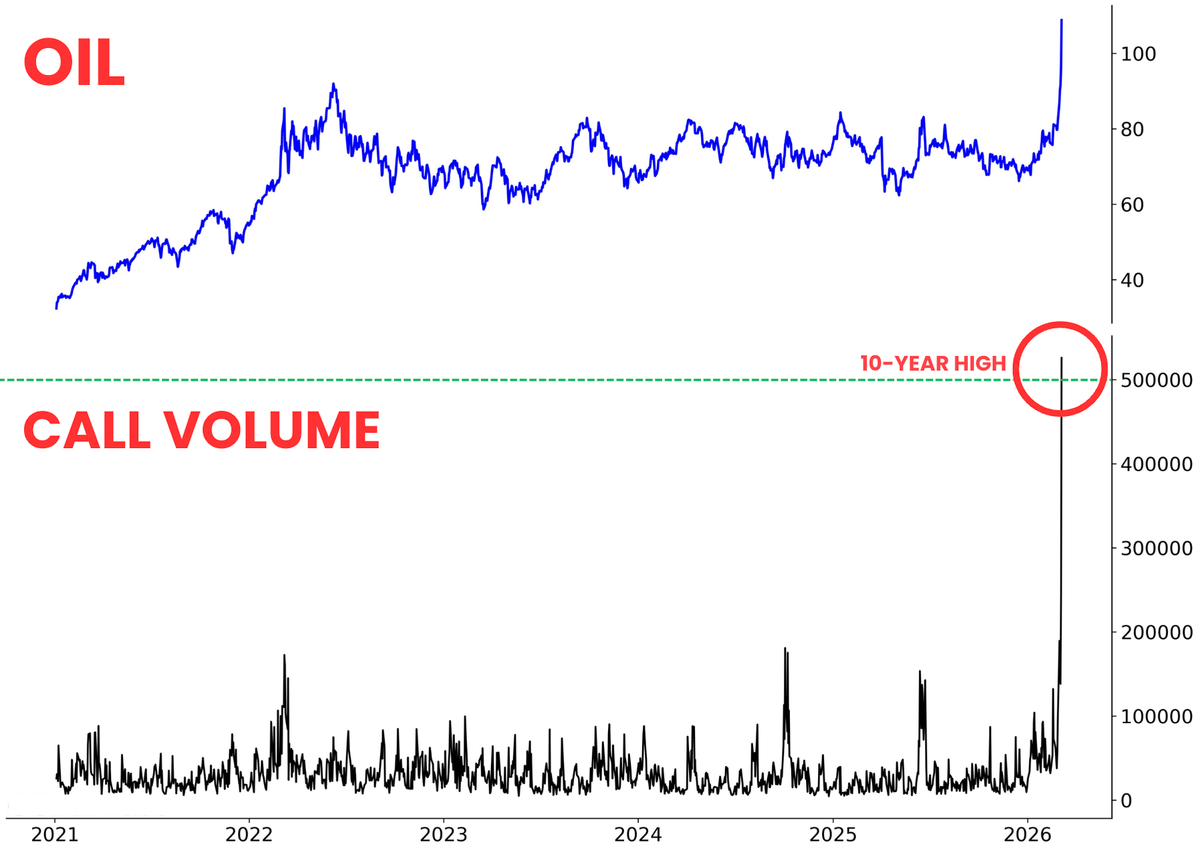
🚨 THIS IS VERY, VERY BAD!! Look at the chart below. It's the OIL vs CALL VOLUME. Am I the only one who sees this EXTREMELY high call volume? That means literally EVERY trader is longing OIL right now. And that's exactly why this setup is so dangerous. Because when call volume goes to a 10-YEAR HIGH while war risk is still rising, it means the market is no longer “watching” the story. It's betting on it. Also, Trump is saying there will be NO deal without capitulation. The market isn't pricing some quick handshake or a clean diplomatic exit. It's pricing a longer conflict, a harder line, and a much bigger supply shock if this keeps spreading. And if this spreads, OIL doesn't move alone. Metals, Bonds are following it too. And that money has to come from somewhere. - Stocks lose liquidity. - Crypto lose liquidity. - Risk gets weaker. - Volatility gets worse. That's the part most people miss. A big oil long is not just an “energy trade.” It's a macro bet that fear, inflation, and war premium are going HIGHER. And when enough money starts making that same bet at the same time, it becomes self-fulfilling. Even one high-profile trade tells you the mood. The cofounder of Sky opened a $5.7 MILLION Crude Oil long at $92. And the market structure around it is getting worse. Record call buying means traders want UPSIDE exposure in oil right now. Record war risk means that upside can get chased even harder if the next headline hits. And if oil gets another leg higher, the damage spreads FAST. - Higher oil means higher inflation pressure. - Higher inflation pressure means heavier yields. - Heavier yields mean lower liquidity. And lower liquidity is EXACTLY how stocks and crypto start DUMPING. THIS IS A WARNING. Not because oil is going up. Because capital is rotating into OIL, GOLD, and other safe assets while the rest of the market is left fighting for scraps of liquidity. That is NOT a healthy market. That is a market starting to price fear, duration, and escalation. I've studied macro for 10 years and I called almost every major market top, including the October BTC ATH. Follow and turn notifications on. I'll post the warning BEFORE it hits the headlines.
Wimar.X tweet media
English
109
319
1.6K
396.2K
Jonathon Driedger retweetledi
Langley Events Centre
Langley Events Centre@LangleyEvents·
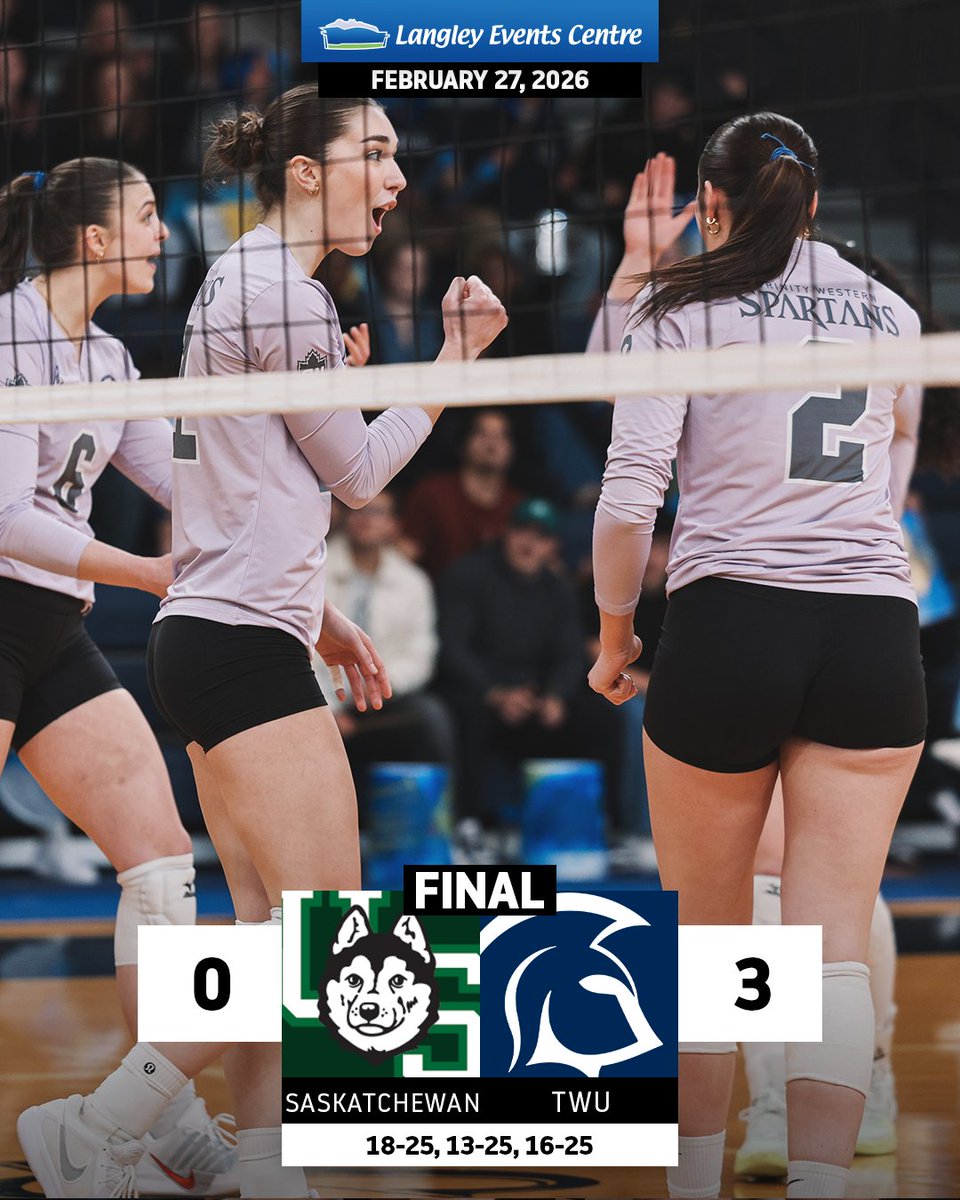
About last night: big victories for both @TWUSpartans volleyball teams who each win their QF series and are off to the @CanadaWest Final Four
Langley Events Centre tweet mediaLangley Events Centre tweet media
English
0
2
0
243
Jonathon Driedger retweetledi
The Food Professor
The Food Professor@FoodProfessor·
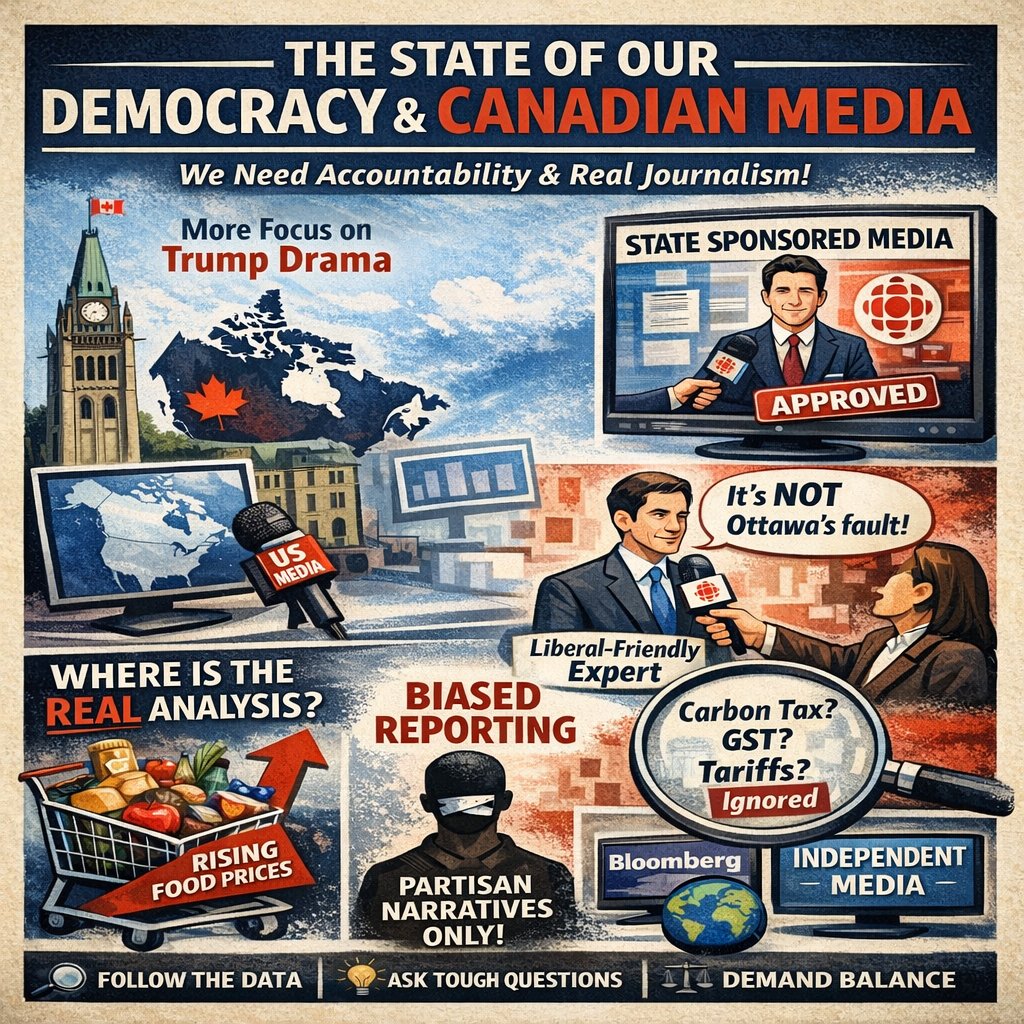
To my X followers, I’ve worked with the media for nearly 25 years. For most of that time, the relationship was professional and balanced. But in recent years, something has shifted. I am increasingly concerned about the state of our democracy — particularly how media, in general, are informing Canadians about food policy, food inflation, and economic policy. I now find myself learning more about Canada’s economy and policy changes from American outlets than from Canadian ones. Much of our national coverage feels reactive, shallow, or overly fixated on partisan narratives rather than substantive policy analysis. What troubles me most is the lack of scrutiny applied evenly across governments and institutions. For example, when the Bank of Canada suggested that Ottawa’s counter-tariffs contributed to food inflation, only one major outlet — Bloomberg — gave it meaningful coverage. The grocery benefit program received very little examination regarding how it would be financed. It took days before anyone pressed for clarity. During the latest spike in food inflation, several outlets turned to the same small circle of commentators who dismissed any potential role of federal policy — carbon pricing, GST holidays, counter-tariffs — despite mounting evidence that policy decisions can and do affect food prices. Instead of investigating structural drivers of inflation, much of the coverage focuses on fact-checking opposition rhetoric, even though the opposition has not governed since 2015. Scrutiny should be applied equally — not selectively. Quebec media, while imperfect, appear to have maintained a broader range of debate. In much of the rest of Canada, I see increasing concentration of voices — often from the same region, Ontario, often reflecting similar policy perspectives — and less diversity of thought grounded in empirical research. This isn’t about partisan politics. It’s about accountability, transparency, and healthy democratic discourse. Media are under financial pressure — that’s real. But public trust depends on independence and depth. Subsidy structures, incentives, and newsroom economics all matter. Canada deserves stronger policy journalism — especially on food affordability, supply chains, and economic resilience. We need more data-driven analysis, more intellectual diversity, and more courage to ask uncomfortable questions — regardless of which party is in power. Until that happens, Canadians would be wise to diversify their news sources and think critically about what they’re being told — and what they’re not.
The Food Professor tweet media
English
630
2.5K
6.4K
279.7K
Jonathon Driedger retweetledi
Jasmin Laine
Jasmin Laine@JasminLaine_·
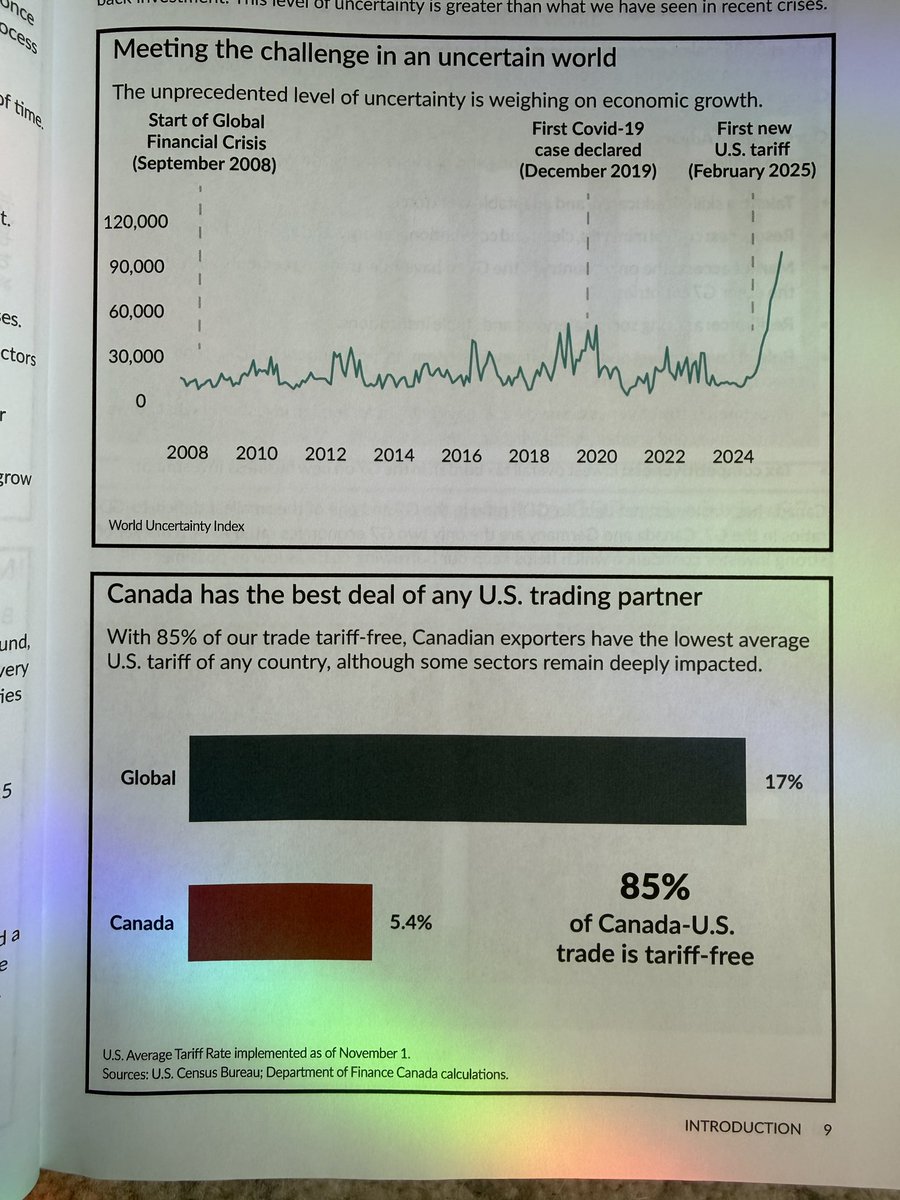
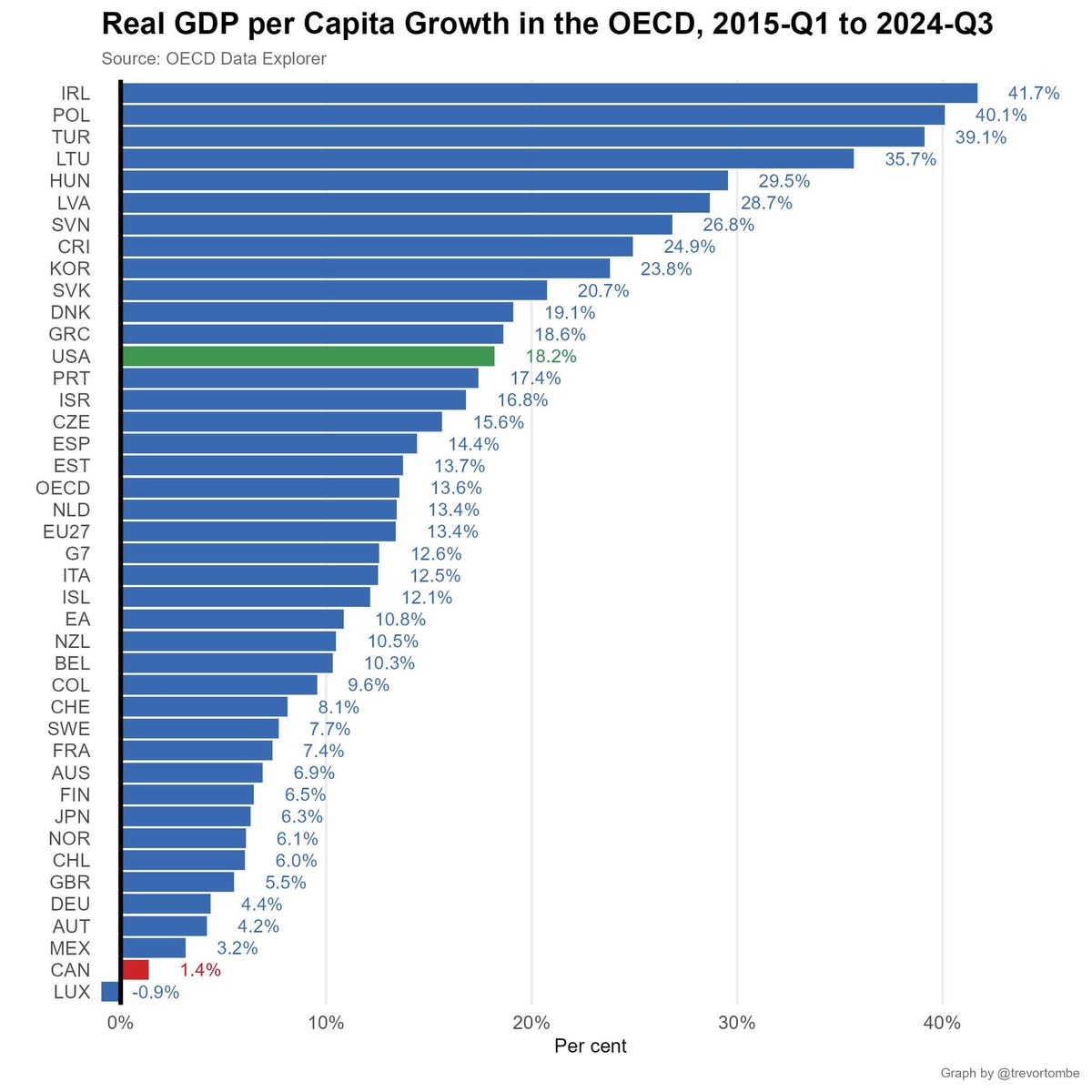
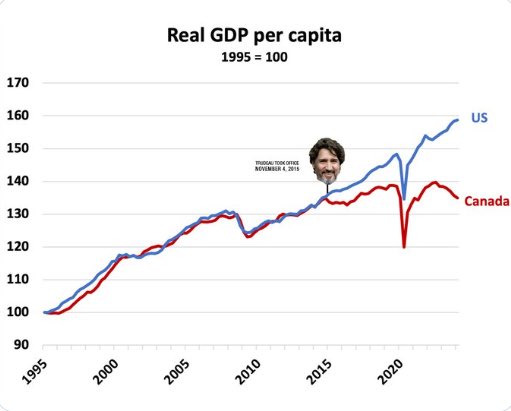
I’m Canadian. I vote in Canada. I don’t get a ballot in the U.S. Whether you love Trump or hate him is irrelevant to this point: our economic problems existed long before tariffs. That should be the only thing dominating headlines. Housing didn’t collapse because of Trump. Productivity didn’t stall because of Trump. Per-capita GDP didn’t weaken because of Trump. Capital wasn’t initially fleeing because of Trump. Justin Trudeau didn’t step down over tariffs—he stepped down because Canadians no longer believed he could fix what was already broken. Tariffs didn’t create our vulnerabilities… they highlighted policy failure that was previously masked. If one trade shock rattles your economy, the structure was already fragile. So why are we gossiping about Trump’s personality instead of dissecting our own numbers? Why are we speculating about American politics instead of talking about Canada’s declining productivity, stalled investment, rising debt, and capital flight? 75%-85% of our exports are covered under USMCA. Yet tariffs are still the convenient villain—because it’s easier to blame an American president than to reform tax policy, reduce regulatory drag, attract investment, and grow productivity. Talking about Trump every day doesn’t fix Canada. But reading our own economic data just might. Canada doesn’t need an American scapegoat… It needs structural reform. And until we address taxation, regulation, capital formation, and productivity, we’ll keep treating symptoms with rebates and headlines while the underlying problem gets worse. It’s been a year. At this point, obsessing over Trump isn’t analysis… It’s continuing to avoid and hold the government accountable.
Jasmin Laine tweet mediaJasmin Laine tweet mediaJasmin Laine tweet media
English
524
2.4K
8.6K
108.9K
Jonathon Driedger retweetledi
Erik Thorvaldsson
Erik Thorvaldsson@erik_thorvalds·
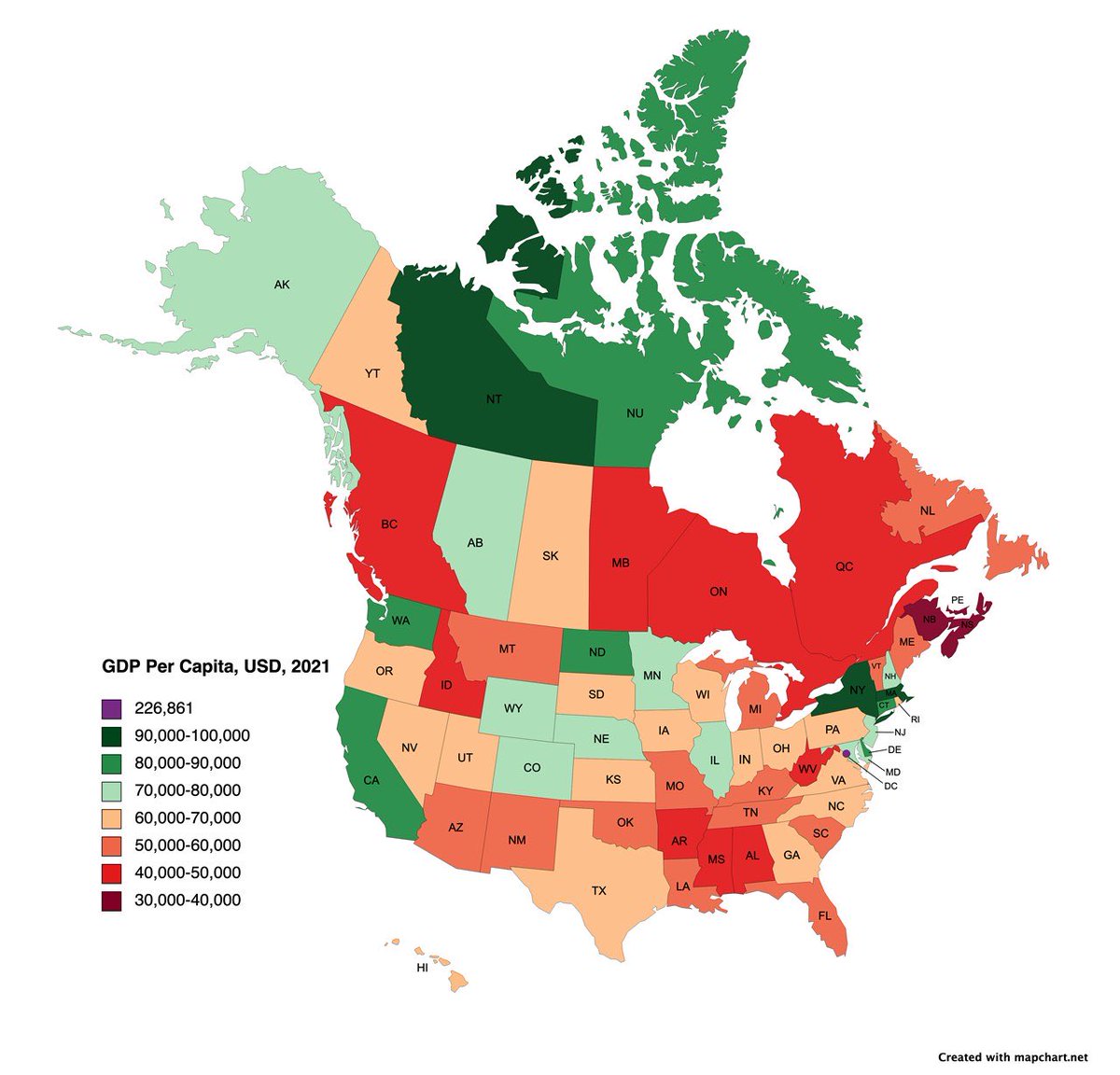
There was a byline this past week discussing how Canada as a whole is poorer than Alabama. This map lays it out even barer: Almost all of Canada minus Alberta is poorer than West Virginia and Mississippi, the poorest states in the Union. That’s a sobering stat and reality.
Erik Thorvaldsson tweet media
English
100
448
1.7K
74.4K
Jonathon Driedger retweetledi
SightBringer
SightBringer@_The_Prophet__·
⚡️Most “smart people” fail because intelligence is a protection strategy. It is how they avoid risk, avoid rejection, avoid being seen trying. They build a life where their identity depends on being right. Real life pays the people who can be wrong repeatedly and still keep moving. So the ranking goes like this. Courage beats IQ. Reps beat talent. Social positioning beats private brilliance. Stamina beats bursts. Timing beats theory. The dirty secret is that society is not a meritocracy of ideas. It is a selection engine for people who can tolerate exposure. High energy risk takers win because they accept humiliation as the entry fee. A lot of very smart people do not lose because they lack capability. They lose because they cannot metabolize failure without their self image collapsing. They call it burnout. It is often fear with better branding. The other layer is incentives. The system trained them to optimize for grades, credentials, and approval. Then it dropped them into a world where approval is scarce, rules are hidden, and the score is money, attention, and leverage. So they freeze. Meanwhile the “mid” operator ships, sells, networks, compounds, and takes the upside. The world does not belong to the smartest. It belongs to whoever can keep stepping into the arena without needing the arena to validate them.
BOSS@thebeautyofsaas

The world doesn't belong to highly intelligent people The world belongs to high-energy, risk-takers, those who operate outside social norms and are not afraid to expose themselves in uncomfortable positions mid intelignece + execution + risk > 140iq living of negative loops

English
38
100
671
54.7K
Jonathon Driedger retweetledi
Saganism
Saganism@Saganismm·
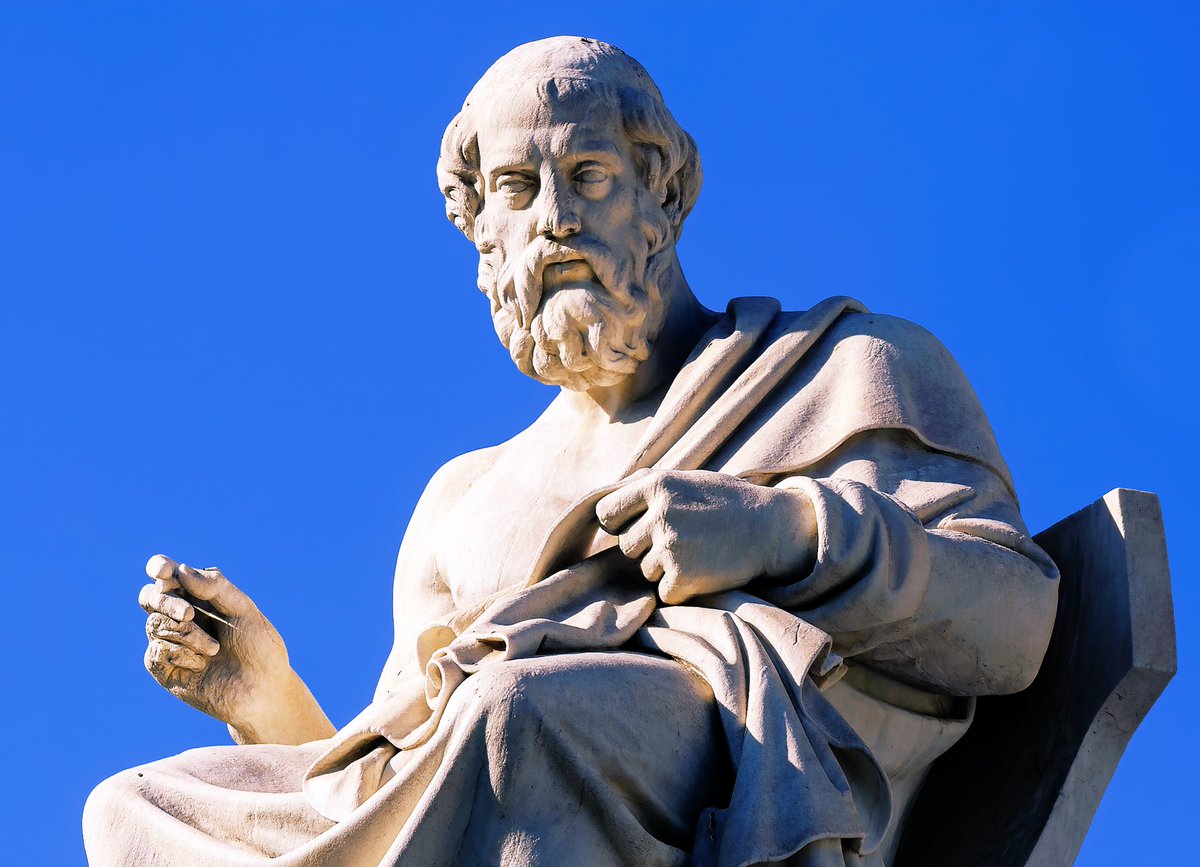
If you do not take an interest in the affairs of your government, then you are doomed to live under the rule of fools. — Plato (Aphoristic summary of The Republic, 347c)
Saganism tweet media
English
33
1.3K
3.5K
44.7K
Jonathon Driedger retweetledi
Martin Pelletier
Martin Pelletier@MPelletierCIO·
To my followers that believe Mark Carney is different than his predecessor, PLEASE PLEASE READ this. He is different, more dangerous. @ExnerPirot wrote this outstanding piece exposing the massive gap between what is being said and what is being done by the Carney government on energy that getting too big to ignore. "The pancake stack of investment-killing climate regulations introduced by former ministers of environment Catherine McKenna, Jonathan Wilkinson, and Steven Guilbeault is not only largely intact; additional phases of their legacy policies are kicking in, and new ones are being added by Carney." You tell me, just how "different" is his approach to the previous LPC Trudeau government, when in fact it is likely WORSE: -> ECCC from Dec 19, proposing a new and aggressive approach to industrial carbon pricing that not only contradicts the Alberta-federal MOU, it adds uncertainty to any new plans being considered for electricity, O&G, etc. -> Then came finalized methane regs which the Canadian Gas Association says will cost $3000/CO2 tonne to comply with and CAPP says will impose $14.6 billion in compliance costs. Just as we are trying to get FID on two major LNG projects -> Then Canada said they were going to continue work on a green taxonomy, and named the Canadian Climate Institute to lead it, which is viewed by many in industry as ideological, some of their proposals as even “radical." -> Meanwhile other legacy policies and reviews from the Trudeau era continue, such as new 2025 building code - Greenhouse Gas provisions (OpGHG) , that will limit choice in home heating to achieve net zero, ie harder to build for natural gas heating. This is a classic bait and switch, Carney is smarter than Trudeau. He is telling Canadians one thing and doing the opposite by keeping existing regulations in place and sneakily tucking in new ones. We need to wake up before it’s too late, and I fear it may already be. thehub.ca/2026/02/06/car…
English
107
970
2K
39.9K
Jonathon Driedger retweetledi
wealthmoose
wealthmoose@wealthmoose·
🚨GDP per capita tells the real story. 1980 🇺🇸 $12,550 🇨🇦 $11,280 2026 (IMF est.) 🇺🇸 $92,890 🇨🇦 $58,240 We started close. We didn’t finish close. That gap is productivity, investment, and growth compounding for decades. #Economy #Productivity #Canada #USA #Cdnpoli
wealthmoose tweet media
World of Statistics@stats_feed

GDP per capita 1980 🇺🇸 US: $12,550 🇨🇦 Canada: $11,280 2026 🇺🇸 US: $92,890 🇨🇦 Canada: $58,240 (IMF)

English
29
63
194
7.6K
Jonathon Driedger retweetledi
Craig 🇺🇸
Craig 🇺🇸@CVDmarkets·
Called #Gold dealers this morning and can’t get a bid for my coins. Top is in
Craig 🇺🇸 tweet media
English
3
1
12
2.6K
Jonathon Driedger retweetledi
The Food Professor
The Food Professor@FoodProfessor·
I’m no fan of Secretary Howard Lutnik, not even remotely. That said, his assessment of the Canada–U.S. relationship is spot on. PM Carney’s current tone toward China is exceptionally risky.
English
530
804
4.5K
368.9K
Jonathon Driedger retweetledi
Sam Cooper
Sam Cooper@scoopercooper·
Hate to say it, but you can make the case the majority Canadian interest is held hostage by 1. A circle of China invested industrialists 2. The politicians they control. 3. The captured or incurious media close to those politicians 4. Low information voters underneath the above.
James E. Thorne@DrJStrategy

Canada needs to wake up! Canada has lost its two biggest levers of influence, heavy crude and potash, as the U.S. under President Trump has replaced both through deals with Belarus and Venezuela, while Ottawa’s political and media class chose virtue-signaling over strategic alignment, leaving Canada sidelined in a booming North American economy.

English
97
924
2.7K
84.7K
Jonathon Driedger retweetledi
James E. Thorne
James E. Thorne@DrJStrategy·
Canada needs to wake up! Canada has lost its two biggest levers of influence, heavy crude and potash, as the U.S. under President Trump has replaced both through deals with Belarus and Venezuela, while Ottawa’s political and media class chose virtue-signaling over strategic alignment, leaving Canada sidelined in a booming North American economy.
English
302
327
1.7K
139.6K
Jonathon Driedger retweetledi
Shaun Rickard
Shaun Rickard@ShaunRickard67·
Elbows Up! 🙄
Shaun Rickard tweet media
English
73
305
993
18.4K
Jonathon Driedger retweetledi
Raquel Dancho
Raquel Dancho@RaquelDancho·
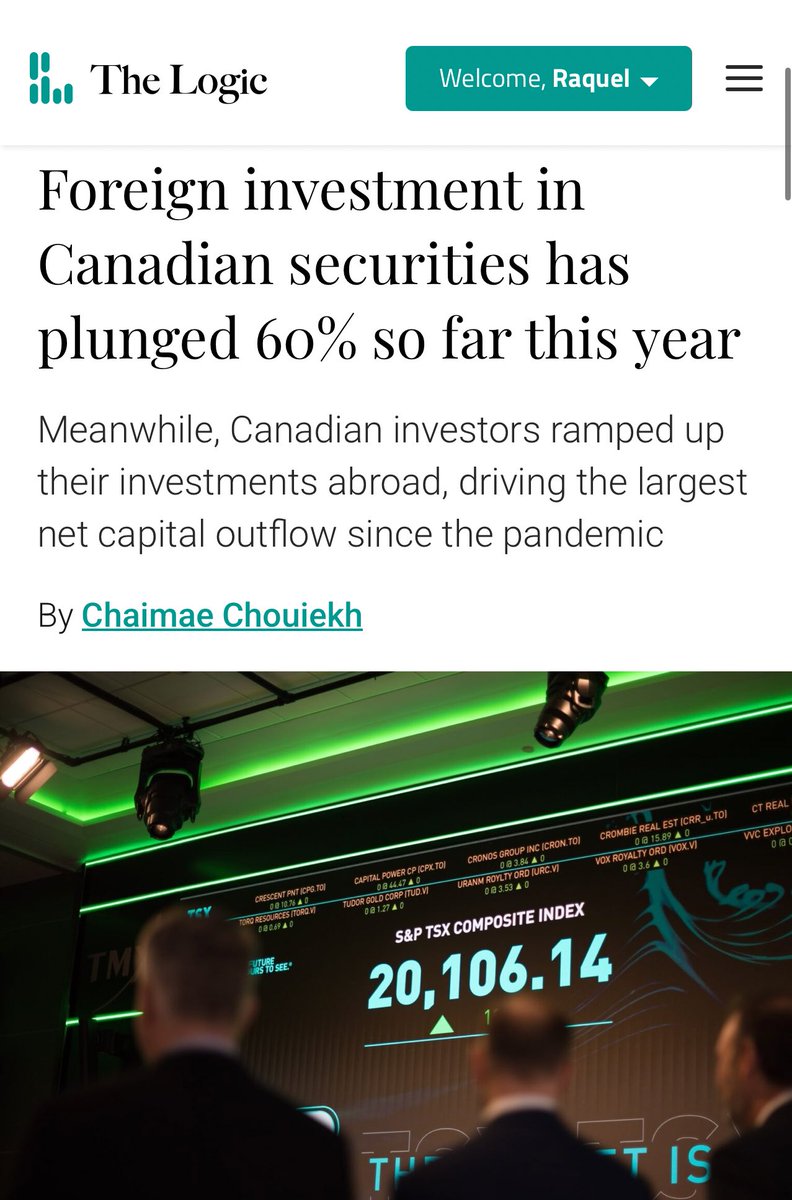
“Foreign money leaving and Canadians investing more abroad defined this year’s capital-flow picture.” 2025’s capital outflow under PM Carney culminated in an unprecedented result, with $62 billion leaving Canada’s economy. That is the Liberals’ record. This is the money Canadian firms need to scale up and prosper—and it’s going to the U.S. If our government does not create the conditions necessary for investment, we risk suffocating our firms and further deepening our dependence on the Americans.
Raquel Dancho tweet media
English
74
308
622
15.6K
Jonathon Driedger retweetledi
Chuck_Penner
Chuck_Penner@LeftFieldCR·
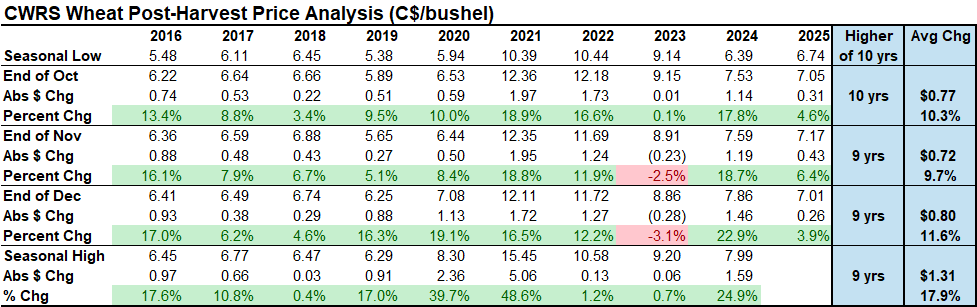
Perspective on post-harvest price behaviour. Is it worth waiting to sell? For CWRS, very consistently. Even in 25/26. Find out more at our Planning w/o Prediction workshops in S'toon Jan 16 & Brandon Jan 23. leftfieldcr.com
Chuck_Penner tweet media
English
0
4
9
2K
Jonathon Driedger retweetledi
The Food Professor
The Food Professor@FoodProfessor·
Many Canadians fail to grasp just how misguided Ontario—and the Ford government—were in running those ‘Ronald Reagan’ ads. Those ads directly contributed to a halt in trade negotiations with the United States. Here’s the American perspective, The American Ambassador, courtesy of @JasminLaine_
English
257
473
2K
79K