JN

15.5K posts

JN banner
JN

JN

@JonNeale

Researches cities, property, economics. Professional if accentless Brummie. DFL in Lewes. Beer & Music Snob. History buff & wannabe linguist. Views my own.

Lewes near Brighthelmstone Katılım January 2011
1K Takip Edilen4K Takipçiler

2026 Yıllık Özeti

@JonNeale hesabının Twitter yılını gör

Sabitlenmiş Tweet
JN
JN@JonNeale·
Between 1934 and 1939 tens of thousands of upmarket apartments were built for rent in Britain’s cities : a phenomenon that is almost completely written out of history. An absolutely fascinating piece to write and research
Sam Bowman@s8mb

NEW: How Art Deco conquered 1930s Britain, and led to tens of thousands of apartments being built that are still iconic today. By @JonNeale for Works in Progress. worksinprogress.news/p/britains-int…

English
11
43
175
51.3K
JN
JN@JonNeale·
@RufustheBold @AlexDelarge6553 Could he play acoustic like John Renbourn, funk like Nile Rodgers or jazz like Wes Montgomery? Sure he could play a flashy solo and was a brilliant musician, but…..
English
2
0
2
248
Rufus Griswold
Rufus Griswold@RufustheBold·
@AlexDelarge6553 Extraordinarily talented musician and entertainer? Yes. Top 10 guitarist? Not really. Very competent use of pentatonic licks here, but not outstanding the way say SRV and numerous others were.
English
19
1
135
6.5K
Alexander Delarge 655321
Alexander Delarge 655321@AlexDelarge6553·
People don't know that prince is a top 10 guitarist to ever live. Watch this shit! (Took me a while to believe this)
English
674
1.2K
10.2K
1.1M
JN
JN@JonNeale·
@asentance Central government, meanwhile, has made fantastic decisions. An error-free record.
English
0
0
10
2.7K
Andrew Sentance
Andrew Sentance@asentance·
Benefits of devolution are overstated. Scotland/Wales have not seen them. English devolution will put inexperienced local politicians in charge of issues they are not qualified to manage. Look at the mismanagement we’ve seen in Local Authorities likre Birmingham & Thurrock!
English
36
32
208
42.4K
Andrew Sentance
Andrew Sentance@asentance·
De-industrialisation: Burnham has portrayed this as starting in 1980s, but peak UK manufacturing employment was in 1966. This was not largely a product of Thatcherite policies but something affecting all richer economies (eg G7) from 1960s onwards.
English
16
25
125
8.2K
SweetIrishGhirl
SweetIrishGhirl@Newrygal1·
Get this woman to Stormont ASAP 👏👏 our native tongue should not be politicalised.
English
715
1.5K
9.6K
2.2M
JN
JN@JonNeale·
@northumbriana @thomasforth It’s one reason why Birmingham and Sheffield city centres feel compact and a bit cramped compared to some - they were surrounded by rings of factories.
English
2
0
2
125
JN
JN@JonNeale·
@northumbriana @thomasforth Compare with Birmingham, where you had artisan industries (the JQ) or heavy forges / factories literally within 15 minutes walk of the commercial centre, all until relatively recently (and in some cases still today).
English
1
0
0
105
Dan Jackson
Dan Jackson@northumbriana·
@JonNeale @thomasforth Newcastle is like this - it’s hinterlands were where the coal and shipbuilding action happened but the city itself was always a centre of commerce and consumption
English
1
0
0
125
JN
JN@JonNeale·
@thomasforth Also, central manchester is a commercial capital, not an industrial city. It stopped being one when the mills moved out to places like Rochdale and the exchanges and banks and showrooms got built.
English
1
0
2
481
Tom Forth
Tom Forth@thomasforth·
I'm not completely convinced that Manchester "had the same economic strategy as every other post-industrial city. It simply succeeded". > Some cities leant much more into industry, and less into transitioning to services. Part of Manchester's comparative success was not doing so.
English
2
2
32
4.1K
JN
JN@JonNeale·
Assuming these are net figures, I’d wager that: - the outflow is no different to recent years and is lower than in say the 80s - the main difference is that the steep fall in immigration has stopped masking this outflow which was always there
Matthew Lesh@matthewlesh

London is de-gentrifying — and that’s far more worrying than gentrification ever was. The latest figures show the capital has recorded its first real population decline in 37 years, with 420,000 people leaving for other parts of Britain. This is a flashing sign that the nation’s capital is moving in the wrong direction. In the early 2010s, Brixton was the poster child for urban revival. So much so that, in 2013, anti-gentrification protesters “Yuppies Out” marched on a Champagne and cheese shop. That shop closed last September.  The Dogstar, once a nightlife landmark, and targeted in several earlier riots, was forced to shut in 2024. Squatters moved in within days, while units in Brixton market sit vacant, inviting antisocial behaviour. Gentrification is one of those archetypal bogeymen: wealthy phonies moving into a poor but cool neighbourhood, forcing out the “true” locals in favour of matcha lattes and yoga studios, destroying an area’s character in the process. But, in fact, everything you’ve been told about gentrification is wrong: it’s immensely beneficial to all. We’re now seeing the reverse. Across London we’re seeing disinvestment, declining amenity, fewer homes being built, higher-income residents leaving, and an increasingly hostile attitude towards regeneration. Neighbourhoods that were once symbols of revival are instead becoming symbols of stagnation. This isn’t authenticity triumphing over capitalism. It isn’t communities being “saved”. It’s decline. London’s prosperity has never come from freezing neighbourhoods. It came from attracting ambitious people, investment and development. Successful regeneration transformed once crime-ridden and neglected areas into places where people actually wanted to live, work and start businesses. Contrary to the popular narrative, the evidence that gentrification forces mass displacement has always been remarkably weak. What it overwhelmingly does is improve neighbourhoods and expand opportunity. Yet we’ve spent the past decade romanticising poverty while treating regeneration as something shameful. Planning applications are blocked. New housing is opposed. Investment is viewed with suspicion. The result is a city that people increasingly choose to leave. London isn’t Britain’s problem. It’s Britain’s greatest asset. When London grows, the whole country benefits. When London declines, the consequences are felt far beyond the M25. We’ve run this experiment before. Between 1939 and 1988, London’s population fell by a quarter under policies of managed decline. It took decades to reverse that mistake. The latest figures should be a warning that we may be repeating it. We should stop fearing gentrification and start fearing de-gentrification. London’s future depends not on managing decline, but on welcoming regeneration once again.


English
0
0
0
391
JN
JN@JonNeale·
@duncanrobinson All obvious stuff. What you need is Alan Johnson and his love of Super Furry Animals.
English
0
0
0
200
Duncan Robinson
Duncan Robinson@duncanrobinson·
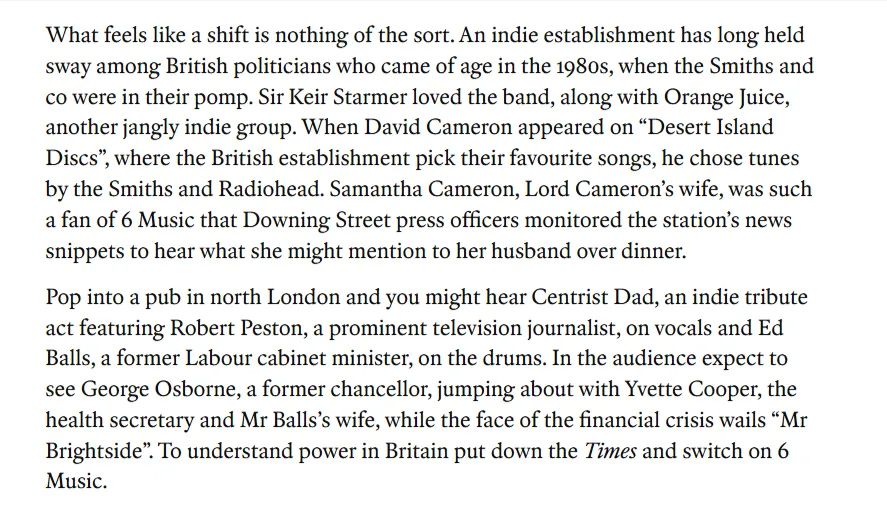
On the indie elite that has long run Britain, even before Burnham
Duncan Robinson tweet media
English
6
6
58
7.7K
JN
JN@JonNeale·
2/2 That is key to understanding its renaissance. It makes it fundamentally different from Birmingham and Sheffield (genuinely industrial cities) and even Leeds - which was the wool capital but also a more diverse manufacturing and engineering centre. linkedin.com/pulse/manchest…
English
1
0
3
175
JN
JN@JonNeale·
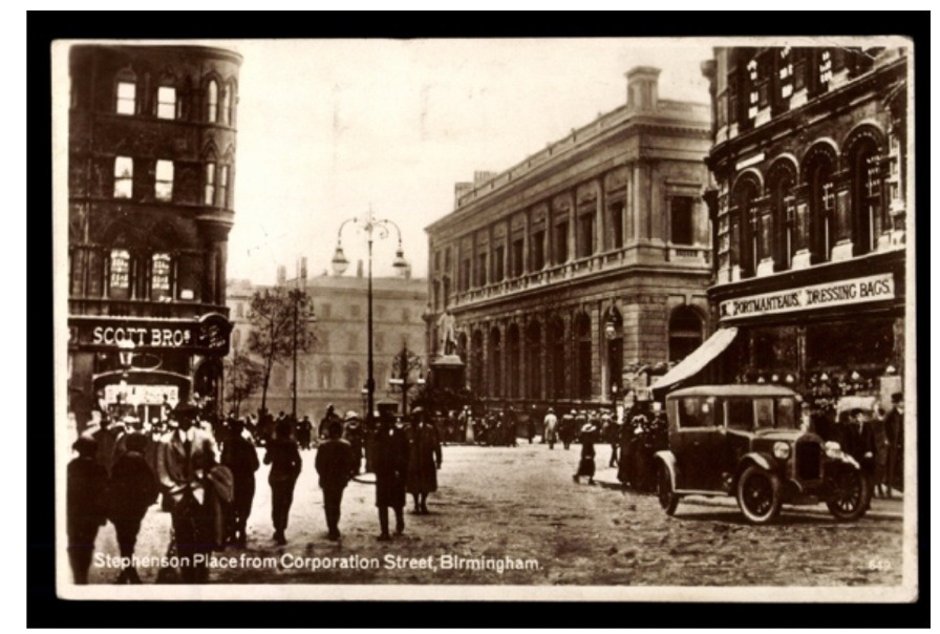
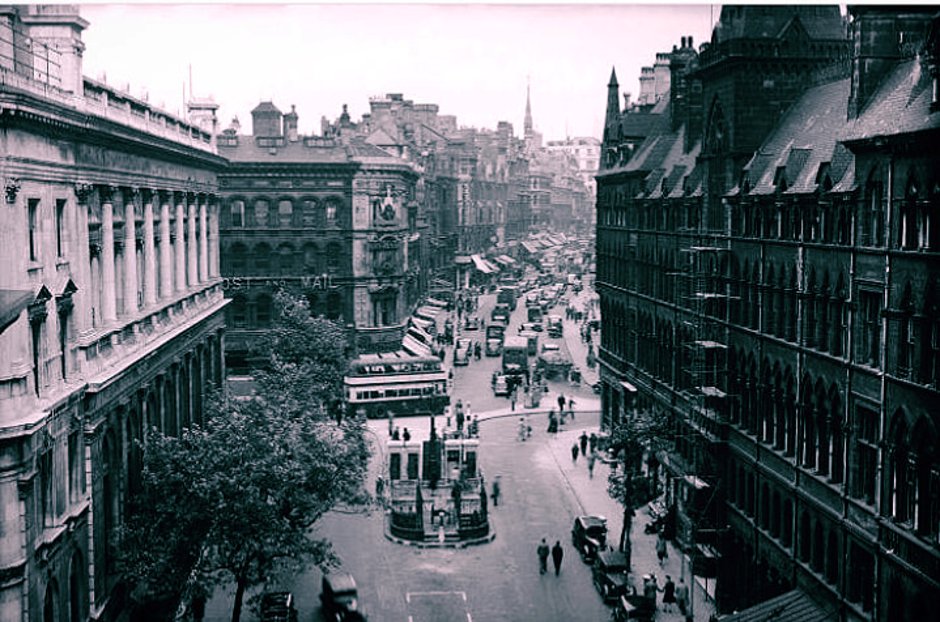
The front of New Street, on the other hand.
JN tweet mediaJN tweet mediaJN tweet media
English
0
0
3
108
JN
JN@JonNeale·
This area has always been a bit of a mess, and I’m not sure it was much better in previous incarnations. It’s effectively the biggest railway junction outside London, which barged through a notorious slum known as the Froggery (or simply “the rookery”)
JN tweet mediaJN tweet mediaJN tweet mediaJN tweet media
Royal Fine Art Commission Trust@RoyalFineArt

Leaving aside the building, everything else in the photo is a hideous mess. Have we really got this bad at designing cities? We used to be pretty good at it (before urban designers existed, incidentally).

English
2
0
6
930
Royal Fine Art Commission Trust
Leaving aside the building, everything else in the photo is a hideous mess. Have we really got this bad at designing cities? We used to be pretty good at it (before urban designers existed, incidentally).
Andrew Smithers@MrMappy

Intense reflected sunlight from New Street station caused parked hire e-bikes and scooters to overheat and smoke on July 10, 2026. Fire service and company investigations confirmed the high heat spots (reaching 43°C) were driven by architectural solar glare.

English
1
1
12
4.8K