Jon Otero

52 posts

Jon Otero banner
Jon Otero

Jon Otero

@JonOteroF

Creator of JARU IDE, a programming language and IDE for ESP32, IoT and embedded prototyping.

Katılım Ocak 2013
53 Takip Edilen8 Takipçiler
Jon Otero
Jon Otero@JonOteroF·
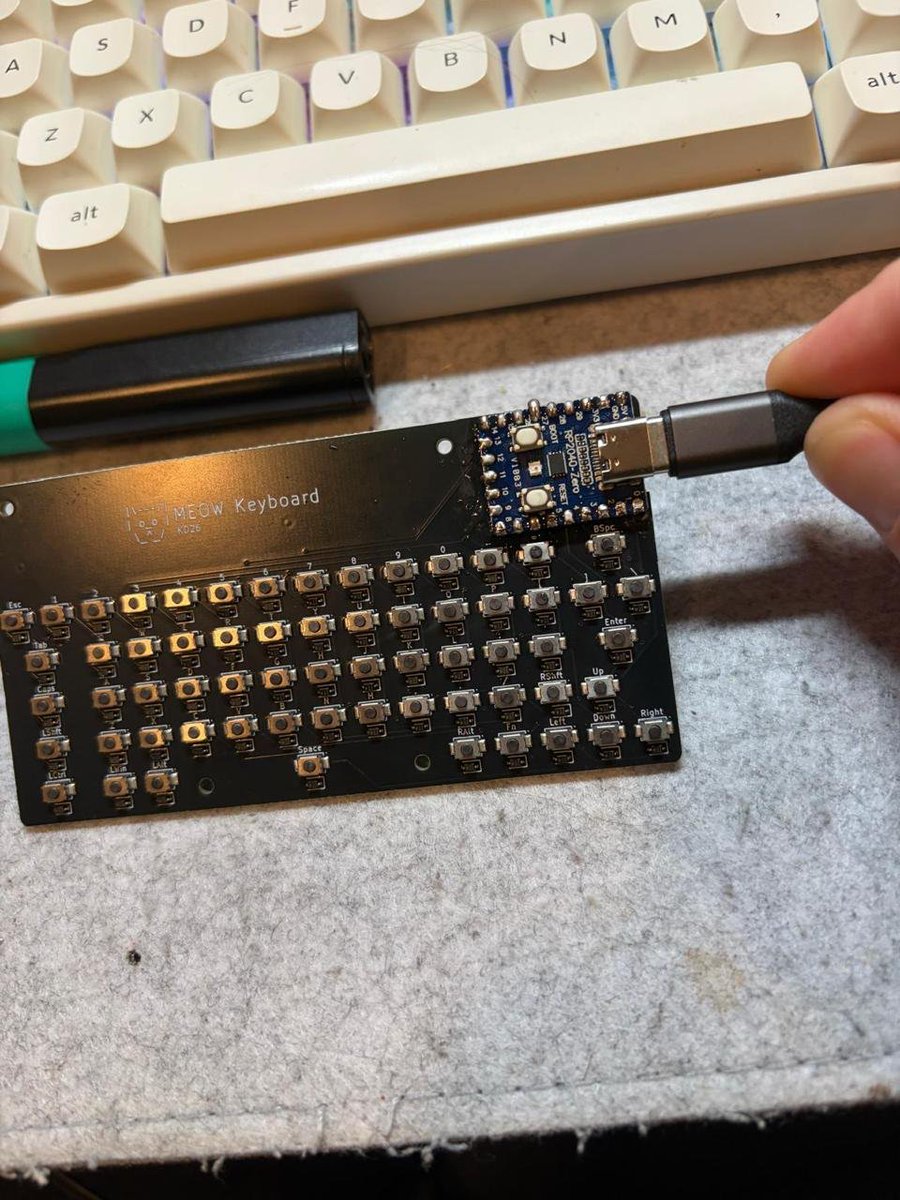
@KuterDinel Custom keyboard PCBs always look simple until the matrix, USB controller, routing and firmware all have to agree. Getting from design to a working QMK board that fast is pretty nice.
English
0
0
0
3
Kuter Dinel
Kuter Dinel@KuterDinel·
Designed a mini keyboard PCB with Kicad + Claude Opus 4.8 Schematics and component placement was done with Claude. Routed the traces manually. Also had it flash QMK on it. Took few hours in total to design and a week to get made by JLCPCB + shipping.
Kuter Dinel tweet media
English
2
0
4
366
Jon Otero
Jon Otero@JonOteroF·
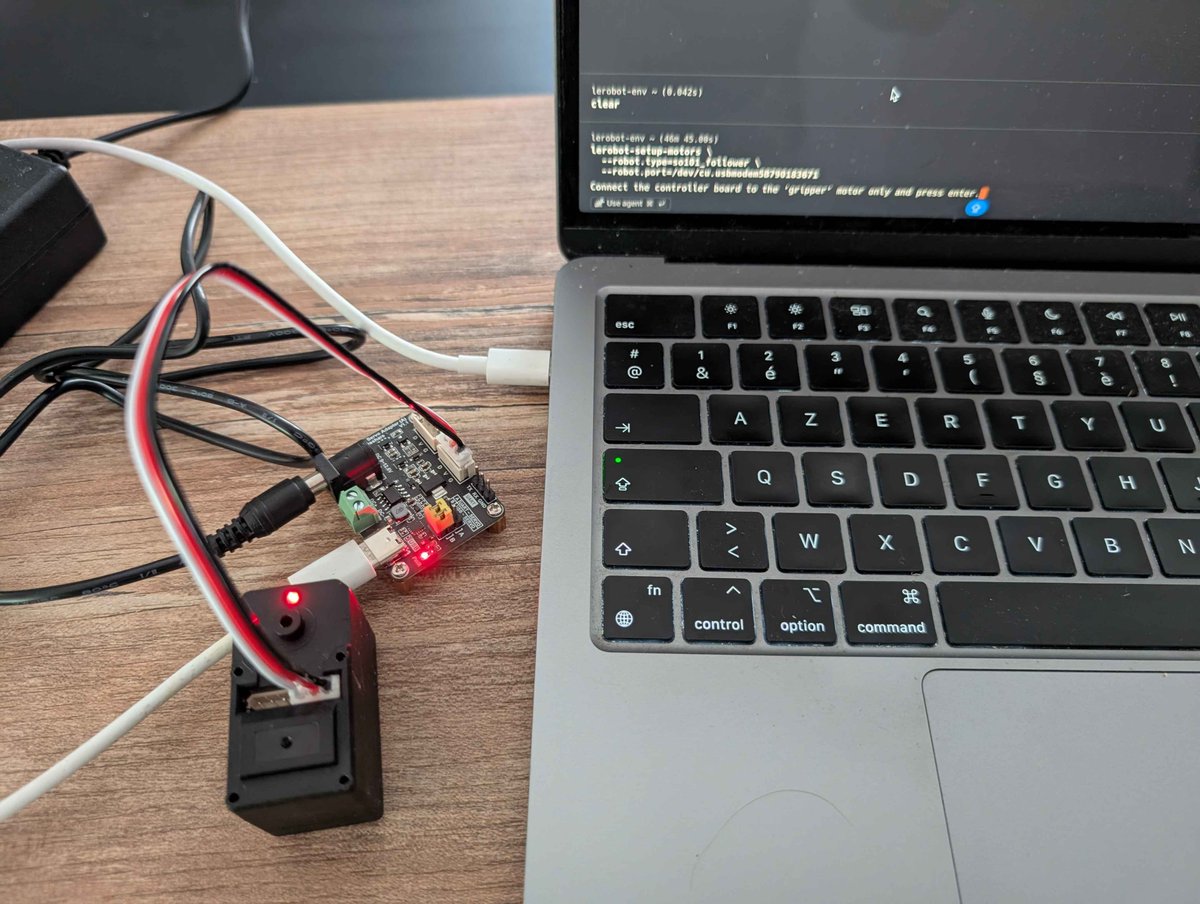
@Cheelax_ @LeRobotHF That first ID setup step is the part that looks annoying, but it pays off once the arm is assembled. Six joints on a single 3-wire daisy-chained bus makes the whole build feel much cleaner.
English
0
0
1
7
Cheelax
Cheelax@Cheelax_·
Robot build update 🤖 Day 1 with the actual hardware. Parts finally landed: 6 Feetech servos, bus board, ESP32-S3, round displays, camera, speaker/mic. First small win: all 6 STS3215 are now configured and labeled with @LeRobotHF. Fun detail: they all ship with the same ID, so you have to plug them one by one while the CLI walks you through each joint — shoulder_pan, elbow, wrist, gripper, etc. Once assembled, the full 6-DOF arm runs on a single 3-wire daisy-chained bus. Six motors. Three wires. Very satisfying. Also printed the first SO-101 arm plate on the Bambu A1. Supports off, tiny moment of truth… and the servo snapped right into the printed holder. No sanding. No forcing. Tolerances look good. Day 1 status: hardware talks, plastic fits, confidence slightly up.
Cheelax tweet mediaCheelax tweet mediaCheelax tweet media
Cheelax@Cheelax_

Between 3D printing and AI, robotics has never been this accessible. So I'm starting a little side project: building my first robot 🤖 Open source arm (@LeRobotHF), animated eyes, a voice . Parts just arrived! End goal: plug it into my @NousResearch's hermes agent so he finally gets a body. Anyone interested in me documenting the build?

English
2
1
19
1.2K
Jon Otero
Jon Otero@JonOteroF·
@gclue_akira This is the stage where a project starts to feel real. Once the LCD is figured out, seeing the schematic and key matrix take shape makes the handheld terminal idea much more exciting.
English
0
0
1
14
Akira Sasaki
Akira Sasaki@gclue_akira·
液晶が攻略できたので、次はFable5にXIAO ESP32-S3ベースのHandyTerminalの設計依頼
Akira Sasaki tweet media
日本語
1
1
10
7.6K
Jon Otero
Jon Otero@JonOteroF·
@nanoFramework @M5Stack This is a bigger deal than it looks. On ESP32-S3 audio projects, getting the codec, clocks and I2S path behaving is often the part that eats the most time. Nice to see that moving into the framework.
English
0
0
1
30
Jon Otero
Jon Otero@JonOteroF·
@framboise314 This has proper 2.4 GHz ghost hunter vibes. I like the idea of turning all that invisible wireless chatter into something you can actually see on the bench.
English
0
0
1
9
François MOCQ - F1GYT - framboise314 🌈
Sur l'établi ! 🧐🛠️ Carte 90x150 avec ESP32, OLED et 2 nRF24 bien écartés. Manque juste le module Buck-Boost TPS63020 3v3 qui joue les prolongations avec le facteur... 📦⏳ Objectif : voir l'invisible dans la bande des 2.4 GHz. Une idée du projet ? 😉 #Maker #ESP32 #RF
François MOCQ - F1GYT - framboise314 🌈 tweet mediaFrançois MOCQ - F1GYT - framboise314 🌈 tweet mediaFrançois MOCQ - F1GYT - framboise314 🌈 tweet media
Français
3
3
13
474
Jon Otero
Jon Otero@JonOteroF·
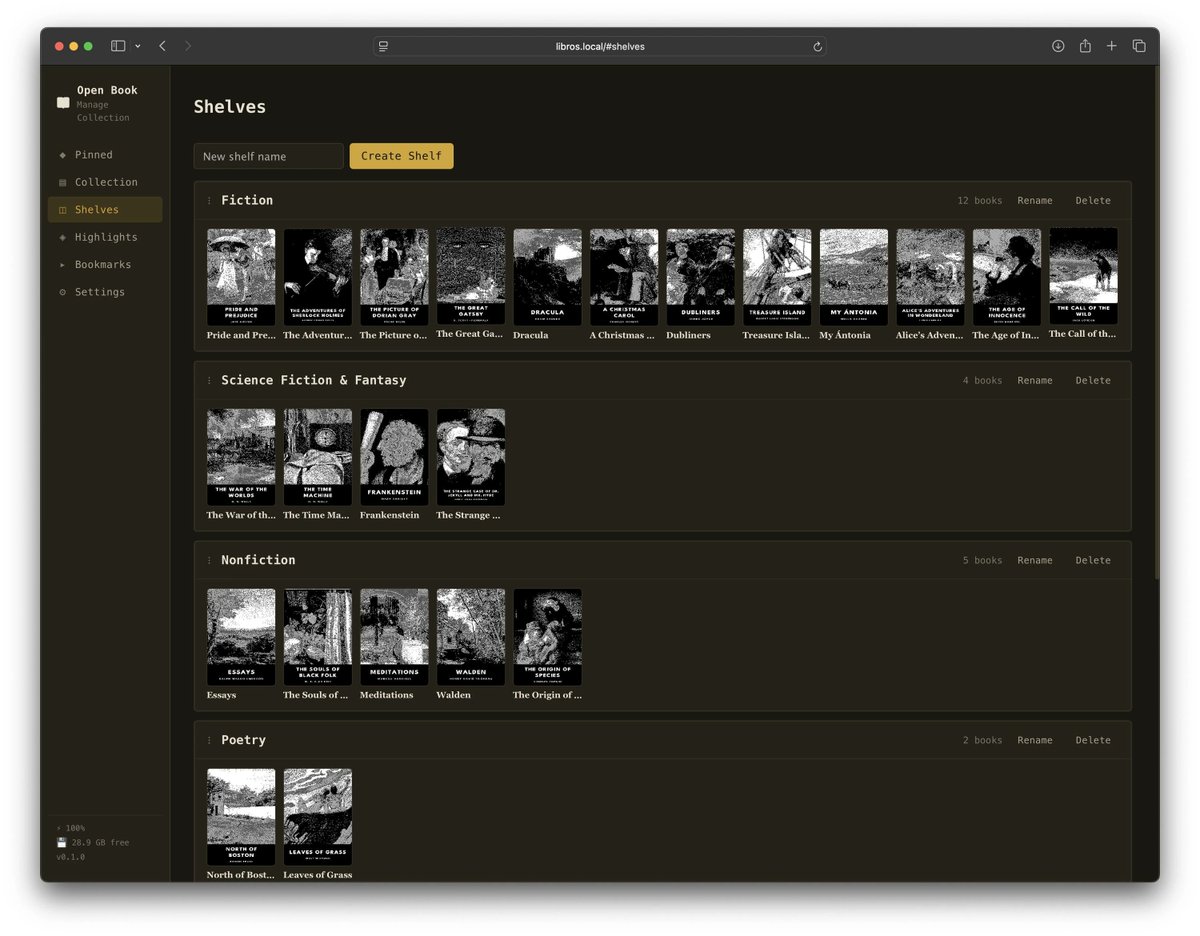
@cnxsoft This is the kind of open hardware e-reader I wish existed more often. Not because it beats commercial readers on specs, but because you can actually understand, modify and build on it.
English
0
0
0
55
CNX Software
CNX Software@cnxsoft·
Open-source hardware, DRM-free, ESP32-S3-based touch e-reader cnx-software.com/2026/07/10/ope… Oddly Specific Objects Open Book Touch features a 4.26-inch e-paper display with 480 x 800 resolution and a capacitive touch screen. The device comes with 16 MB flash, 8MB PSRAM, a frontlight with warm and cool LEDs, a microSD card for storage, and an 800 mAh user-replaceable LiPo battery with everything housed in a 3D printed enclosure. While the Open Book Touch can be used as an e-paper dev board programmable with Arduino or CircuitPython, the default ESP-IDF-based firmware has been optimized to provide the best e-book reader experience possible.
CNX Software tweet mediaCNX Software tweet mediaCNX Software tweet media
English
3
10
71
4.5K
Jon Otero
Jon Otero@JonOteroF·
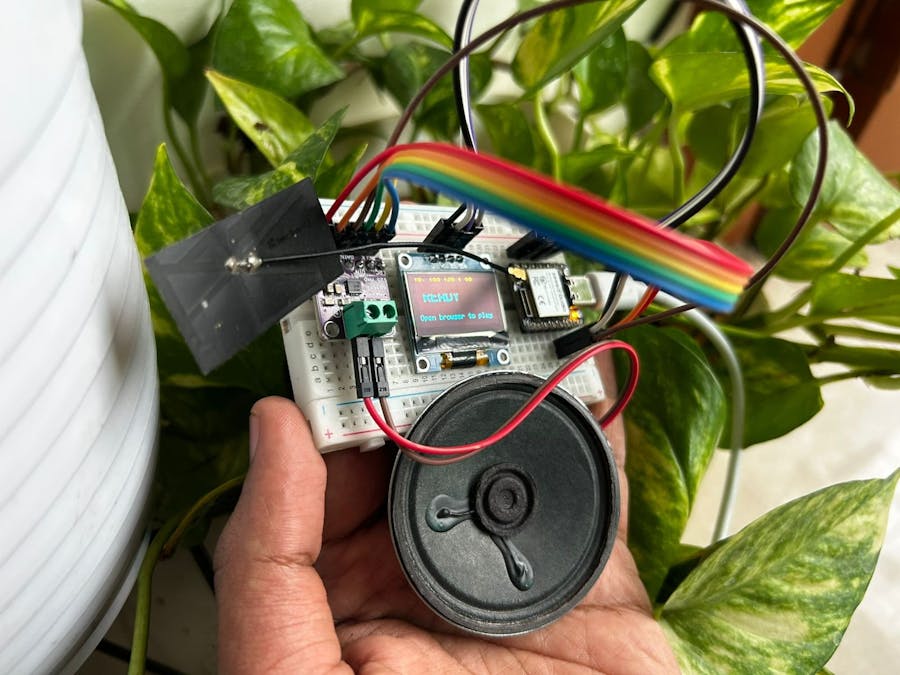
@seeedstudio @pradeeplogu0 I like this kind of breadboard build. It looks playful, but getting the input, sound and OLED feedback to feel connected is the part that makes it interesting.
English
0
0
0
112
Seeed Studio
Seeed Studio@seeedstudio·
🎹 What if any phone or laptop in your house could play a real piano — through a thumb-sized board? @pradeeplogu0 built a WiFi piano on our XIAO ESP32-S3 Sense. It serves a 25-key piano to any browser on your network; the XIAO synthesizes each note over I2S. Plus an auto-play "music box" mode. Check it out on @Hacksterio 👉 tinyurl.com/5n92bz9f
Seeed Studio tweet mediaSeeed Studio tweet mediaSeeed Studio tweet media
English
1
5
41
4.2K
Jon Otero
Jon Otero@JonOteroF·
@Electro_L_I_B What memories, I played Pacmania on the Sinclair Spectrum. Seeing you adapt it to the ATtiny85, already eating dots without bugs, is amazing. Best of luck with the rest of the development 🕹️
English
0
0
2
44
Électro L.I.B
Électro L.I.B@Electro_L_I_B·
🕹️Day 3 of adapting Pacmania on the ATtiny85! We can already eat points and walk through the level without bugs, using 31% of the program space and 63% of the RAM. 😅 #tinyjoypad #attiny85 #pacmania
English
2
7
47
4.2K
Jon Otero
Jon Otero@JonOteroF·
@M5Stack @unitechlab_jp I like this because it does not try to replace the tape measure. It keeps the simple physical tool, but removes the annoying part of transferring the measurement somewhere else.
English
0
0
1
44
M5Stack
M5Stack@M5Stack·
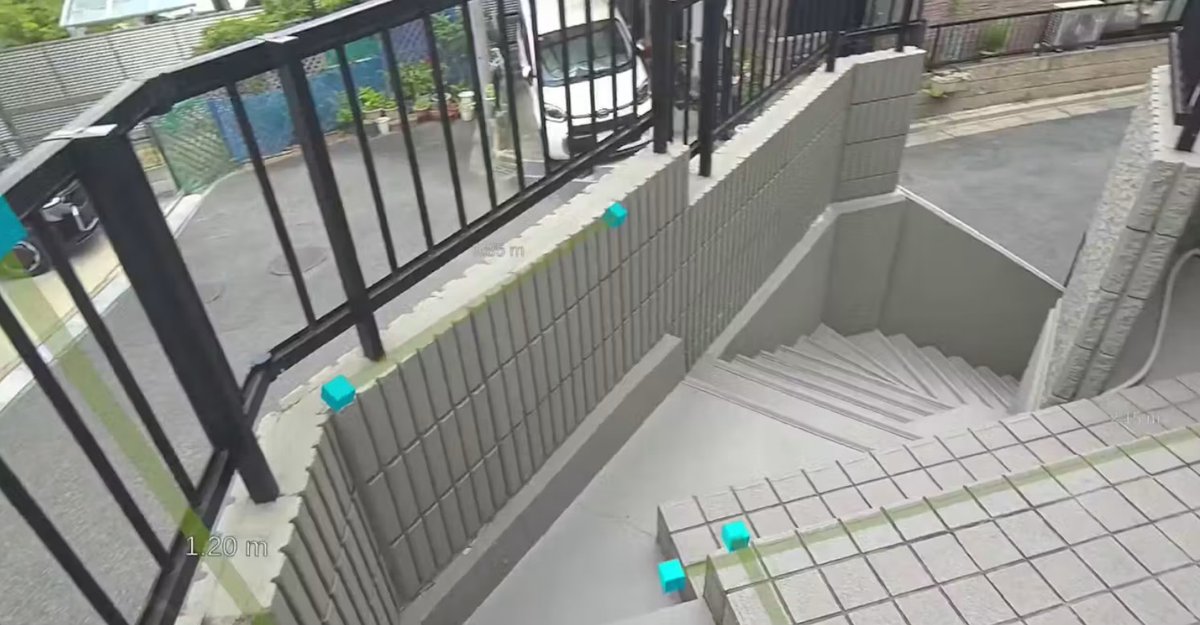
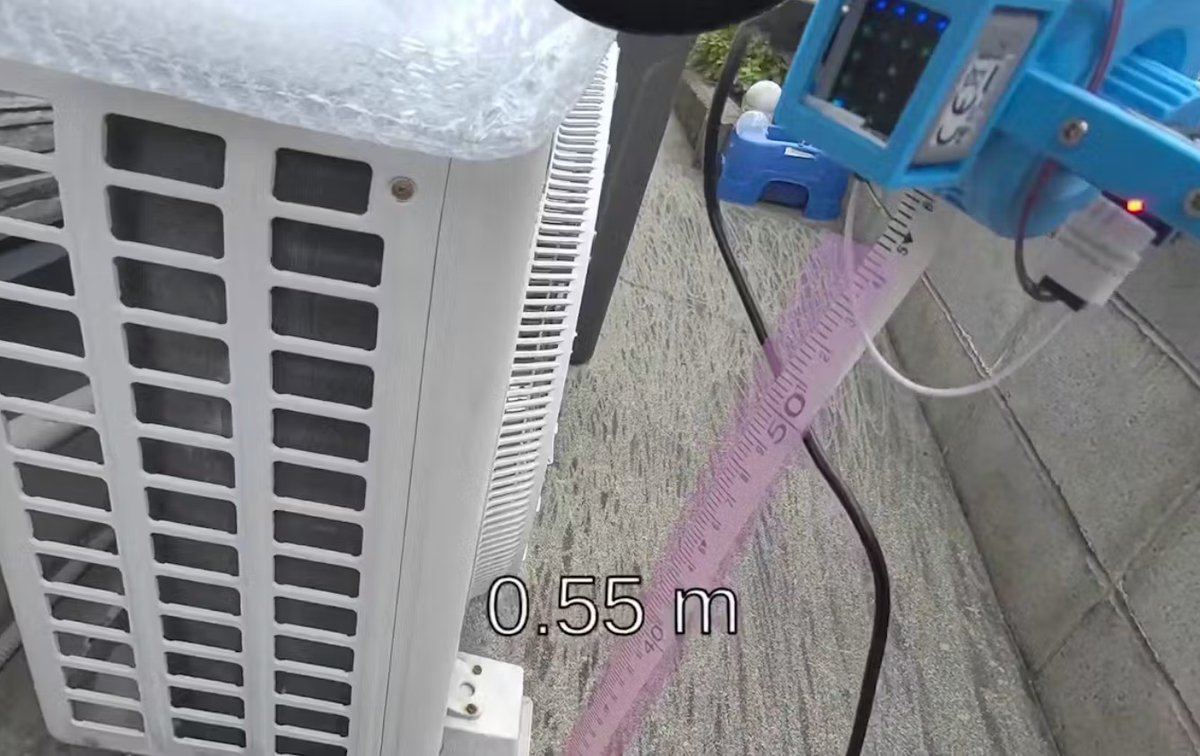
📐 MeasureAR — Real-World Tape Measuring, Now in MR Created by @unitechlab_jp , MeasureAR combines a custom tape-measure device with MR visualization to show the start point, end point, and measured distance in real time, making everyday measuring work faster and more intuitive. 🔹 Powered by #M5Stack #AtomMatrix + encoder + IR sensor 🔹 Sends measurement data via #BLE from the device to the headset 🔹 Visualizes start point, end point, and distance in MR 🔹 A practical approach for measurement tasks where intuitive operation and better real-space alignment matter 👉 Project link: bit.ly/4eUqlfO #M5Stack #M5StackInnovationContest #ESP32 #MR #AR #Unity #PlatformIO #3DPrinting
M5Stack tweet mediaM5Stack tweet mediaM5Stack tweet media
English
2
11
66
6.4K
Jon Otero
Jon Otero@JonOteroF·
@GizanTech4IR Three years on one battery is wild for anything running in harsh conditions. The painful part is usually not deep sleep itself, but all the tiny leaks around it: regulators, sensors and peripherals.
English
0
0
0
9
GizanTech
GizanTech@GizanTech4IR·
Real-world ESP32 battery life for industrial IoT is brutal. We pushed a remote sensor past 3 years operation in harsh conditions on one battery—where 6 months is common. It's obsession over every microamp, not just deep sleep.
GizanTech tweet media
English
2
0
1
19
Jon Otero
Jon Otero@JonOteroF·
@faizuddinmhd I love that idea. By the time you build something big, that wall is going to tell the whole story. You might want to stock up on sticky notes though, this stuff gets addictive.
English
1
0
1
16
Faiz
Faiz@faizuddinmhd·
@JonOteroF I plan to stick them on the wall (if they hold up) and see how many stickies I have by the time I build something big <3
English
1
0
0
20
Faiz
Faiz@faizuddinmhd·
day 0: making an LED blink with an ESP32. what i learned: - ESP32: the brain. most electronics, from your phone to your microwave, run on something like this - LED: electricity in, light out. your phone screen is basically millions of tiny LEDs showing you this tweet - resistor: the safety guy. keeps the esp32 from blasting the LED with too much current - jumper wires: the connectors between parts - breadboard: the test bench. lets you build and tweak circuits without soldering (permanent metal-to-metal connections) what i did: - installed Arduino IDE + the ESP32 boards package - ask your LLM - plugged the ESP32 into the breadboard - wired it up: D26 port → resistor → LED long leg → LED short leg → GND → back to ESP32 GND - pasted the blink sketch (aka program) into the IDE - selected the right board + port, hit upload then: watch it blink 💡
Faiz tweet mediaFaiz tweet mediaFaiz tweet mediaFaiz tweet media
English
3
0
3
156
Jon Otero
Jon Otero@JonOteroF·
@bitstream24 Makes sense for a book. Arduino IDE keeps the setup familiar, so readers can focus on the J1939 stack, CAN messages and hardware behavior instead of fighting the toolchain first.
English
0
0
0
9
bitstream24
bitstream24@bitstream24·
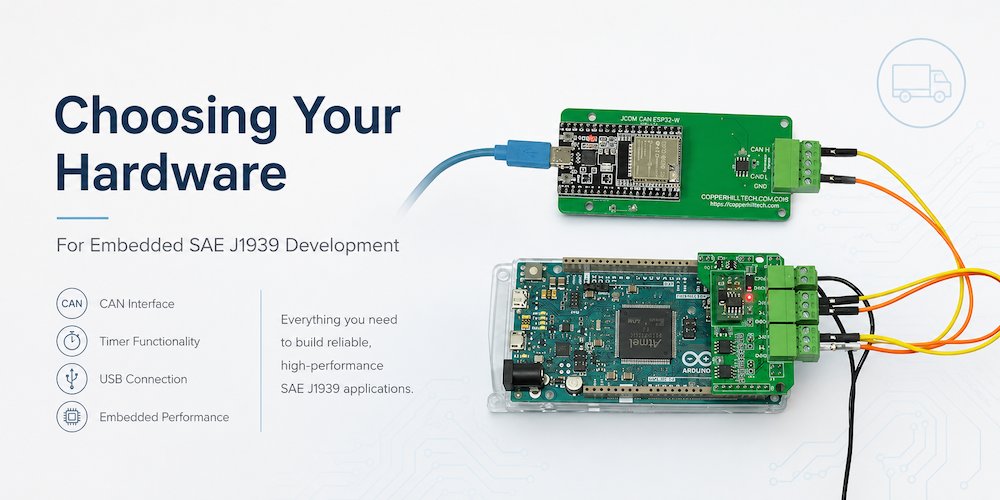
Choosing the right hardware is one of the first decisions every embedded J1939 developer faces. In my latest article, I explain why I standardized on the Arduino IDE for my upcoming book J1939 Development for Embedded Systems—not because it’s the only option, but because it offers the fastest path from learning to building real-world applications. Topics include: • Arduino, ESP32, and Teensy hardware • Why all you really need is CAN, timers, and USB • My thoughts on using Raspberry Pi for J1939 • Why deterministic timing matters Read the full article here: Choosing the Right Hardware for Embedded SAE J1939 Development⁠ #SAEJ1939 #EmbeddedSystems #Arduino #ESP32 #Teensy #CANBus #AutomotiveEngineering #EmbeddedDevelopment #J1939 #IoT
bitstream24 tweet media
English
1
0
1
23
Jon Otero
Jon Otero@JonOteroF·
@KutluhanAktar @Hacksterio @arduino @EdgeImpulse The mechanical side is what stands out to me here. Using two TCRT5000s for positioning instead of steppers with homing is a clever way to keep the rig compact. The audio fall-detection model is a nice touch too. Really love this build.
English
1
0
0
19
Kutluhan Aktar
Kutluhan Aktar@KutluhanAktar·
🦖🔍⚙️📸 As an enduring hobby from my childhood, I have collected a plethora of mini-figurines from different brands, limited editions, categories, and themed production lines over the years. Since I was not able to display all of them due to a lack of available space, I had been mulling over cataloging all of my mini-figurines with extensive detail in the form of a web-based application. Although I am not keen on selling all of my collection, I wanted to enable the application to track eBay and Amazon listings of the target figurines and the adjacent collectibles to get a grasp of the market price and availability of my collection. 1️⃣ Since I did not want to inundate myself with updating listing information manually for each figurine, I decided to employ the @NousResearch #Hermes AI agent to scrape eBay and Amazon listings (with @firecrawl) to conduct extensive market analysis twice every day :) After each analysis, I enabled the Hermes agent to generate a pamphlet (a simple HTML page) for each figurine. 2️⃣ I programmed the web-based mini-figurine cataloger application on @arduino UNO Q via the Arduino App Lab. Since #UNOQ is a compact but extremely powerful development board, I was able to run the Hermes AI agent locally. 3️⃣ Of course, it would not be a worthy mini-figurine cataloger without the feature of automated yet comprehensive figurine photographing :) Thus, I decided to build a rig enabling the App Lab application to capture 360° pictures at varying camera distances automatically. To achieve this automation, I designed a rotary platform swiveling the target mini-figurine and a linear camera slider moving the attached USB camera. The rotary platform is based on a custom worm gear-wheel mechanism, while the camera slider is based on a custom GT2 belt-driven mechanism. 4️⃣ Since I wanted to design a compact rig, I decided to take a different approach to detecting positions and utilized two TCRT5000 infrared (IR) sensor modules. To drive mechanisms, instead of stepper motors, I employed two Pololu micro metal gearmotors due to their small footprint. 5️⃣ To avoid continuing the figurine cataloging procedure once a mini-figurine with an unsteady base falls, I built an @EdgeImpulse audio classification model to detect figurine falls. 6️⃣ To lighten the platform base to emphasize the target figurine details, especially for vintage figurines, I utilized a @seeedstudio WS2813 RGB LED strip. The LED sequence and pixel color can be adjusted manually via buttons or remotely via the RGB color picker wheel presented by the mini-figurine web interface. 7️⃣ As a gimmick, I designed unique magnetic ornaments related to the figurine categories and aesthetic, which can be attached to the rig via the electromagnet :) ➡️ You can inspect the project tutorial on @Hacksterio: hackster.io/kutluhan-aktar… #Agents #design #edgeAI #AIoT #MachineLearning #Robotics #ArduinoUNOQ #artificialintelligence
Kutluhan Aktar tweet mediaKutluhan Aktar tweet mediaKutluhan Aktar tweet mediaKutluhan Aktar tweet media
English
1
3
5
2.7K
Jon Otero
Jon Otero@JonOteroF·
@cnxsoftthai Love that it is open down to the KiCad files and FreeRTOS firmware. The e-ink main screen plus a small OLED for fast-changing info is a really smart split for a pocket device.
English
0
0
0
20
CNX Software - ข่าวไอโอทีและสมองกลฝังตัว
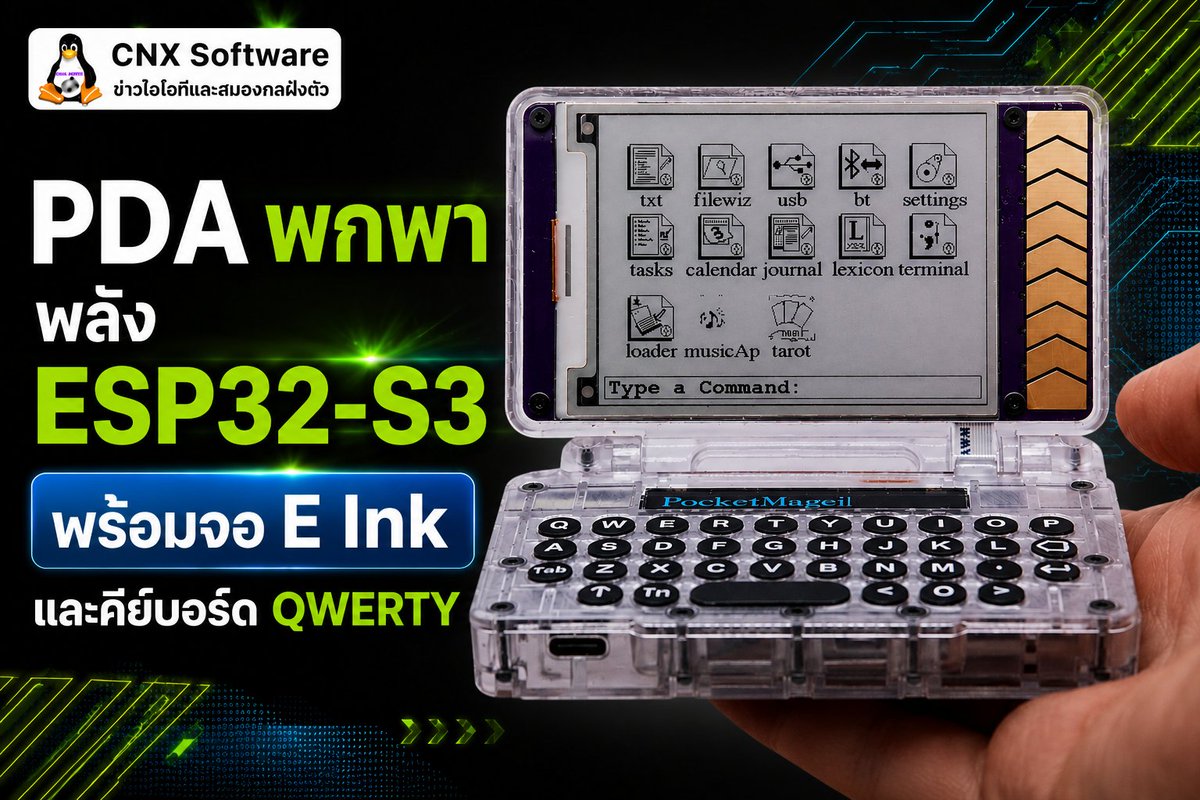
เครื่อง PDA แบบฮาร์ดแวร์โอเพนซอร์ส ที่ใช้ ESP32-S3 th.cnx-software.com/2026/07/07/poc… PocketMage แบบฮาร์ดแวร์โอเพนซอร์ส ที่ใช้ไมโครคอนโทรลเลอร์ ESP32-S3 พร้อมหน้าจอหลัก E Ink ขนาด 3.1 นิ้ว ที่สามารถอ่านได้ชัดเจนแม้อยู่กลางแสงแดด และหน้าจอรอง OLED1.8 นิ้ว รวมถึงแป้นพิมพ์ QWERTY
CNX Software - ข่าวไอโอทีและสมองกลฝังตัว tweet media
ไทย
1
1
2
84
Jon Otero
Jon Otero@JonOteroF·
@seeedstudio This is a really nice build. Getting video with sound, photos and on-device playback working on the XIAO ESP32-S3 Sense is already impressive, and the retro camera form factor makes it even better.
English
0
0
0
23
Seeed Studio
Seeed Studio@seeedstudio·
📸 What if that trendy retro digital camera all over your feed was something you could build yourself? Barkın Sarıkartal built one in 4 months on our XIAO ESP32-S3 Sense + a 2" TFT display. It records video with sound, shoots HD photos, and plays them back on-device — with a full menu, gallery + time-lapse. Watch the build 👉 tinyurl.com/3udh3hrx
Seeed Studio tweet media
English
1
1
21
1.9K
Jon Otero
Jon Otero@JonOteroF·
@lilygo9 The white version looks really nice, love it.
English
0
0
2
67
LILYGO
LILYGO@lilygo9·
The white version of the T-lorapager is currently on the production line awaiting warehousing.
English
8
13
159
12.8K
Jon Otero
Jon Otero@JonOteroF·
@dumciusP This is a cool ESP32 audio build. Getting a synth to feel responsive with rotary encoder control is exactly the kind of detail that makes it interesting.
English
0
0
0
15
Povilas Dumcius
Povilas Dumcius@dumciusP·
Synthesizer using an ESP32 dev board, max audio amp and a rotary encoder
English
1
0
5
115
Jon Otero
Jon Otero@JonOteroF·
@summerrexe @XRobotsUK The little OLED face makes such a difference. Once it starts walking, it feels much more like a tiny character than just a robot build.
English
0
0
0
7
Jon Otero
Jon Otero@JonOteroF·
@shantanugoel ESP32 running Rust, a local Qwen model, OLED and a dichroic cube is such a great mix. The Pepper's ghost trick really makes it feel alive on the desk.
English
0
0
0
27
Shantanu Goel
Shantanu Goel@shantanugoel·
I made Shin Chan's Shiro into my own tiny AI pet, that lives in a hologram on my desk, his brain controlled by a completely local Qwen 3.5 LLM. Powered by an ESP32 running rust, a small OLED, a dichroic cube and a little optical magic.
English
13
12
183
8.4K