

Joseph Orzano
1.1K posts

Joseph Orzano
@JosephOrzano
We are such stuff that stars are made of.
Italia Katılım Ocak 2023
943 Takip Edilen212 Takipçiler

What if Iran carries out its threats?
Undersea cables and gulf infrastructure damaged in global chaos
During the first phase of the war, Iran made it clear that if its infrastructure were destroyed, it would respond by targeting infrastructure in Gulf countries and cutting undersea cables that cross the Strait of Hormuz. These threats have been repeated in recent days.
The Strait of Hormuz is a critical corridor, not only for oil and gas exports but also for undersea cables connecting Europe, Asia, and Africa.
A coordinated attack or prolonged disruption in the region would generate significant impacts on connectivity, digital services, finance, and energy, creating major setbacks for these sectors. The global internet would reroute traffic automatically, but with higher latency and severe congestion.
Combined with physical attacks on petrochemical, metallurgical, and energy infrastructure, plus strikes on desalination plants, this scenario could trigger a serious economic, energetic and humanitarian crisis.
Countries like Kuwait, Bahrain, and Qatar depend on desalination for over 90% of their drinking water. In the UAE this figure reaches up to 80% in some areas, and over 50% in parts of Saudi Arabia. Attacks on these plants would quickly create drinking water shortages in major cities such as Dubai, Abu Dhabi, and Doha.
Stockpiles would last only days or weeks, raising the real risk of mass evacuations and a major humanitarian emergency. Iran has stepped up mentions of these cables because it knows the magnitude of the problem this would cause.
About 5 to 7 major cables pass through or near the Strait of Hormuz, mainly routed through Omani waters. They carry over 90-95% of the international internet traffic for Gulf countries (UAE, Qatar, Bahrain, Saudi Arabia) and support trillions of dollars in daily global financial transactions.
If these cables are severed, traffic would be rerouted via the Cape of Good Hope or land routes through Central Asia. This would increase latency and reduce effective capacity by 30-50% during peak hours.
Real-time services, banking transfers, stock trading, and cloud applications, would become significantly slower or unstable. Repairs would be slow: although there are 60-80 specialized ships worldwide, in a conflict zone the process could take weeks or months due to security restrictions.
In recent years, the Gulf has become an important cloud and AI hub with billions in investments. Attacks would primarily hit services across the Middle East, Africa, and Asia, with ripple effects on globally distributed operations.
Full article:
open.substack.com/pub/global21/p…

English
English


@stats_feed Older people who play golf and are more at risk of neurodegenerative disease choose to live near a golf course.
English
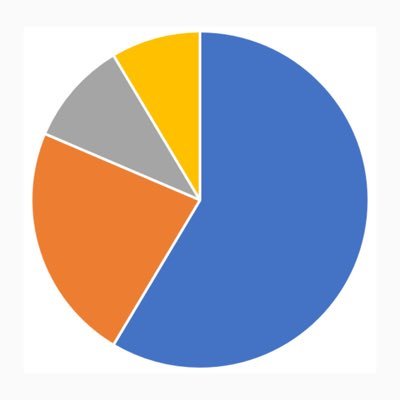
People living within a mile of a golf course had more than twice the odds of Parkinson’s disease. The risk remained higher for people living up to three miles away but fades after that. Pesticides, including neurotoxins, used to keep fairways and greens well groomed, have been linked to Parkinson's.
(Barrow Neurological Institute)
English
@ARIKAHENRY A series of executive orders and proposals for legislation aimed at reducing the deficit by at least 1/2 to under $1trn
English

If you were suddenly president, king, or emperor what would be your first executive order or decree?
English

Which issue do you think gets blamed on genetics too often?
Dr. Eric Berg, DC, not MD; information only
English
@helpyouhealnow For every abuser there may be more than one enabler.
English





@Rachelle_Hulme @m_jones_1797 @Addyspectre1 @dommedebbiexx Are you kidding me, Rachey?! I thought you were 19!
English

Balloons and nieces 18th birthday decorations are up 🎈

English

Tell me you’re a chess player without telling me you’re a chess player:

English

“And on that cheek, and o’er that brow,
So soft, so calm, yet eloquent,
The smiles that win, the tints that glow,
But tell of days in goodness spent,
A mind at peace with all below,
A heart whose love is innocent!”

English
English


English

English

Good morning girls and boys. I rather like the contemplative look in these portraits, it’s very much me, but not everyone agrees.

English

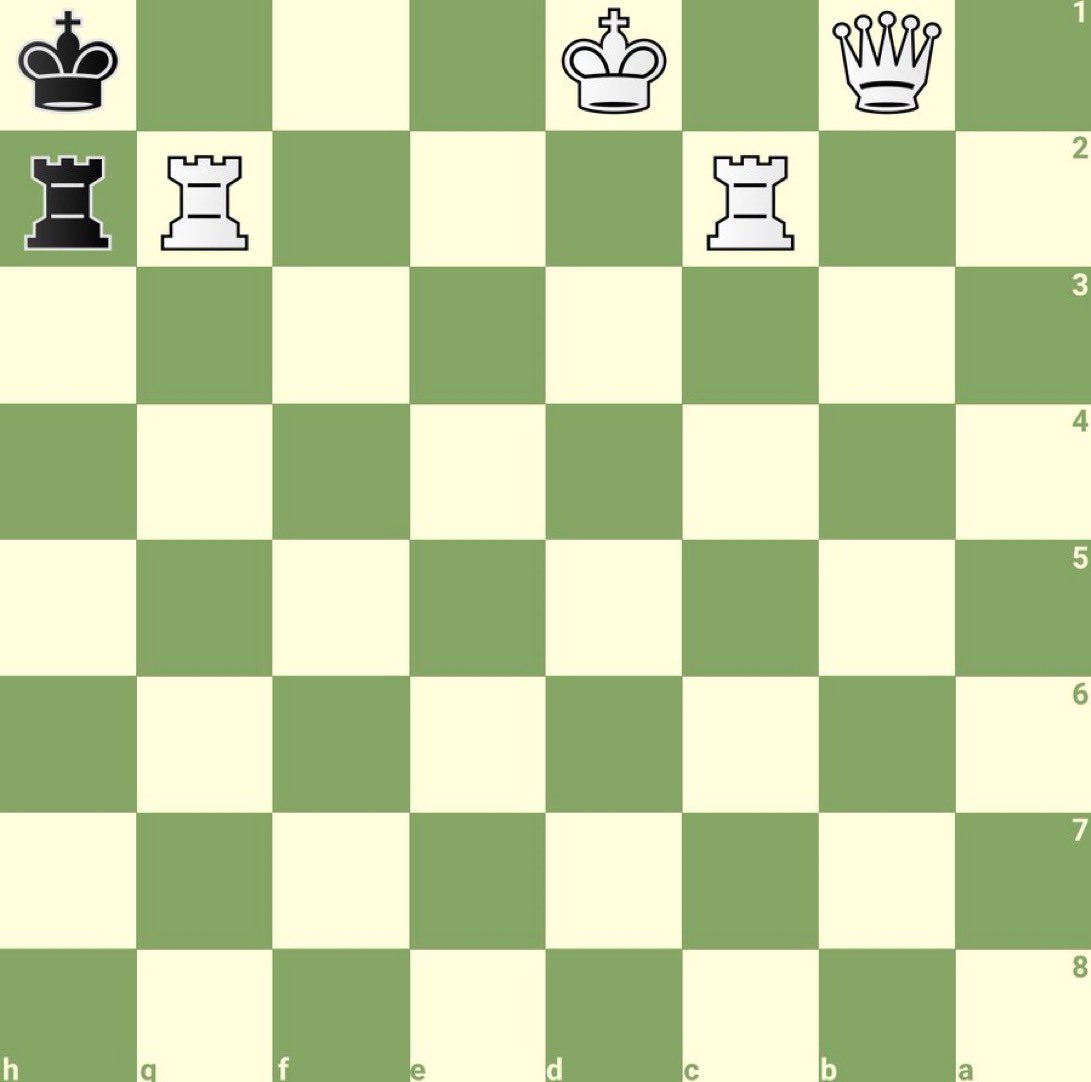
@HaussernotC c1 promote to N#. Hopefully I wasn’t distracted by the queen.
English



@stats_feed Because of austerity not modern monetary theory. The US should study Greece and copy. Debt reduction is the only way to maintain the Dollar as the world’s reserve currency. For starters the US should reduce its $2trn annual deficit by at least half.
English
🇬🇷 Greece leads Eurozone in fastest debt reduction.
Greece’s debt-to-GDP ratio has fallen from 209.4% in 2020 to 146.1% in 2025, a decline of more than 63 percentage points within five years.
English