Rashtram School of Public Leadership, RU@rashtramspl
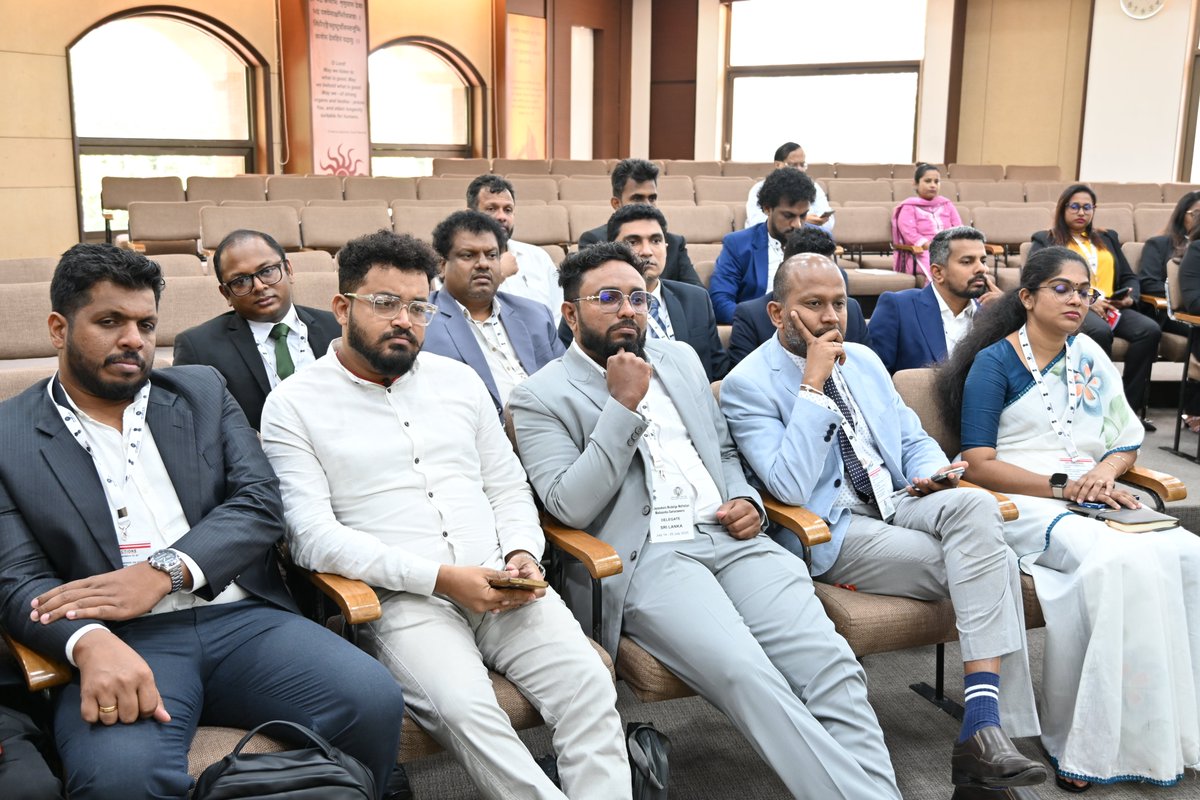
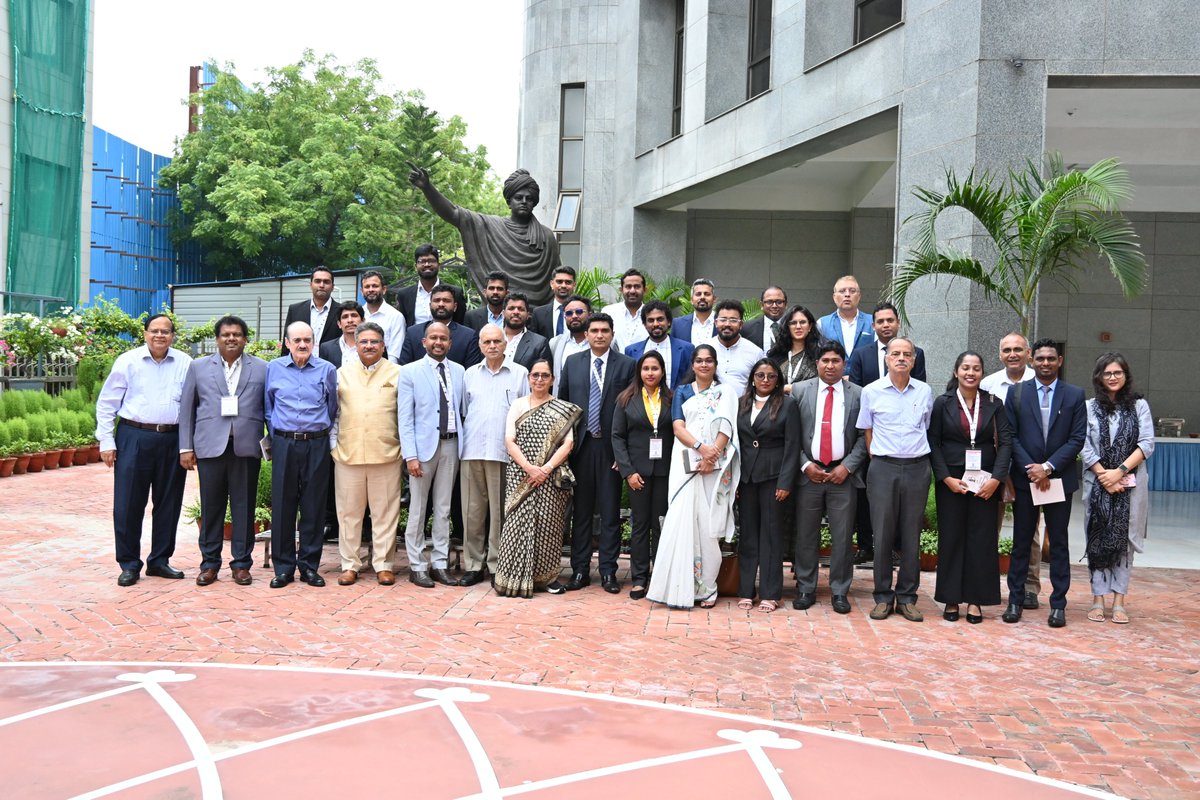
Dr. @RajivKumar1 , President of @PahleIndia and former Vice Chairman of @NITIAayog , delivered a comprehensive lecture on the nuances of public policy in India in PBC' 25. He began by asserting that public policy is not solely a government domain; it involves and impacts every citizen, making public feedback and participation vital.
Highlighting feedback channels like social media, Dr. Kumar emphasized the importance of citizen engagement in both the formulation and implementation of policies.
He then addressed the environmental consequences of poor policy decisions, citing the drying of the Aral Sea and Bangladesh's reliance on imported stones amidst rising sea levels and receding glaciers. He noted that no country in human history has succeeded in increasing per capita income while decreasing its carbon footprint, underlining the urgency of environmental integration into policymaking.
In India, with 78% of energy generated from coal, the challenges of equitable distribution, environmental sustainability, and upliftment of the marginalized (antodaya) remain pressing.
Dr. Kumar stressed that policy must be regionally tailored, asking whether Bihar, Jharkhand, and Tamil Nadu can be governed by the same policies. He advocated for public policy formulation at the sub-national level, where feedback and accountability are often still insufficient. All stakeholders, he argued, must be brought together to ensure effective and inclusive policymaking.
On governance, he encouraged participants to engage with district-level officials to understand the structure and functioning of the government. He urged a rethinking of governance models to make them more accountable and environmentally sustainable, mentioning the need to increase soil carbon content to improve grain productivity.
He also emphasized the crucial role of the private sector in achieving national prosperity, stating that the government's role should be supportive, enabling private enterprise to drive growth. This shift, he said, is necessary for India to compete with developed economies at the district level, comparing Indian districts to regions in countries like the U.S., China, France, and Germany.
#PolicyBootCamp25 #ViksitBharat #PublicPolicy #CitizenDrivenIndia