

Hon Judith Collins KC
21.4K posts

Hon Judith Collins KC
@JudithCollinsKC
New Zealand Katılım Ağustos 2012
2.6K Takip Edilen44.4K Takipçiler

I’m feeling it’s our year @NZWarriors . Wonderful win.
English

@JudithCollinsKC 24 years of incredible parliamentary service to New Zealand comes to a close at midnight, it’s been a privilege to work with her in this role for some of those years.
All the best in your new role!

English
@farshavskaya Thank you Fia. I am so proud of the progress of you and Max.
English

@JudithCollinsKC Thank you honourable @JudithCollinsKC for all your hard work! And congratulations on your well deserved retirement ❤️
English
I’ve just left our New Zealand Parliament for the last time as a Member of Parliament. It’s been a great innings.
GIF
English

Shane Jones on Judith Collins:
"It's been pretty good working with her. Her and I are of a similar vintage, and I just think she's gonna do a really good job, whatever she turns her mind to, and I look forward to guzzling wine at her cost tonight."
English
@ChiefAusArmy So sad. My thoughts are with our Australian mates.
English


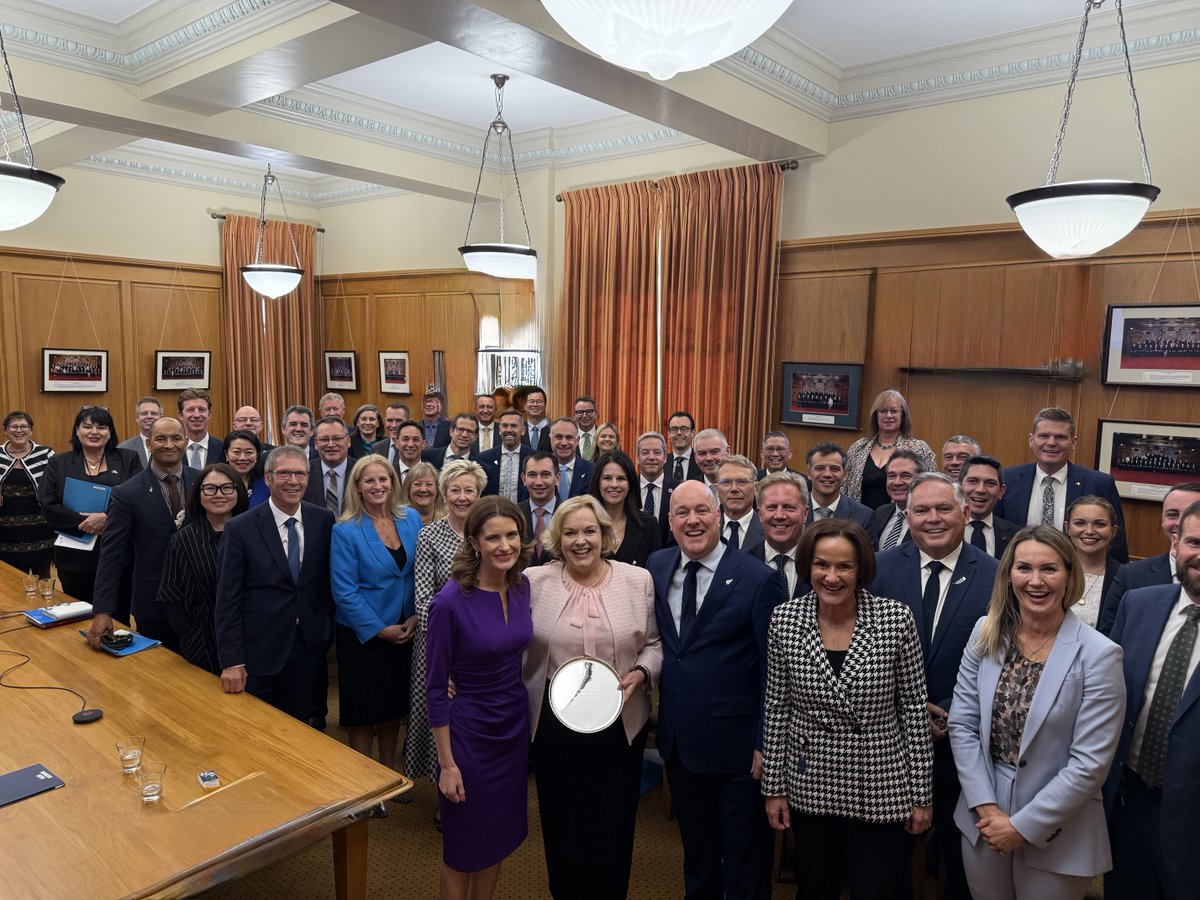
I have delivered my resignation letter to Mr Speaker @GerryBrownleeMP . Gerry and I have worked to for 24 years together.
#Valedictory

English

@JudithCollinsKC Hope it involves some quotable lines that we'll be pulling out for years to come.
GIF
English
Next week will be my last in Parliament as the Member for Papakura and it will be marked by my Valedictory Speech which I will give in the House on Tuesday 12th May at 5.30pm. It will be live on Parliament TV Freeview 31 or Sky 86 or you can watch live streaming of Parliament on videos.parliament.nz. You can also follow the day's events by radio.
English
Hon Judith Collins KC retweetledi

STORY📰 Safe passage of merchant shipping and freedom of navigation is more relevant today than at any time since the Second World War, says New Zealand Defence Force Maritime Component Commander, Commodore Shane Arndell. nzdf.mil.nz/media-centre/n…
English
Hon Judith Collins KC retweetledi

Elizabeth Marsh was an Englishwoman born in 1735 who endured one of the most harrowing ordeals of the 18th century.
In the summer of 1756, she boarded a ship at Gibraltar intending to return to England and reunite with her fiancé.
Her vessel was intercepted by a Moroccan corsair and taken to Salé, where she and her fellow captives were escorted to Marrakech.
There, she was brought before Prince Sidi Mohammed and pressured to become his concubine, tricked into renouncing her Christian faith, and nearly broken into submission.
To protect herself, Marsh disguised herself as the wife of a London merchant named James Crisp, a calculated deception designed to shield her from further harm.
After four months in captivity, and amid renewed peace talks between Britain and Morocco, she was finally released and returned home.
Back in England, Marsh faced a different kind of ordeal as society questioned whether she had maintained her virtue during her time with the sultan.
More than a decade later, she published The Female Captive, the first Barbary captivity narrative written in English by a woman.
She later married James Crisp, the very man she had pretended to be wed to, and the couple had two children together.
Scholars have since noted that Marsh displayed symptoms consistent with post-traumatic stress disorder throughout her life following her captivity.
Elizabeth Marsh's story left a lasting mark on both literature and the understanding of women's resilience in extreme circumstances. Her published narrative became one of the most widely read female captivity accounts of the era, helping to establish a broader genre of women's captivity literature that challenged the dominant male perspective on slavery and survival. Her account forced readers to confront the gendered double standard applied to captive women, who were judged for their perceived moral failings rather than celebrated for their endurance. Marsh's use of manipulation as a survival strategy, while criticized in her time, is now studied as evidence of female agency within deeply oppressive systems. Her story also contributed to growing historical conversations about the Barbary slave trade, the treatment of European captives in North Africa, and the intersection of gender, power, and cultural identity in the 18th century.
#archaeohistories

English
Hon Judith Collins KC retweetledi

Today, we mark a historic milestone in the relationship between India and New Zealand: the signing of our Free Trade Agreement.
It was only 13 months ago that I travelled to India to meet with Prime Minister Modi and launch Free Trade Agreement negotiations. India is one of the world’s largest and fastest-growing economies, but our trade relationship has only begun to scratch the surface of its potential. Prime Minister Modi and I could see that an FTA would be a massive opportunity for both our two countries.
Since my visit last March, Ministers Piyush Goyal and Todd McClay, and their officials, have worked tirelessly to negotiate a deal. The outcome of that hard work is a deal that delivers for India and for New Zealand. My congratulations to Minister Goyal, Minister McClay and all the negotiators who made this possible.
For New Zealand, this FTA opens the door to one of the world’s most dynamic markets and creates unprecedented opportunities to trade, invest, innovate and connect. This deal will help diversify New Zealand’s export markets, support the goal of doubling the value of our exports over 10 years, and put New Zealand exporters on a more level playing field with competitors already enjoying preferential access in India.
For India, this deal means growth, innovation and new opportunities. It gives Indian exporters tariff-free access to the New Zealand market from day one, and it gives Indian consumers improved access to our high-quality exports. It creates new ways for India to partner with New Zealand on agricultural productivity and benefit from New Zealand’s world-leading agri-tech and food-production expertise.
This agreement matters not just because of what it does economically, but because of what it says strategically. At a time of global uncertainty, this FTA is a clear commitment by both sides to stable, predictable, and rules-based trade.
And the India-New Zealand story is about more than trade. New Zealand and India are building a relationship that is bigger, deeper and more exciting every year – across trade, investment, defence, sport, and innovation.
New Zealand’s vibrant Indian diaspora is central to the strong relationship between our two countries. In Prime Minister Modi’s words, the diaspora is a “living bridge” between New Zealand and India. The contribution of the Indian community to New Zealand is immense: in business, in science, in education, in health, in the arts, in sport, and in communities right across the country.
While today is a big milestone, it is also just the beginning. We are excited about the next chapter in India-New Zealand relations.
English
Hon Judith Collins KC retweetledi

#NZIndiaFTA
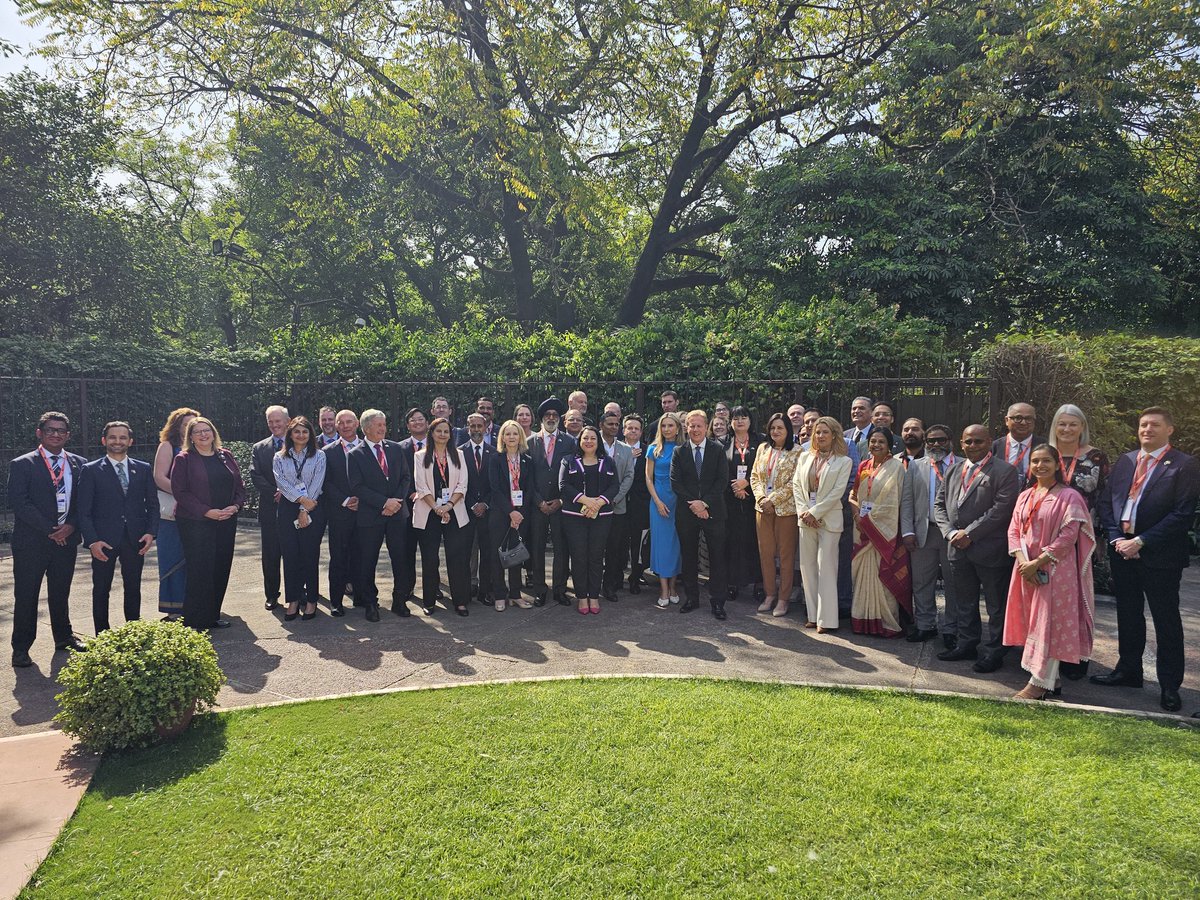
Dawn of a new day. All set for the signing of the FTA.
@chrisluxonmp @toddmcclaymp @EdwinPaul @bakshiks @nzindmgt @DamienOConnorMP @vanushi_walters @BhavDhillonnz @SameerHandaNZ @MuanpuiiSaiawi @NZinIndia @IndiainNZ @GMortonNZ

English
@Paul25322225607 Hello Paul. I did not. Is that a threat you are making?
English

@JudithCollinsKC Hey did you get a vaccine exemption? If so shut the fuck up and get ready for some real justice!
English
People ask me what I will miss when I leave politics soon. I will miss the people. I will, however, not miss this…😊

English
This is absolutely beautiful.
NZ Defence Force@NZDefenceForce
STORY📰 In Shrapnel Valley Cemetery, there is a headstone for a soldier killed in battle. Below the name and the date of his death, is a simple inscription that brought home to our Defence Force contingent in Gallipoli for #AnzacDay commemorations. nzdf.mil.nz/media-centre/n…
English
Well worth listening to the broadcast iheart.com/podcast/1049-d…
Gavin Mortimer@PhoneyMajor
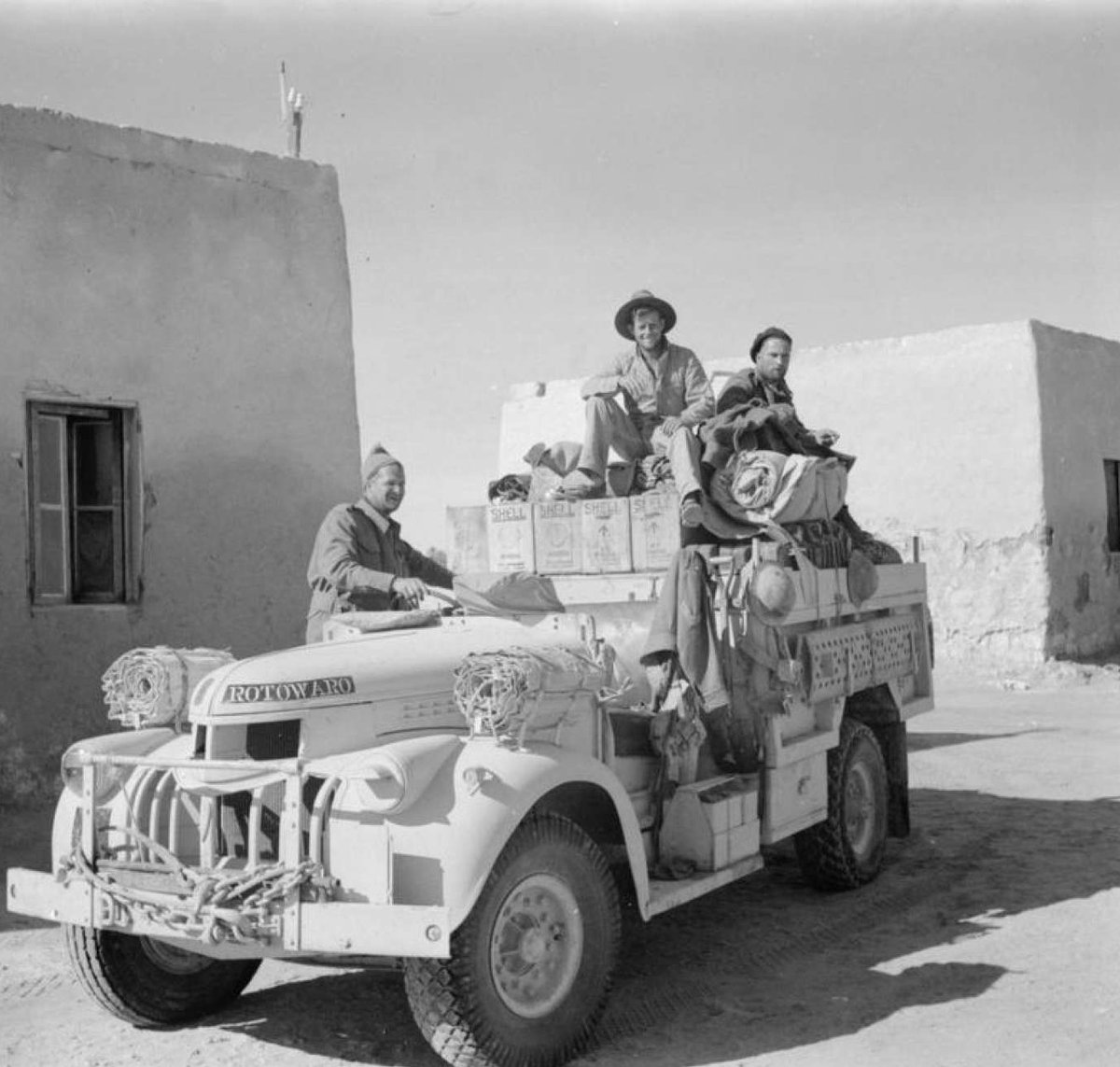
1/4 On Anzac Day, a tribute to the New Zealanders who were the Original Long Range Desert Group. Captain Bill Kennedy Shaw said "much of the early & continued success of L.R.D.G. was due to the speed and thoroughness with which the New Zealanders learned desert work and life".
English
Hon Judith Collins KC retweetledi

4/4
The trick, explained Shaw, was to prove to the Kiwis "that you knew as much or even a little more than they did about doing it".
In which case the NZ patrol would admit the Pom officer was "not such a bad sort of bastard after all".
Happy Anzac Day
English
Hon Judith Collins KC retweetledi
3/
"Occasionally," said Shaw, "it fell to a British officer to command a NZ patrol. Knowing the conventional opinion held by New Zealanders of the average Englishman this was a task approached with some misgivings."
English