
Julio Pontet Ubal retweetledi

Got a fascinating message about healthcare in...
🇺🇾 URUGUAY 🇺🇾
"I'll start with the structural stuff: Uruguay has a mixed, integrated system called the National Integrated Health System (SNIS). It's not a disconnected scenario of "poor public health" on one side and "rich private health" on the other. It works through a common pool fund (FONASA) funded by workers, employers, and the State. The logic is universal coverage: practically the entire population is in the system.
What does this mean in practice?
A formal worker contributes a percentage of their salary and gets access to a private, non-profit provider (called a mutualista) with comprehensive coverage: consultations, hospitalization, surgeries, ICU, mental health, maternity—everything. And if someone lacks resources, the State covers them through the public provider (ASSE). Coverage doesn't depend on going bankrupt paying for insurance; it's a solidarity-based scheme.
But the real crown jewel is the National Resources Fund (FNR). If you need a complex transplant or extremely high-cost oncology medication, the State covers it. That kind of stability is incredibly rare in Latin America.
Just to show you these are hard facts, not just a narrative:
-> Doctor density: We have about 5 doctors per 1,000 inhabitants nationwide (in Montevideo, it's over 7). For context, the OECD average for first-world countries is 3.5.
-> Total infrastructure: You have to scale this to a country of just 3.4 million people. For that population, the public network (ASSE) alone has over 40 hospitals and around 900 local and rural clinics. That’s a massive per-capita density that literally covers every single corner of the territory.
-> Infant mortality: At historic lows (around 5 per 1,000), which are European country numbers.
-> Life expectancy: Almost 78 years, top of the region.
-> Electronic medical records: Nationwide and 100% interoperable.
And I'll move to something rarely mentioned: real innovation.
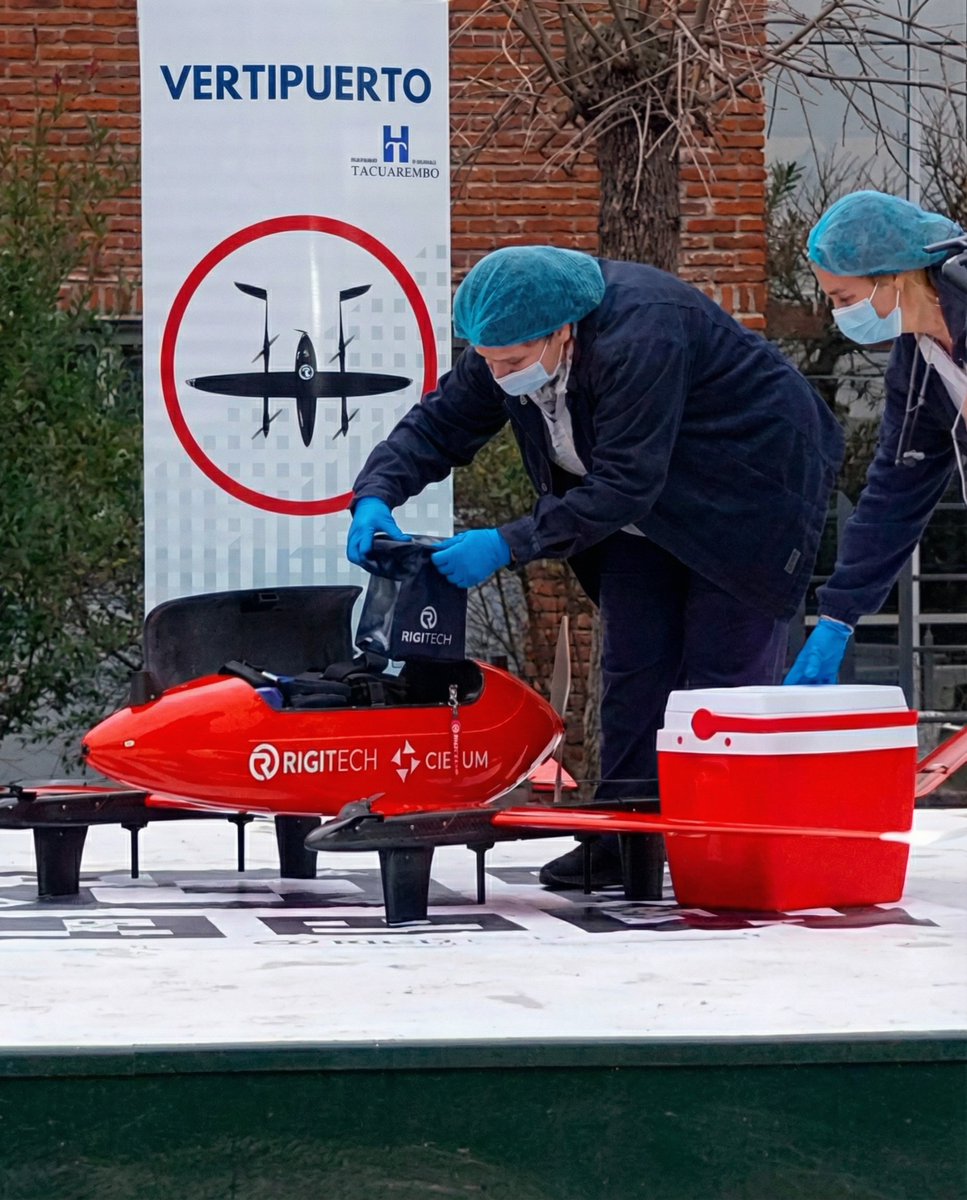
To give you an example that makes sense from the outside: in rural areas of the interior, the public hospital set up a drone network for the rapid transport of breast milk, biological samples, and meds. A massive logistical leap to ensure equity.
Plus, Uruguay has been developing:
-> Telemedicine formally integrated into the system, not just as a quick fix.
-> Total digitization of prescriptions and medical tests.
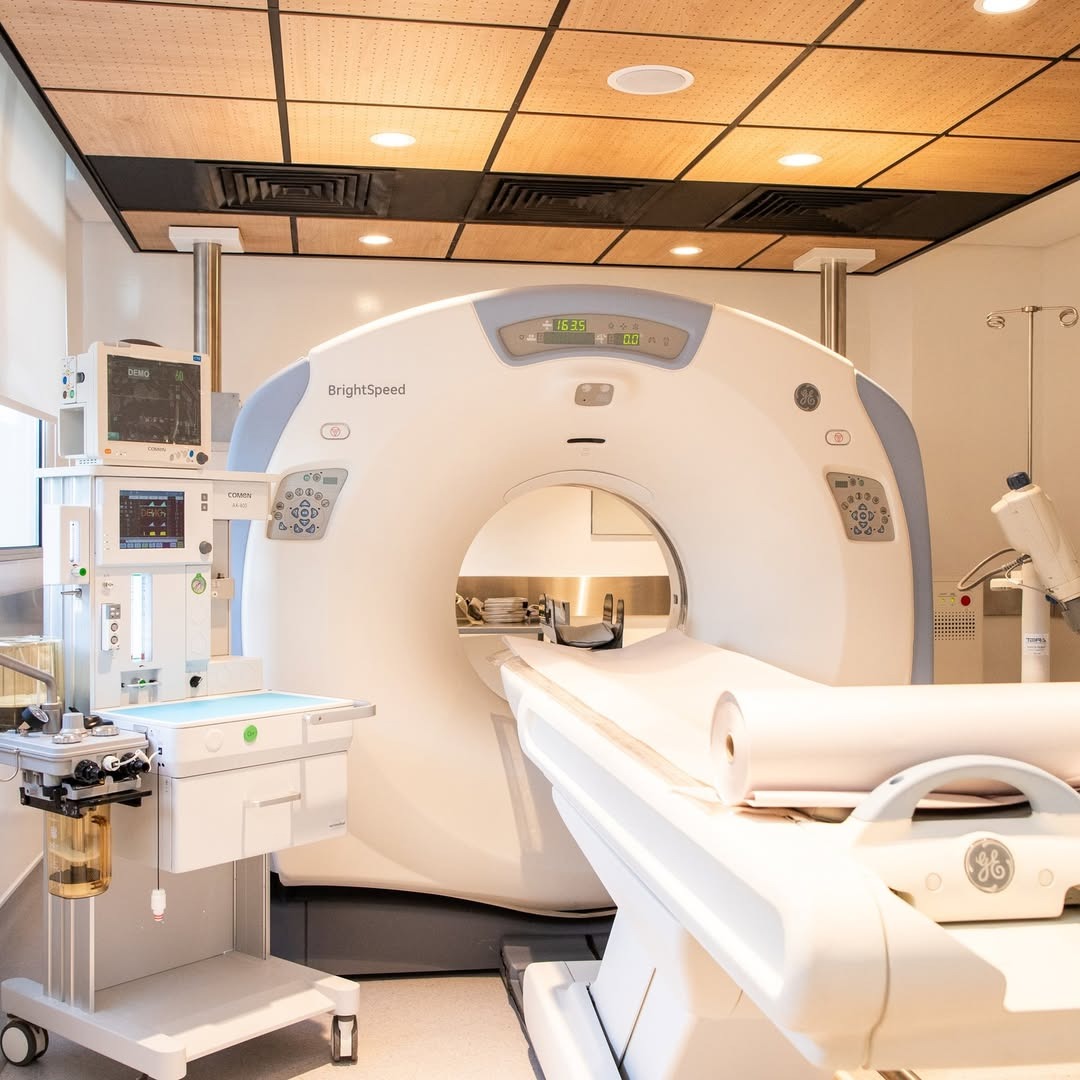
-> Oncology centers with next-gen radiotherapy equipment.
Now, if we talk about the elite sector, the picture is even more interesting...
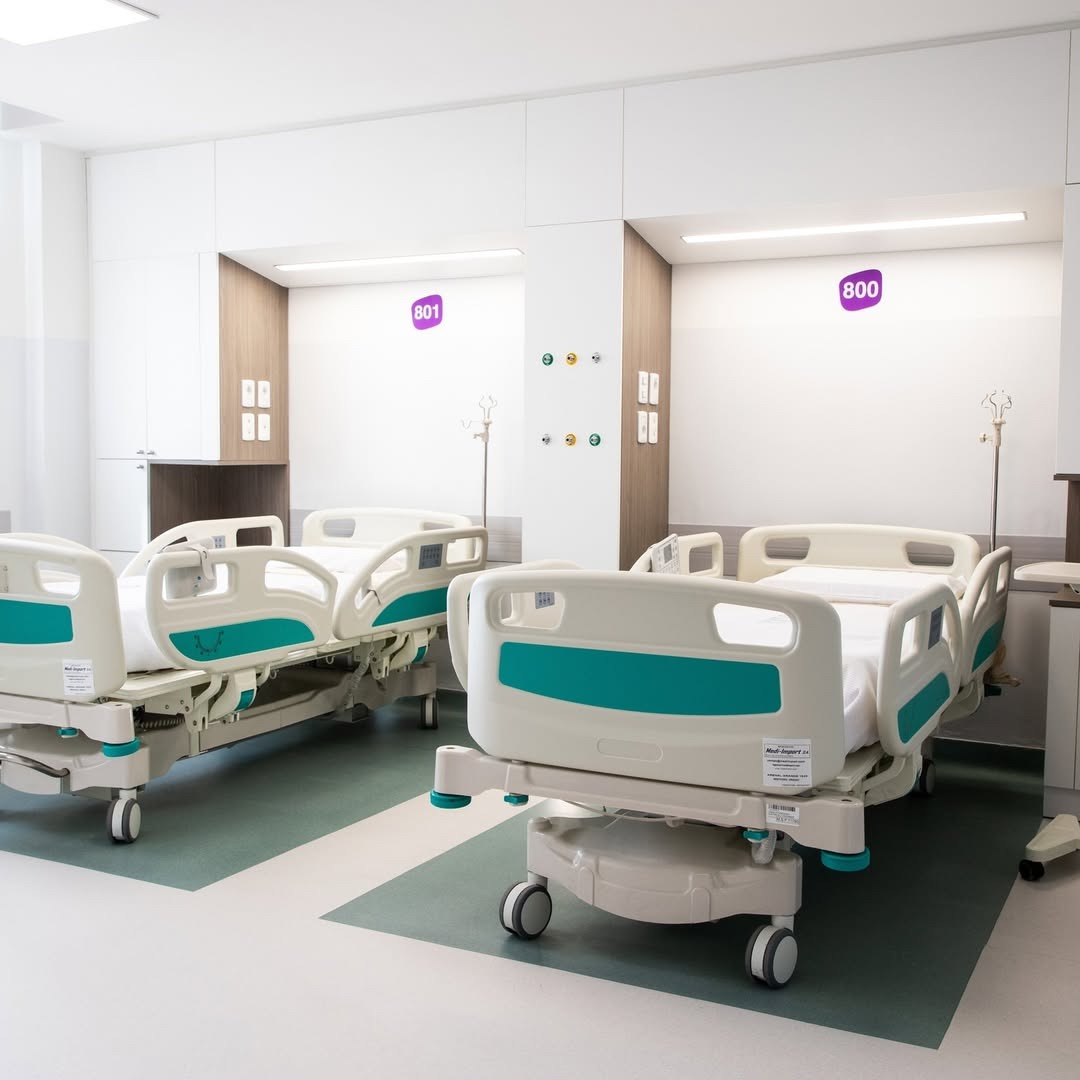
In Montevideo and Punta del Este, there are top-tier private institutions with modern infrastructure, premium medical hospitality, robotic surgery, and specific services for international patients. The Punta del Este area has been capturing a lot of investment to position itself as a regional hub for premium services. It’s not just beaches; it’s targeting an international, high-purchasing-power audience.
What sets Uruguay apart here isn't just the luxury, but the combination:
You can have a solid, universal, and stable public system, while simultaneously having a highly competitive premium medical segment at a regional level."

English