
Dr. Michael W. Jung
270 posts

Dr. Michael W. Jung
@Jungexpress
History of scientific diving, diving technology, ocean exploration, deep sea diving. Sub-oceanic history. Author, bookreviewer, lecturer. ICHO member
Merzig, Germany Katılım Eylül 2009
815 Takip Edilen136 Takipçiler

Miniatur Wunderland in Germany spent 11 years building a $5 million slotless magnetic track where tiny cars race like Formula 1
English

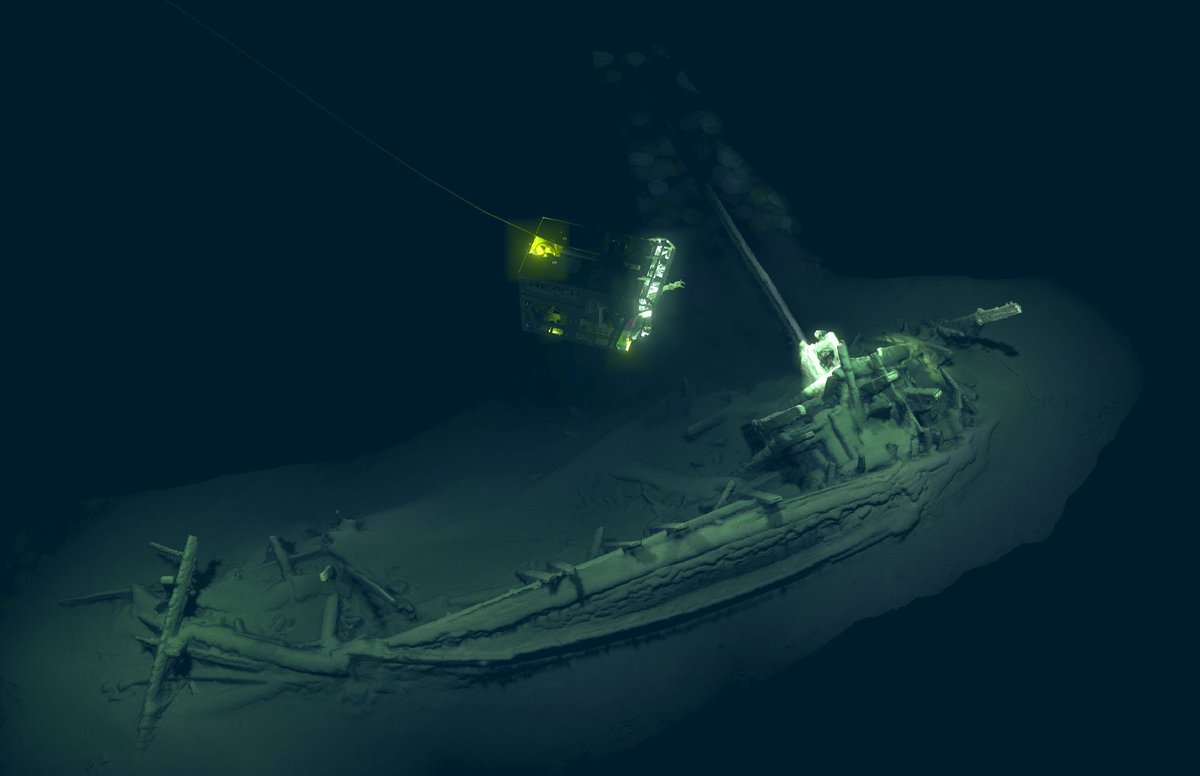
The Black Sea, off the coast of Bulgaria, has yielded one of the most extraordinary archaeological discoveries in human history: a 2,400 year-old ancient Greek trading vessel resting intact on the seafloor.
Dated to approximately 400 BC, the ship lies at a depth of over 2,000 meters, making it the oldest known intact shipwreck ever discovered.
The remarkable preservation of the vessel is owed entirely to the unique anoxic conditions of the Black Sea, where water below approximately 150 meters contains virtually no oxygen.
Without oxygen, the wood-devouring marine organisms that typically destroy submerged ships cannot survive, leaving the wreck in a near-perfect state after two and a half millennia.
The ship stretches approximately 23 meters in length and retains an astonishing array of original features, including its mast still standing upright, quarter rudders positioned at the stern, rowing benches, and even coiled ropes.
Historians had previously only seen vessels of this design depicted on ancient Greek pottery, making the physical discovery all the more remarkable.
The wreck bears a striking resemblance to the ship illustrated on the famous Siren Vase, held in the British Museum and dated to around 480 B.C., which shows the hero Odysseus bound to his mast as his ship passes the Sirens.
Professor Jon Adams, the principal investigator on the project, stated that the find would fundamentally change the understanding of shipbuilding and seafaring in the ancient world.
The discovery was made as part of the Black Sea Maritime Archaeology Project, a three-year international scientific mission primarily focused on studying ancient sea level changes since the last Ice Age.
Using remotely operated vehicles equipped with high-resolution cameras and laser scanning technology, the team surveyed more than 2,000 square kilometers of seabed.
That survey uncovered over 60 shipwrecks in total, spanning roughly 2,500 years of maritime history, including Roman trading vessels still carrying amphorae and an Ottoman-era warship.
A small timber sample was carefully removed from the Greek vessel for radiocarbon dating to confirm its age, but the wreck itself has been left completely undisturbed on the seafloor.
The decision to leave the ship in place reflects a commitment to responsible archaeology and ensures that future generations, with potentially even more advanced technology, will be able to study it further.
The discovery of this 2,400-year-old Greek trading vessel carries profound implications for the fields of archaeology, maritime history, and our broader understanding of the ancient world. It provides the first opportunity for researchers to physically examine a ship of this type in three dimensions, rather than relying solely on artistic depictions from pottery and vases, which will allow scholars to test and revise long-held theories about ancient Greek shipbuilding techniques, construction methods, and seafaring capabilities. The broader Black Sea Maritime Archaeology Project has simultaneously demonstrated that the region holds an extraordinary archive of preserved wrecks spanning multiple civilizations, suggesting the Black Sea may become one of the most important underwater archaeological sites on the planet. The use of remotely operated vehicles and laser scanning technology also signals a new era in deep-sea archaeology, in which advanced tools allow researchers to document and study wrecks at extreme depths without causing damage, setting a precedent for how future underwater discoveries will be approached and preserved.
#archaeohistories
English
@histories_arch @archeohistories Awesome project. I eagerly await learning more about this.
English
Dr. Michael W. Jung retweetledi

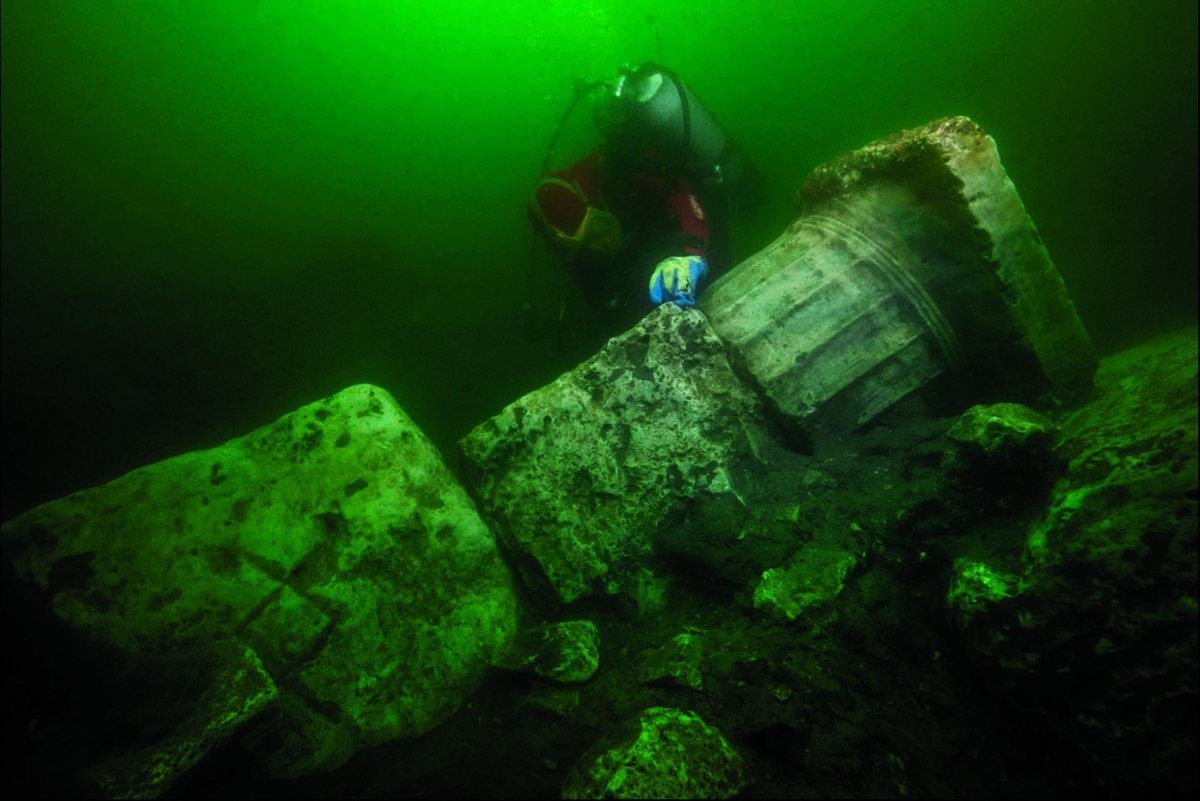
Underwater Archeological Excavations of the Famed Lighthouse at Alexandria are underway.
Archaeologists have successfully recovered 22 massive stone blocks from the seabed of Alexandria’s Eastern Harbor
See the exclusive images below.
English
Yes. An outcome of the research for diving suits.
Massimo@Rainmaker1973
Why SR-71 pilots wore special suits totally similar to spacesuits. [🎞️ aidefenceforce]
English
Dr. Michael W. Jung retweetledi

@historyinmemes The San José galleon, sunk in 1708 off the coast of Colombia, is widely considered the richest shipwreck ever found. Valued at an estimated $20 billion, the ship's cargo included gold, silver, and emeralds
English
Hans Hass and Jacques-Yves Cousteau. Pioneering Achievements and Structural Inequalities in the Construction of Maritime Memory. A working paper.
doi.org/10.5281/zenodo…
@HistOcean @oceanhistories
#histSTM #histocean #envhist #bluehumanities
#oceanhist #histsci
English
Dr. Michael W. Jung retweetledi

@TheFigen_ The video of Guillaume Néry free diving in the "Dean’s Blue Hole" in the Bahamas (202 m) deeply affected me. The video is 15 years old, but my lungs still burn just from watching it.
English
Dr. Michael W. Jung retweetledi

Microsoft tested an underwater data center called Project Natick in 2018 to determine if submerging servers could reduce cooling costs and improve reliability. The experiment, conducted off the coast of Scotland, ran successfully for two years — the underwater servers actually had one-eighth the failure rate of identical land-based systems.
Despite its success, Microsoft announced in 2024 that Project Natick was being shelved, officially due to environmental concerns about localized ocean warming. 🤣
But the deeper reason goes beyond “green computing.” They were testing how long-term autonomous underwater infrastructure could operate during global disruptions — part of broader experiments to safeguard data and AI systems in isolated, shielded environments. The elites are preparing for resilience against the coming Geophysical Event, relocating critical systems underground and underwater to preserve human knowledge when the surface becomes unstable.
And yet, the simpletons will never see it. Even when the anomalies intensify, they’ll still believe that humans caused “climate change”, ignoring the cycles written in the Earth itself.
English
@bbjk26 @Rainmaker1973 Its a modern form if a mobile diving bell. Germany used it to clean the river Rhine for decades. The name of the ship was Carl Straat“. binnenschifffahrt-online.de/2020/11/featur…
English

@Rainmaker1973 So it removes the water from the ocean? How deep can these go and how long to push all the water out of the area? Is there a video explaining more of this machine
English
Dr. Michael W. Jung retweetledi
Dr. Michael W. Jung retweetledi

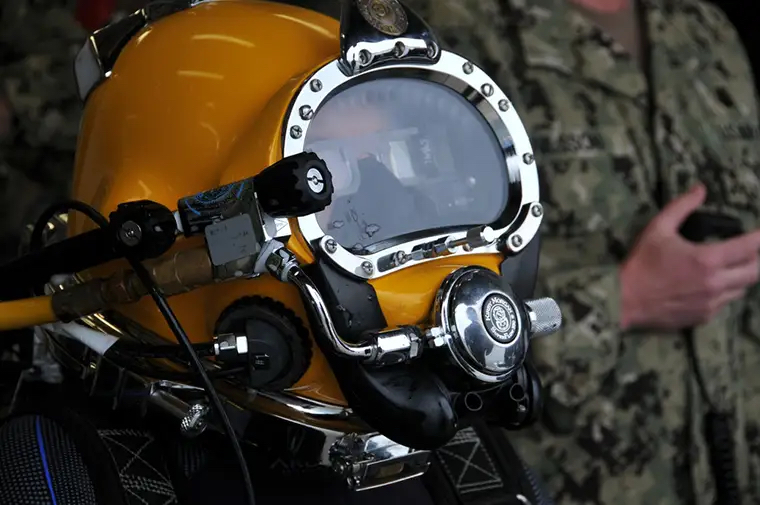
𝗜𝗺𝗮𝗴𝗶𝗻𝗲𝗲𝗿𝗶𝗻𝗴 𝗧𝗵𝗲 𝗙𝘂𝘁𝘂𝗿𝗲 𝗼𝗳 𝗗𝗶𝘃𝗶𝗻𝗴 (Knowledge Base Archives)
Not a prediction—an excavation.
Revisit ONR’s role in reshaping dive tech.
By Rachel Lance.
🔗 indepthmag.com/imagineering-t…
#TechDiving #InDEPTHMagazine #ccr #scubadiving #divinginnovation
English
Dr. Michael W. Jung retweetledi

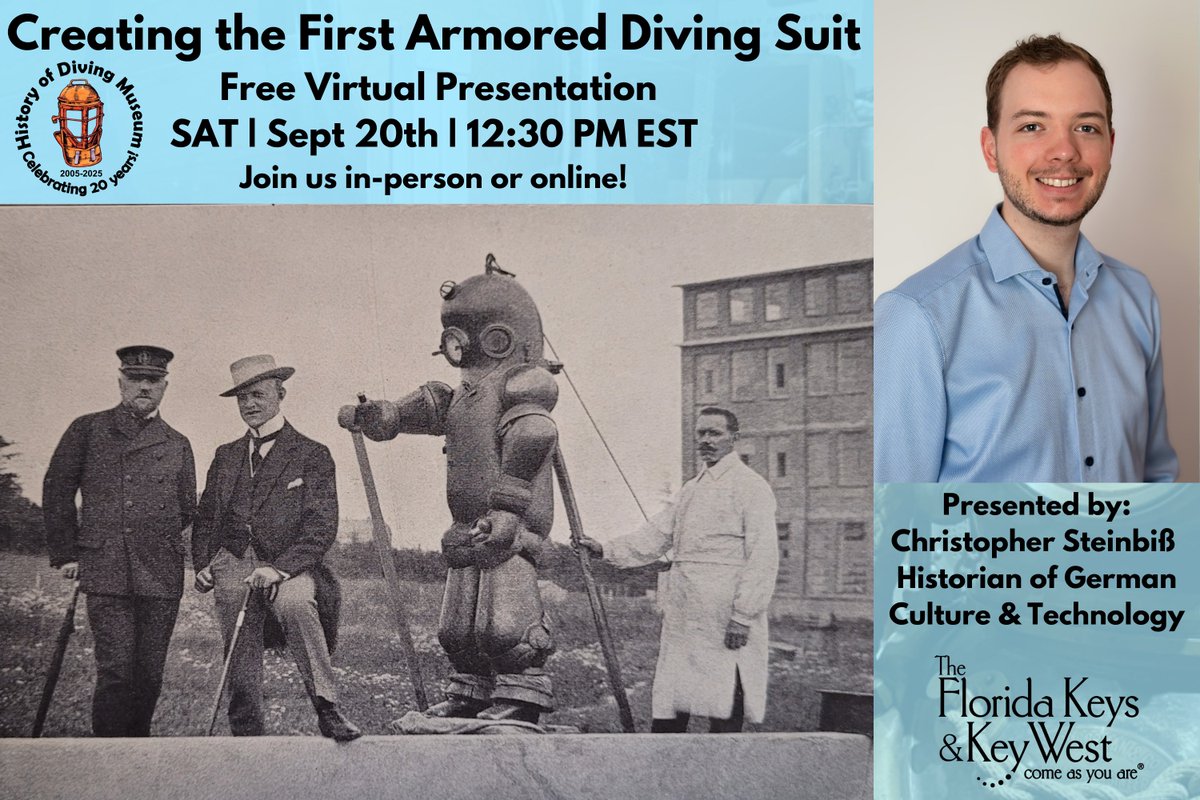
Be sure to join us virtually on Saturday, September 20 at 12:30 PM EST for a special presentation from Christopher Steinbiß, who will take us on a deep dive into the world's first armored diving suit. Register for the Zoom here! us02web.zoom.us/meeting/regist… #diving #history #vintage
English
Dr. Michael W. Jung retweetledi

Journal of Marine Science and Engineering (ISSN 2077-1312) is an international, peer-reviewed open access journal related to marine science and engineering.
All articles published in @JMSE_MDPI are free to access, read, share and download. View a compilation of papers below.👇
English
Dr. Michael W. Jung retweetledi

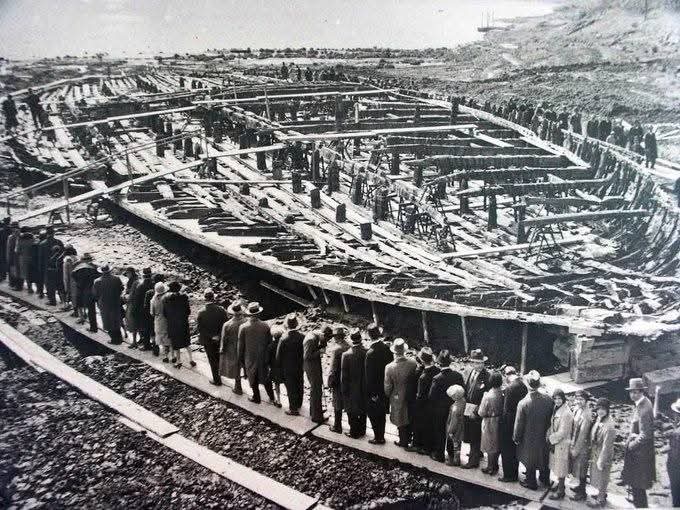
In 1932, the world witnessed a remarkable achievement in archaeology with the recovery of 2000 year-old Emperor Caligula’s legendary Nemi ships, which had rested beneath the waters of Lake Nemi for nearly two thousand years. Between 1928-1932, engineers and divers undertook the extraordinary task of salvaging these immense wooden vessels, the larger of which was more like a floating palace than a ship. Equipped with marble, mosaic floors, heating systems, and even plumbing with baths, the ships revealed an astonishing level of engineering and luxury, showcasing technologies that many had thought to be modern inventions.
The two vessels, later named Prima Nave and Seconda Nave, measured an impressive 70m x 20m (230ft x 66ft) and 73m x 24m (240ft x 79ft), making them marvels of Roman craftsmanship. Their sheer size and lavish construction reflected the extravagance of Emperor Caligula, whose reign was infamous for indulgence and excess. These ships, built at immense expense, were not merely functional but grand statements of power, wealth, and technical mastery, reinforcing Rome’s ability to rival the opulence of other ancient cultures, including Syracuse and Egypt.
Historians have long debated the true purpose of the Nemi ships. Some argue that they were intended as floating palaces for Caligula and his court, places where his notorious excesses could unfold far from the public eye. Others believe that at least one vessel was designed as a floating temple dedicated to Diana, the goddess associated with Lake Nemi. Whether symbols of power, stages for imperial debauchery, or sacred sanctuaries, the ships remain one of history’s most fascinating relics of Roman ambition—an extraordinary blend of art, architecture, and engineering pulled from the depths after nearly two millennia.
#archaeohistories
English
Dr. Michael W. Jung retweetledi

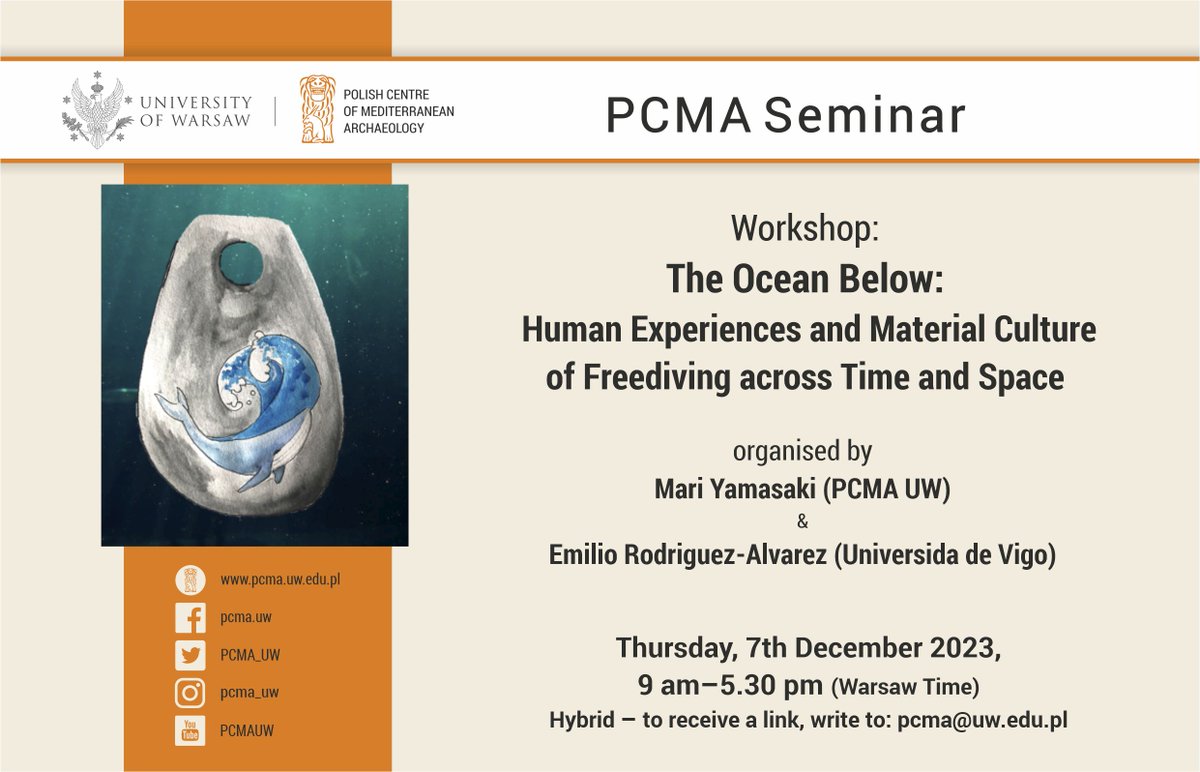
#Workshop 'The Ocean Below: Human Experiences & Material Culture of Freediving across Time & Space'
by Mari Yamasaki (PCMA UW) & Emilio Rodríguez-Álvarez (@uvigo ) to explore how humans have engaged with the sea
📅7/12, 9am-5.30pm (Warsaw time) hybrid
👉pcma.uw.edu.pl/en/2023/11/22/…
Română
Dr. Michael W. Jung retweetledi
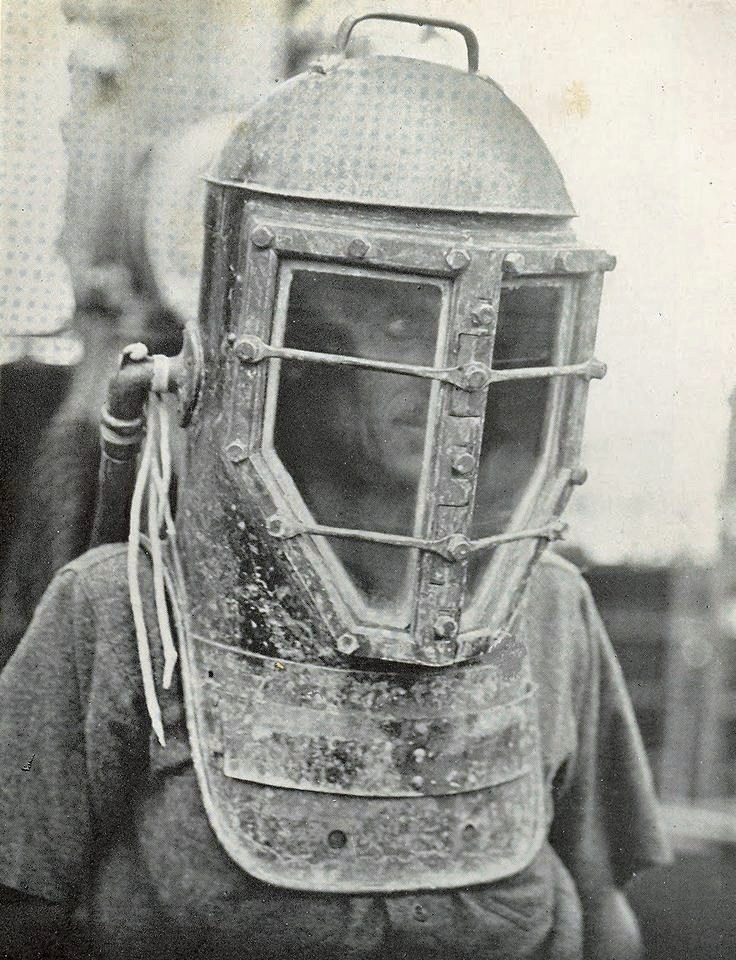
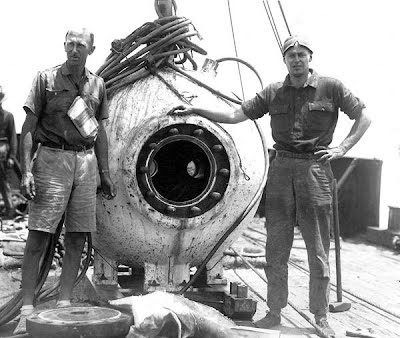
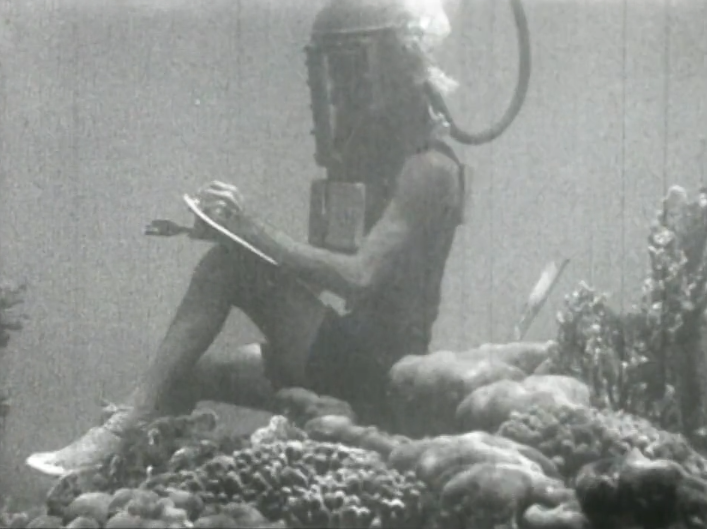
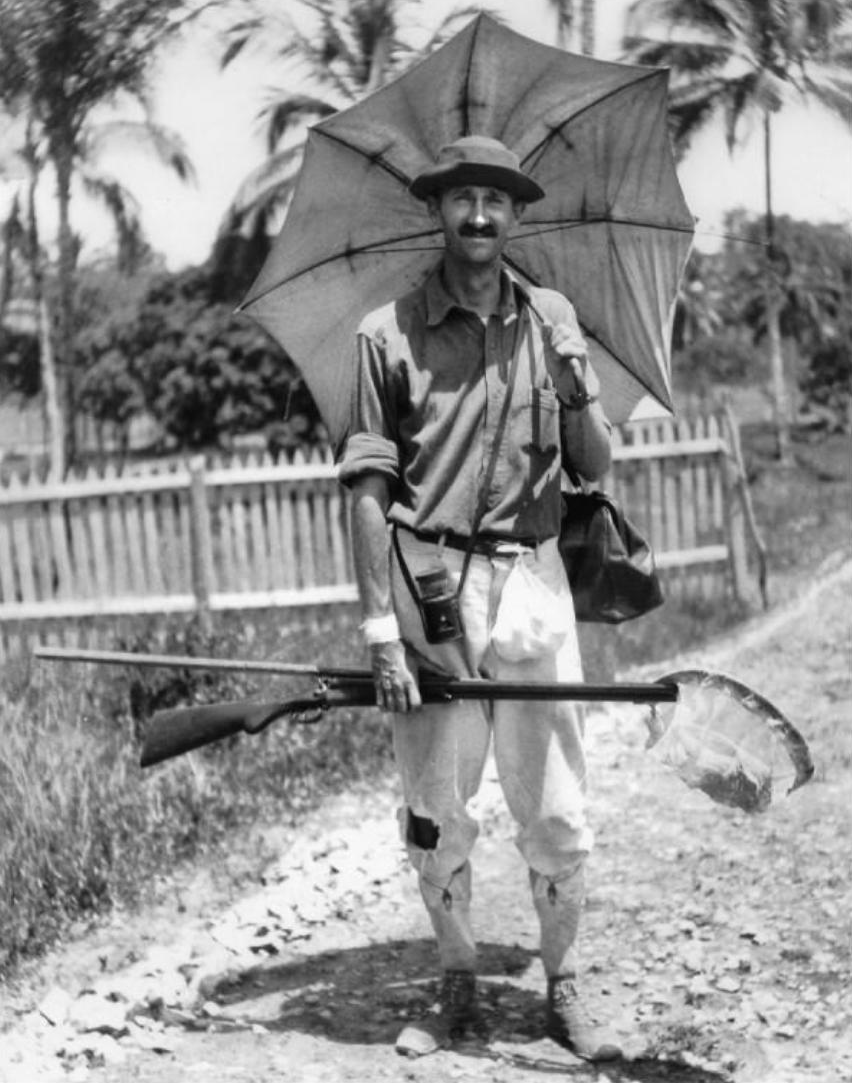
Happy birthday to William Beebe, born July 29, 1877!
Known as the “father of modern marine biology,” Beebe was an American explorer, biologist, and natural history writer. In 1934, he descended to 3,028 feet (923 m) in the Bathysphere.
#diving #history #submersibles
English

@elonmusk Happy birthday, Elon! Cancers are among the most empathetic and intelligent creatures on Earth.
English

Dr. Michael W. Jung retweetledi
🚨 Scars from the world's first #DeepSeaMining test are still visible 50 years later! No recovery. No biodiversity. Just lifeless tracks etched in the seafloor.
This is the legacy of deep-sea mining—and a warning of what’s to come.
#SayNoToDSM @BBCEarth
bbc.co.uk/future/article…
English
Dr. Michael W. Jung retweetledi

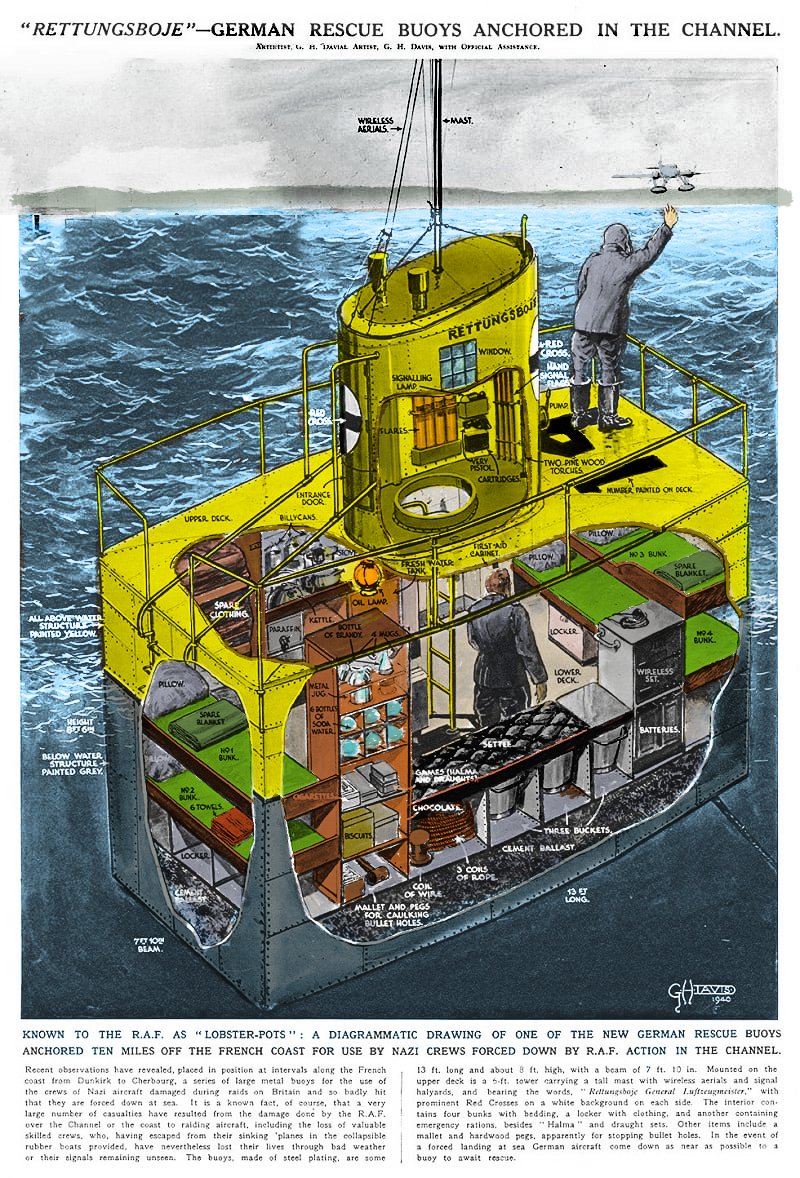
The most genius life-saving device of WWII wasn't a weapon, med or vehicle.
It was a metal box floating along the English Channel.
Here's how these "sea hotels" changed combat survival forever: 🧵
English