Sabitlenmiş Tweet

x - Junior the Stormtrooper
61.3K posts

@JuniorPalmtrees
Here for the sports/dogs/fun. #SeniorSwiftie #MFFL #DallasCowboys #TexasHockey #TexasRangers #HookEm #finsup

J. Cole GOES OFF on fake music reviews: “You don’t even give a F*** about this artist. You don’t even care about the genre. You’re not educated in the space. You just see a conversation happening & you want to be apart of it.” This was a part of larger discussion surrounding appropriating the music Via [Lost in Vegas]

SHAI POTENTIAL GAME WINNER CALLED OFF AFTER OFFENSIVE FOUL 🤯 PISTONS-THUNDER GOING TO OT





Epic Games layoffs leave worker with terminal brain cancer without insurance trib.al/7Otmkwh



Your Netflix "4K" stream and a 4K disc put the same number of pixels on your screen. But the disc version of a two-hour movie is about 70 gigabytes. The stream is about 14. Same pixels, roughly five times less data filling them. You see it first in dark scenes. The stream doesn't have enough data to tell dark grey from black, so your TV just mashes it all into chunky blocks. Then you notice sunsets looking like a paint-by-numbers, with visible stripes where smooth color should be. Film grain is probably the biggest casualty. Directors add that slightly textured look on purpose to make movies feel cinematic. Streaming compression reads it as noise and wipes it. That's where the weirdly plastic, waxy look on a good OLED comes from. One comparison I can't stop thinking about. A regular 1080p Blu-ray (the older HD format, not even 4K) pushes about 40 megabits of data per second to fill 2 million pixels. A 4K stream pushes 15-25 to fill 8 million pixels. Four times the pixels. Less data. A plain HD disc from 2008 can look sharper than a brand new 4K stream. Sound is worse. Netflix sends "Dolby Atmos" audio at about 768 kilobits per second, compressed, with parts of the original permanently deleted. A disc sends TrueHD Atmos at up to 18,000, lossless, nothing removed. Up to 23x more sound data. If dialogue sounds flat when you're streaming, that's not your speakers. Netflix is getting better at this. As of late 2025, 30% of their streaming runs on a newer compression method called AV1, the same picture at a third less data. They also strip film grain out before compressing, then rebuild it on your TV during playback. Saves over a third on file size for most content, and up to two-thirds for really grainy movies. The rebuilt grain looks solid. The tradeoff won't go away, though. Netflix has to deliver a file that works over spotty rural Wi-Fi and gigabit fiber, adjusting quality frame by frame to whatever your connection can handle. A disc reads plastic. Same quality every time.



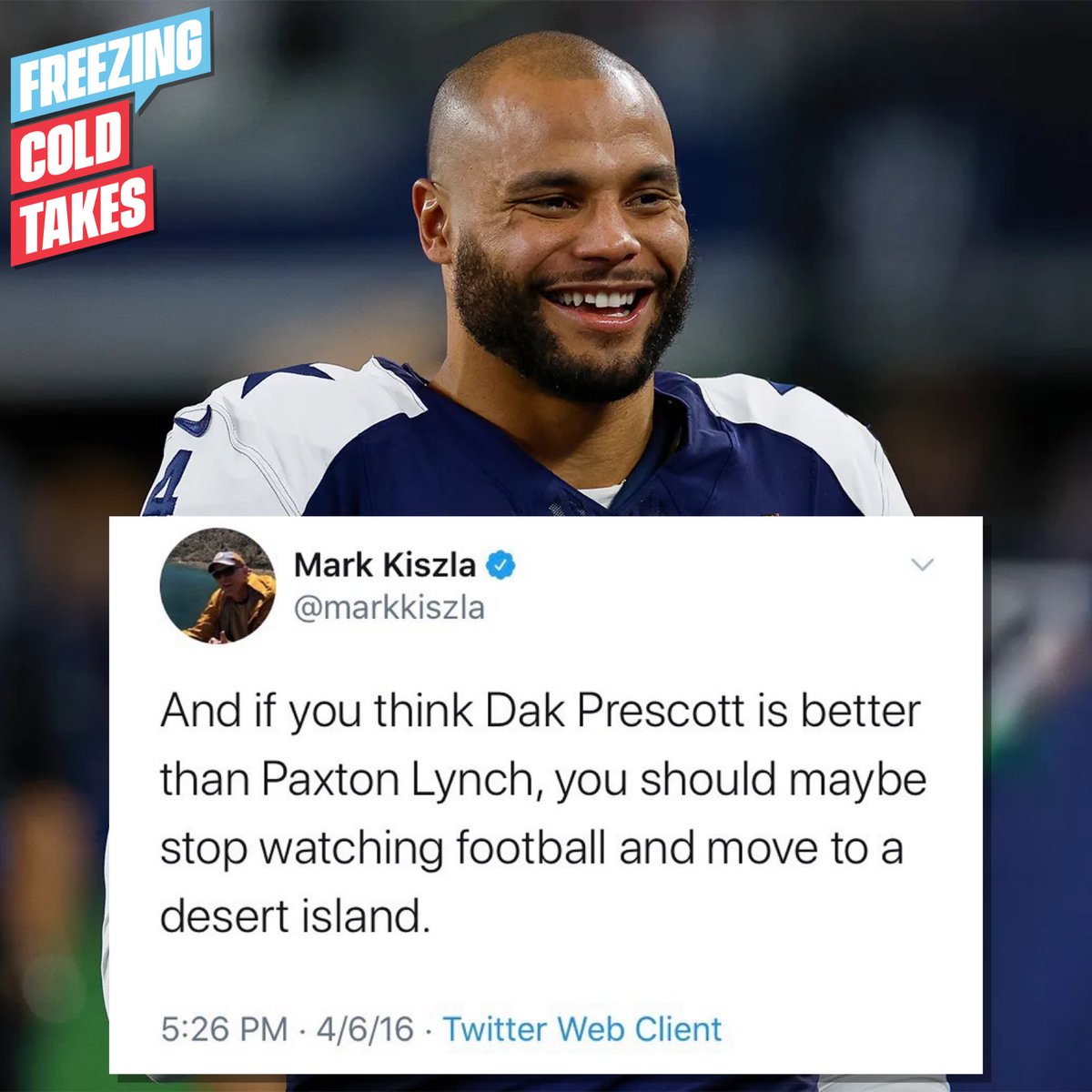
Being a ~35 or younger Cowboys fan is pretty brutal because you’re simultaneously viewed as a bandwagon frontrunner and you’ve also literally never seen your team even make the NFC Championship


NBA 🏀 Freebie Sponsored by @KbcSportsbook ☄️ Phoenix Suns -16 -118 (1.5U) First 30 likes get an extra play! 🫵