Kevin Burola

755 posts

Kevin Burola

Kevin Burola

@KBurola

Katılım Ekim 2013
340 Takip Edilen68 Takipçiler
Kevin Burola
Kevin Burola@KBurola·
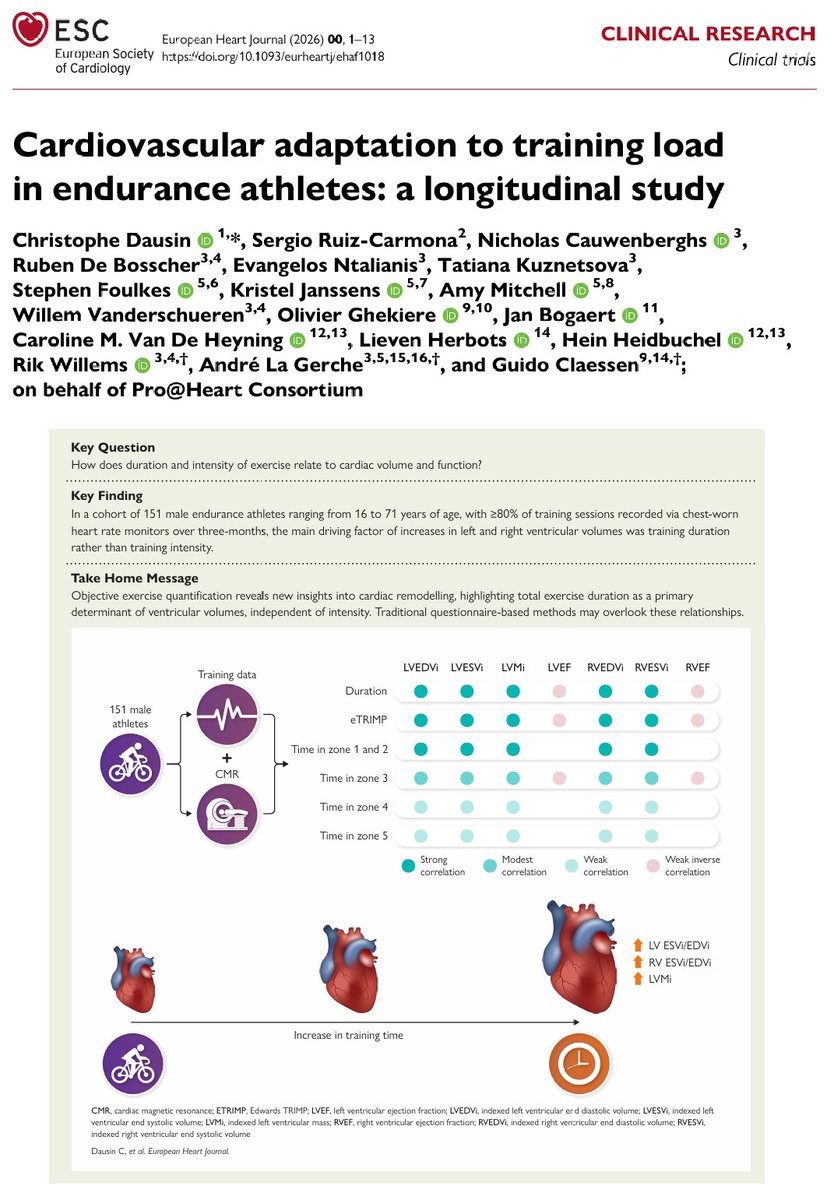
@ryanAjoyce @GregLehman I totally agree ! Just interesting that he mentioned z4/5 appear to have very little value for cardiac adaptation.
English
0
0
0
18
Ryan Joyce
Ryan Joyce@ryanAjoyce·
@KBurola @GregLehman Limited time spent in those zones and small difference of time in those zones (in relation to overall training time) means a higher power study would be needed to parse out those differences. Does not mean “z4/5 do nothing”. Says as much in discussion.
English
1
0
2
18
Kevin Burola
Kevin Burola@KBurola·
@ryanAjoyce @GregLehman Interesting that zones 4-5 have almost no effect. So for those that don’t have enough time to train like elites and resort to higher intensities as a replacement and thinking they are improving aerobically , that may not work well.
English
1
0
0
19
Ryan Joyce
Ryan Joyce@ryanAjoyce·
@KBurola @GregLehman No endurance coach is surprised that higher overall training load (which can only be done with higher % of lower intensity) = more cardiac remodeling Interesting study but I don’t really see anything ground breaking?
English
1
0
2
27
Håkan Andersson
Håkan Andersson@sprintcoachSWE·
Some brief advice on resisted sprinting and acceleration development 👉
English
1
11
93
16.5K
Kevin Burola
Kevin Burola@KBurola·
@JimGalanes Study makes it appear all adaptations are from low intensity fills. Can be very confusing with other studies that show opposite outcomes.
English
1
0
0
70
Jim Galanes
Jim Galanes@JimGalanes·
@KBurola Yes but with nuance. Time to fill left ventricle but that does not mean the filling is necessarily reduced. Lots of other factors at play
English
1
0
2
389
Jim Galanes
Jim Galanes@JimGalanes·
Zone-2 is necessary. Zone-2 alone is a dead end. When lactate goes down but sustainable power doesn’t go up, you didn’t adapt—you diluted.When the lactate curve shifts down or flattens everyone cheers. Often just plasma volume, suppressed glycolysis, The ceiling didn’t move.
English
7
6
96
10.6K
Howard Luks MD
Howard Luks MD@hjluks·
@KBurola Both work... i have a polar arm strap and chest strap. I don't mind the chest strap. Some folks don't like it and prefer the arm strap. Both are accurate.
English
1
0
2
985
Howard Luks MD
Howard Luks MD@hjluks·
Yesterday, I said that if a new runner’s heart rate shoots above 150 within the first few seconds of starting, they probably shouldn’t be running. When someone who hasn’t trained consistently begins jogging, and their heart rate rapidly climbs into the 150s and stays there, that effort is not aerobic base work. It’s high-intensity work relative to their current conditioning. It may not feel “hard” in the way sprinting feels hard, but physiologically, it is well above the zone where foundational adaptations occur. True aerobic base development happens below the first lactate threshold. That’s where mitochondrial density improves, capillary networks expand, and fat oxidation becomes more efficient. That’s also where oxidative stress is manageable, and the recovery cost is low enough to repeat the effort frequently. If heart rate is immediately elevated, the body is operating in a more glycolytic state. Oxidative stress increases. Sympathetic tone rises. Recovery burden goes up. That may still improve fitness, but it’s not base building. It’s stress accumulation. There’s another layer that matters even more in midlife adults: the speed of tissue adaptation. This is my office hours every week. Many runners' injuries are training errors. The cardiovascular system adapts relatively quickly. Tendons, fascia, cartilage, and bone adapt slowly. When you combine high metabolic stress with repetitive impact load before tissues are prepared, the mismatch shows up as plantar fasciitis, Achilles pain, knee irritation, hip tendinopathy, or stress reactions. Most new runners don’t quit because they lack motivation. They quit because something starts to hurt. Brisk walking, incline walking, rucking, cycling, or structured walk-run intervals allow aerobic adaptations to occur with a lower oxidative and mechanical burden. As aerobic efficiency improves, heart rate at a given pace drops. As tissues strengthen, impact tolerance increases.... Then running becomes sustainable. Running is a phenomenal tool. But durability comes first. Base comes first. The ability to recover comes first. And yes... sprinting is fine. High HR is fine... don't come at me about this ;-). But... as @Alan_Couzens and @feelthebyrn1 and @inaki_delaparra and others will also tell you... Your base training is foundational. Take the time to build it and maintain it.
English
84
147
2.1K
529K
Kevin Burola
Kevin Burola@KBurola·
@hjluks Are arm bands or chest straps better? Or don’t waste your money? If so what protocol to follow so that you are in zone 2?
English
2
0
1
1.2K
Howard Luks MD
Howard Luks MD@hjluks·
@KBurola Your watch has no clue... ;-) They are random number generators. But many of us can talk well into zone 3 and above. Breathing cadence and more help... lots of clues.
English
2
0
4
5.9K
Kevin Burola retweetledi
Chris Bishop
Chris Bishop@DrChrisBishop·
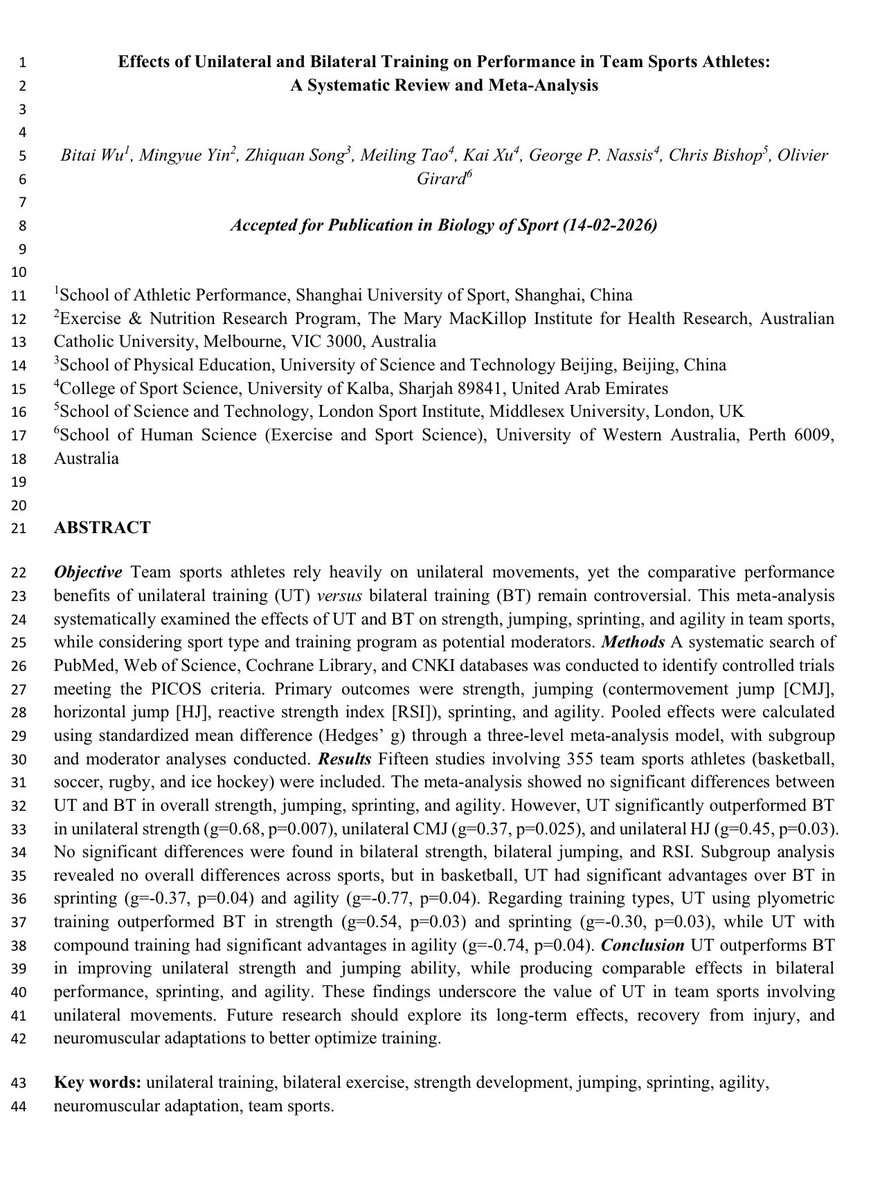
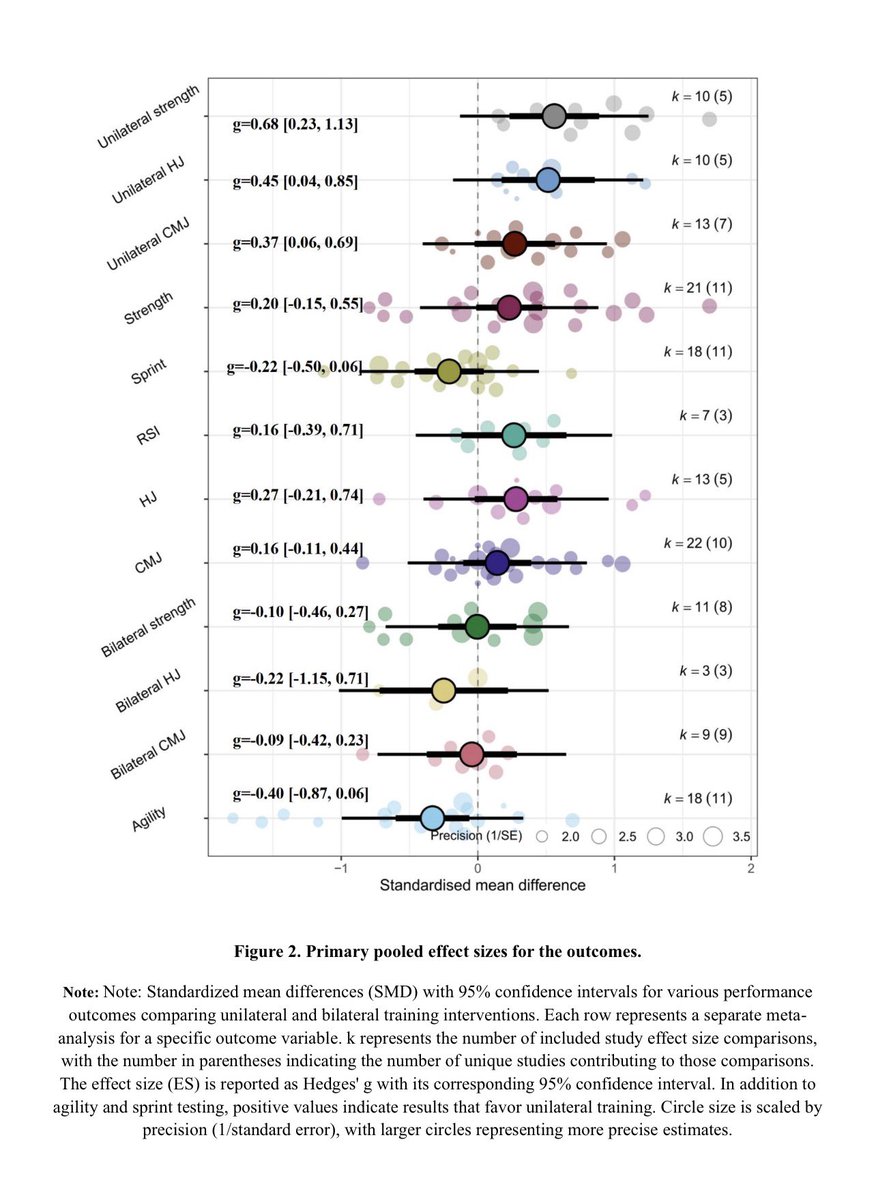
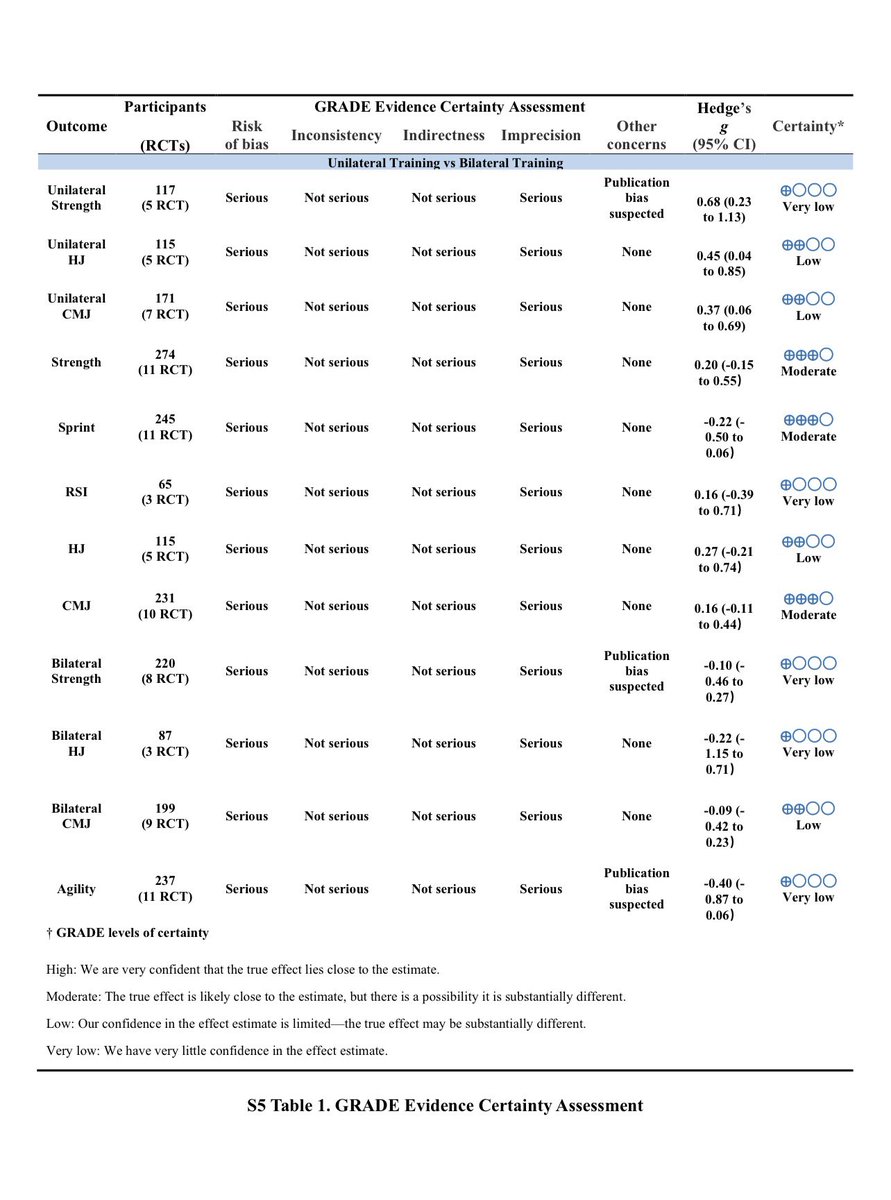
📄 Effects of Unilateral vs. Bilateral Training on Performance Measures in Team Sport Athletes — just accepted in Biology of Sport. 🔗 Link to accepted version on RG: researchgate.net/publication/40….
Chris Bishop tweet mediaChris Bishop tweet mediaChris Bishop tweet media
English
1
23
136
9.5K
Brady Holmer
Brady Holmer@Brady_H·
@popeyecubs68 @KBurola Neither intensity nor duration influenced risk of ventricular arrhythmia uniquely. In other words a high- or low-intensity session elevated risk similarly in the ensuing 24h.
English
1
1
3
55
Brady Holmer
Brady Holmer@Brady_H·
“A significant proportion of highly trained male veteran athletes developed ventricular arrhythmia which…was strongly associated with myocardial fibrosis.” Acute exercise exposure associated with an ⬆️ risk of developing ventricular arrhythmia, chronic exercise load was not.
Brady Holmer tweet mediaBrady Holmer tweet media
English
12
3
70
12.9K
Howard Luks MD
Howard Luks MD@hjluks·
No... a bump in heart rate during strength training sessions does not mean that you got your aerobic training done too. Link below...
English
7
2
161
61.7K
Kevin Burola retweetledi
Howard Luks MD
Howard Luks MD@hjluks·
Why Early Loading Heals Tendons Faster Than Rest For many years, tendon injuries were initially managed with rest... or ice for a few days, followed by time in a brace or a boot. Pain was taken as a signal to avoid load, and recovery was expected to occur with time. Mechanical stress was viewed as something to delay until symptoms settled. Research from Denmark has shown that this approach is wrong. Much of this work comes from the Copenhagen muscle and tendon research community, particularly from groups led by Michael Kjaer at the University of Copenhagen and collaborators at Bispebjerg Hospital, as well as from clinical research by Håkan Alfredson. Their combined laboratory and clinical studies have clarified how tendons respond to injury and recover function. In several controlled studies, including work on Achilles and patellar tendon injuries, researchers compared outcomes between early, structured loading and delayed loading following a period of rest. When controlled loading was introduced within the first few days after injury—often around day two—return to function occurred far sooner than when loading was delayed until day seven to nine, or later. Some papers reported that athletes in the early mobilization group were back 25% sooner than those in the delayed group. Tendons are mechanosensitive tissues. Mechanical strain activates tendon fibroblasts through integrin-based signaling, leading to intracellular pathways such as MAP kinase activation that stimulate collagen synthesis and alignment. This process is necessary for restoring tendon alignment, stiffness, and load tolerance. When tendons are unloaded for prolonged periods, collagen remodeling is reduced, and structural organization worsens. Rest can reduce pain, but it does not restore tendon capacity. In fact, prolonged unloading leads to decreased tensile strength and increased sensitivity to load reintroduction. The worst thing we can do is to brace or boot these injuries for a period of time. The tendon may feel better temporarily, but it is often less prepared to tolerate stress. The benefit of early loading depends on how the load is applied. The Danish studies emphasized controlled, progressive loading rather than a return to unrestricted sport. Early loading typically involved isometric or slow resistance exercises rather than elastic or high-velocity strain. The goal was to provide a mechanical stimulus sufficient to promote remodeling without provoking excessive irritability. This distinction is important. Early loading does not mean ignoring pain or continuing normal training. It means modifying the load rather than eliminating it. In real life, that often means starting isometric exercises of a short duration… and progressing as comfort improves. Clinically, this helps explain why many tendon injuries take longer to recover. Symptoms may improve with rest, but when activity is resumed, pain returns, and the cycle repeats. Tendon capacity was never rebuilt. The work from the Copenhagen tendon research groups supports a different approach: tendons recover best when they are exposed early to appropriate mechanical loads adjusted to tissue tolerance (pain). Tendons do not recover in a brace over time. They recover through progressive mechanical loading applied early enough to influence remodeling.
English
24
57
432
62.8K
Kevin Burola
Kevin Burola@KBurola·
@WSWayland What are your thoughts on using the low bar handle for a deeper range of motion?
English
1
0
0
348
Coach Wayland | Performance Expert | Craftsman
‘Trapbar RDL is a different animal the load can follow the lateral midline for a truer hinge. Anteriorly loaded barbell can pull some folks forward but some find the hinge with their hands by their side more intuitive.’
English
2
3
126
26.6K
Kevin Burola
Kevin Burola@KBurola·
@JimGalanes @nick_krontiris Not sure if you had a chance to read this paper but was curious on your take of this study. I am struggling with intensity not being able to remodel ?
English
1
0
0
37
Jim Galanes
Jim Galanes@JimGalanes·
@nick_krontiris Admittedly I have not read this particular study, but when the majority of the training time, sessions, and TRIMP loads are in the LIT domain, wouldn't it create a bias toward their conclusion.
English
2
0
6
685
Nick Krontiris
Nick Krontiris@nick_krontiris·
Challenging the conventional focus on high-intensity exercise as the main driver of cardiac adaptation, in this study, total training duration, but not exercise intensity, was the predominant determinant of cardiac remodelling.
Nick Krontiris tweet media
English
9
49
301
54.7K