DR.K.S.RAVICHANDRAN

17.9K posts

DR.K.S.RAVICHANDRAN banner
DR.K.S.RAVICHANDRAN

DR.K.S.RAVICHANDRAN

@KSRLAW

IAF Radar Expert. Author of books CSR & ESG; Related Party Transactions; Duties & Liabilities of Directors; Contraventions Compounding Adjudication Prosecution;

Coimbatore, India Katılım Ağustos 2010
2.5K Takip Edilen2.6K Takipçiler
Sabitlenmiş Tweet
DR.K.S.RAVICHANDRAN
DR.K.S.RAVICHANDRAN@KSRLAW·
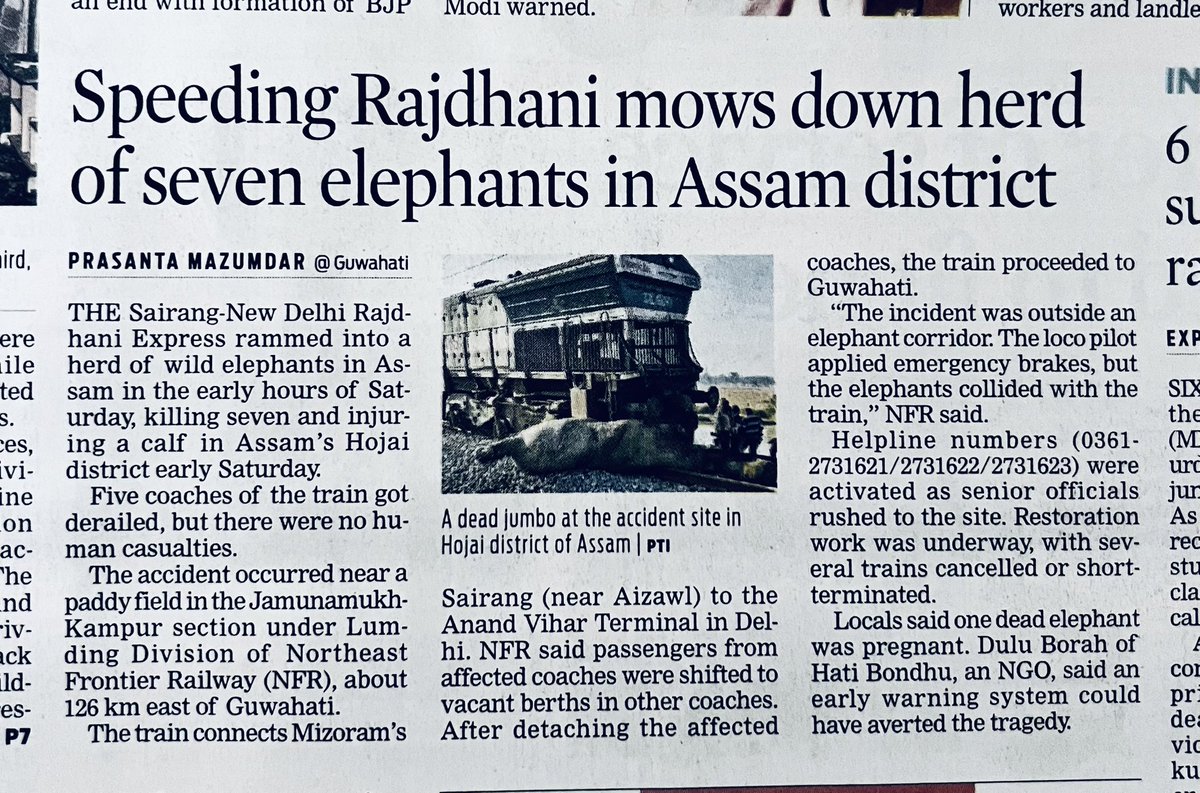
What a tragedy! #elephants who were not having same level of intelligence of us. Killing 7 in one go. A massacre,without any punishment despite knowing cause and evidence on hand. only yesterday @supriyasahuias had posted that in #TN there will be no such cases. @CMOfficeAssam
DR.K.S.RAVICHANDRAN tweet mediaDR.K.S.RAVICHANDRAN tweet media
English
0
1
0
472
DR.K.S.RAVICHANDRAN
DR.K.S.RAVICHANDRAN@KSRLAW·
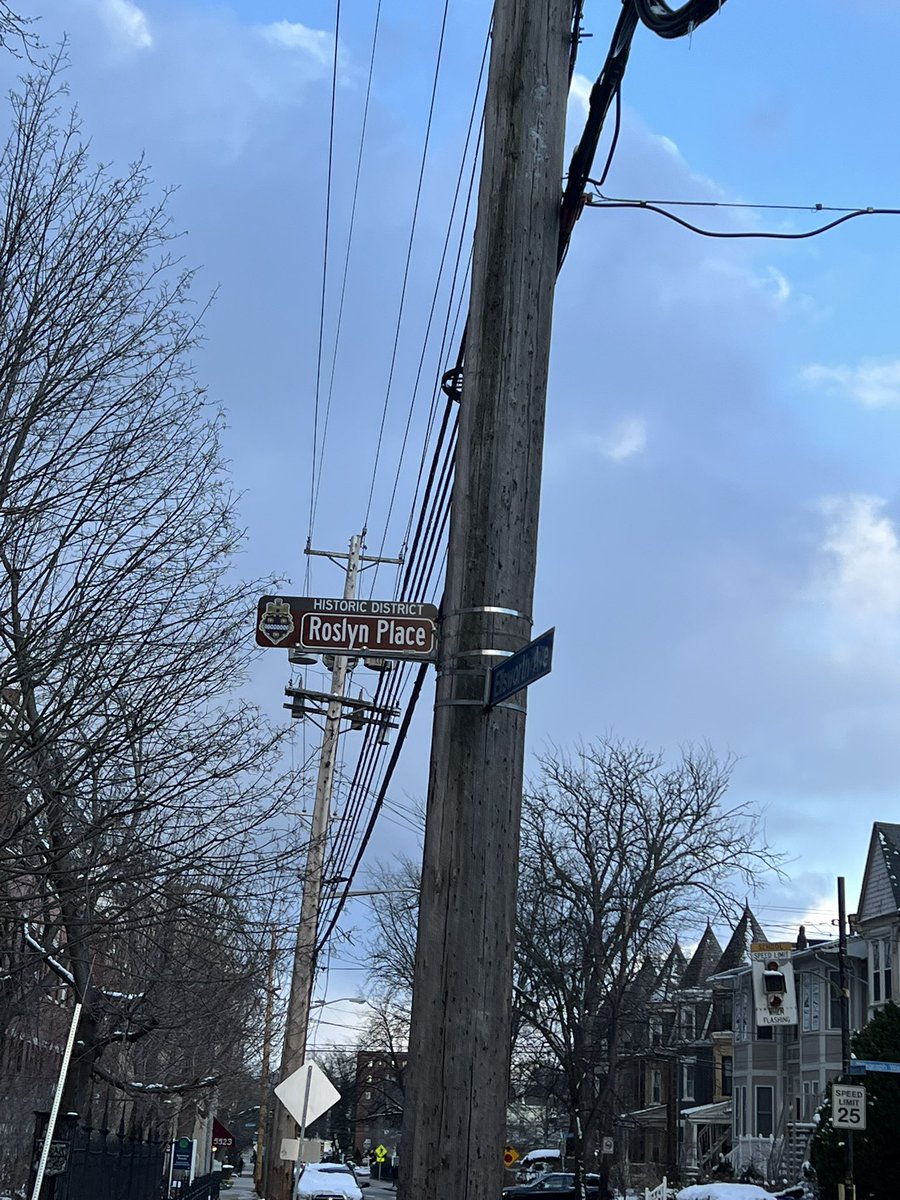
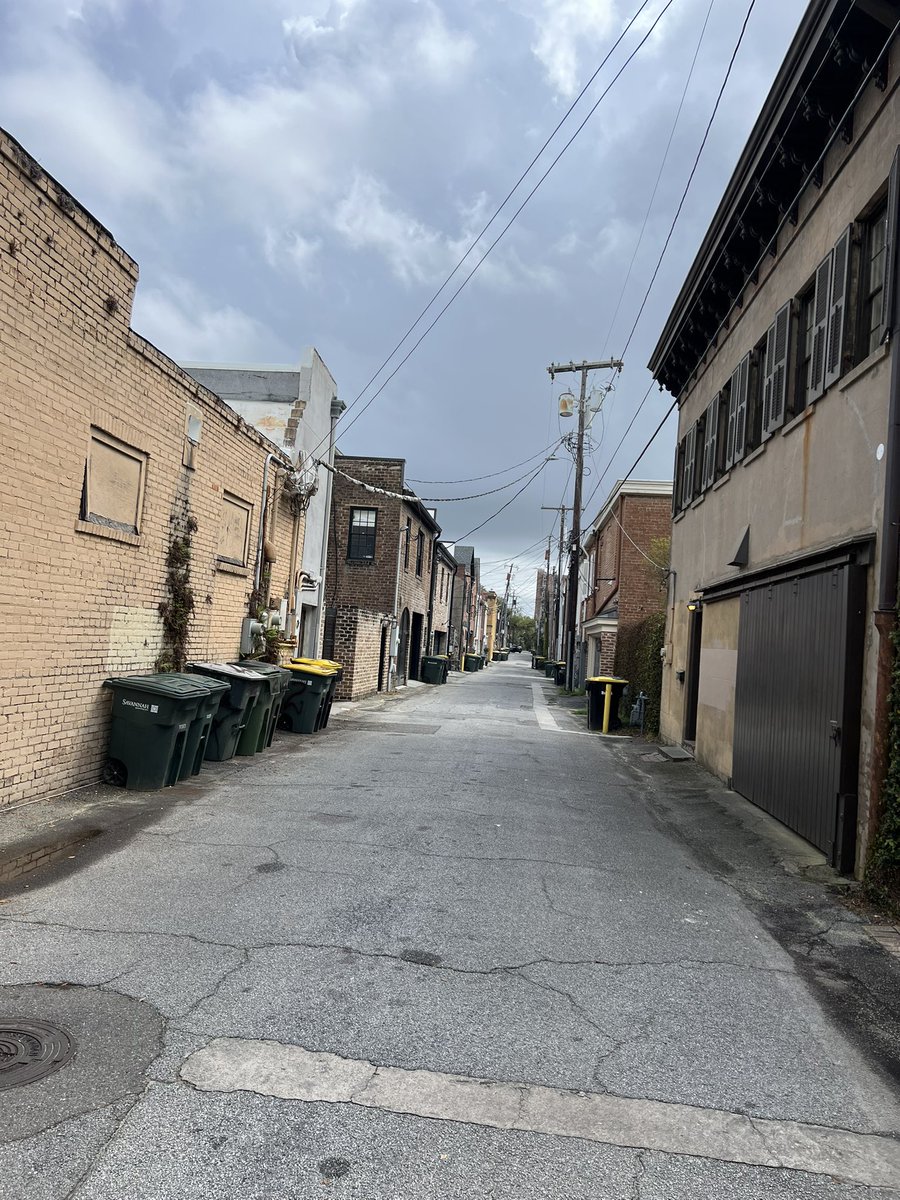
on Puliakulam Road at Coimbatore Kidney Centre. Zoom and see. Two problems. The whole drainage has not been closed. Second problem is you can see how many plastic containers thrown by people. #Coimbatore
DR.K.S.RAVICHANDRAN tweet mediaDR.K.S.RAVICHANDRAN tweet media
English
0
0
0
76
DR.K.S.RAVICHANDRAN retweetledi
Massimo
Massimo@Rainmaker1973·
Japan is leading the way in protecting children's health by targeting a complete elimination of processed foods and artificial additives from school cafeterias. The country is spearheading a global movement toward superior nutrition by removing all processed and ultra-processed items from school menus. In their place, students now enjoy fresh, traditional, seasonal Japanese dishes prepared daily from scratch—emphasizing whole, natural ingredients over convenience foods. This is far more than just a dietary change; it's a comprehensive national strategy to educate the next generation about the true value of balanced, wholesome nutrition. By prioritizing quality over quick fixes, Japan is cultivating lifelong healthy eating habits that start right in the school cafeteria. Japan's dedication to food purity extends well beyond schools. The nation enforces some of the world's strictest regulations on food additives, preservatives, and chemical colorings—many of which are common in Western processed snacks and beverages. International brands must reformulate products like cereals, candies, and soft drinks to comply with these rigorous standards. Additionally, Japan maintains tight controls on food imports, including strict bans or high certification requirements for meat products and a strong emphasis on the JAS organic label. These measures protect against diseases, industrial contaminants, and unsafe practices, reinforcing Japan's global reputation for having among the highest food safety and quality standards worldwide. [Ministry of Education, Culture, Sports, Science and Technology. School Lunch Program and Nutrition Education in Japan. Government of Japan Publication]
Massimo tweet media
English
199
2.1K
6K
155.5K
DR.K.S.RAVICHANDRAN
DR.K.S.RAVICHANDRAN@KSRLAW·
@UNFCCC @UNOCHA @UNGeneva @UNSC_Reports Indeed a very disturbing & uncontrollable situation in West Asia due to the conflict escalated by Israel & USA. Millions of people in several countries who have no role to play in this conflict have been affected across the world. 1/5
English
1
1
0
46
DR.K.S.RAVICHANDRAN
DR.K.S.RAVICHANDRAN@KSRLAW·
This is not an isolated case of between #USA #ISRAEL & #Iran alone? Despite International organisations, militarily powerful countries could take actions & bring a new world order signifying survival of the fittest. This is very dangerous. Before it is too late, take action. 4/5
English
1
0
0
82
DR.K.S.RAVICHANDRAN
DR.K.S.RAVICHANDRAN@KSRLAW·
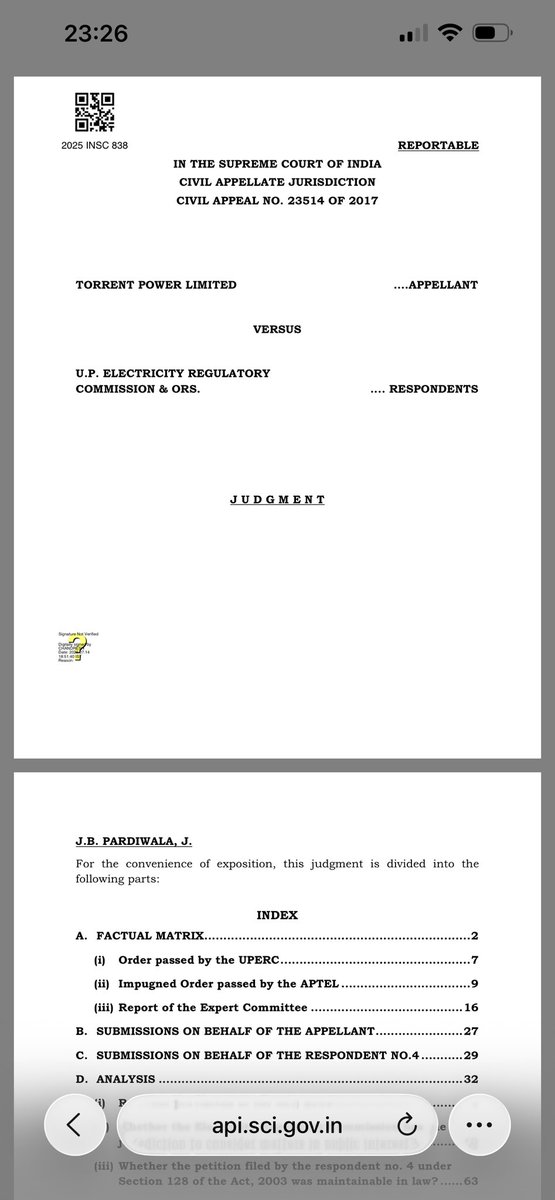
By trying to know the unknown by eliminating what is known - a path shown by #AdiShankara - a Quote by #NCLAT while determining the legal character of the committee of creditors #COC under #IBC. This decision of 24 February 2026 is coincidentally in the matter of think and learn.
English
0
0
1
52
DR.K.S.RAVICHANDRAN
DR.K.S.RAVICHANDRAN@KSRLAW·
Fasting is a traditional way of life in India
Shining Science@ShiningScience

🚨 A Japanese scientist earned a Nobel Prize after discovering one of the body’s most powerful self-healing mechanisms: during periods of fasting, the human body begins to consume its own damaged cells, triggering a deep cellular reset known as autophagy. This natural process acts like an internal cleanup system, breaking down old proteins, malfunctioning components, and toxic buildup that contribute to aging and disease. The discovery revealed that fasting doesn’t just change metabolism — it activates a fundamental survival program hard-wired into our biology. Researchers found that autophagy boosts cellular renewal, supports immune function, protects against neurodegeneration, and improves overall resilience. When the body isn’t busy digesting food, it shifts focus to maintenance and repair, recycling damaged parts into fresh, healthy components. This helps reduce inflammation, sharpen brain function, and improve the body’s ability to handle stress. Some studies even show that activating autophagy may lower the risk of chronic conditions linked to aging. The Nobel-winning research transformed how scientists view fasting, turning it from a simple diet trend into a legitimate biological reset. Doctors now say intermittent fasting — when done safely — can help support long-term cellular health, boost energy, and improve metabolic balance. While it’s not a cure-all, the discovery showed that the body has extraordinary built-in abilities to heal itself when given the right conditions. For millions around the world, the research opened a new window into how deeply our lifestyle affects our cells — and how something as simple as timing our meals can unlock one of the body’s most powerful repair systems.

English
0
0
0
104