@tehseenp The root cause of all issues in India is the extreme delay in delivery of justice, no one is scared anymore of law, hence no body cares
English
Srinath Kadaba
7.2K posts


The surge in global fuel prices since the outbreak of the West Asia conflict offers a revealing comparison of how different countries have managed economic shocks. The closure of the Strait of Hormuz, the world’s most critical oil chokepoint, and the prolonged disruption of shipments sent Brent crude soaring above $100 per barrel through much of April and early May. Across the world, consumers have felt the impact directly at fuel stations. But India stands out as a striking exception. Between 23 February and 15 May 2026, nearly every major economy saw sharp increases in petrol and diesel prices. In several countries, the rise has been staggering: • Myanmar: Petrol +89.7%, Diesel +112.7% • Malaysia: Petrol +56.3%, Diesel +71.2% • Pakistan: Petrol +54.9%, Diesel +44.9% • UAE: Petrol +52.4%, Diesel +86.1% • United States: Petrol +44.5%, Diesel +48.1% • Sri Lanka: Petrol +38.2%, Diesel +41.8% • UK: Petrol +19.2%, Diesel +34.2% • Germany: Petrol +13.7%, Diesel +19.8% • Japan: Petrol +9.7%, Diesel +11.2% India recorded the smallest material increase among all major economies: Petrol: +3.2% Diesel: +3.4% Only Saudi Arabia reported zero change due to direct state subsidy structures. Among major market economies, India has effectively experienced the lowest increase. This did not happen by accident. For seventy-six days after the escalation in West Asia, India’s public sector oil marketing companies, accounting for nearly 90% of fuel retail sales, kept prices largely unchanged despite rising global crude costs. Instead of immediately passing on the burden to citizens, they absorbed substantial under-recoveries at the refinery gate. Reported estimates suggest daily under-recoveries had approached nearly ₹1,000 crore. The ₹3 per litre revision announced on 15 May is the first price revision in almost four years and amounts to only about a 3.5% increase on a base of approximately ₹95 per litre. The contrast with the rest of the world is stark. In liberalised markets, consumers have absorbed shocks immediately. Pakistanis are paying nearly 55% more for petrol than three months ago. Malaysians over 56% more. Americans nearly 45% more. Several countries have seen diesel rise by 50–100%, reflecting disruptions in trade, logistics and freight. India, however, managed to shield consumers from global volatility for over two months before implementing a calibrated increase. This matters because fuel prices do not remain confined to petrol pumps. They affect transport costs, food inflation, manufacturing, logistics and household budgets. Containing fuel volatility is also about containing inflation. The story here is not merely about a ₹3 increase. The story is that while much of the world adjusted through increases of 10%, 20%, 50%, and in some cases nearly 90%, India limited the impact on its citizens to just over 3%. That is the context behind the numbers.
A social media influencer (Dr Neelam Singh alias The Skin Doctor) has been arrested by Delhi Police for allegedly posting tweets against the Kapur family following the death of businessman Sunjay Kapur. According to sources, a complaint in the matter was lodged at Vasant Kunj Police Station on behalf of the Kapur family, following which the police initiated action and arrested the accused influencer. Further investigation in the case is underway: Delhi Police Sources




Alphonso aam ka raaja hain, baaki sab praja hain!
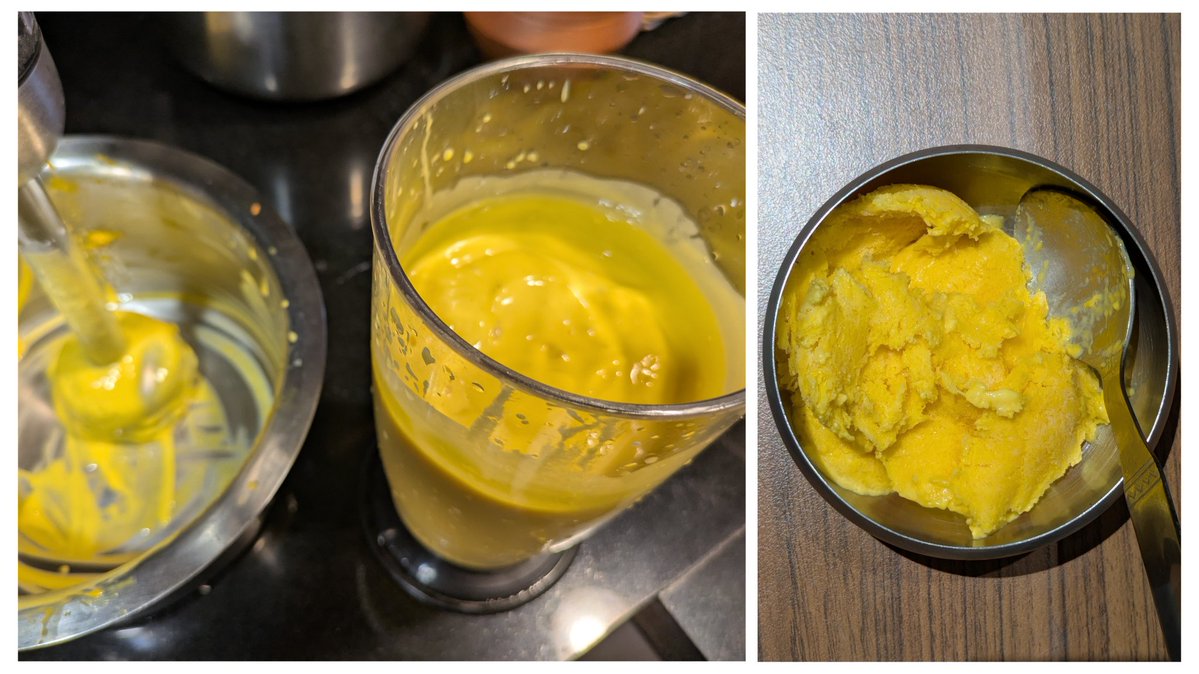
Indian milk ice cream is the world's best. Swiss ice creams come close, but you can't get the taste of Indian milk ice cream. In India, "ice cream" means it is made of 100% milk and not hydrogenated vegetable fats like many other countries. IMO, the best Indian ice creams are the ones made with natural fruit, nuts, and milk. But Indian ice creams brands are being bought by foreign investors and companies. This is happening for all products and startups where India excels. Instead of Indian brands expanding and competing world wide, they sell out. The foreign buyer generally never takes the Indian brand international, instead makes it worse, or shuts it down. This can only be stopped by GoI.
Our Most Hon'ble PM told us to save petrol & diesel by using public transport & use car pooling. Hon'ble PM also told us one year don't holiday abroad & don't buy gold. We will all stand by our PM, this war is not his fault but let him promise us, 1) BJP ministers won't travel in huge convoys with entourage! The union & state Babus will use public transport. 2) We won't purchase gold, but gold is used as a medium to hide black money by politicians, babus & judges so Hon'ble PM will go after that! 3) We wont go abroad, but nepo kids of Netas & babus who study abroad must be asked to come back & study in India & lastly 4) No more freebies like Ladli Behn & free LPG. JAI HIND JAI BHARAT!


just realised Chikamagalur is just one evening ride away from Bengaluru