
Sabitlenmiş Tweet

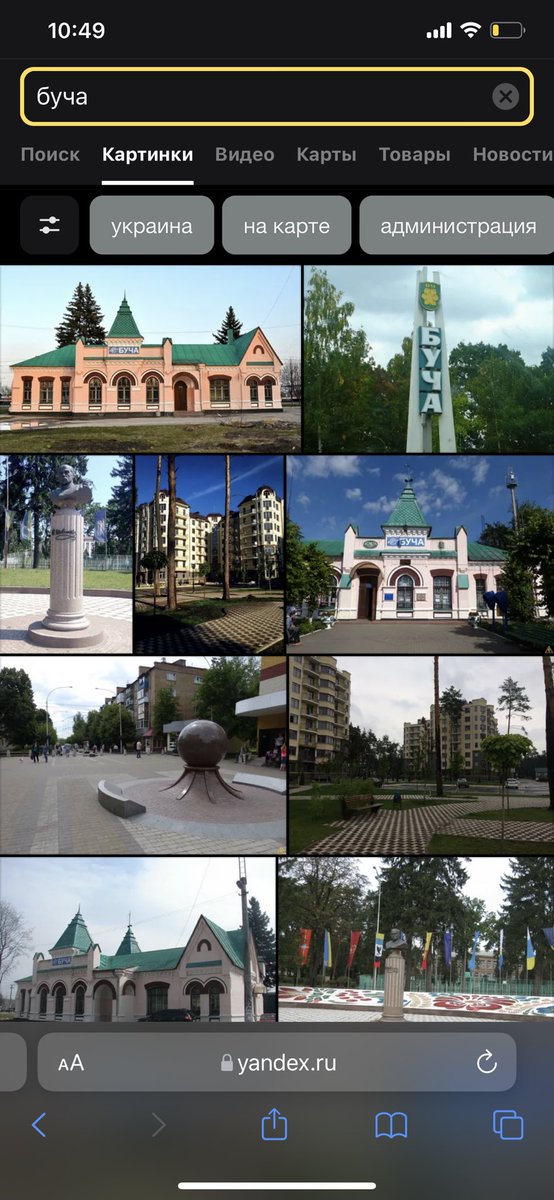
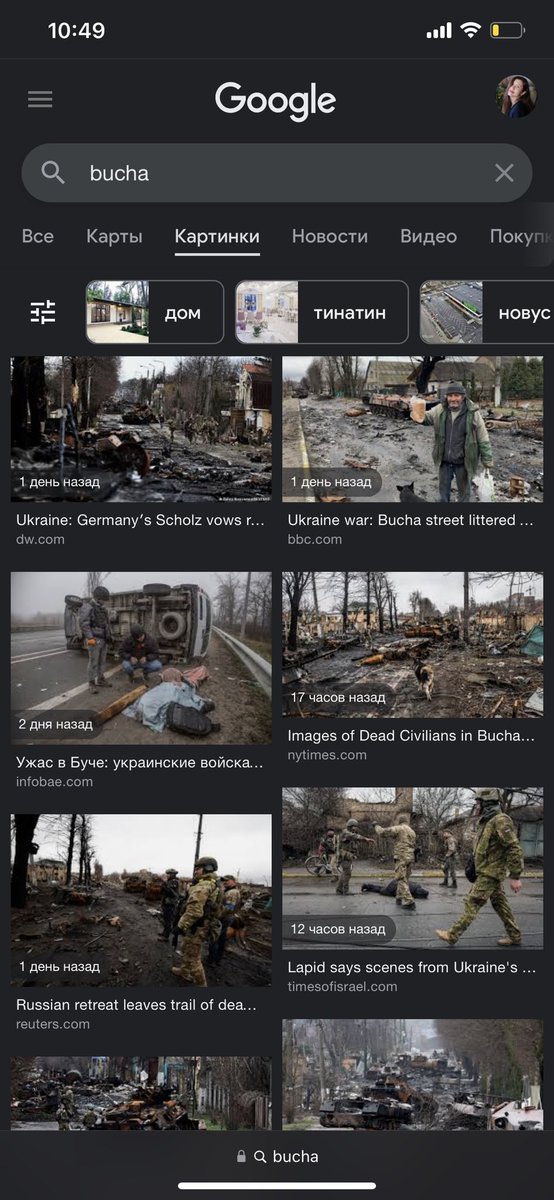
When you google “#Bucha” in #Russian search engine #Yandex vs when you do it in #Google
#Butscha #Propaganda #WarCrimes #WARINUKRAINE #UkraineRussiaWar #Буча #Ukraine
English
Ekaterina Bodyagina
227 posts

@KatjaBody
Investigative Reporter @investigativ_de @nytimes @dpa


Mit der Blockade ausländischer Plattformen und neuen Gesetzen zur Kontrolle des Netzes treibt der Kreml das Land immer tiefer in die digitale Isolation. Manche Russen greifen bereits wieder zu Funkgeräten, Pagern und Papierkarten. welt.de/investigativ/p…

The great Russian disconnect dlvr.it/TRV52b


Beamte führen Jörg Dornau aus dem Plenarsaal. Gegen den sächsischen AfD-Politiker wird wegen seiner Geschäfte in Belarus ermittelt – es geht um Zwangsarbeit und einen möglicherweise Verstoß gegen EU-Sanktionen. @welt hatte den Fall aufgedeckt. welt.de/politik/deutsc…
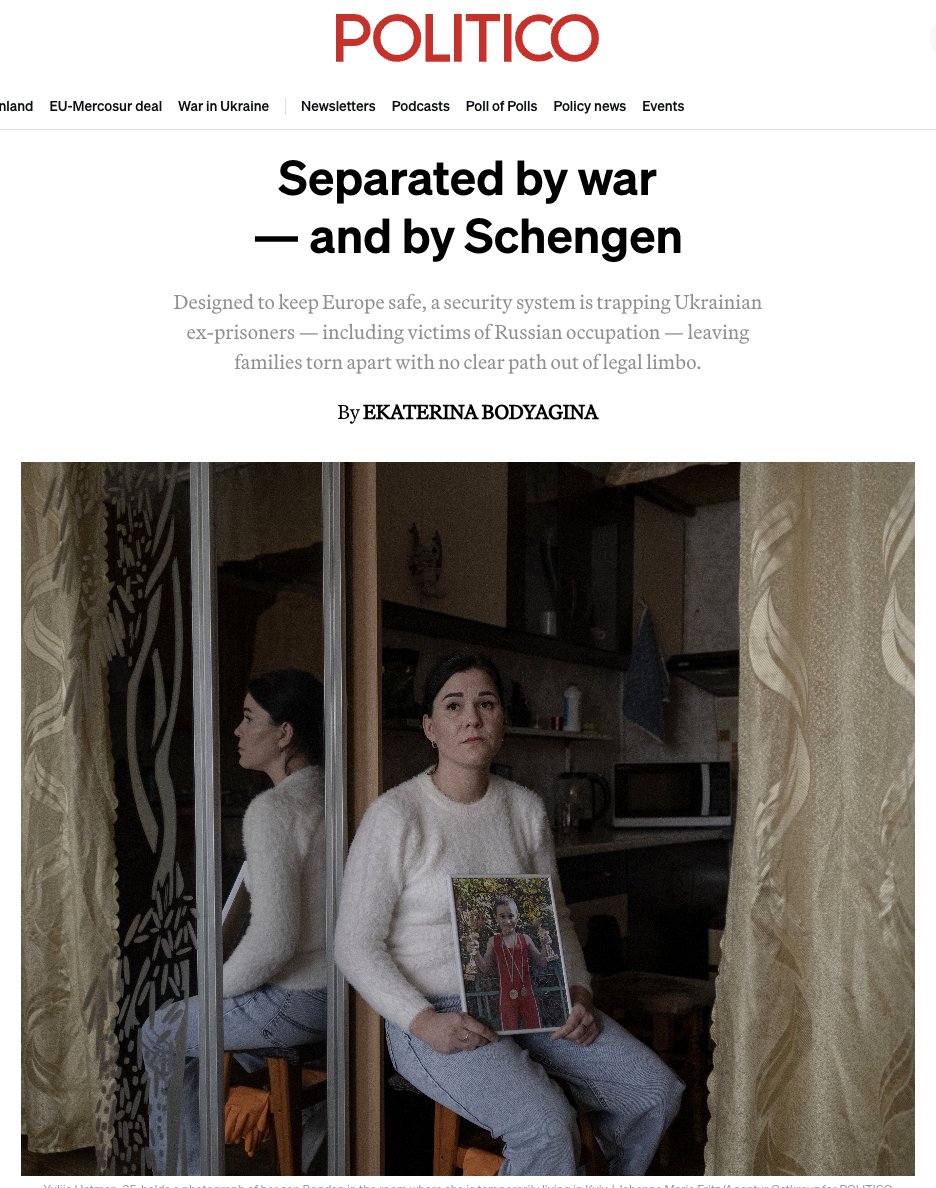


“For many Russian men, this is the last opportunity to build a life that feels meaningful” Despite heavy losses in #Ukraine, Russia continues to raise new forces and replace its dead. Enabling this is a nationwide, quasi-commercial headhunting industry that recruits roughly 30,000 new soldiers per month. For this @politico & @welt investigation, we reviewed recruitment channels across Russia and interviewed multiple recruits and recruiters. Here are three key findings: 1. For Russian men, war now advertises itself like any other job. Offers for front-line contracts circulate on Telegram alongside group chats, promising life-changing money and incentives. Criminal records, illness and even HIV are no longer automatic disqualifiers. “These measures target a specific demographic: socially vulnerable men,” says political scientist Ekaterina Schulmann. An analysis by economist @jakluge, based on data from 37 regions, shows that average signing bonuses have climbed to more than 20,000$. “This kind of money can completely transform a Russian family’s life,” said Kluge. Incentives go beyond cash, with pledges of debt relief, free childcare for soldiers’ families and guaranteed university places for their children. 2. Russia has built a coordinated recruitment system run through more than 80 regional governments. Pressured by the Kremlin to deliver manpower, the regions have become de-facto hiring hubs. What began as a wartime fix has hardened into a quasi-commercial headhunting industry. Any Russian citizen can now work as a wartime recruiter who earn commissions of up to $3,800 for delivering bodies to the front. “The program works surprisingly well, but it has become far more expensive for the Kremlin,” says Kluge. Russian regions are already tapping reserve funds to maintain recruitment levels. 3. German security officials say Putin is well-positioned to hit his declared target of a 1.5-million-troop army next year. The recruiting machine brings in roughly 30,000 volunteers every month. That number is sufficient to offset Russia’s heavy casualty rate and sustain long-term operations. “Russia is continuing to build up its army and is mobilizing on a scale that suggests a larger military confrontation with additional European states,” says @RKiesewetter, a security expert from Chancellor Friedrich Merz’s party. You can read our full investigation here 👇🏼@KatjaBody politico.com/news/2025/12/0…
