@EvilBenavente Saca el juego de una vez, que me están temblando las manos de la anticipación D:
Español
KensukeVG
12.8K posts
@KensukeVG
Soy un bufón que habla sobre Videojuegos: https://t.co/wIiXcaxppO Patrocinios: [email protected] // BESTO FRIENDO

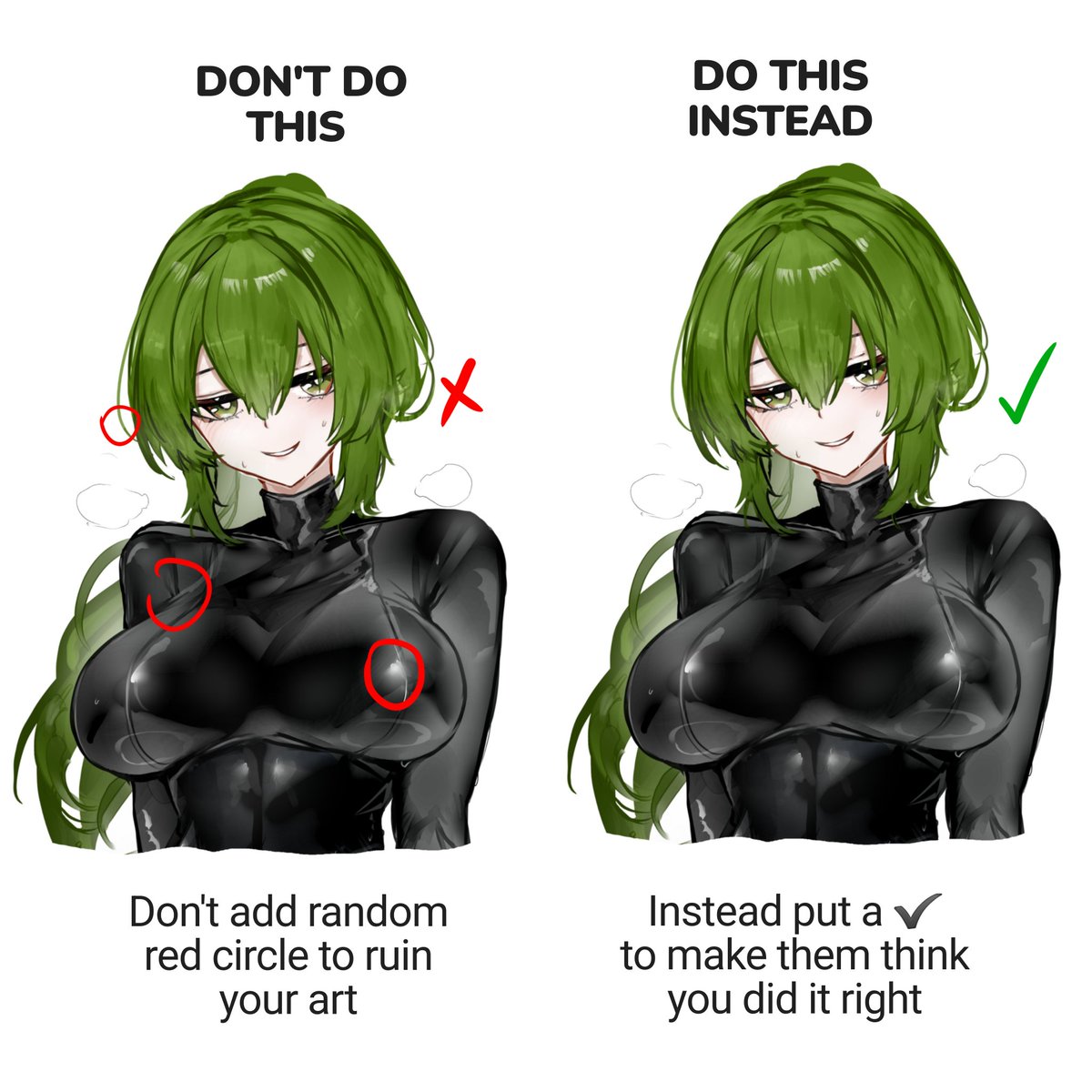
This is my indie game and she is the Main Character!


@alphyna @shmowder_yt I’m honored!


Dana Gioia is one of the world’s greatest living poets. He’s been writing for ~55 years, and this 3-hour interview is all about his approach to writing. Some lessons: 1. What is poetry? Here’s a definition: “Poetry is a way of remembering what it would impoverish us to forget.” 2. And who is the mother of the muses? Mnemosyne, the goddess of memory. 3. You can’t understand poetry until you start learning it by heart. Yes, memorizing it. The metaphor of knowing something by heart means storing a piece of wisdom in the center of your being and making it a part of you. 4. Poetry exists in the body before it exists in language. For him, great writing is about putting form to felt sensations. 5. First drafts are an act of madness. They’re messy and chaotic, and it’s worth embracing that. Only in the process of revision does the structure begin to reveal itself. 6. The most valuable ideas arrive suddenly, fully formed but fragile, and they won’t wait for you to be ready. If you don’t write them down immediately, you’ll probably forget them. 7. His artistic process: Confusion, followed by madness, exhilaration, and despair. 8. Aspiring writers who can’t find the time to write run the risk of living a life of regret, where destiny takes the wheel and steers them off-course. Seneca says, “If you follow your destiny, it guides you. If you resist it, it drags you behind it.” 9. What’s the purpose of art? Most people, most of the time, go through life half-awake. The purpose of art is to awaken us to reality and help us feel our situation. Done right, it excites, expands, and refines our complete human intelligence. 10. Can you write with a full-time job? T.S. Eliot had a day job at a bank. Wallace Stevens was an insurance lawyer. Dana Gioia worked a full-time job in New York and wrote in the evenings. 11. Life is like a wallet full of one-hour bills. You only have 24 hours to spend every day. If you want to do serious writing while raising a family and maintaining a full-time job, almost every hour of every day has to be budgeted. 12. Poetry should turn. It shouldn’t just climb to an emotional height. It should pivot, contradict, or contain its own rebuttal. But most new poems go something like this: “I’m sad, I’m sad, I’m sad, I’m sad, the end,” or “I’m happy, I’m happy, I’m happy, the end. There’s no twist, no turn. 13. You don’t need to be 100% original. All you need to do is assemble parts of the reality that already exists. As George Balanchine said, “God creates, I assemble.” 14. A foundational book in his life: The City of God by St. Augustine. He says there are two cities that exist: There’s the City of Man, which is ruled by wealth and power and all the laws of man. And there’s the City of God which is eternal and governed by the rules of God. 15. Great poetry exists at the level of intuition, and it’s the same intuition that academic education tries to suppress. With great poems, like great songs, you feel before you understand. 16. Art is an argument with yourself. Yeats said: “Out of arguments with others, we make politics. Out of arguments with ourselves, we make poetry.” 17. Great writing should astonish the creator, and if it doesn’t astonish the creator, it won’t astonish the reader. 18. Robert Frost once said: “No tears in the writer, no tears in the reader. No surprise in the writer, no surprise in the reader.” 19. Beauty is being able to see the form, the shape underneath reality, and to understand why it is right, even when it is destructive or terrifying or humiliating. The most powerful kind of beauty is to discover the secret shape and rightness of things that are terrifying. 20. On novels: Most people don’t understand what a novel is — and how revolutionary the form was. So, what’s a novel? It’s a story that tells you simultaneously what’s happening on the outside of a character and what they’re thinking on the inside. I’ve shared the full interview with @DanaGioiaPoet below. If you’d rather watch it on YouTube, or listen on Apple or Spotify, check out the reply tweets.

I realized I didn’t give a proper thank you