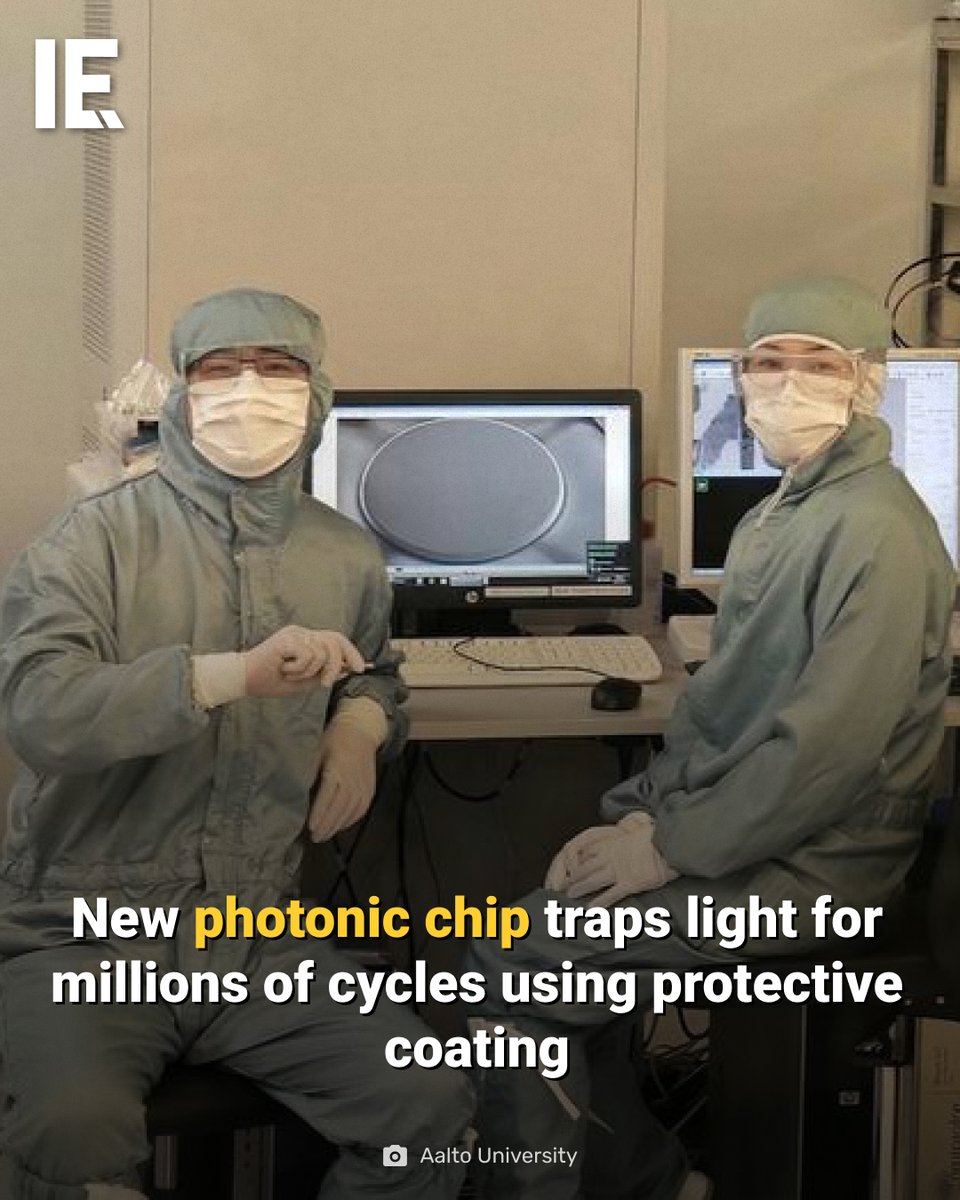
Superconductors conduct electricity without resistance and offer a path forward for quantum computers. Researchers @nyuniversity used tools @BrookhavenLab to study why some alloys of silicon are superconducting while others are not: bnl.gov/newsroom/news.…
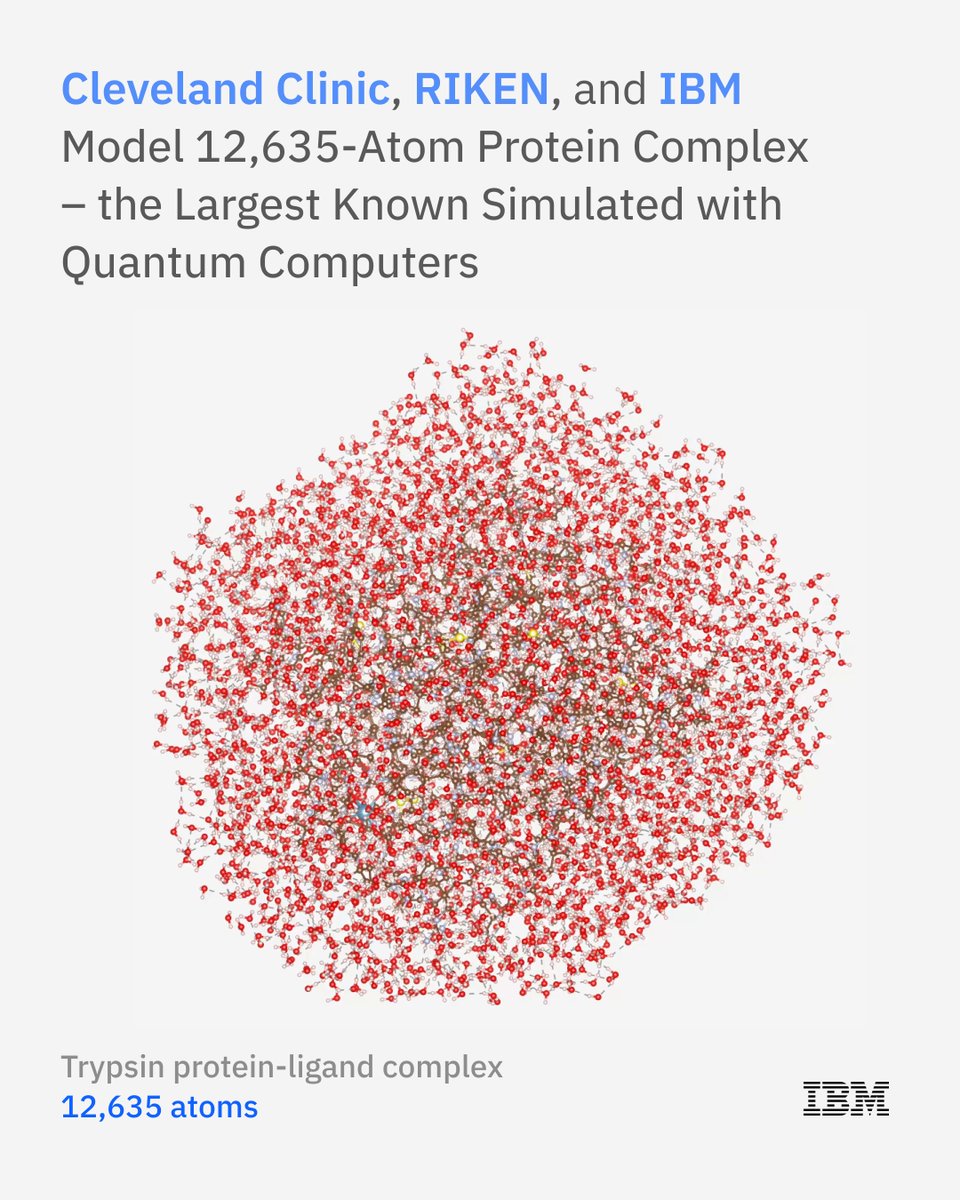
Largest protein simulation yet on a quantum computer. 🚀
Explore how @ClevelandClinic, @riken_en & IBM modeled 12,635 protein complex with new algorithm and quantum‑centric workflow:
ibm.co/6011EzH8f
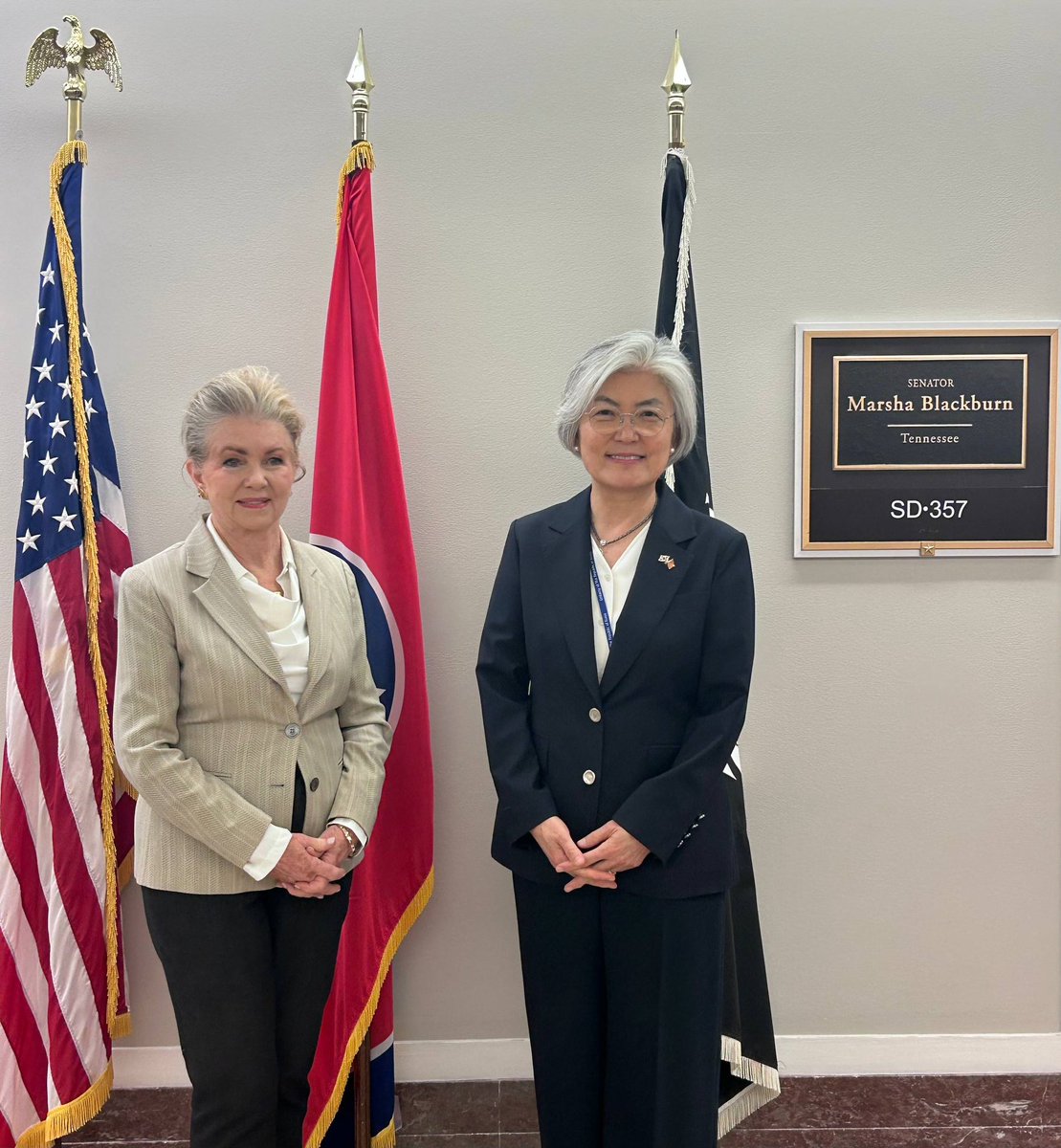
Great meeting with @MarshaBlackburn to discuss the future of the ROK-U.S. Alliance and economic partnership. With growing Korean investment and exciting prospects in nuclear energy cooperation, Tennessee is a shining example of our Alliance driving shared prosperity.
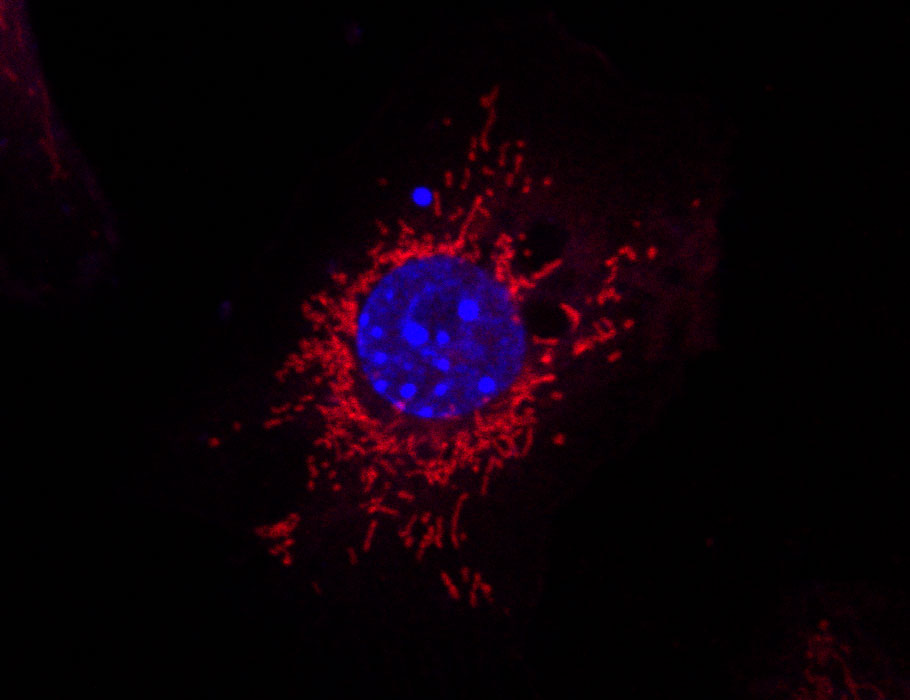
Discovery: When a parasite invades a cell, the cell’s mitochondria react by shedding their outer layers to form brand-new cellular compartments — or organelles — that digest molecular trash.
go.nature.com/4twGhcR
Mitochondrial fission promotes an ancient host defense pathway in mammalian macrophages and in worms, which could be exploited for future antibacterial treatments.
Learn more in @SciImmunology: scim.ag/4ctAEWL
“Every blunt instrument applied accelerates Chinese indigenization, strains allied relationships, and narrows the window in which Western equipment remains indispensable.” csis.org/analysis/new-m…
Anthropic introduced Claude Mythos Preview, a highly capable model that can autonomously identify and exploit serious software vulnerabilities.
Because of its inherent risk, the company has not released the model publicly. Instead it is working with industry partners to find and fix critical flaws before broader deployment.
Learn more in The Batch: hubs.la/Q04cBS340
Anthropic’s restricted "Mythos" AI model has been accessed by unauthorized actors. Discover the fallout of the breach and the risks of autonomous cyber-sabotage.
meterpreter.org/the-keys-to-th…
Flashlights and lasers in space? 💥
During a solar flyby, NASA’s Parker Solar Probe made a surprising discovery about high-speed particles accelerated by explosive events on the Sun:
Protons spread out like a flashlight beam 🔦
Heavy ions shoot out straight like a laser ⚡
This unexpected data is hinting at the power source behind solar storms that disrupt tech on Earth. More: go.nasa.gov/42b3ipy
Did you know that the porous materials called metal–organic frameworks (MOFs) developed by the 2025 chemistry laureates can be used to harvest water from desert air, capture carbon dioxide and remove chemicals from water?
#WorldCreativityAndInnovationDay#NobelPrize
Illustration: MOF-303 can capture water vapour from desert air during the night. When the sun heats up the material in the morning, potable water is released.
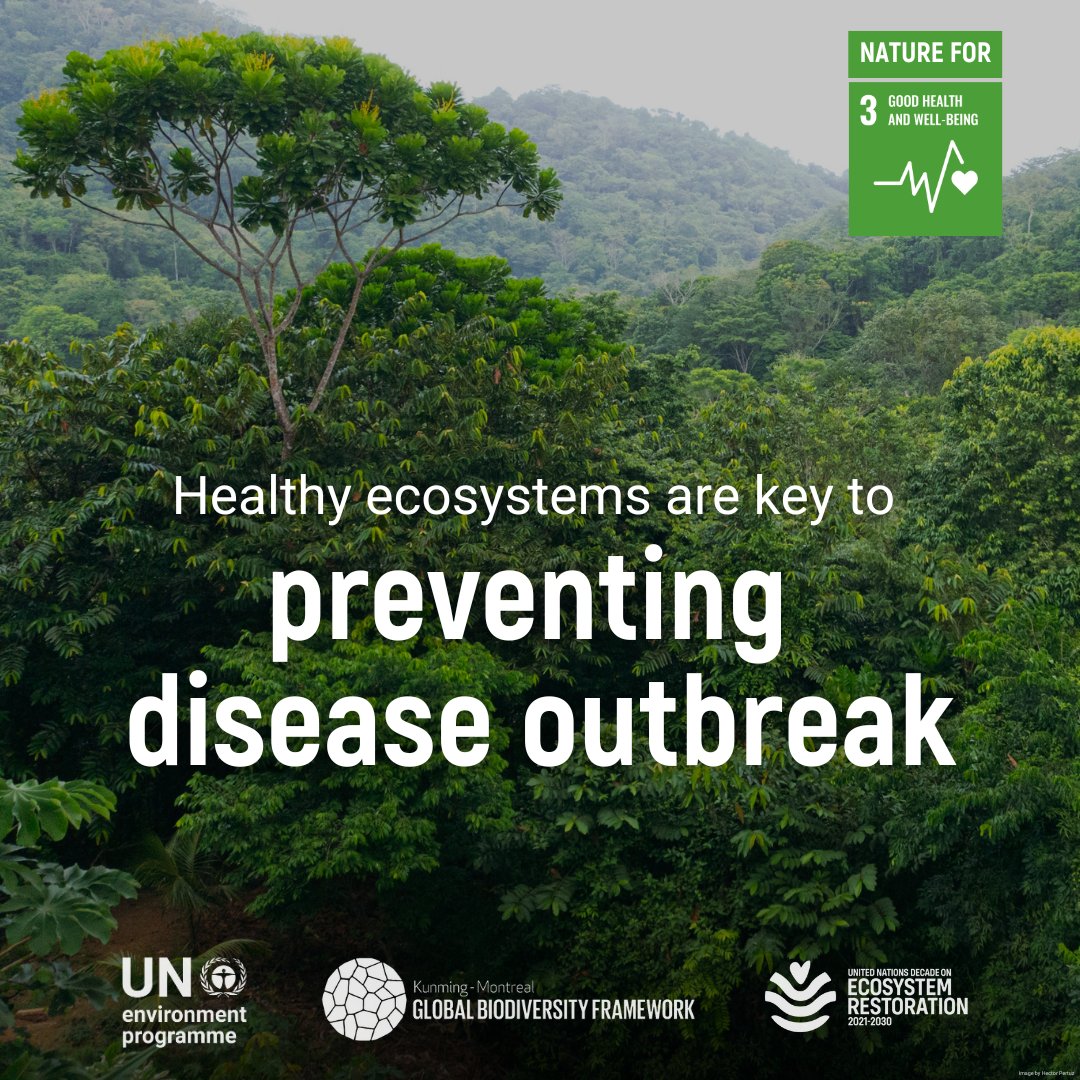
Healthy ecosystems are key to the health and well-being of people everywhere.
This International Wellness Day, explore how the Global Biodiversity Framework supports the #GlobalGoals for a healthy planet and people:
ow.ly/gWoi50YIEn8
For years, the gold standard for spotting early Alzheimer’s was the amyloid PET scan, which could detect brain plaques 10 to 20 years before symptoms appeared. However, a groundbreaking study has identified a “pre-early” warning sign.
Researchers found that a blood test for pTau217 (phosphorylated tau 217) can predict amyloid buildup and cognitive decline even when initial brain scans appear perfectly normal. This discovery could shift Alzheimer’s screening from expensive, invasive scans to a simple, scalable blood test during routine checkups.
neurosciencenews.com/ptau217-blood-…#Alzheimers#neuroscience#health (1/3)
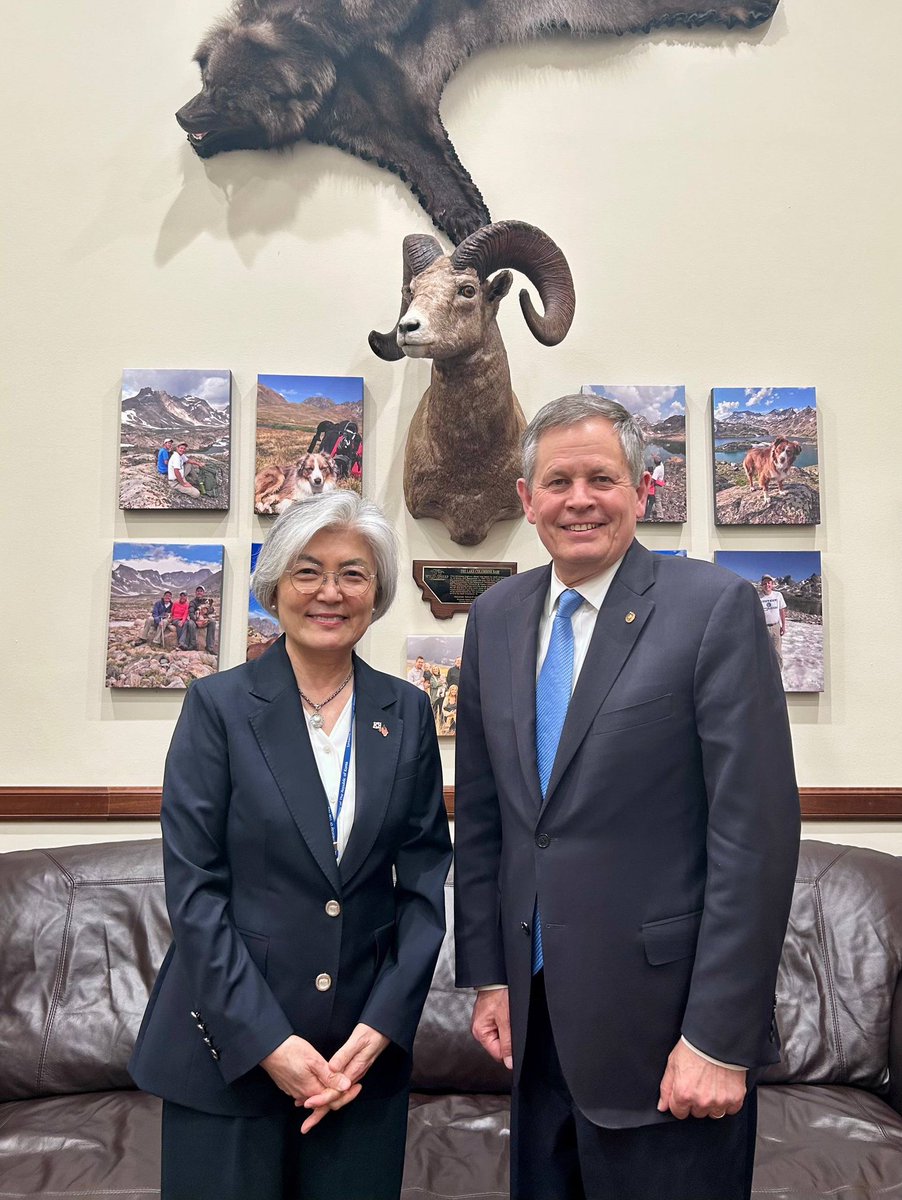
A deep and wide-ranging discussion with @SteveDaines on advancing the ROK-U.S. Alliance across security, energy, and economic partnerships. Grateful for the Senator's steadfast friendship with Korea and strong support for taking our Alliance to the next level.
Researchers at the Korea Advanced Institute of Science and Technology (KAIST) have created an innovative spray-on powder called AGCL that can stop severe bleeding in about one second.
This powder, made from safe, natural ingredients like alginate, gellan gum, and chitosan, instantly forms a strong hydrogel barrier when it contacts blood. It reacts with calcium ions in the blood to seal the wound quickly, even in deep or irregular injuries—unlike traditional bandages that often fall short.
The material absorbs more than 7 times its weight in blood, sticks firmly under high pressure, and supports fast tissue healing. It's fully biocompatible, with very low risk of cell damage.
Developed with input from an active-duty South Korean Army Major, it's built for extreme conditions like battlefields and disaster zones, where rapid bleeding control can be life-saving. It also stays effective for up to 2 years in hot or humid storage.
This breakthrough promises to transform not only military trauma care but also civilian emergencies, surgeries, and medical aid in remote areas. The research was published in Advanced Functional Materials.
[Son, Y., Pak, K., Lee, T., Prayogo, M. C., Choi, J., Kang, S., Kang, M., Oh, B., Sun, S. Y., Kim, S., Im, S. G., Jon, S., & Park, S. (2025), "An Ionic Gelation Powder for Ultrafast Hemostasis and Accelerated Wound Healing", Advanced Functional Materials]
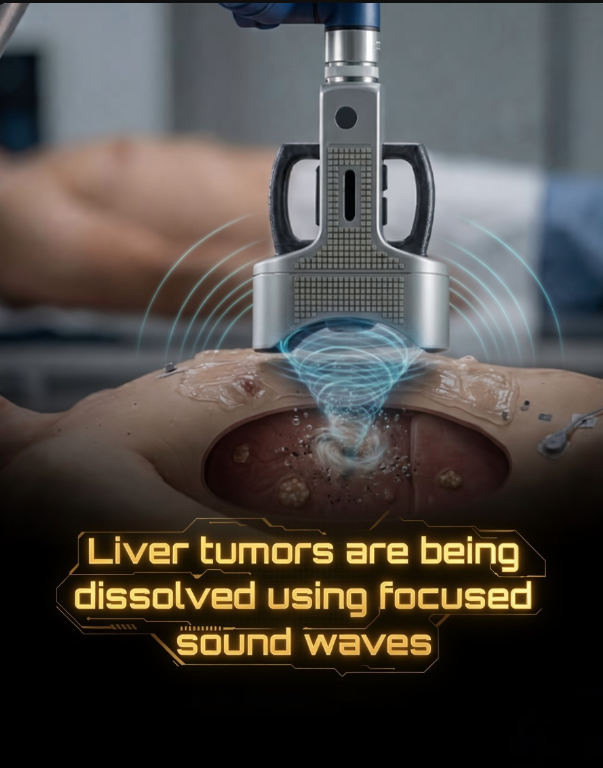
Medical oncology is witnessing a transformative shift with histotripsy, an innovative, incision-free therapy that uses precisely focused ultrasound waves to mechanically disintegrate liver tumors.
Developed over two decades at the University of Michigan and commercialized by HistoSonics through the Edison system, this approach creates microscopic "bubble clouds" within the tumor tissue. These bubbles rapidly expand and collapse, producing intense mechanical forces that liquefy and destroy cancerous cells at the cellular level—without heat, radiation, or surgical cuts.
Unlike conventional treatments such as surgery, ablation, or radiotherapy, histotripsy is entirely noninvasive and highly targeted. Real-time imaging guides the ultrasound pulses to spare adjacent healthy liver tissue and vital structures. The outpatient procedure often allows patients to return home the same day, minimizing recovery time, pain, and risks associated with invasive interventions. It is particularly valuable for individuals with inoperable primary liver cancers (like hepatocellular carcinoma) or metastases from colorectal, breast, or other sites.
Clinical evidence from pivotal trials, including the international #HOPE4LIVER studies, has been compelling. The trials achieved a technical success rate of approximately 95% in fully targeting and ablating tumors, with low major complication rates (around 6-7%).
Longer-term follow-up data indicate strong local tumor control, with rates approaching 90% at one year in many cases, alongside favorable safety profiles. These results supported the U.S. FDA's clearance of the Edison system in late 2023 for treating liver tumors, accelerating its adoption at centers worldwide. By early 2026, thousands of patients have undergone the procedure, with ongoing expansions to other organs like kidneys and pancreas in clinical trials.
This "sound-based surgery" marks a paradigm change from destructive "cutting and burning" methods to gentler, precision-guided disruption. As research progresses, histotripsy holds promise for broader applications, potentially enhancing immunotherapy responses and improving outcomes for patients facing limited options.
[Ziemlewicz, T. J., et al. "The #HOPE4LIVER Single-arm Pivotal Trial for Histotripsy of Primary and Metastatic Liver Tumors." Annals of Surgery, vol. 282, no. 6, 2025, pp. 908–916. (1-year outcomes, local control rates, and efficacy data.)]
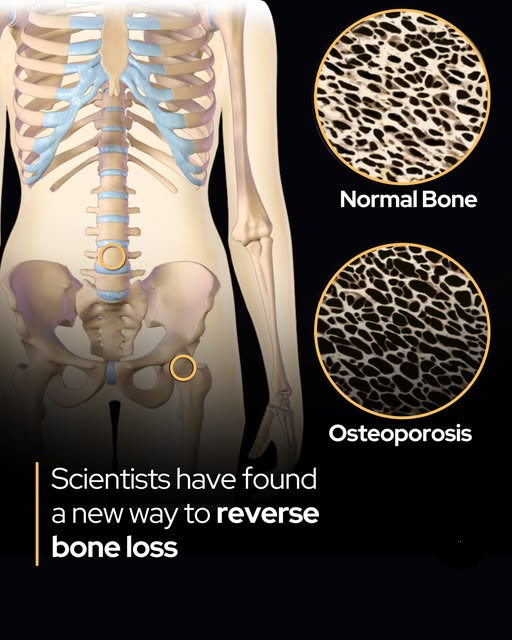
Scientists just found a way to reverse osteoporosis – not just slow it.
Researchers from the University of Leipzig and Shandong University have identified GPR133, a cell-surface receptor that functions as a master regulator of bone-building cells called osteoblasts. When GPR133 is switched on, osteoblasts ramp up activity and dramatically increase bone density.
In mouse experiments, animals engineered without the GPR133 gene developed fragile, porous bones similar to human osteoporosis. However, treating them with a synthetic activator called AP503—a small molecule discovered through computational screening—rapidly strengthened their skeletons. Remarkably, AP503 not only boosted bone mass in healthy mice but also reversed osteoporosis-like damage in older or diseased animals, with even greater effects when paired with physical exercise.
Because GPR133 influences bone density in humans and the underlying molecular pathways are highly conserved across mammals, the findings raise hope for a breakthrough osteoporosis therapy. Unlike existing drugs that merely slow bone loss (and often carry side effects or waning efficacy), a GPR133-activating compound could actively rebuild bone from within.
This approach could be particularly transformative for postmenopausal women, who face the highest risk of debilitating fractures, offering a safer, more effective way to restore skeletal strength.
["The mechanosensitive adhesion G protein-coupled receptor 133 (GPR133/ADGRD1) enhances bone formation." Signal Transduction and Targeted Therapy, 30 June 2025]
Scientists say they have made some of the first direct measurements of how long it takes an individual, ordinary protein to fold – and the results were surprising.
go.nature.com/4ukn8eZ