The Scoliosis Advocacy Network #BackUs@scolionetwork
@ClarCahill writes - 1 of 2.
When waiting lists are discussed, they are often treated as an administrative problem. For our family, waiting lists have defined our child’s life.
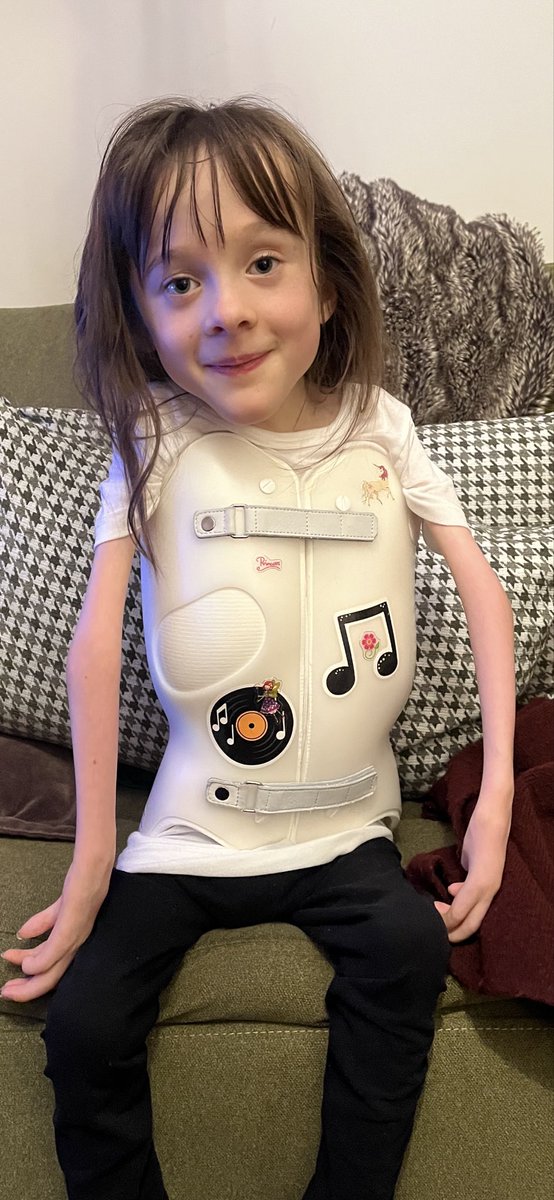
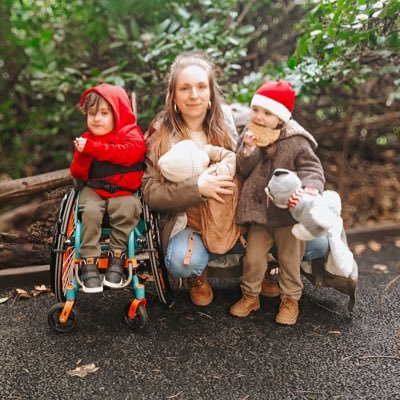
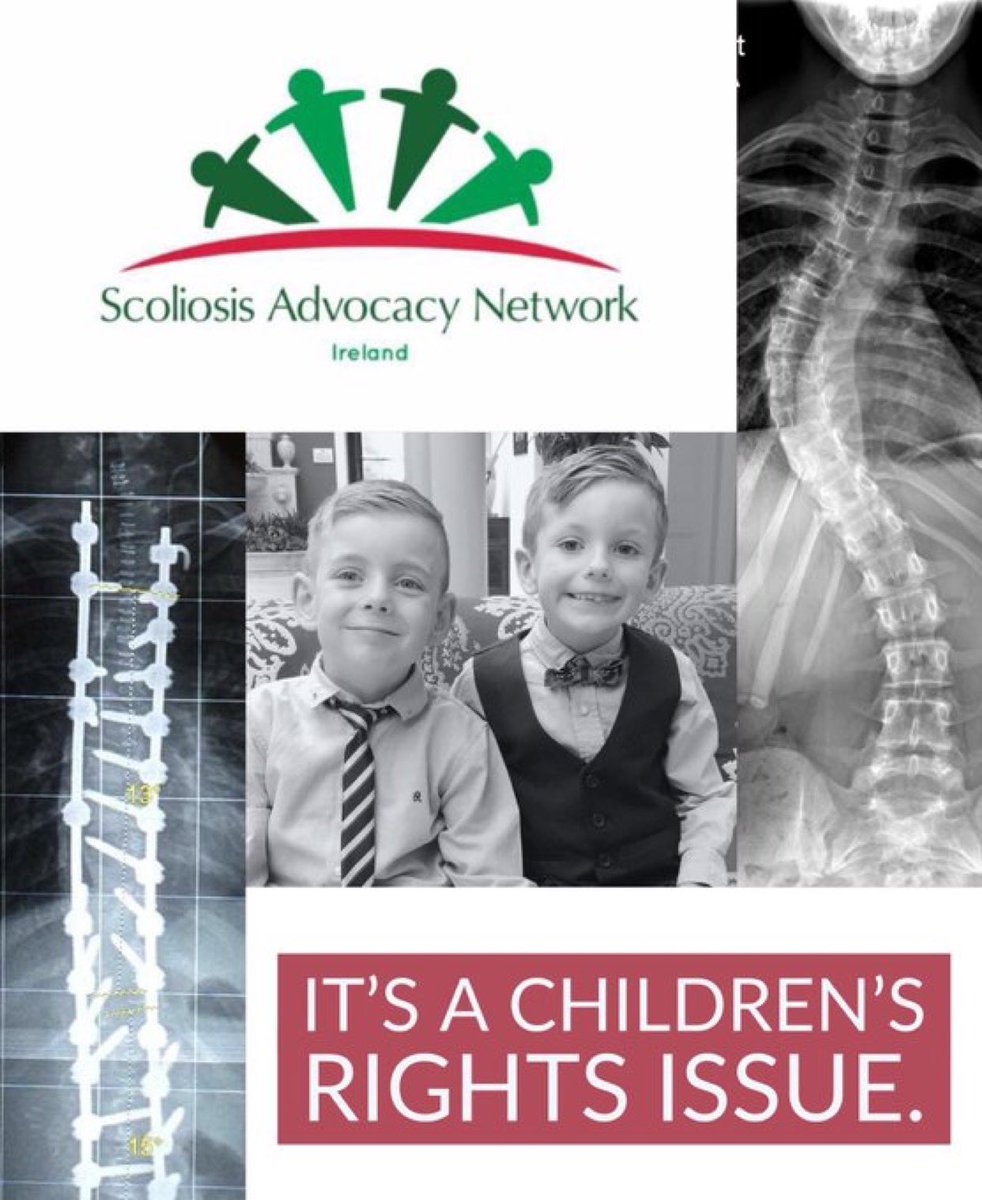
Darragh has early onset scoliosis, diagnosed at around 18 months of age, a serious and progressive spinal condition where delay causes harm. From infancy, his care has been continuous and escalating. He has undergone serial body casting, bracing, halo traction, implantation of MAGEC growth rods, and now has traditional growth rods in place. He is currently on a waiting list for spinal fusion, which requires removal of those rods and definitive surgery. Due to the complexity of his spinal condition, this treatment is expected to involve more than one spinal operation.
Delays have occurred at every stage of that journey. They have not been limited to surgery.
Early in his care, delays in accessing a spinal MRI postponed the initiation of serial body casting. That delay mattered. Similar delays have followed throughout his care, across diagnostics, specialist access and interventions.
2015–2016
At just six years old, Darragh appeared on the RTÉ documentary Living on the List. Even then, he had already waited too long for treatment. His condition deteriorated while he waited.
By the time surgery was finally planned, he required halo traction due to the severity of his curve. We were warned of a high risk of rod failure because of his low body weight and clinical condition. He was described as cachectic, with muscle wasting comparable to that seen in end-stage cancer.
This period caused lasting trauma for our family.
2016–2022
Darragh had MAGEC rods implanted. They remained in his body for five and a half years. During that time, the rods stopped functioning and migrated into spinal bone and the spinal canal.
The manufacturer had issued a safety notice stating that MAGEC rods should be removed after two years.
CHI never informed our family of this safety notice, never discussed it with us, and never acted on it.
When the notice was published, Darragh’s rods had already been in his body for five years. Despite clear complications, they were left in place for a further six months.
In 2022, Darragh required major surgery to have the rods removed. By this point, the use of MAGEC rods had been paused in Ireland due to safety concerns. When surgery finally took place, the rods had to be cut out of his spine.
Once again, access to care required escalation. I had to directly contact senior leadership, including the CEO of the HSE, to secure surgery for my child.
It took four years for CHI to formally acknowledge that this safety notice had never been disclosed to our family.
2024–2025
On 14 November 2024, Darragh was listed for spinal fusion surgery and categorised as semi-urgent, meaning surgery should occur within 13 weeks or less under the HSE’s own framework.
He completed all pre-operative assessments in January and February 2025 and was medically cleared for surgery.
There has been no date.
At a clinic appointment in April 2025, we were told there was no timeframe. Since then, there has been no proactive communication from Children’s Health Ireland regarding scheduling, planning or options for care. Darragh has now been on a semi-urgent surgical waiting list for 59 weeks, and during that entire period there has been no phone call, no proposed surgery date, no scheduling information and no offer of a hospital or pathway for care.
Apart from a generic circular letter, there has been no proactive management of Darragh’s case during that time.
Despite pathways existing, Darragh has never been offered any access to outsourcing, either nationally or internationally. He was never offered access to the Blackrock pathway.
We were told this was because his treating consultant does not operate out of the Blackrock Clinic. As a result, Darragh was excluded from a pathway presented as national, not on the basis of medical need or urgency