Sabitlenmiş Tweet
Labeeb Gulzar
5.7K posts

Labeeb Gulzar
@LabeebGulzar
|𝗪𝗲𝗮𝘁𝗵𝗲𝗿 Enthusiast| |Pluviophile| |Astrophile| |Nephophile| |Follow IMD for official forecasts| |Storm Chaser⛈️| |Astrophotographer⭐| |Remote sensing

Srinagar,Jammu and Kashmir Katılım Mart 2020
391 Takip Edilen2.6K Takipçiler

Gulzar sahib does it have the punch to affect chandigarh. Thanks
Labeeb Gulzar@LabeebGulzar
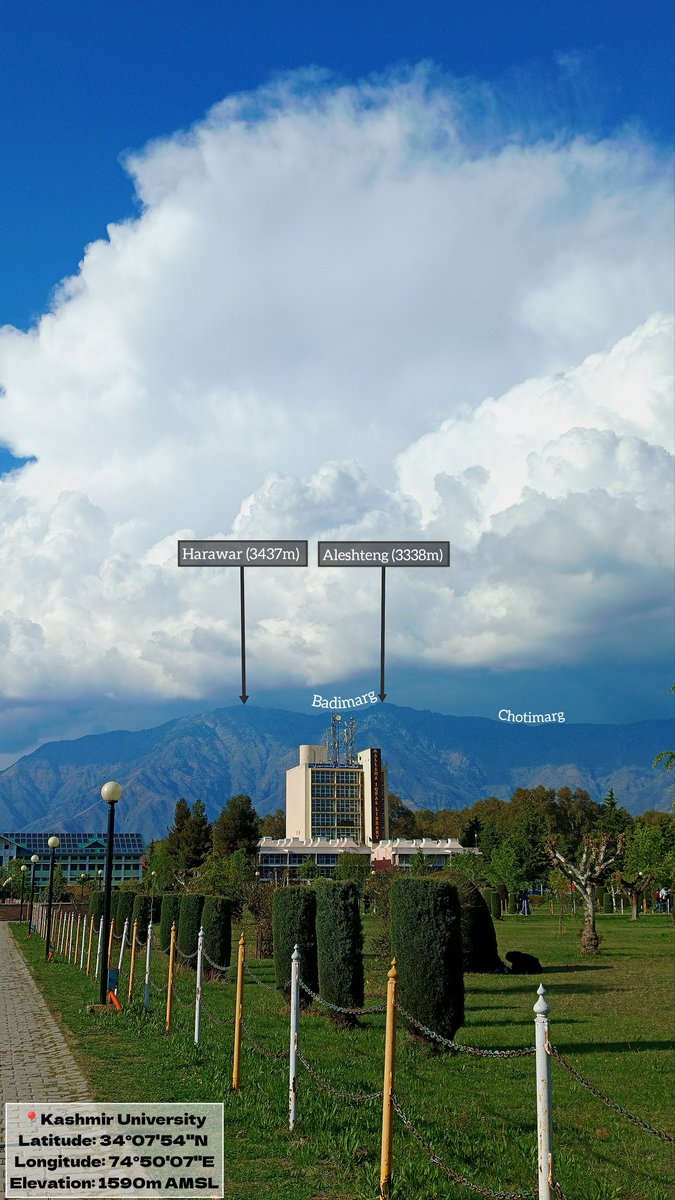
A massive thunderstorm has developed over the Northwestern Himalayas. ⛈️

English
Labeeb Gulzar retweetledi

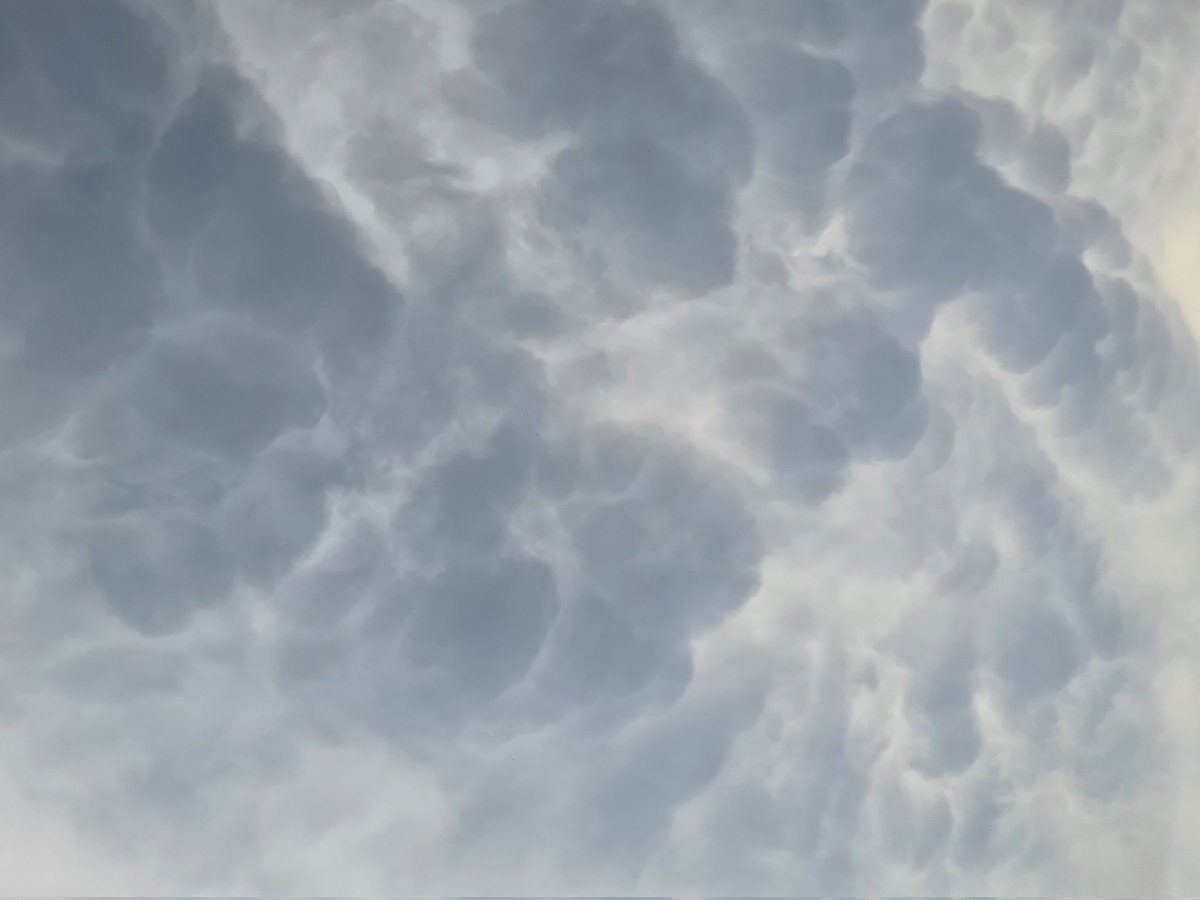
Mammatus clouds.
☁️
May 2025.


Labeeb Gulzar@LabeebGulzar
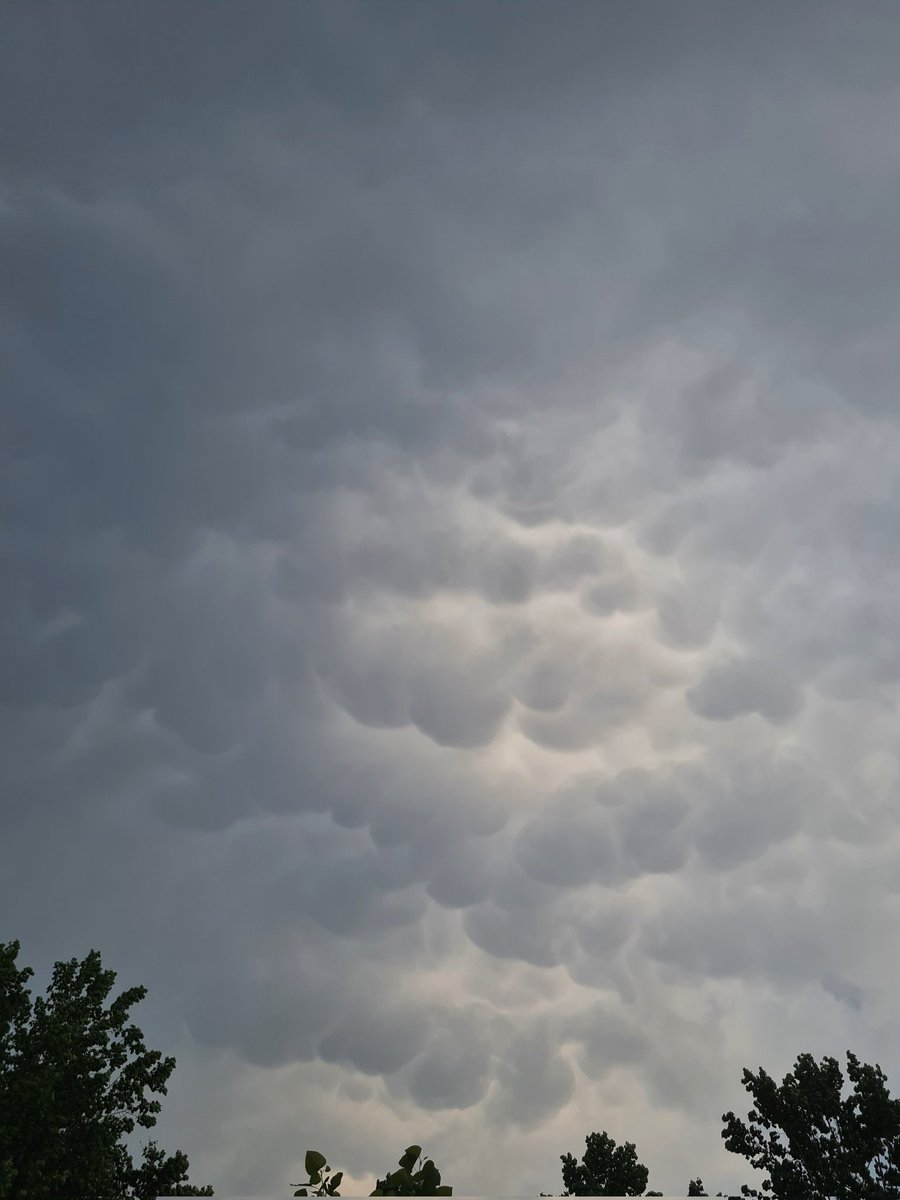
Mammatus Clouds ☁⛅ 📍University of Kashmir
English


“Wishing you a day filled with happiness and a year filled with joy. Happy birthday!” 🍾🥂@ETHYDA🎂🥳🍫 “Sending you smiles for every moment of your special day…🥰Have a wonderful time and a very happy birthday!” “Hope your special day brings you all that your heart desires!😘😘
English

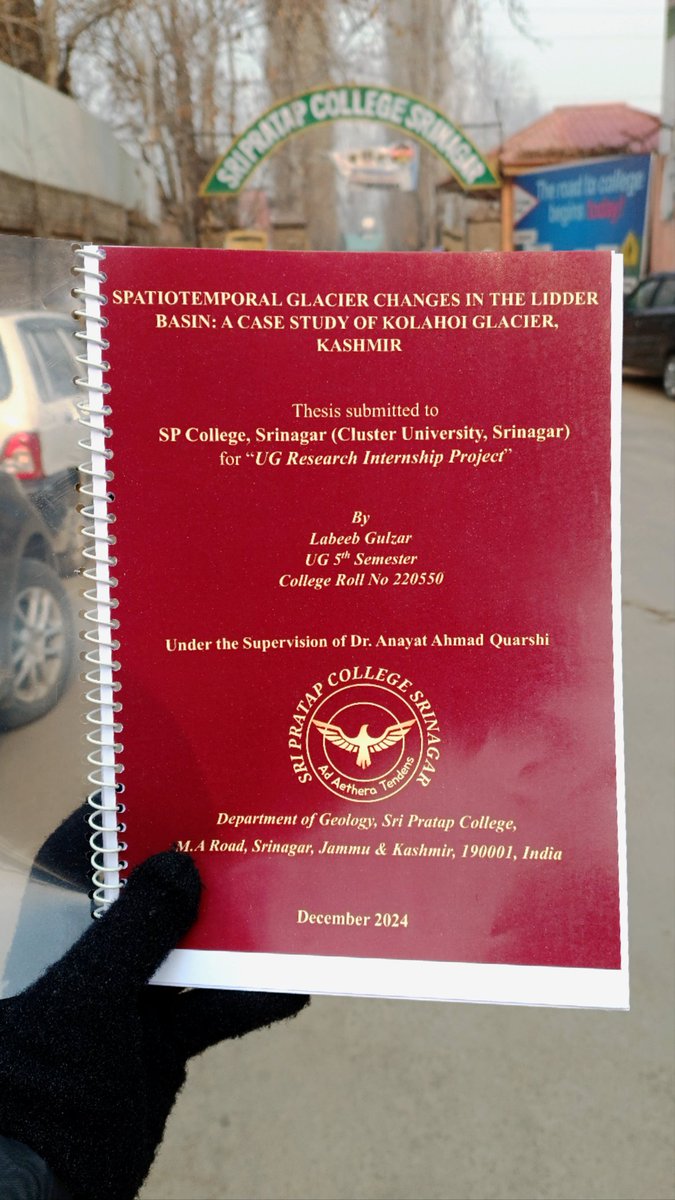
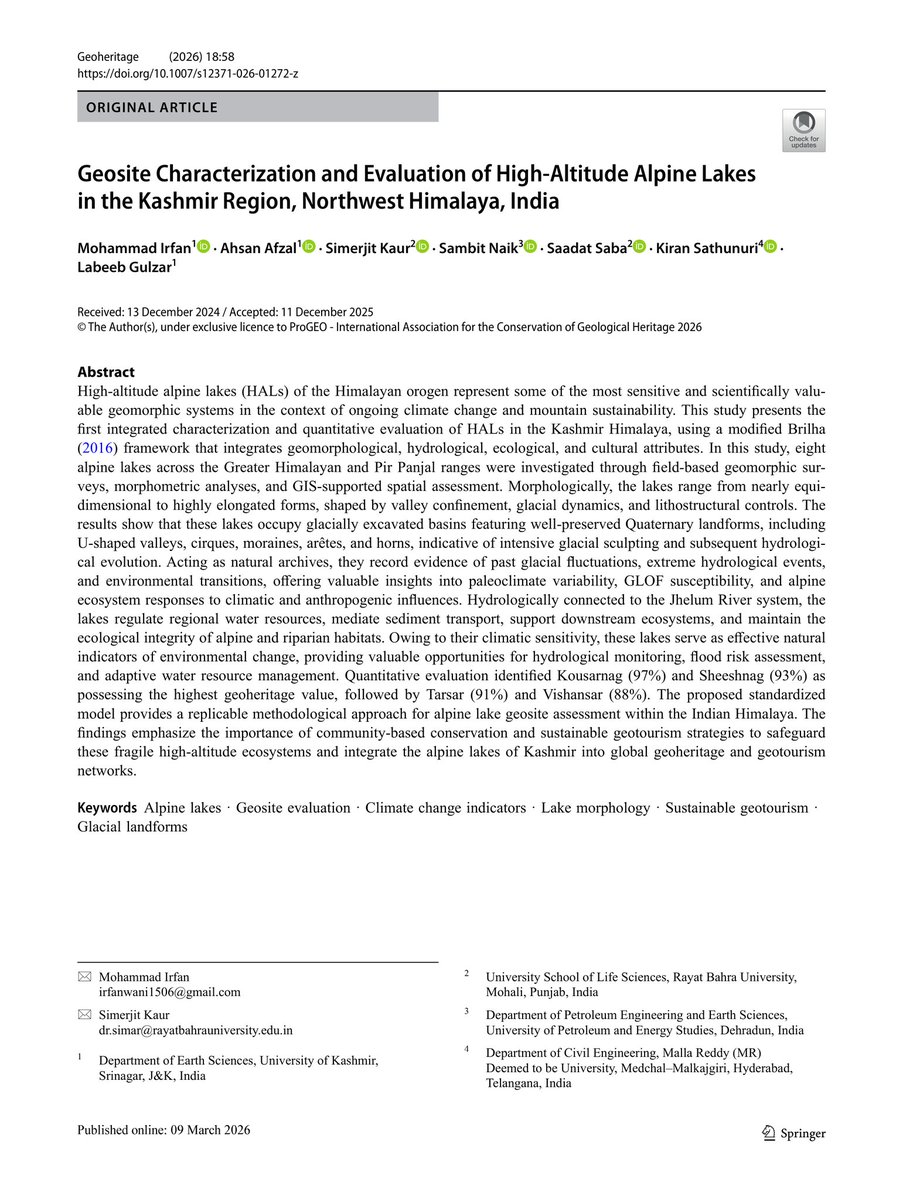
Alhamdulillah, I am happy to share that I am a co-author of the research article titled “Geosite Characterization and Evaluation of High-Altitude Alpine Lakes in the Kashmir Region, Northwest Himalaya, India,” published in the journal Geoheritage.
doi.org/10.1007/s12371…

English
Labeeb Gulzar retweetledi

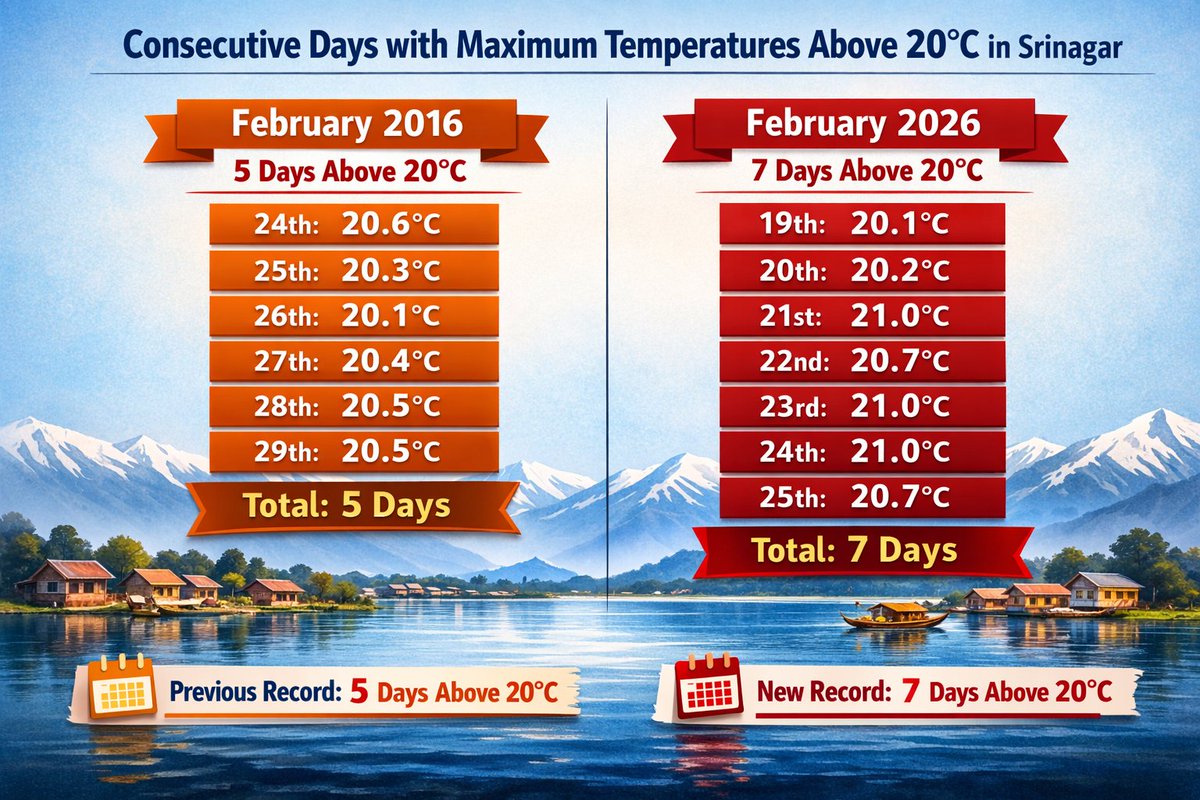
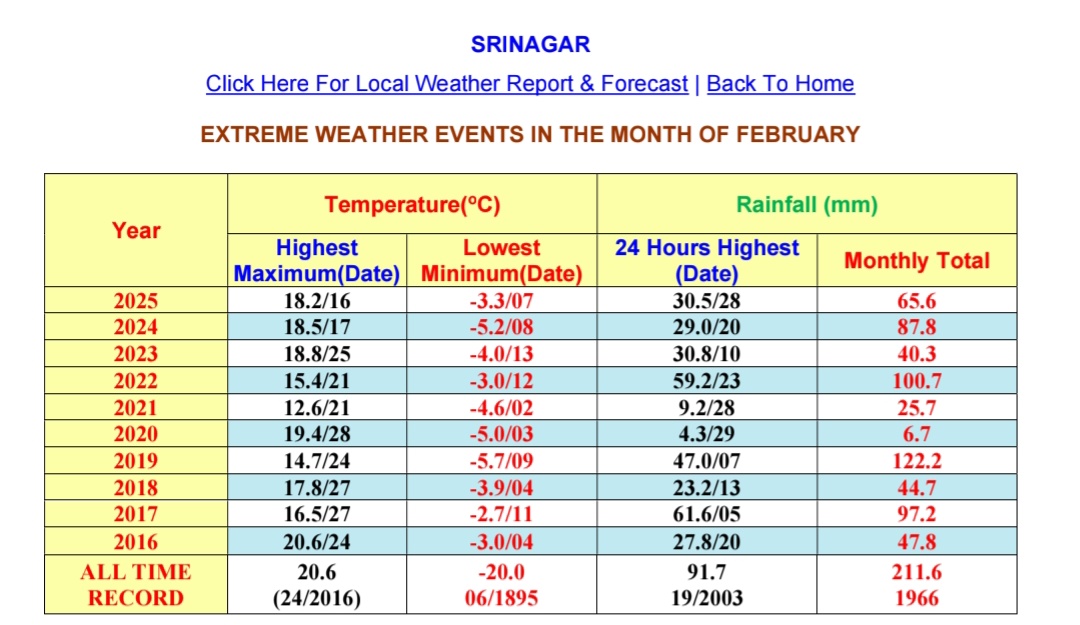
Srinagar Breaks February Warmth Record :
Srinagar has set a new February record, with seven consecutive days of maximum temperatures above 20°C. The previous record of five straight days, established in February 2016, has now been overtaken.
For perspective, Srinagar’s normal February maximum temperature typically ranges between 10°C and 12°C, making this prolonged spell of warmth highly unusual.
With the current weather pattern holding steady, the streak is expected to continue, meaning the newly set record could be extended further in the days ahead.

English

𝗥𝗲𝗰𝗼𝗿𝗱-𝗕𝗿𝗲𝗮𝗸𝗶𝗻𝗴 𝗧𝗲𝗺𝗽𝗲𝗿𝗮𝘁𝘂𝗿𝗲
#Climate Change
At 21.0°C, #𝗦𝗿𝗶𝗻𝗮𝗴𝗮𝗿 recorded its hottest February day ever, surpassing the previous record of 20.6°C set on 29 February 1940 and equalled on 24 February 2016.

English

@JahangirSofi4 @WajahatIqbal2 @MukhtarNaj69419 Another serious concern is soil liquefaction, especially in areas with water-saturated loose sediments. During strong shaking, the ground can temporarily behave like a liquid, causing buildings to tilt, sink, or collapse.
(3/3)
English

@JahangirSofi4 @WajahatIqbal2 @MukhtarNaj69419 In addition, land-use and land-cover (LULC) planning is largely ignored, leading to buildings being constructed on unstable soils and hazard-prone zones.
The region lies in one of the highest seismic zones of India, making it highly vulnerable to earthquakes.
(2/3)
English

Hear the seismic sound wave at the moment the earthquake hit.
Who thinks it's magnitude must be 4.8 only.
#Earthquake
#Kashmir
English

@JahangirSofi4 @WajahatIqbal2 @MukhtarNaj69419 Also, much of the Kashmir Valley is made up of soft and loose soil, Karewa deposits, and unconsolidated rocks. These types of ground materials tend to increase earthquake vibrations, making the shaking feel stronger and more rattling compared to solid rocky areas.
(2/2)
English

@JahangirSofi4 @WajahatIqbal2 @MukhtarNaj69419
The earthquake was a shallow one and occurred along the Magam-Balapur fault system in the Kashmir Valley. Because it happened at a low depth and the epicenter was within the Kmr Valley, the shaking was felt more strongly across the region.
(1/2)
English