Moana Latimer

93 posts

Moana Latimer

Moana Latimer

@Latimer1974

Katılım Ekim 2022
363 Takip Edilen113 Takipçiler
Moana Latimer retweetledi
Ray Dalio
Ray Dalio@RayDalio·
I have been asked by several people what I meant when I said “we are in a world war” in my most recent note. To be clear, I didn’t mean to convey that I expect a shooting war between the U.S. and China (or any of the great powers) anytime soon. What I meant is that we are in the phase of the Big Cycle when major powers are in military wars and that the various wars happening now are interrelated, hence we are in a “world war," with the sides lined up as I described and with the implications for each of the main players and the whole unfolding in relatively classic interrelated ways that I describe as a progression of the Big Cycle. For example, it is now widely believed that if the U.S. fails to open the Strait of Hormuz to have free shipping and to protect its Gulf Allies from attacks, countries all around the world (most importantly in Asia) will conclude that the U.S. might not be the strong ally and countervailing force to China that they thought it would be. which will lead some to tilt economically and geopolitically more toward China in a number of ways - e.g. to buy less U.S. debt (which is what happened to the British in the Suez Crisis, bringing about the ultimate end of their Empire) - and it could lead others to build up their military capabilities.  As I complete my nearly three-week trip in Asia, I can convey that what I am saying is based on a lot more than conjecture. The reason I do not expect a U.S.-China military war soon, but I do expect a lot of brinksmanship, is because both nations realize that such a war would be devastating and that it would be impossible to fully win over the other, at the same time as they won’t want to give much.  Also, each country believes in its own economic and political systems and that the outcomes of those systems will determine their relative powers. And both nations have critically important domestic issues to deal with.  Some people in leadership positions, especially in China, believe that the relative health, wealth, and power levels between countries is not as important as their own absolute health, wealth, and power levels, and that helping each other build these rather than tear them down is most important. For example, they believe that the world will be a dangerous place if the U.S. and China don't have AI cooperations and controls, and they are concerned that AI can be weaponized. Most countries know that most wars in history were won by one of the sides secretly developing new technologically advanced weapons and showing them to their opponents. So, I believe that both sides think that their wars will be non-military wars that will yield evolutionary changes in relative powers.  As for how the Chinese will fight, and how the world order related to it will evolve, it will probably look more like the type of war described in the “Art of War” (which I suggest you read if you haven't), and for how the new international world order will evolve, to the extent that it is influenced by the Chinese, it will evolve to be more like the tribute system (which I suggest you understand if you don’t) than the existing world order. At the same time, I expect that there will continue to be trade, capital, technology, cyber, and geopolitical influence wars between these great powers and that both will continue to have justifiable fears of being cut off from essential goods, services, and capital that will necessarily will greatly reduce imbalances and interdependencies as well as efficiencies in production and trade of goods, services, and capital. I also believe we will increasingly see these two powerful nations pressure each other because there is no other way to resolve disputes now that the rules-based multilateral world order has been replaced by a power-based, self-serving world order. Said differently, I expect that China will be very strong in its defense without being very aggressive in its offense.  That is not just for tactical reasons; it is also because China has strong cultural inclinations to be that way. I hope this is helpful in clarifying my thinking and as always I'd be happy to answer any other questions or hear your thoughts. Ray
English
190
611
3.3K
599K
Moana Latimer retweetledi
Mike Bellafiore
Mike Bellafiore@MikeBellafiore·
Start thinking of yourself as an elite trader. In everything you do, do what an elite trader would. Sleep like an elite trader. Prepare like an elite trader. Review like an elite trader. Collaborate like an elite trader. Build technology like an elite trader. Eat like an elite trader. Execute like an elite trader. Risk Manage like an elite trader. Exercise like an elite trader. Research like an elite trader. Build a PlayBook like an elite trader. Be open-minded like an elite trader. Think of yourself as an elite trader.
Mike Bellafiore tweet media
English
57
299
2.1K
99.5K
Moana Latimer retweetledi
CooperBaggs 💰🍞
CooperBaggs 💰🍞@edgaralandough·
We are overstimulated and we don't even notice. Netflix while eating. Reels in the bathroom. Music while cooking. Podcasts on walks. We consume by default, not by intention. You keep filling every gap, then wonder why you feel foggy and unmotivated. Boredom and silence are the real growth drivers. They give you space to think and create. That's when solutions show up for problems that have been stuck for months. Leave some room.
English
515
10K
63.7K
2.3M
Moana Latimer retweetledi
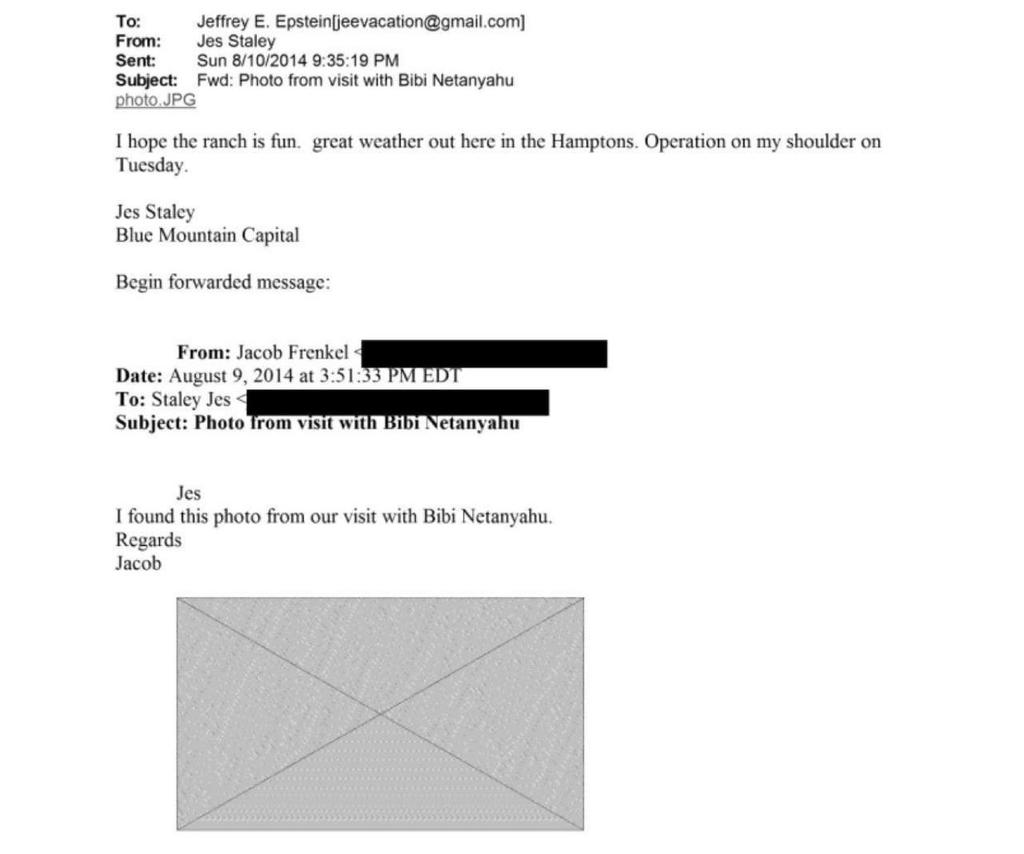
illuminatibot
illuminatibot@iluminatibot·
Israeli Prime Minister Netanyahu tried to remove his emails sent to Jeffery Epstein. His pictures are blurred and his name is mentioned 6300 times in the Epstein Files.
illuminatibot tweet mediailluminatibot tweet media
English
244
15.3K
33.1K
593.2K
Moana Latimer retweetledi
Andrew Aziz
Andrew Aziz@BearBullTraders·
The #1 reason for success? (most people completely overlook it) It’s not intelligence. It’s not background. And it’s not even opportunity. It’s the decision to keep working on yourself long after school ends and before results show up. The people who pull ahead aren’t magically smarter. They just keep learning when no one is watching. They read. They practice. They reflect. They adjust. Not because it’s exciting. But because it compounds. I’ve seen this pattern repeat across every area of my life. Trading didn’t change when I found a “secret strategy.” It changed when I treated learning as a daily responsibility. The same mindset carried into writing books. Building Trading Terminal. Climbing mountains. Growing a community. None of it came from one breakthrough moment. It came from steady self-education applied over time. If you want to grow faster, start here: 1/ Learn with intent ↳ Don’t collect information for motivation. ↳ Learn to solve a specific problem you’re facing. 2/ Apply before you consume more ↳ One idea used beats ten ideas saved. ↳ Action turns knowledge into skill. 3/ Build a daily learning habit ↳ Even 20 minutes compounds. ↳ Consistency matters more than intensity. 4/ Review your mistakes ↳ Reflection accelerates growth. ↳ Progress hides in honest feedback. 5/ Surround yourself with people who are growing ↳ Environment shapes behaviour. ↳ Growth is easier when it’s normal around you. Self-education doesn’t look impressive at the moment. But it quietly raises your baseline. And months later, people call it “talent.” Years later, they call it “luck.” What’s one skill you’re actively working on right now?
Andrew Aziz tweet media
English
25
14
107
12.7K
Moana Latimer retweetledi
Hedgie
Hedgie@HedgieMarkets·
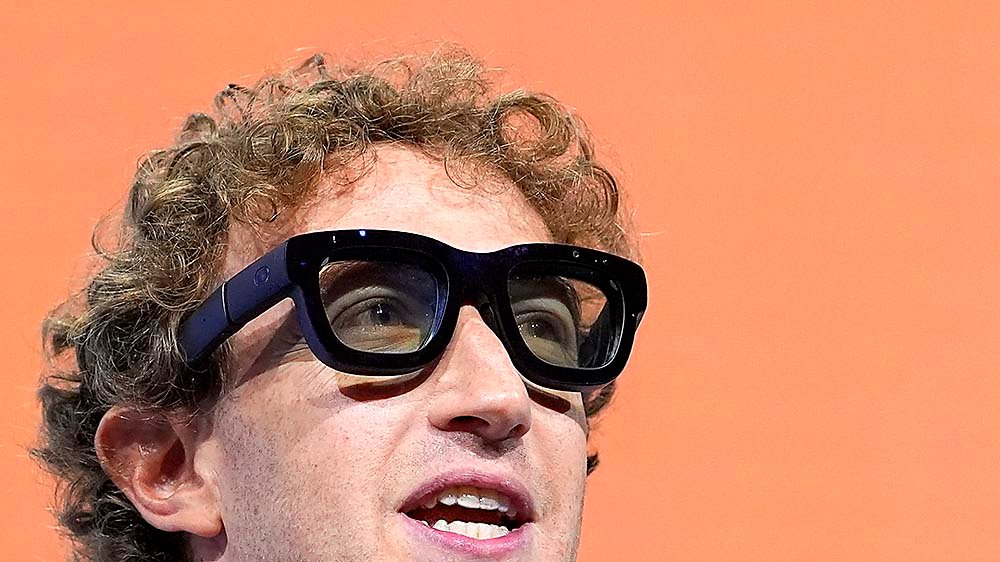
🦔 Meta contractors in Kenya told Swedish newspapers they're being asked to review intimate footage from Ray-Ban AI glasses, including people undressing, using the bathroom, watching porn, and filming sex. One contractor said users often don't realize they're still recording when they set the glasses down. Meta sold 7 million pairs in 2025, up from 2 million in 2023-2024 combined. Users can't use the AI features without agreeing to share data with Meta's servers, and the terms of service bury the fact that humans may manually review your footage. One annotator said "if they knew about the extent of the data collection, no one would dare to use the glasses." My Take This is the Google Home story again but worse. At least with cameras in your house, you know where they are. These are glasses you wear on your face that keep recording when you take them off and set them on your nightstand. And the footage goes to contractors overseas who are paid to watch and label it for AI training. One worker described seeing a man leave the room, then his wife come in and change clothes. People forget the camera is still on. Meta buries all of this in terms of service nobody reads. The product is marketed as a cool way to capture your life and interact with AI. The reality is strangers in Kenya watching you undress so they can annotate the footage to make Zuckerberg's AI better. Seven million people bought these last year. I'd bet almost none of them understood what they were actually agreeing to. Hedgie🤗
Hedgie tweet media
English
868
9.3K
25.8K
3.8M
Moana Latimer retweetledi
Aakash Gupta
Aakash Gupta@aakashgupta·
Everyone’s missing the real story here. Meta’s Ray-Ban glasses need human data annotators to train the AI. When you say “Hey Meta” and ask the glasses to analyze something, that video gets sent to Meta’s servers, then routed to Sama, a subcontractor in Nairobi, Kenya. Workers there manually label objects in your footage. They see everything you recorded, intentionally or not. 7 million pairs sold in 2025 alone. Every single pair generates training data that flows through human eyes in Kenya. Workers told Swedish journalists they see people undressing, using bathrooms, having sex, and accidentally filming bank card details. One worker said “we see everything, from living rooms to naked bodies.” Meta’s automatic face anonymization is supposed to protect people in the footage. Workers say it fails in certain lighting. Faces that should be blurred are sometimes fully visible. The person you recorded without knowing? A stranger in Nairobi can identify them. Buried in Meta’s terms of service is one sentence doing enormous legal work: the company reserves the right to conduct “manual (human) review” of your AI interactions. That’s the legal cover for routing intimate footage from Western homes to a $2/hour labor force operating under NDAs, office surveillance cameras, and a strict no-questions policy. Workers say if you raise concerns about what you’re seeing, you’re fired. This is the same company, Sama, that TIME exposed in 2023 for paying Kenyan workers $2/hour to label graphic content for OpenAI while being billed at $12.50/hour per worker. Workers described the experience as torture. Sama ended that contract, then pivoted to labeling Meta’s glasses footage. Same workforce. Same rates. Meta markets these glasses as “designed with your privacy in mind.” The privacy design is a tiny LED light on the frame that most people don’t notice. The data pipeline behind it routes your bedroom footage to a contractor with a documented history of worker exploitation, failed anonymization, and union-busting lawsuits. And the next generation of these glasses? Meta is planning to add facial recognition. The same system that can’t reliably blur faces in training data wants to start identifying them on purpose. The LED light on the frame is doing about as much for your privacy as the terms of service nobody reads.
Shibetoshi Nakamoto@BillyM2k

why the fuck meta employees watching videos their users are taking

English
441
15K
47.9K
4.9M
Moana Latimer retweetledi
Greg Stoker
Greg Stoker@gregjstoker·
If you are in the US military you are not currently fighting for your country - you’re fighting for a small group of inhumanly rich transnational billionaires who do not believe in nation-states in the same way you do. I’m 4th gen Army. Deprogramming is difficult, you got this!
English
1.6K
13.4K
34.7K
677.7K
Moana Latimer retweetledi
TradeZella 🦄
TradeZella 🦄@TradeZella·
Things that feel productive but aren’t: 1. Watching 3 hours of YouTube breakdowns 2. Joining another Discord 3. Saving “alpha” tweets you’ll never read again 4. Staring at charts all day 5. Backtesting 10 trades and calling it “research” 6. Switching setups after one bad week 7. Journaling without tags Things that are: 1. Backtesting 50+ trades of one setup 2. Replaying your losses bar by bar 3. Reviewing your own data weekly 4. Cutting what doesn’t work The work that matters is boring. That’s why most skip it.
English
6
9
80
4.6K
Moana Latimer retweetledi
JackTheRippler ©️
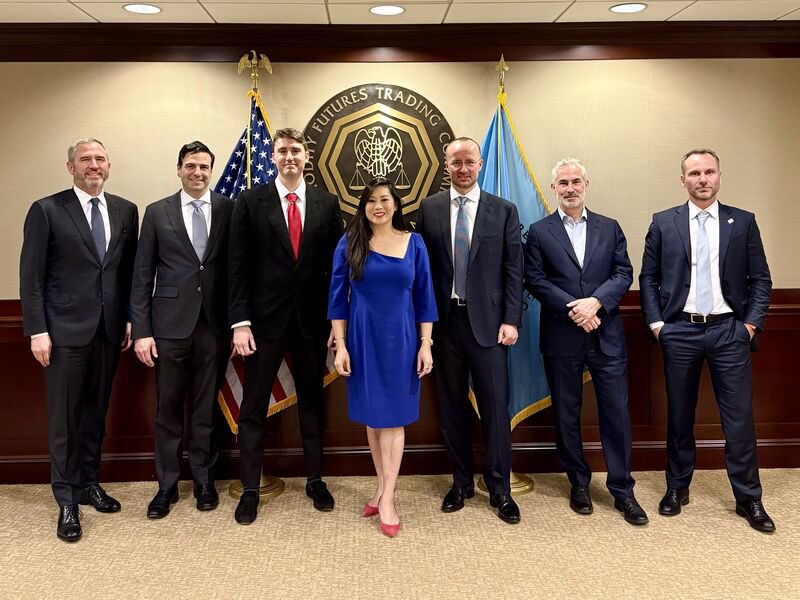
JackTheRippler ©️@RippleXrpie·
🚨BREAKING: The SEC and CFTC will host an event to discuss making the US the “world’s crypto capital.” #XRP
JackTheRippler ©️ tweet media
English
48
233
1.5K
51.8K
Moana Latimer retweetledi
Jay Anderson
Jay Anderson@TheProjectUnity·
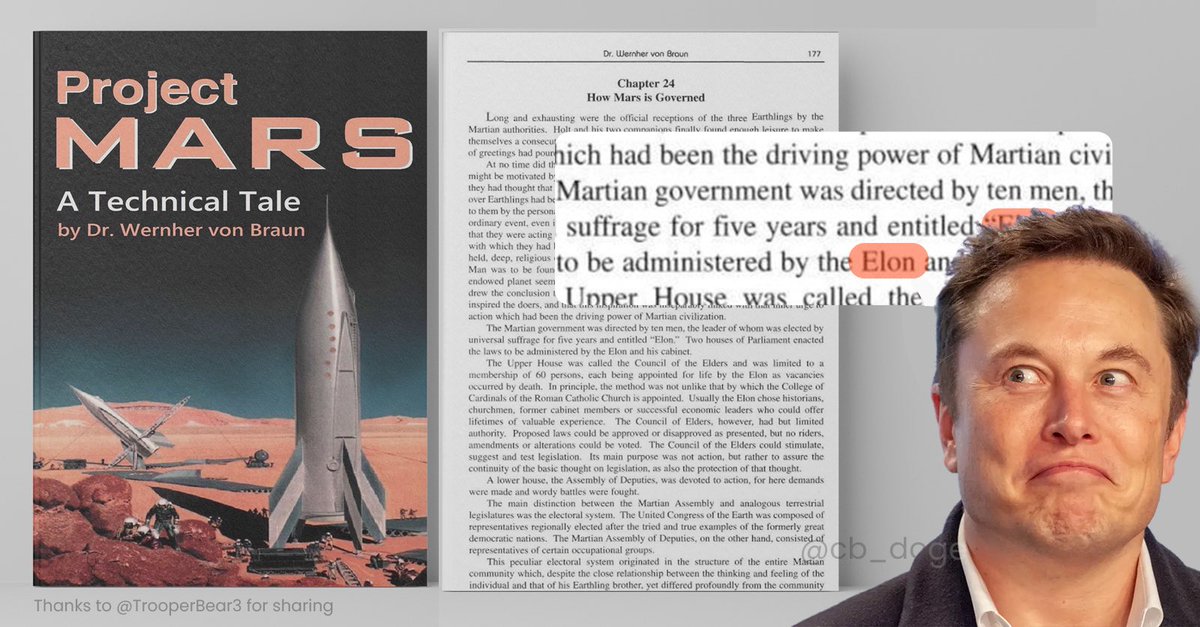
Totally not weird that WWII German V2 Rocket Scientist, Operation Paperclip asset and a founding father of NASA, Wernher Von Braun, wrote a sci-fi novel in the 1950s about colonising mars wherein the title of the leader of Mars was... The Elon Because 'Elon' is so common right? There are so many Elons, it's not like the moment you say Elon you only think of one person who also happens to be pushing for Mars colonisation...
Jay Anderson tweet media
English
188
239
1.9K
67K
Moana Latimer retweetledi
Denelle Dixon
Denelle Dixon@DenelleDixon·
Just back from Davos. Here's what stood out: Digital assets won. Financial services are blockchain's killer use case—and everyone knows it now. Tech is ready. Privacy is the gap. Institutions need assurance their data stays protected. Trust is everything. We need to prove blockchain is trustworthy—through action, not words. Keep networks open. No gatekeepers, no toll booths. Permissionless infrastructure is non-negotiable. We're already working on each of these. Excited to tackle them together as an ecosystem.
English
200
513
2.6K
200.4K
TradeZella 🦄
TradeZella 🦄@TradeZella·
This trader pulled $300,000 in 3 months. Not by predicting direction. Not by timing tops or bottoms. He trades where the market REFUSES to trade ↓ Early on, Carmine read candles like everyone else. Bullish closes. Bearish wicks. Patterns that should work. BUT results were inconsistent. It's because candles show what happened, not why it happened. The shift came when he treated the market like an auction. One question changed everything: "Where did price move so fast that it barely traded at all?" Those zones stood out. Price moved clean. Fast. No negotiation. Now his model is narrow by design: • 1 level that actually mattered • 1 revisit to test participation • 1 decision: reject or accept If price rejects, he trades. If it accepts, he does nothing. Some days: 0 trades Some days: scratch or -1R Some days: +4R to +6R That’s expected. Because in his model: Losses aren’t mistakes. They’re information. Risk stays fixed. Size adjusts. Targets sit at obvious liquidity. Not guessing where price goes next. Letting the market show where it already showed its hand. Reply "MODEL" and I'll DM you the strategy that got him those insane results.
English
249
13
164
22.4K
Moana Latimer retweetledi
The Kobeissi Letter
The Kobeissi Letter@KobeissiLetter·
Another night, another +$300 billion in market cap for gold. Gold futures now rising into a record $4,250/oz.
The Kobeissi Letter tweet media
English
232
611
4.4K
958.7K
Moana Latimer retweetledi
Versan Aljarrah - Black Swan Capitalist
For #XRP to reach $100, it starts with big players quietly stacking. Banks, financial institutions, and investors have been building positions for years, quietly accumulating billions of XRP while retail gets shaken out during orchestrated volatile swings. That naturally reduces circulating supply and triggers the first real supply shock. At the same time, XRP’s adoption for cross-border settlements and liquidity transfers drives growing transactional demand. When you combine a tightening supply with increasing usage, the stage is set for XRP to hit the $100 mark. Moving from $100 to $1,000 requires widespread integration into the global financial system. Here, XRP shifts from being a retail speculative asset to a functional utility, essentially becoming digital collateral and the preferred settlement mechanism for banks, stablecoins, and tokenized assets. As financial institutions use XRP to settle large scale payments and manage liquidity, the velocity of transactions and the total value flowing through the network grows exponentially. Meaning, each unit of XRP now represents a larger portion of global financial activity, naturally driving its valuation toward $1,000. Reaching $10,000 is a function of XRP’s full scale utility and infinite scalability through its ability to absorb global liquidity. Unlike most cryptocurrencies, XRP was designed to settle massive volumes of value with minimal friction. When the financial system fully leverages its capacity, including cross-border settlements, tokenized debts, stablecoin settlements, and collateralization, demand for XRP becomes effectively limitless. Its price scales not based on trading but on the actual liquidity and value it processes. At this stage, XRP basically functions as the backbone of digital finance, akin to digital gold, where each token is tied to enormous financial flows, making $10,000 a plausible outcome under full adoption and usage. To conclude, the path to these prices is not speculative, it’s based on structural adoption, supply dynamics, liquidity absorption, and the network’s built in design. XRP’s price trajectory is directly tied to its role as a bridge asset, settlement layer, and digital collateral for world finance. Each phase, $100, $1,000, $10,000 simply represent a deeper level of integration into the financial ecosystem, from early accumulation and supply shocks to the full scale global adoption and liquidity absorption. Get the full picture on XRP, the financial reset, and what the institutions don’t want you to see. youtu.be/Fi9DhF9WbB4
YouTube video
YouTube
Versan Aljarrah - Black Swan Capitalist tweet media
English
15
340
1.7K
117.4K
Moana Latimer retweetledi
The Wolf Of All Streets
The Wolf Of All Streets@scottmelker·
Gensler got absolutely shredded to bits in this interview.
English
73
33
375
36.1K