Excited to announce a new paper out now in @CD_AACR on a unique CAR T cell platform that eliminates AML and B-ALL without harming vital endogenous immune cells or other normal human tissues:
pubmed.ncbi.nlm.nih.gov/42059863/
Feeling the pressure like never before… I know I’m gonna find a path forward but damn, I am stressed. Sending vibes to all who are struggling through these challenging circumstances 😔
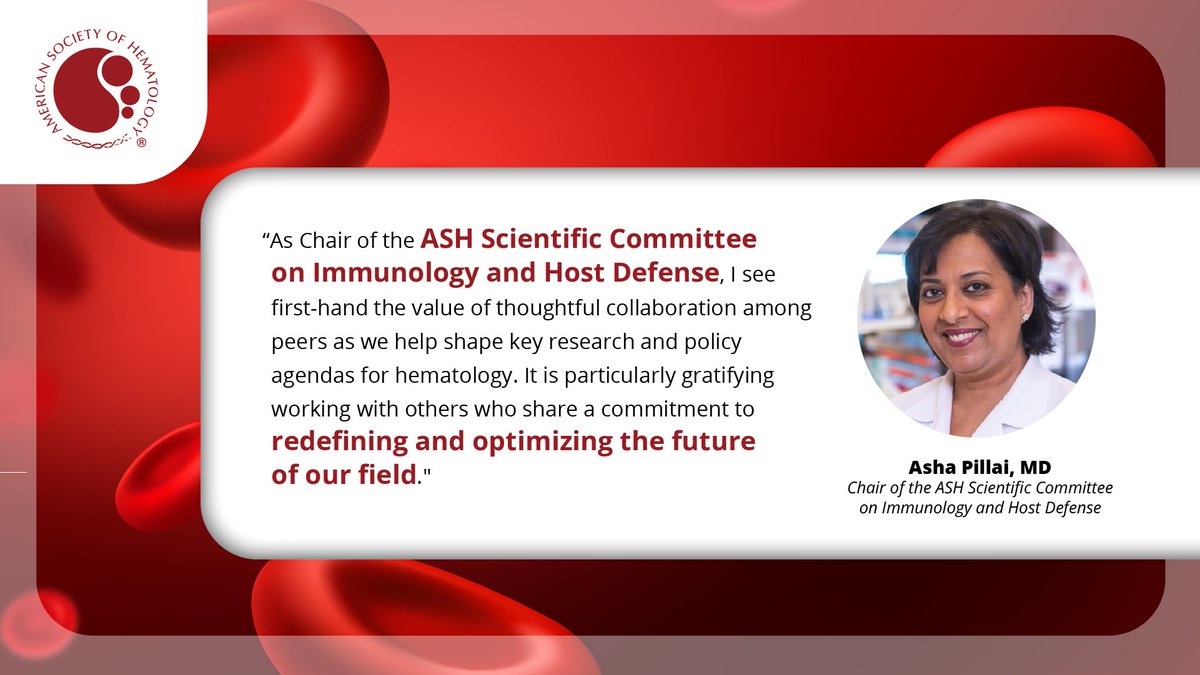
Step into the science! ASH Scientific Committees are looking for members to guide the Annual Meeting program, highlight novel research, and advance interdisciplinary discoveries in hematology.
Nominate yourself or a colleague: ow.ly/JfUq50YCmHF#Hematology
ASH strongly opposes the Administration’s proposed 12.3% cut to NIH. These reductions would devastate hematology research, harm patients, & undermine U.S. leadership in medical innovation. 🔗 ow.ly/KXfe50YCXnm#Fight4Hematology#ASHinaFlash
Welcome Ulrich G. Steidl, MD, PhD to @UofUHealth as Adjunct Professor of Medicine via SAFEP! An internationally recognized leader in myeloid malignancies, stem cell biology & translational science bringing mentorship, & collaboration to the Division of Hematology
End of Continuous Submission. Now: The only pre-authorized reason for a late submission is if any PD/PI named on the application participates in an NIH peer review study section or special emphasis panel within four calendar weeks before or after the grant submission due date. grants.nih.gov/grants/guide/n…
Last chance to apply for the ASH Award for Research Careers in Hematology (ARCH). The successor to the ASH Bridge Grant, ARCH provides $150k to support research that advances the care of patients with blood disorders. Apply by March 31: ow.ly/HqeF50Ym10j#Fight4Hematology
Boldly Standing Up for Science. With science under political attack and federal funding threatened, ASH stepped up to #Fight4Hematology as never before. The 2025 Annual Report has the full story. 🔗 ow.ly/cqsV50YvOof#ResearchSavesLives
ASH ARCH (the new Bridge award applicants have been asking for clarification on the "qualitative statement describing risk status". This is a one‑page opportunity for the applicant to describe any circumstances that place their ongoing research program or career trajectory at risk. Examples may include: Funding that has been restricted, reduced, exhausted, or disallowed based on their research focus; Resources or support that are expected to run out in the near term; Institutional, departmental, or structural changes that may limit their ability to secure or maintain support; or
Any other factors that could meaningfully affect the stability or sustainability of their research.
This section is intentionally flexible — applicants may frame it in whatever way best reflects the risks they consider most relevant
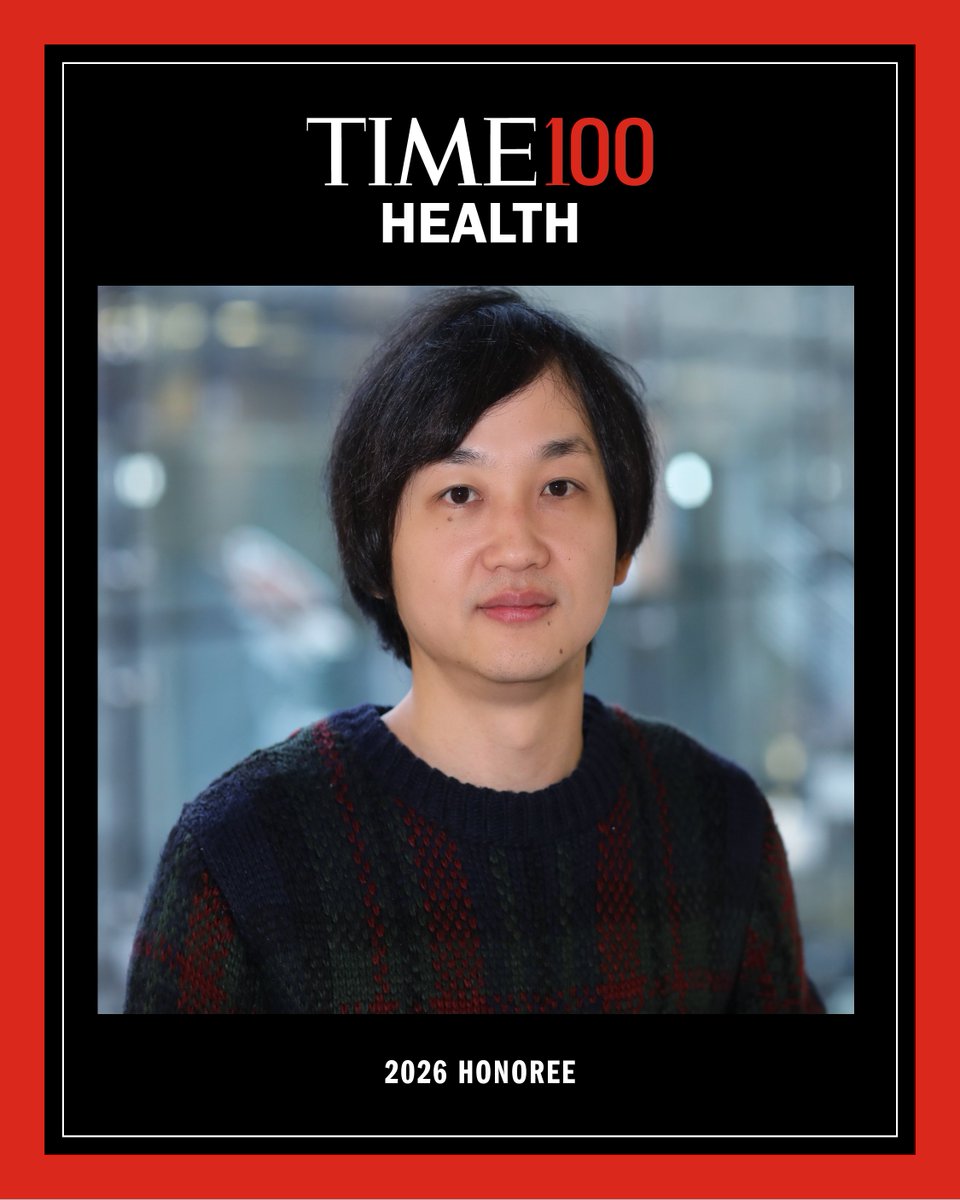
We are proud to share that Takanori Takebe, MD, PhD, has been named to the 2026 @TIME 100 Health List of the World’s Most Influential Leaders in Health — becoming the first scientist from Cincinnati Children’s to receive this honor. Learn more: ow.ly/zAes50YcR5F@TakebeLab
Is your funding for hematology research "Between a rock and a hard place" #fightforhematology funds from ASH members and fans now provide a new program:
A R C H hematology.org/awards/career-…
NOTE: Are you doing well? .....your donations go 100% to lab support in the ARCH program.