Jonathan Haidt@JonHaidt
A review in Nature, by @candice_odgers, asserts that I have mistaken correlation for causation and that “there is no evidence that using these platforms is rewiring children’s brains or driving an epidemic of mental illness.” Both of these assertions are untrue.
nature.com/articles/d4158…
@zachmrausch and I have been collecting the published studies on both sides since 2019, organizing them, and making them available for public viewing and commenting, in multiple Google docs available here:
anxiousgeneration.com/resources/coll…
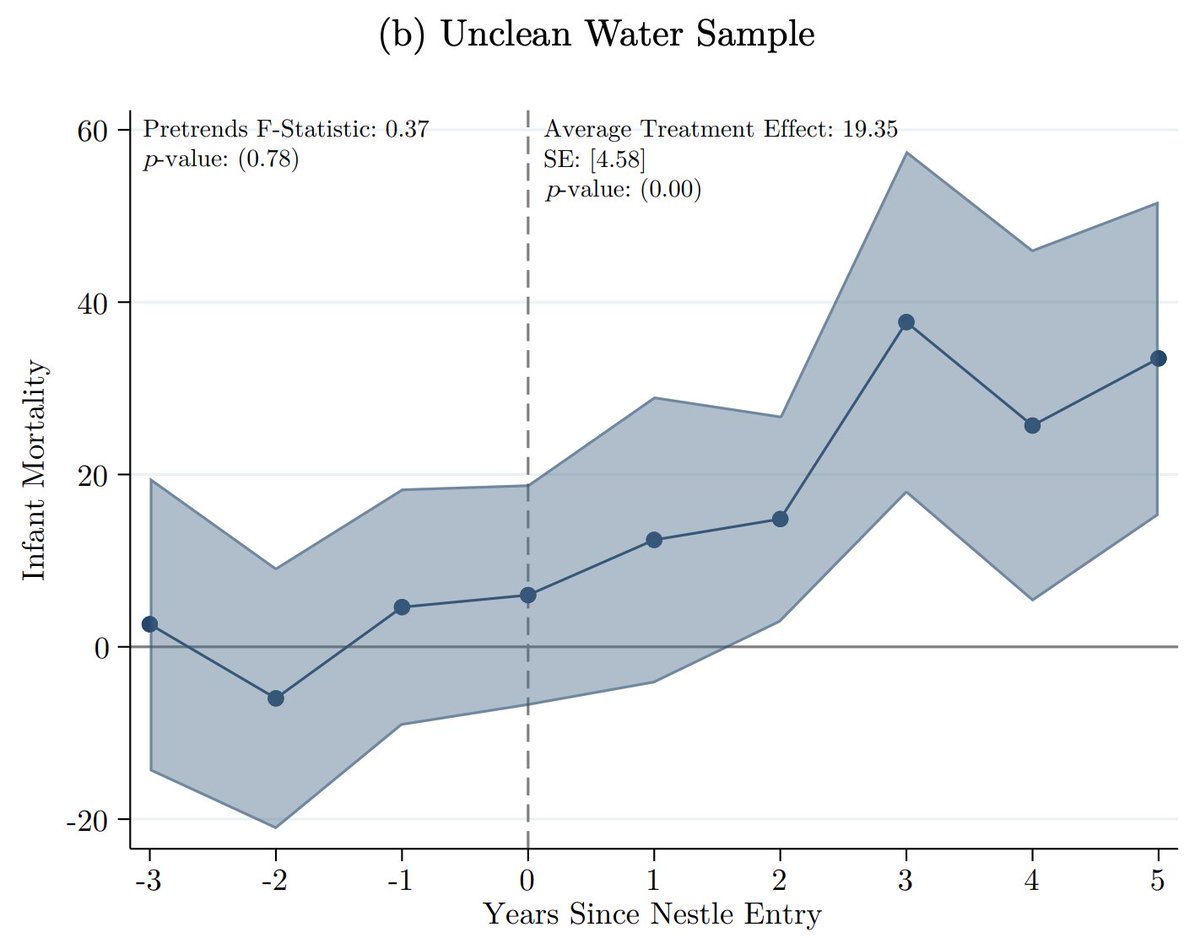
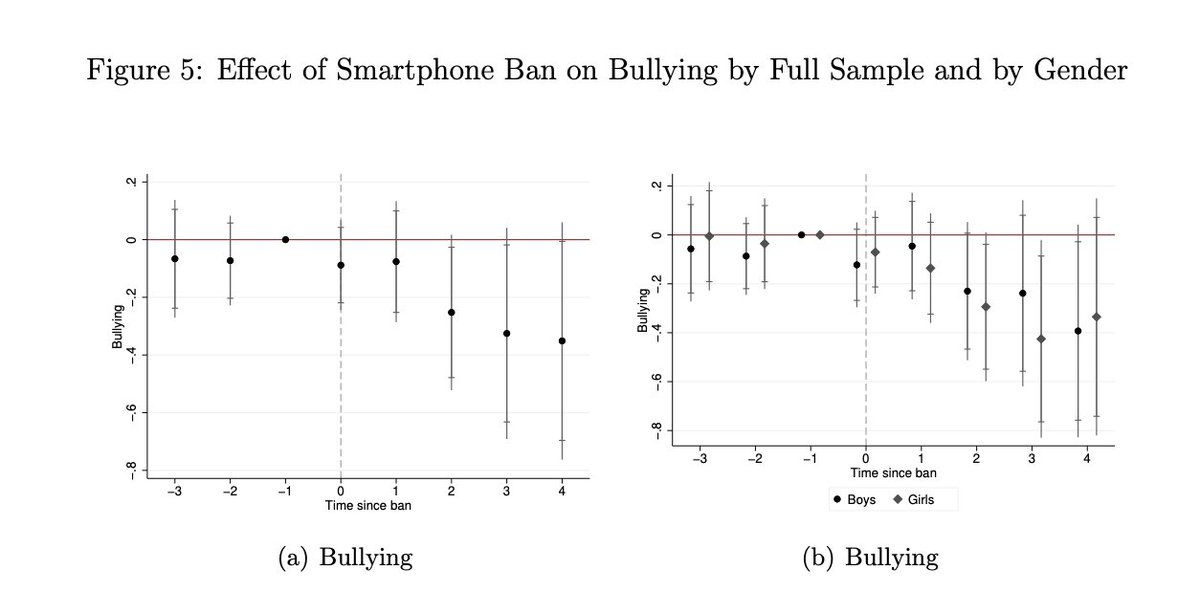
In the “social media and mental health” doc, we currently list 22 experimental studies (16 of which found significant evidence of harm) and 9 quasi-experiments (8 of which found evidence of harm. Odgers cited only the 9th one.) We also examine the many meta-analyses and review papers. I lay out the evidence for causality (not just correlation) and walk the reader through the Google doc in this post at After Babel:
afterbabel.com/p/social-media…
People really need to stop saying that the evidence is “just correlational.” Sure, there are a lot of correlational studies (79 in our Google doc, of which 64 found significant correlations with variables related to poor mental health.) But there are also many experiments supporting my claims of causation.
I’ll write a post at Afterbabel.com in April responding more fully to the arguments of the skeptics (including Odgers). For now, I point interested readers to a post in which I laid out 6 problems with the way that the skeptics have conceptualized the debate:
afterbabel.com/p/why-some-res…
I just want to note two more problems with Odgers’ review.
First: She says that I am offering a simplistic one-factor explanation: it’s social media! But I am not. My story is about two major factors (end of the play-based childhood, rise of the phone-based childhood), each of which has many components that bring a variety of harms to different children in different ways. My book is full of lists of causal pathways. There is no one causal pathway that, on its own, explains “the kind of large effects suggested by Haidt.” Yet when you add up all the different ways that the phone-based childhood is harming different kids, some of which we learned about in that Senate hearing on January 31, you end up with a lot of kids being harmed in many ways, and these many harms combined can easily explain the “large effects” even though most pathways affect only a subset of kids.
Yet Odgers and the other skeptics focus intently on studies that operationalize social media in one crude way (total # of hours per day), and then correlate that number with some measure of anxiety, depression, or other mental ailment. When the correlations turn out to be around r = .15 for girls (which is actually a number we agree on, as I explain in the previous link), the skeptics conclude that this is not large enough--by itself--to explain the epidemic, so social media must be only a trivial contributor to the epidemic. This is an error caused by an overly narrow operationalization of a complex phenomenon: the radical transformation of daily life that happened for teens between 2010 and 2015. Only a sliver of the story is captured by the crude measure of “hours per day” on social media.
The skeptics’ skepticism would be more compelling if they had an alternative explanation for the multi-national decline in mental health that happened in the early 2010s, but they do not. Odgers claims that the “real causes” of the crisis, from which my book “might distract us from effectively responding,” are the lingering effects of the 2008 Global Financial Crisis, which had lasting effects on “families in the bottom 20% of the income distribution,” who were “also growing up at the time of an opioid crisis, school shootings, and increasing unrest because of racial and sexual discrimination and violence.”
I agree that those things are all bad for human development, but Odgers’ theory cannot explain why rates of anxiety and depression were generally flat in the 2000s and then suddenly shot upward roughly four years after the start of the Global Financial Crisis. Did life in America suddenly get that much worse during President Obama’s 2nd term, as the economy was steadily improving?
Her theory also cannot explain why adolescent mental health collapsed in similar ways around the same time in Canada, the UK, Australia, and New Zealand, as Zach and I have shown:
afterbabel.com/p/internationa…
Nor can she explain why it also happened in the Nordic countries, which lack most of the social pathologies on Odgers’ list:
afterbabel.com/p/internationa…
Nor why it also happened in much of Western Europe:
afterbabel.com/p/internationa…
Nor why suicide rates for Gen Z girls (but not alway boys) are at record levels across the Anglosphere:
afterbabel.com/p/anglo-teen-s…
I just can’t see a causal path by which America’s school shootings, lockdown drills, inequality, or racism caused girls in Australia to suddenly start self-harming or dying by suicide at the same time as American girls.
In short: There is a great deal of evidence for my claims that something terrible is happening to teens in many countries, and that a major contributing factor is the sudden international arrival of the phone-based childhood. I lay out this evidence––with hundreds of footnotes––in chapters 1, 5, 6, and 7 of The Anxious Generation. I have also laid it out in many posts at AfterBabel.com. All along, Zach and I have “shown our work” in public Google Docs and Substack posts, and we have invited others to critique it. Zach has made supplemental files for every chapter in The Anxious Generation, which give links to the datasets and data points that he used to create the graphs in the book. We invite you to check our work:
anxiousgeneration.com/resources/supp…
Our work has benefited from cordial, normal, academic debates with the skeptics. We will continue to welcome their critiques. But please, everyone, stop saying that the evidence is “just correlational.”