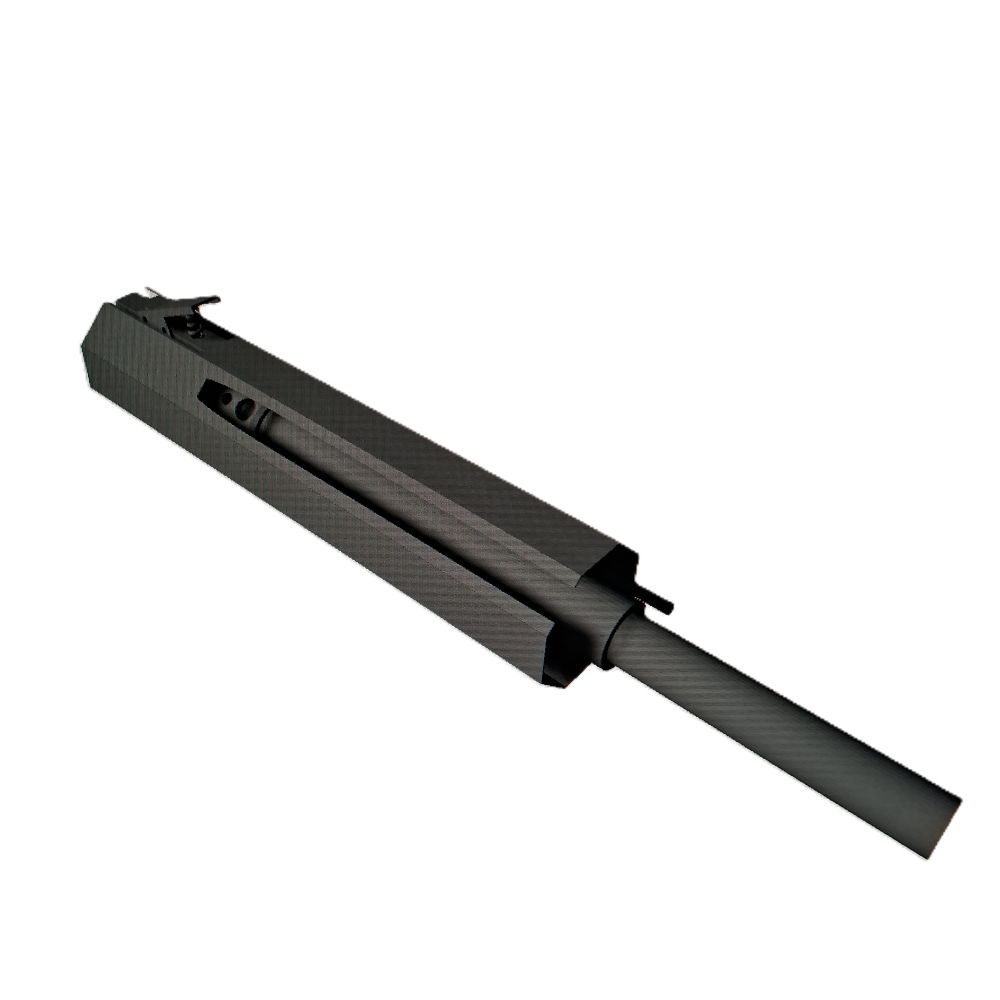
@stankycheeese @DocStrangelove2 The slot is at 45 degrees. Handguard diameter is approx 2-1/8". Might be close. Sent you a DM
English
Liberty Lubricants
1.6K posts
@LibertyGunLube
Liberty Lubricants, an Idaho based, family owned business that cares about our customers and their firearms! #2A #Guns #Firearms #guncleaning #cleanyourdamngun







👊Got word this morning that the new machine shop is starting the rest of the @j6_qd_now prototype parts now. It has been a whirlwind of false starts with different machine shops and bad CAD skills on my part. Trunnions are already made, and Collars & Handguard Sleeves are being machined. In the meantime, I will be making some of the small parts in-house for prototype purposes & assembling pins, set-screws, etc. Won't be long and we can start getting test QD barrel systems out for the @L6_Underground upper. @Hutson_Arms @jerrycurld @HoffmanTactical @stankycheeese




Rescuing American Pilot in Iran (2026, colorized)


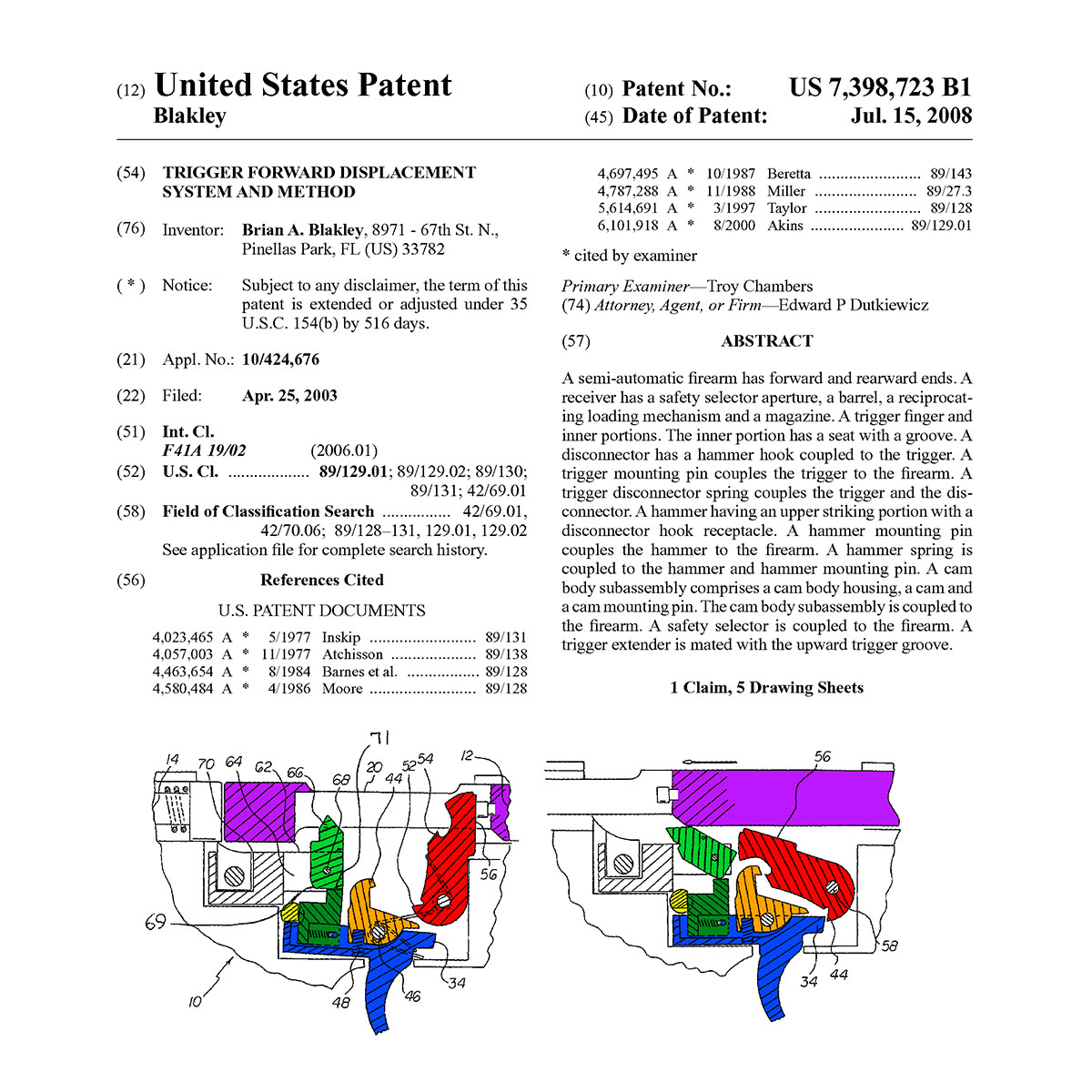
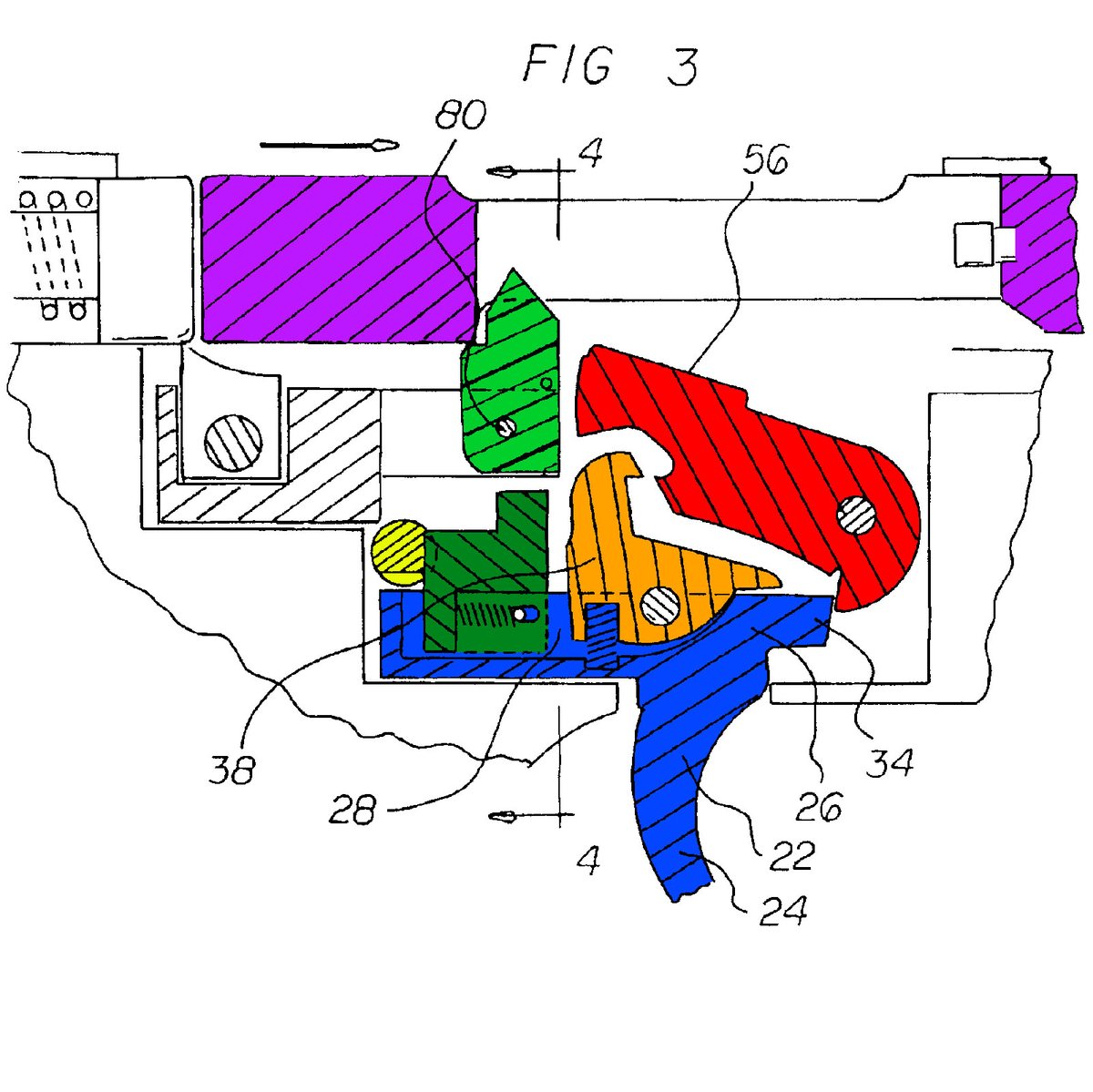
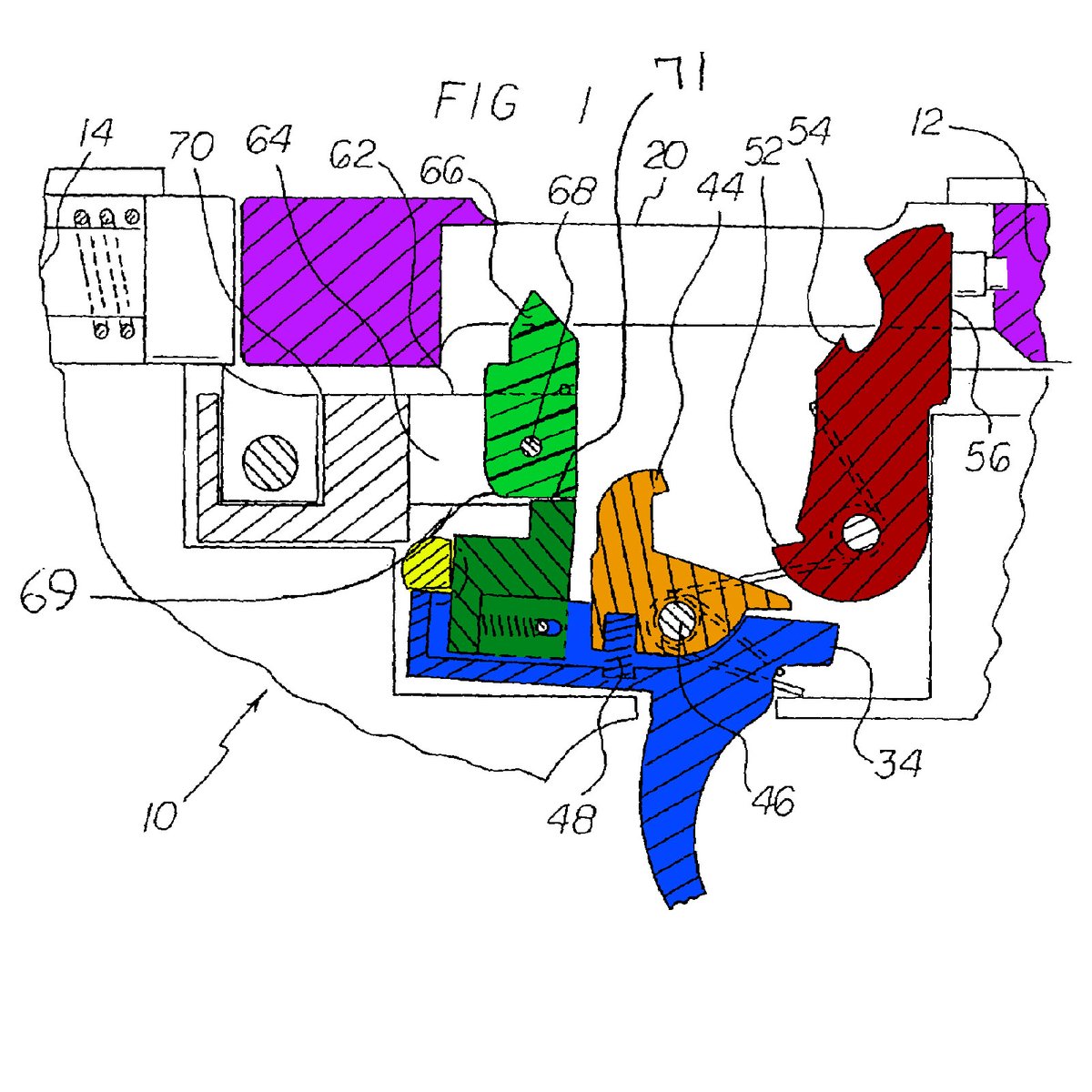

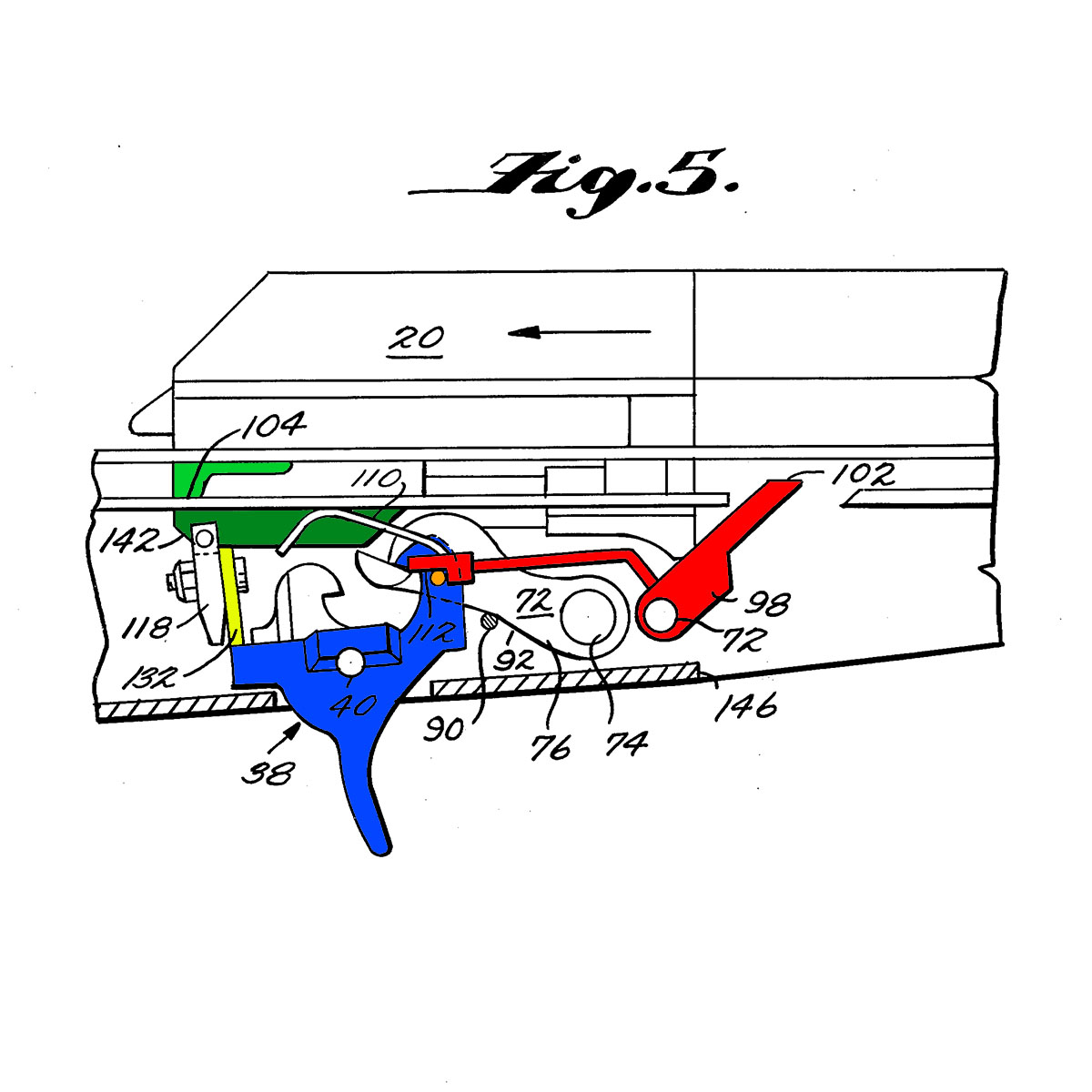
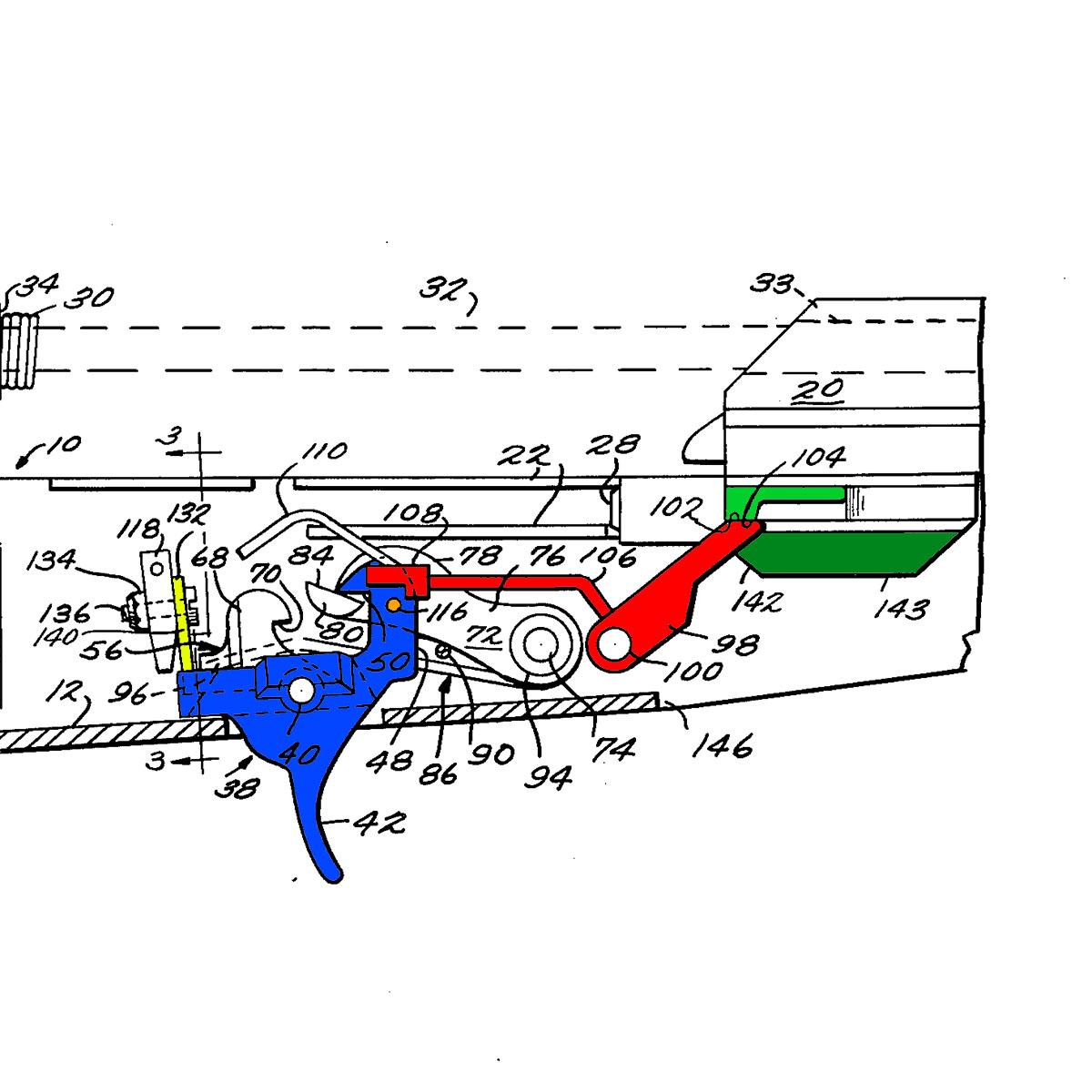
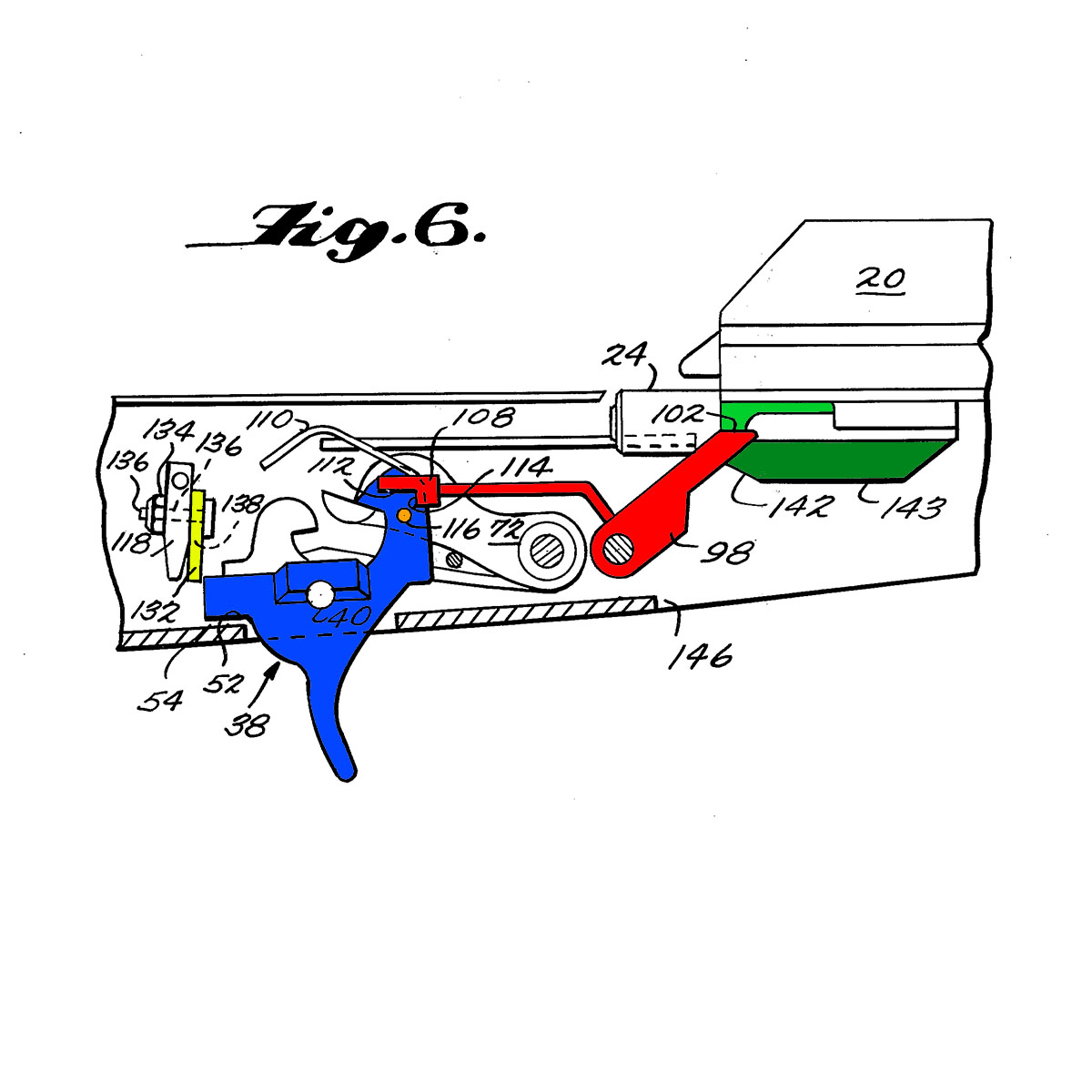
PATENT BREAKDOWN: US 4,023,465. INVENTOR: Thomas C. Inskip. WHEN: 1977. STATUS: Expired. Thomas teaches a forced reset trigger for the AK-47. While his main focus is a rather absurd variable rate of fire concept, the core mechanism is a capable three position forced reset trigger. Yes, three position in 1977! The system is similar to the FRT-15, but adds a robust method of selection: See Fig. 5. As the carrier moves rearward a cam surface (dark green) pushes down on the plate (yellow) which in turn forces the tail of the trigger (blue) down, moving the trigger into the reset position. The red part is what we would now call a locking bar, it holds the trigger in the reset position via the pin (orange) until the carrier moves back into battery, the trip surface (third drawing, light green) rotating the locking bar so that it no longer holds the pin. Fig. 6 shows how the plate (yellow) can be rotated to the rear so that it cannot engage the trigger, this prevents the forced reset much like the Super Safeties transverse movement. The patents own words are: "Upon further rearward movement of the carrier 20 as shown in FIG. 5 the cam surface 142 forces the trigger depressor plate 132 down against the upper surfaces of the trigger ribs 44 and 46, thereby causing the trigger 38 and the secondary member 56 to pivot counterclockwise (forwardly) even though the operator's finger may still be exerting pressure on the projection 42." And "The sear 108 remains in the down position until the carrier 20 has moved all the way forward (FIG. 1). The cam surface 104 on the carrier has now engaged the cam surface 102 on the disengagement arm 98 so as to pivot the arm 98, its rod 106 and its sear 108 clockwise to a position in which the sear 108 is out of contact with the sear pin 116.... At this point the operator's finger pressure on the trigger projection 42 may cause the rifle to fire again."

PATENT BREAKDOWN: US 2,056,975. INVENTOR: Charles J. Michal Jr. WHEN: 1934. STATUS: Expired. Charles describes a repeat reset mechanism for the Browning 1911. The patent was filed before a machine gun was defined in the National Firearms Act, which is why he calls it a "machine gun and convertor therefor," as there was no legal definition for a machine gun at the time. The system is similar to the Super Safety, and about as simple: See Fig. 2. The cam (red) is contacted and rotated counterclockwise by the slide as it moves rearward, this moves the pin (green) forward against the trigger bar (blue, see Fig. 1) moving the trigger forward against the trigger finger. The pin continues to hold the trigger forward until the slide completes its cycle, at which point the cam is free to rotate back allowing the trigger to be pulled again. The patents own words are: "The trigger 23 fires the piece as before. But, the instant that recoil takes place, the lower edge of the slide 12 engages the cam 28 of the converter 27, thus rotating it counter-clockwise, and forcing the pin 29 forward. This motion of the pin forces the trigger forward against the pressure of the trigger-finger of the man..." And "The pin 29 holds the trigger inoperative against the pressure of the trigger-finger. But, the instant that counter-recoil is completed, the cam 28 is free to move upward again, and consequently the pressure of the trigger-finger immediately again discharges the piece."