Sabitlenmiş Tweet

Finally made it out of jail! where are we going next?
Also does "ape follow ape" work in the bear market?
@BoredApeYC #BAYC

English
Kat
10.9K posts

@Lil_Kat002
Quant, Ai/ML engineer Founder @NfiniteContext





3 Months on Retatrutide







🇨🇭 Part two. Three more Swiss projects that most of CT never talks about. Europe needed a regulated crypto platform that could compete with Coinbase. A team in Lausanne built it before anyone else tried. @SwissBorg launched in 2017 and spent years solving a problem nobody wanted to touch. How do you build a crypto platform that is MiCA approved, licensed across Europe, and still competitive on product with the biggest exchanges in the world? Their Meta-Exchange aggregates liquidity across dozens of CEXs and DEXs and executes the optimal route automatically. They built a launchpad giving retail users access to pre-TGE deals previously locked behind VC relationships. And they just closed a Mastercard partnership for a crypto debit card accepted at over 150 million locations. Over 1 million users. While everyone watched the US exchanges, SwissBorg was building the infrastructure compliant crypto in Europe actually runs on. Then in Zurich, two founders identified the single biggest blocker to institutional capital entering crypto. It wasn’t volatility. It wasn’t technology. It was the absence of a regulated counterparty that institutions could legally trust. Think about what banks were doing to crypto companies in 2017. Closing accounts. Refusing to onboard. Treating digital assets like financial crime waiting to happen. Most traditional banks are still doing this today. @sygnumofficial went the other direction. They got a full Swiss FINMA banking licence, built every product institutions actually need, and opened for business as the world’s first regulated digital asset bank. In January 2025 they hit a $1 billion valuation. By December they had partnered with BNY for USD settlement. Over 2,000 institutional clients across 80+ countries are now moving real capital through a bank that chose crypto when every other bank was running from it. Most banks are still figuring out whether to let a crypto company open a basic account. Sygnum was already a bank. Same city. Same year. A completely different angle on the same problem. Hany Rashwan and Ophelia Snyder saw that institutional capital still couldn’t touch crypto directly. Pension funds and asset managers needed a regulated security they could buy through infrastructure they already used for stocks and bonds. November 2018. Crypto had just lost 80% of its value. Every institution that had flirted with the space had quietly backed away. Rashwan and Snyder listed HODL anyway. @21Shares put the world’s first physically-backed crypto ETP on the SIX Swiss Exchange with $5 million in assets and zero guarantee anyone would care. By mid-2025 they had surpassed $10 billion in AUM and held roughly one third of all European crypto ETP market share. In 2025 alone their secondary market turnover surged 56% to over $11.9 billion. The US didn’t approve a spot Bitcoin ETF until January 2024. Switzerland had physically-backed crypto ETPs on regulated exchanges six years earlier. Every time an institution buys crypto exposure through a regulated exchange today, the structure traces back to one product, listed in a bear market, by two people in Zurich who didn’t wait for permission. One country. Three more companies. All building the rails the rest of the industry runs on. Part three is coming 👀





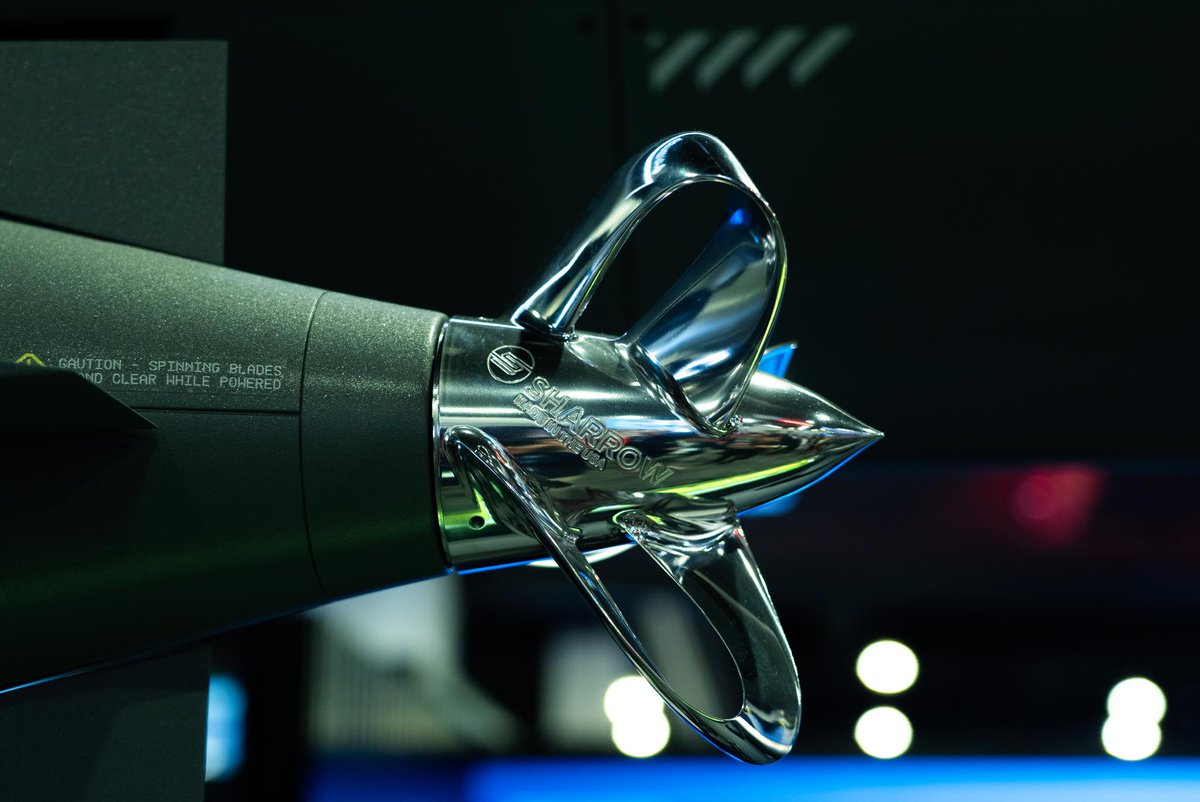
If you see Copperhead coming, it's already too late. Shown: First public footage of Copperhead-500M swimming. During the test, the 21-inch heavyweight AUV successfully broke internal speed records while demonstrating extreme agility maneuvers in high seas.