.LILITH.

3.4K posts

.LILITH. banner
.LILITH.

.LILITH.

@LilithLabs

Postdoctoral research fellow working on Drug Delivery for Tissue Engineering applications

Melbourne, Victoria Katılım Eylül 2010
611 Takip Edilen584 Takipçiler
Sabitlenmiş Tweet
.LILITH.
.LILITH.@LilithLabs·
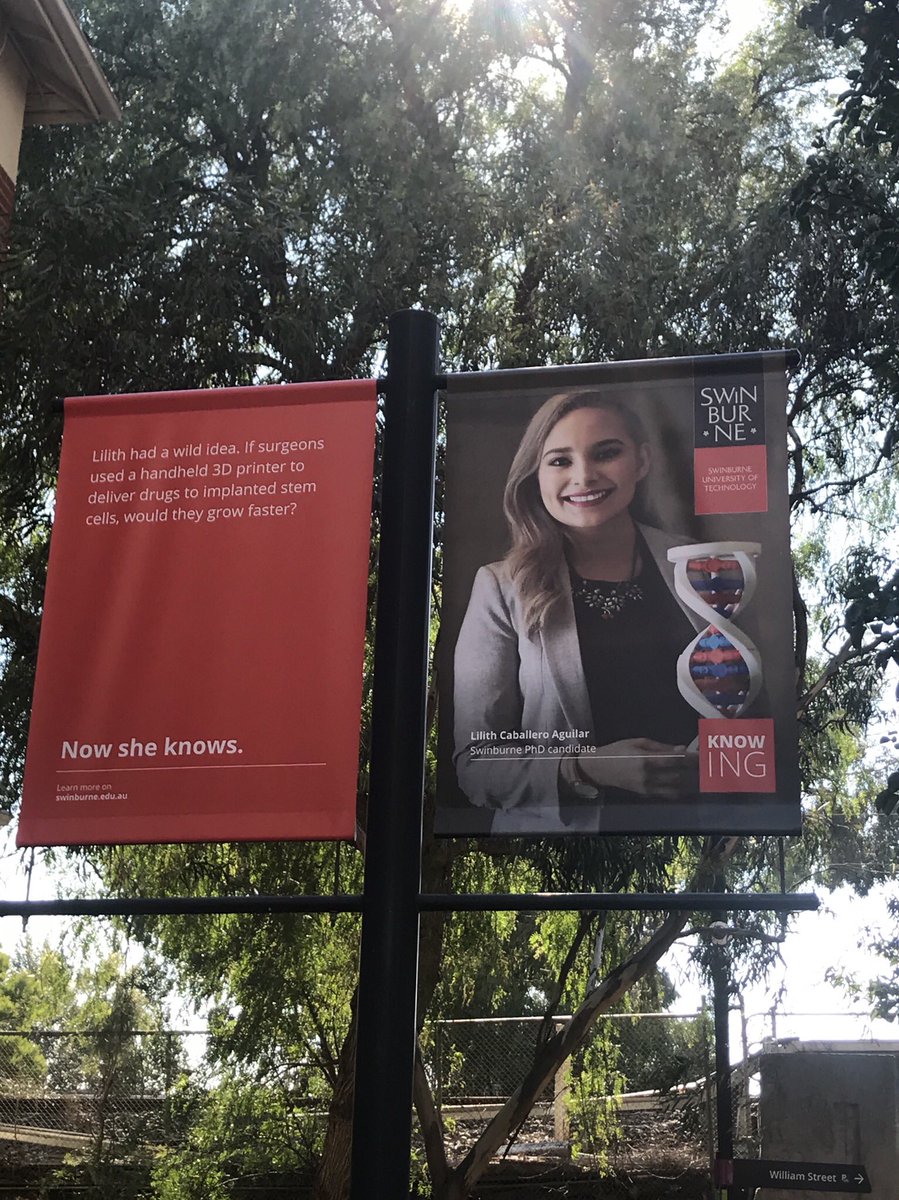
Happy that my work was featured by @Swinburne
.LILITH. tweet media
English
2
2
20
0
.LILITH. retweetledi
NHMRC
NHMRC@nhmrc·
229 of Australia’s brightest health and medical researchers will share in over $422 million under the 2025 round of NHMRC’s flagship scheme, Investigator Grants announced today by the Minister for Health and Aged Care, the Hon Mark Butler MP. Read more: ow.ly/pVQ750V50yq
NHMRC tweet media
English
2
21
49
16.8K
Gordon Wallace
Gordon Wallace@GordonGWallace·
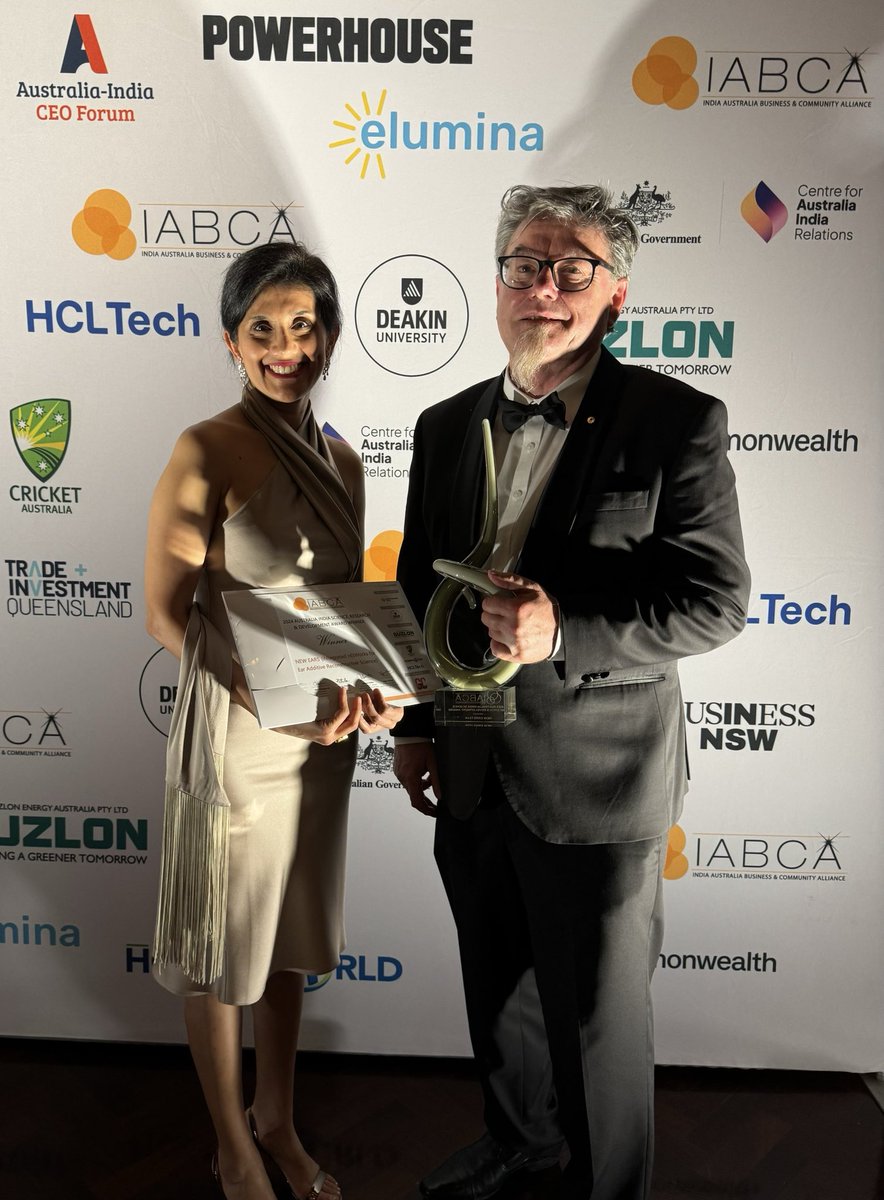
“New Ears “ takes research prize at the India Australia Business and community Alliance awards night in the Great Hall in Parliament House in Canberra ⁦@RPA_IAS⁩ ⁦@COBLH⁩ ⁦@IPRI_UOW@UOW@AP_MedTechZone⁩ Tackling big things together with collaborators!
Gordon Wallace tweet media
English
3
5
47
8.3K
.LILITH.
.LILITH.@LilithLabs·
Australis from Melbourne 🎆
.LILITH. tweet media.LILITH. tweet media.LILITH. tweet media
English
0
0
10
2.6K
Steph Doyle
Steph Doyle@MakingSteph·
A great result to have the final two papers from my PhD published. Both use NEST3D printing to assess compatibility and effect with chondro, osteo and angiogenic applications. Negative printing for the reinforcement of in situ tissue engineered cartilage doi.org/10.1089/ten.TE…
Serena Duchi@DuchiSerena

Check out our new paper ! @MakingSteph @Conofrillo @iCatHalo @Claudiadibella_ NEST3D printed bone-mimicking scaffolds: assessment of the effect of geometrical design on stiffness and angiogenic potential frontiersin.org/articles/10.33…

English
3
1
5
588
.LILITH.
.LILITH.@LilithLabs·
Today at the @GCI_Research symposium, great research and industry speakers lineup
English
0
1
3
303
.LILITH. retweetledi
Australian Institute of Physics
📢Women in physics or engineering – @VicPhysics invites you to apply to be a speaker at one of the Girls in Physics Breakfasts happening around Victoria in the first half of 2024. Interstate speakers are welcome! Apply by 23 October. aip.org.au/VIC-BRANCH/132…
Australian Institute of Physics tweet media
English
0
3
10
1.9K
.LILITH. retweetledi
Veera Rajagopal 
Veera Rajagopal @doctorveera·
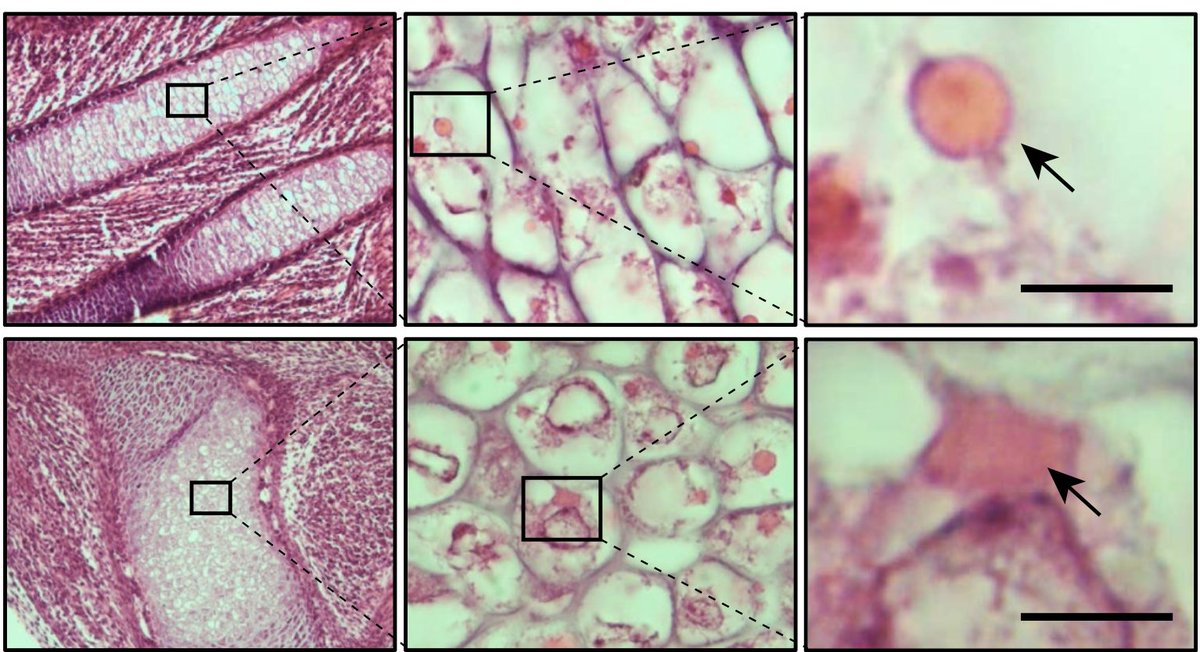
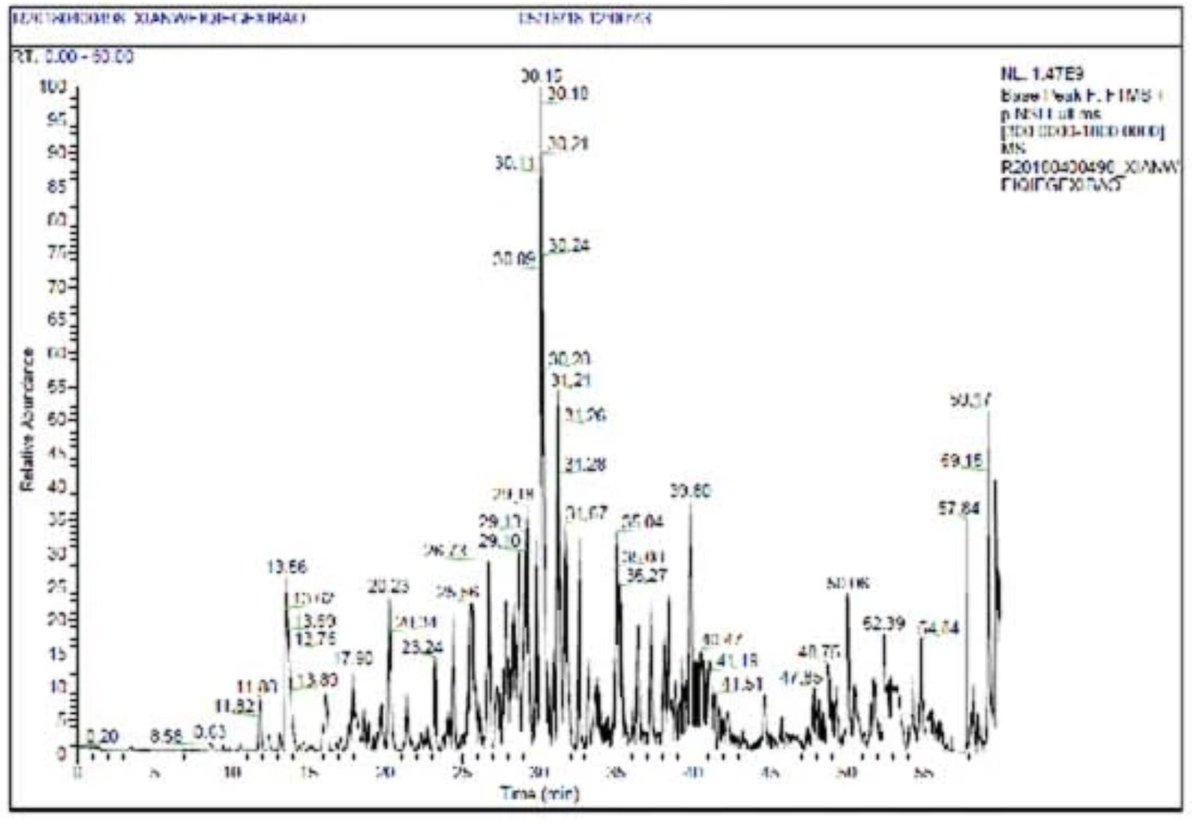
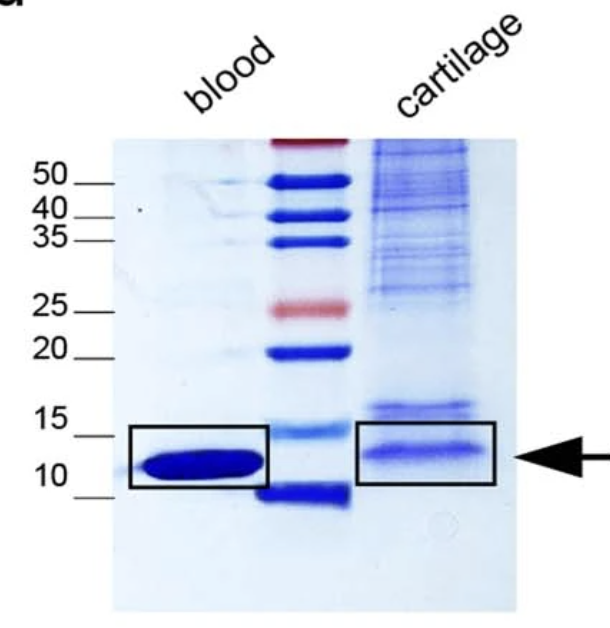
A fascinating work is published today @Nature by Zhang & Zhang et al. on a serendipitous discovery of haemoglobin expression outside the RBC cells--in chondrocytes--and their critical role in keeping our cartilage alive under an oxygen-deprived environment. nature.com/articles/s4158… Our school teachers taught that haemoglobin (Hb) is an oxygen-transporting protein expressed exclusively in the red blood cells. Although there exist occasional sporadic reports of Hb expression outside the RBCs (e.g. neurons, retinal cells etc.), no one would have guessed Hb would play a critical role (required for survival) outside the RBCs. The discovery When studying the cartilage growth plate of neonatal mice, the authors noticed eosin-positive structures in the chondrocytes (cartilage cells) that resembled structures seen in RBCs. Out of curiosity, the researchers went on to stain and examine the chondrocytes of different cartilage tissue types both from mice and humans. They realized that no matter the source or species, the cells always displayed eosin-positive structures under the microscope. The curious researchers were determined to find out what these structures are made of. They carefully dissected these structures out and studied the protein components using mass spectrometry and were surprised to learn the results: the top hits were Hb proteins. Unable to believe the results, they went on to study the proteins using different methods--western blotting, immunohistochemistry--and every time they ended up with the same results: the cytoplasm of cells was loaded with organelles-like bodies made of haemoglobin proteins. Finally, they came to the realization that Hb is abundantly produced in chondrocytes. They named these cytoplasmic Hb bodies as "Hedy". Structure of Hedy The authors studied the structure and formation of Hb bodies floating in the cytoplasm. Are they like an organelle? Do they have a membrane? Through various experiments, the researchers found that the Hedy structures do not have a membrane. The Hb proteins condense together by phase separation to form organelle-like structures in the cytoplasm. This condensation is itself an evolved process, requiring specific sequence structures of the Hb protein. Globin switching We know that there are different forms of Hb each expressed during different developmental stages: embryonic, fetal and adult Hb. There exists a sophisticated molecular machinery (which was believed to be RBC-specific) that switches one Hb type to the other at appropriate times. Using gene silencing experiments, the authors were further awestruck to find that the chondrocytes too switched their Hb types from embryonic to fetal to adult stages, just like RBCs! Regulation of chondrocyte Hb production It is well known that hypoxia induces Hb production via upregulating hypoxia-inducible factors (HIFs), an evolutionarily conserved molecular mechanism (Nobel Prize 2019; nobelprize.org/prizes/medicin…). But it turned out that chondrocytes have evolved to increase their Hb expression not via HIF proteins, but through a different protein, the same protein that is required for fetal to adult Hb switching: KLF1 (nature.com/articles/ng091…). How important is Hb for chondrocytes? Such a high Hb expression in chondrocytes with similar globin switching behaviour as RBCs would mean that this Hb is critical for chondrocytes' survival. By deleting the Hbb gene specifically in the chondrocytes, the authors found that without Hb the chondrocytes die killing the animal a few days after birth. Conclusion Continuous oxygen supply is a prerequisite for the survival of cells in all tissues. The only way the cells can receive oxygen is through RBCs in the blood, which requires the tissue to be highly vascularized. When demand exceeds the supply, the cells evolve to survive an oxygen-depriving environment. Muscles evolved to produce their own globin--myoglobin which has a higher affinity to oxygen than Hb thereby withholding O2 during oxygen excess states and releasing it back during oxygen-deprived state (during exercise). Likewise, the brain has its own globin: neuroglobin (nature.com/articles/35035…). Today, we are learning that cartilage (an avascular tissue), too, has its own globin. But unlike muscle and brain, have evolved to store oxygen not by making a new type of globin but by making just the same type as the ones in RBCs, but with a higher affinity than RBC Hb. When it comes to fundamental biology, we often assume that we have found everything and then one day a discovery like this drops, hitting us on the head to make us realize that there is a whole universe of hidden biological secrets waiting to be discovered. Some recent posts: 1. Gene x sex interaction of PNPLA3 I148M variant (x.com/doctorveera/st…) 2. Effect of consanguineous marriage on the risk of common diseases in offsprings (x.com/doctorveera/st…) 3. Whole genome vs. Whole exome sequencing. Which is more cost-effective for genetic association studies? (x.com/doctorveera/st…)
Veera Rajagopal  tweet mediaVeera Rajagopal  tweet mediaVeera Rajagopal  tweet mediaVeera Rajagopal  tweet media
English
26
289
1K
380.4K
Xin Li
Xin Li@XinLi60812225·
Thank you🥰🥰🥰 I could not achieve this milestone without all support from my amazing supervisors, Tissue Engineering Team, ARC CMIT team, Industry Partner, BME department UoM and research fundings! Very grateful ❤️
Dr Daniel Heath, recruiting PhD students@DrDanielHeath

Busy twitter (X?) day! Our PhD student, Xin, gave an awesome completion seminar on new methods of fighting antimicrobial resistant bacteria with nanoparticles! #AntimicrobialResistance #nanoparticles #selenium @AndreaJOConnor @ASBTE1 @UnimelbBME
English
1
0
3
455
.LILITH. retweetledi
Acta Biomaterialia
Acta Biomaterialia@ActaBio·
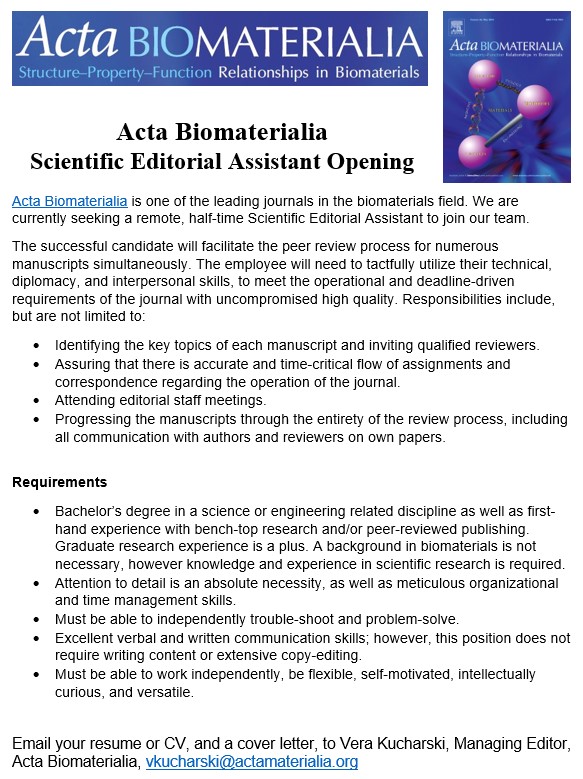
We are currently seeking a remote, half-time Scientific Editorial Assistant to join our team. Check out the job description 👇 for further details. Please retweet!
Acta Biomaterialia tweet media
English
1
23
67
11.6K
.LILITH.
.LILITH.@LilithLabs·
Today I had the pleasure of giving a talk at @HiroshimaUnivEn #Japan Thanks to Prof.Shiono Takeshi for the most welcoming visit!
.LILITH. tweet media
English
0
1
17
635