

娱山_Yushang
278 posts

娱山_Yushang
@Luckykid72
Emotionally unique crpyto lunatic
Katılım Eylül 2017
592 Takip Edilen38 Takipçiler

有几个傻 X 非要嚷嚷,你搞半天只用 20 美元的 GPT 订阅啊。
问题是之前 GPT 模型不够好,我没必要买更高额度的套餐啊。
傻 X 看不到的是我是 Claude Max 用户,Copilot Business 用户,还本地部署了一堆模型跑任务。
傻 X 的脑回路就是把买什么级别的套餐当成是奢侈品攀比:
你消费的多,在他们眼里就是大款,要顶礼膜拜的;
你消费的少,在他们眼里就是穷逼,要被他们鄙视的。
这种傻 X,见一个拉黑一个。
范凯说 AI | Kai on AI@fankaishuoai
我的 ChatGPT Plus订阅周限额只剩 15%了,自从用上了GPT-5.5 明显烧token非常厉害,感觉20美元套餐快不够用了。
中文
娱山_Yushang retweetledi



特别点名SK海力士承诺的第六代HBM4产品,确保按时供应。
黄仁勋还表示,AI投资才刚起步,总额将达数万亿美元,驳斥AI泡沫担忧。这场“韩式鸡+啤酒”聚会,也有SK集团主席崔泰源参与,深化AI内存合作。科技界的“鸡啤外交”太暖心了!你们怎么看? #NVIDIA #SKHynix #AI #HBM4 #JensenHuang



中文
🚨 AI巨头联手!2月14日,英伟达CEO黄仁勋在硅谷Santa Clara的一家韩式炸鸡餐厅(99 Chicken),罕见亲自宴请30多名SK海力士工程师和自家团队。席间,老黄花了2小时逐桌调制烧啤(Soju bomb)、敬酒致意,反复强调“我们是一个团队,我为你们骄傲”!他敦促大家“不懈挑战、努力交付非凡成果”。
中文
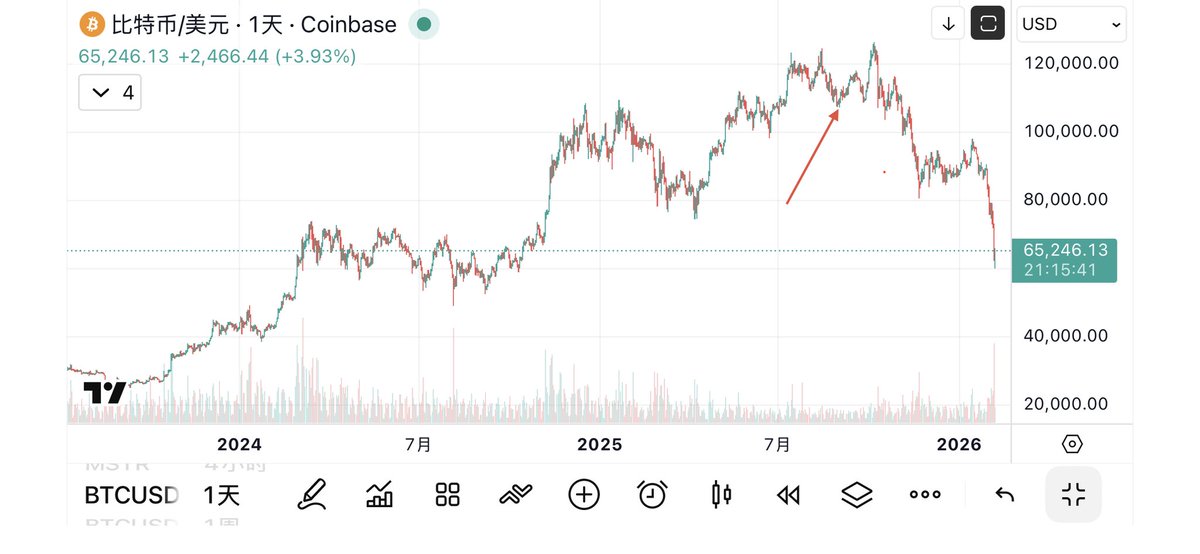
#btc 25年8月其实就已经到顶了,红箭头处就应该跌下去。机构大户一直在加杠杆买入,又创了新高。
另外币安是否需要为10.11事件负主要责任。现在来看,确实有责任。但不只是币安提供高杠杆导致的,机构、大户、散户都在加杠杆。这段时间机构卖币降抵押率能非常清楚的看出来。
中文

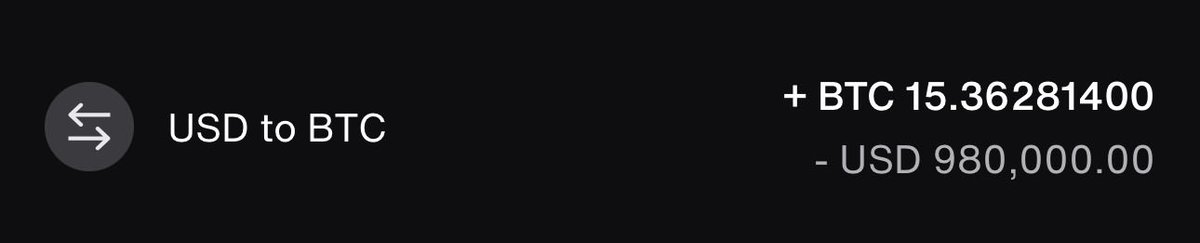

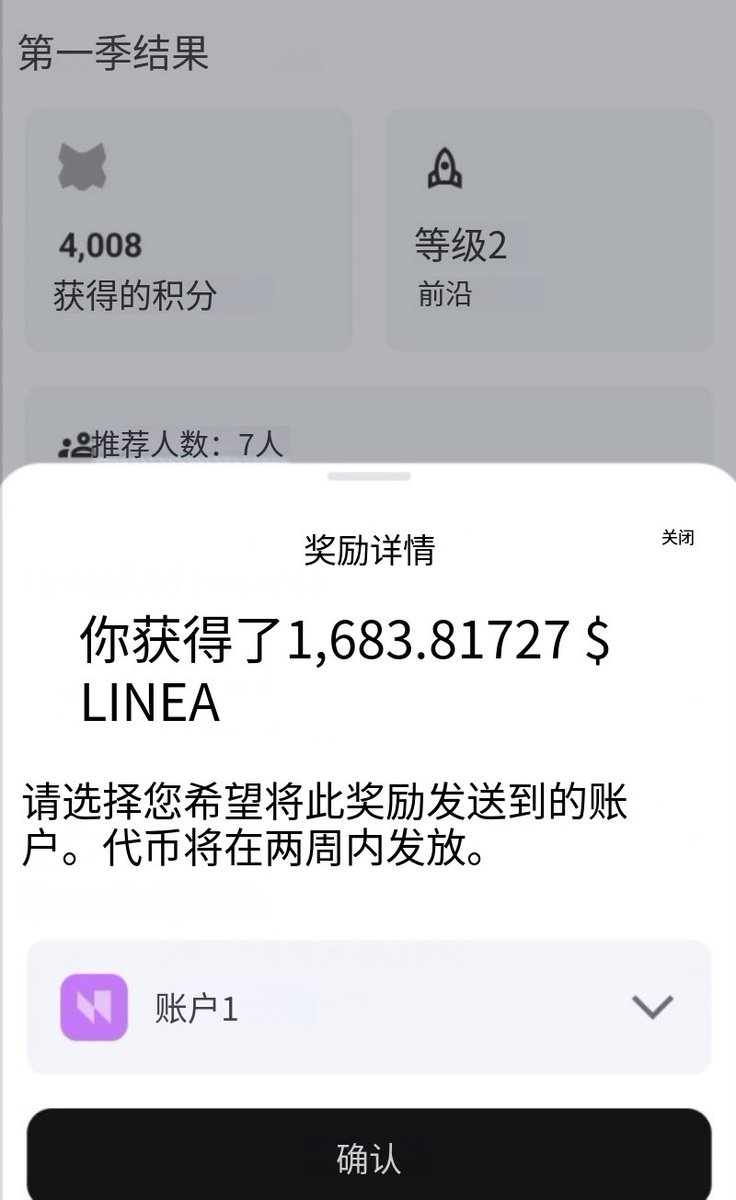
小狐狸钱包第一季活动奖励可以领了
没刷5级,只刷到2级
给了6U猪脚饭😂,损耗都不够
Old two sis💜@pcobidco
Opinion @opinionlabsxyz要来了,TGE在即 积分多的要麻了 群里已经有人29U一分收op积分了! $OPN 将于2 月 6 日 11:00 上线 币安钱包Booster 活动! 活动总奖励:500万枚 $OPN (占总供应量 0.5%) 参与条件:币安无私钥钱包用户,只要 Alpha 积分够就能参加,参与会消耗 5 个 Alpha 积分 奖励发放:第一阶段 300万枚 $OPN 会在 TGE 当天直接发放 @BinanceWallet @binancezh
中文

1011其实跟ethena没什么关系,链上循环杠杆更多,也没出现严重脱锚等问题,这个问题非常简单,在同一事件中,有些地方正常,有些地方出了问题,那很明显就是出问题的地方风控有问题。
到底最大责任方是binance还是做市商,还是谁,我说不好,但把锅甩给一个抵押品并没有出问题的稳定币,是明显不对的
很大很大的橙子@0xVeryBigOrange
ethena这项目算是废了,时不时就被人提及1011罪魁祸首,目前量化也凉了,ena结局只能。。。
中文
10.11史诗级暴跌,谁是最大的获利者,或许从这方面能找到些原因。再者参与高收益稳定币farm时,要更加谨慎了。
Star_OKX@star_okx
No complexity. No accident. 10/10 was caused by irresponsible marketing campaigns by certain companies. On October 10, tens of billions of dollars were liquidated. As CEO of OKX, we observed clearly that the crypto market’s microstructure fundamentally changed after that day. Many industry participants believe the damage was more severe than the FTX collapse. Since then, there has been extensive discussion about why it happened and how to prevent a recurrence. The root causes are not difficult to identify. ⸻ What actually happened 1.Binance launched a temporary user-acquisition campaign offering 12% APY on USDe, while allowing USDe to be used as collateral with the same treatment as USDT and USDC, and without effective limits. 2.USDe is a tokenized hedge fund product. Ethena raises capital via a so-called “stablecoin,” deploys it into index arbitrage and algorithmic trading strategies, and tokenizes the resulting fund. The token can then be deposited on exchanges to earn yield. 3.USDe is fundamentally different from products such as BlackRock BUIDL and Franklin Templeton BENJI, which are tokenized money market funds with low-risk profiles. USDe, by contrast, embeds hedge-fund-level risk. This difference is structural, not cosmetic. 4.Binance users were encouraged to convert USDT and USDC into USDe to earn attractive yields, without sufficient emphasis on the underlying risks. From a user’s perspective, trading with USDe appeared no different from trading with traditional stablecoins—while the actual risk profile was materially higher. 5.Risk escalated further as users: •converted USDT/USDC into USDe, •used USDe as collateral to borrow USDT, •converted the borrowed USDT back into USDe, •and repeated the cycle. This leverage loop produced artificial APYs of 24%, 36%, and even 70%+, widely perceived as “low risk” simply because they were offered by a major platform. Systemic risk accumulated rapidly across the global crypto market. 6.At that point, even a small market shock was sufficient to trigger a collapse. When volatility hit, USDe depegged quickly. Cascading liquidations followed, and weaknesses in risk management around assets such as WETH and BNSOL further amplified the crash. Some tokens briefly traded near zero. The damage to global users and companies—including OKX customers—was severe, and recovery will take time. ⸻ Why this matters I am discussing the root cause, not assigning blame or launching an attack on Binance. Speaking openly about systemic risks is sometimes uncomfortable, but it is necessary if the industry is to mature responsibly. I expect there may be significant misinformation and coordinated FUD directed at OKX in the near future. Even so, speaking honestly about systemic risk is the right thing to do—and we will continue to do so. As the largest global platform, Binance has outsized influence—and corresponding responsibility—as an industry leader. Long-term trust in crypto cannot be built on short-term yield games, excessive leverage, or marketing practices that obscure risk. The industry needs leaders who prioritize market stability, transparency, and responsible innovation—not a winner-take-all mentality where criticism is treated as hostility. Crypto is still early. What we choose to normalize today will determine whether this industry earns lasting trust—or repeats the same mistakes again.
中文
中文

刚看了眼genius数据,天要塌了?
交易量从前天的25亿暴跌至昨天的0.7亿,跌幅97.2%
大家还玩@GeniusTerminal 吗? @cz_binance 着急不?
细数我认为的项目方2大可能“骚”操作:
1、误导社区。公告说19号进行第一次追溯,导致很多用户在18号至19号期间刷了很多交易,结果不追溯。
当然,如果要为他辩解,他会说这可能不是他本意,可能是语言障碍造成的。
2、偷改滑点设置,无数用户损失惨重。没有通知用户情况下,升级合约,把用户默认的滑点0.01,偷偷修改为20,飙涨2000倍!
如果说第1点可原谅,那么这点简直无耻、下流到家。如果非要给他辩解,他们可能会说“没经验”。
3、暂时想到这两个,还有的话,请网友补充。
让我们一起build这项目。
(如果数据无误,继续这样下去真要完犊子,上了船的要一起死的节奏?)

中文