
@FitzgeraldJack_ @phl43 So how do you judge power transformations in the grand scheme of things as it pertains to your argument?
English
Luke Macon
3.5K posts
@LukeMacon
Just a guy. All views something I heard my friend say.

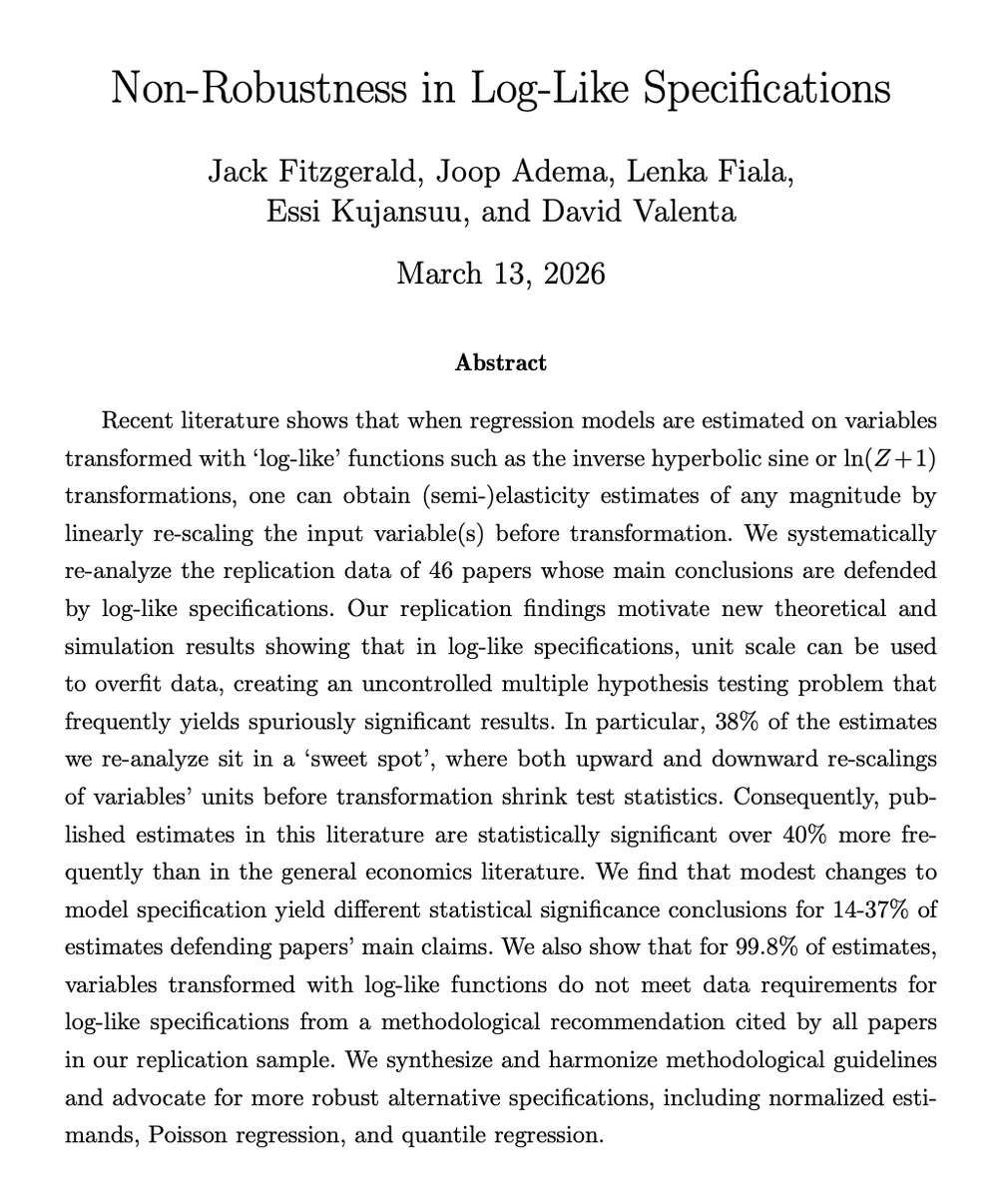

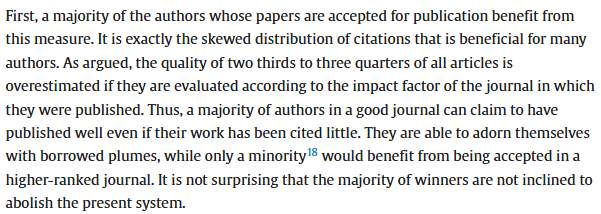

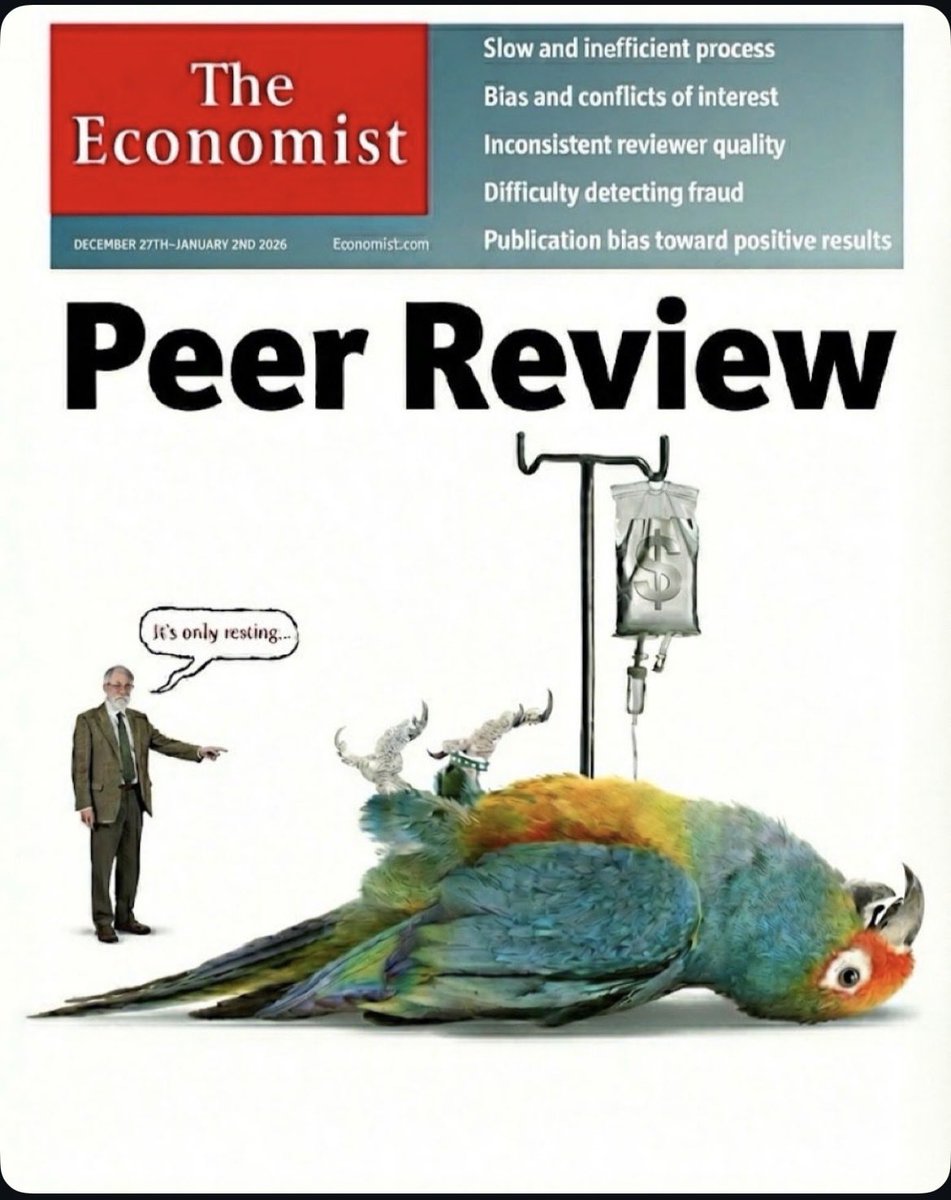
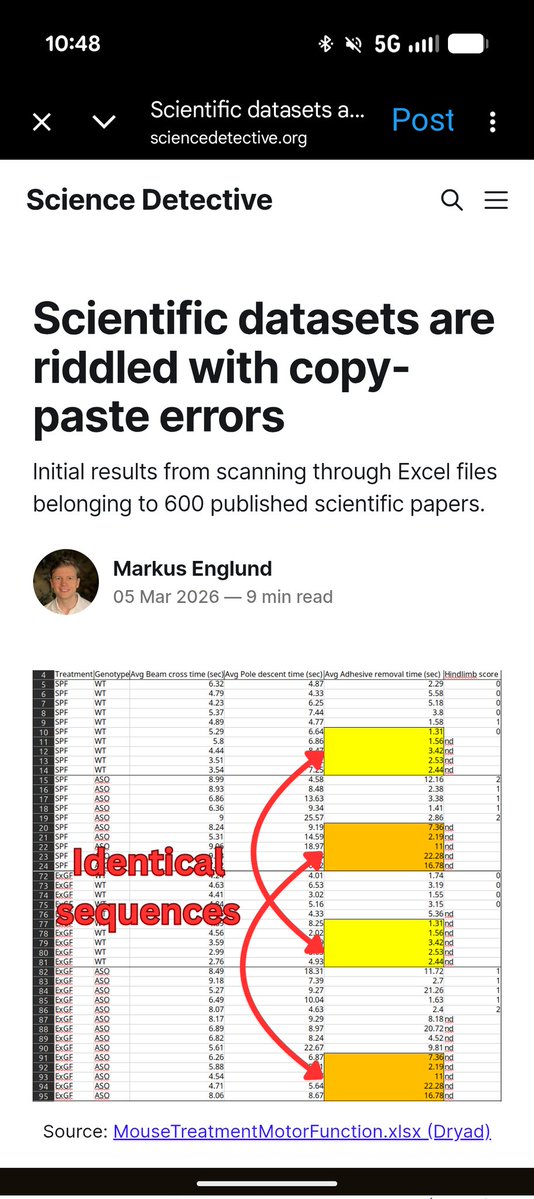
How much misconduct/fraud is there in the academic literature? About 0.2% of papers get retracted, but that's obviously a severe underestimate. Probably the best estimate comes from a manual (!!!) inspection of 20K (!!!) Western blot images. Estimate is 3.8% (1/2)


What unpopular academic opinion would get you in this situation?

I was writing about land reform in West Bengal last night and was curious if it had persistent effects on the ownership distribution. So I did what anyone would do, I* wrote an academic paper on it Turns out — yes! 1/

We rarely think of economics as scandalous, but maybe we should. Sam Bowles, in conversation with @sndurlauf & @ethanbdm, argues that a core assumption in the field impedes moral reasoning about wealth redistribution. Watch the full panel → bit.ly/3Yj4F3B



They got the same DNA. Genes are the same. Same mother, same father, same older siblings, same younger siblings, same number of books in the house, same number of TVs in the house, same teachers, same everything. So they should be absolutely indistinguishable. They should be, you know, clones. Well, if you know a pair of identical twins, you know they’re not indistinguishable. They have separate personalities. I know this intimately, having two identical twin uncles, Barry and Mark, who are more similar than people picked off the street at random, but no one in the family had any doubt which was which. They each had their own personality, and that’s true of all individuals. Well, that leads to a real puzzle that I think psychologists have not really thought through enough, which is: how can they be different? It’s not their genes. It’s not their environment—at least not anything stable about the environment, like who your mother is or what neighborhood you live in. @thinkableevents

I don’t understand this proposal. We already struggle graduating high-skilled workers in STEM and related fields. Taxing successful fields while making college free for less successful fields seems like a recipe for getting less of the former and more of the latter (& further loss of public support for higher ed). We have evidence of income-contingent re-payment from Australia. There, people do reduce labor supply to reduce their repayment, though this response seems to be outweighed by insurance benefits. But this does not take into account the much larger scope of major choice we have in US context.
3. Partha Dasgupta, On Natural Capital: The Value of the World Around Us A career summarizing work by one of the great minds in the economics profession, addressing deeply and comprehensively on how nature and the environments must be integrated into economic models and measurement. (This book is, I believe available in the US in early 2026; I read the final book draft this year.)