
...
1.7K posts


Where I said “in the war”? I always emphasize that this is not a war; this is a rescue mission. The reason I lost my cousin is only and only the Islamic regime and no one else. Shame on you, Clash Report, for spreading false information! Report their account!



Regardless if it's true (which it's not), beating (and harming) your wives is haram (forbidden) in Islam. The Prophet Muhammad ﷺ never hit his wives, forbade striking the face, and his companion Ibn ‘Abbas (ra), commenting on Quran 4:34, mentions never to harm one's wife.


"Muslims wear a Thawb with Izar or Salwar, or Salwar and Qamis." Nonsense There is no such thing as "Islamic clothing" Every type of clothing is cultural & based on local customs Muslims can wear anything as long as it covers the awrah & doesn't have any prohibitive aspects


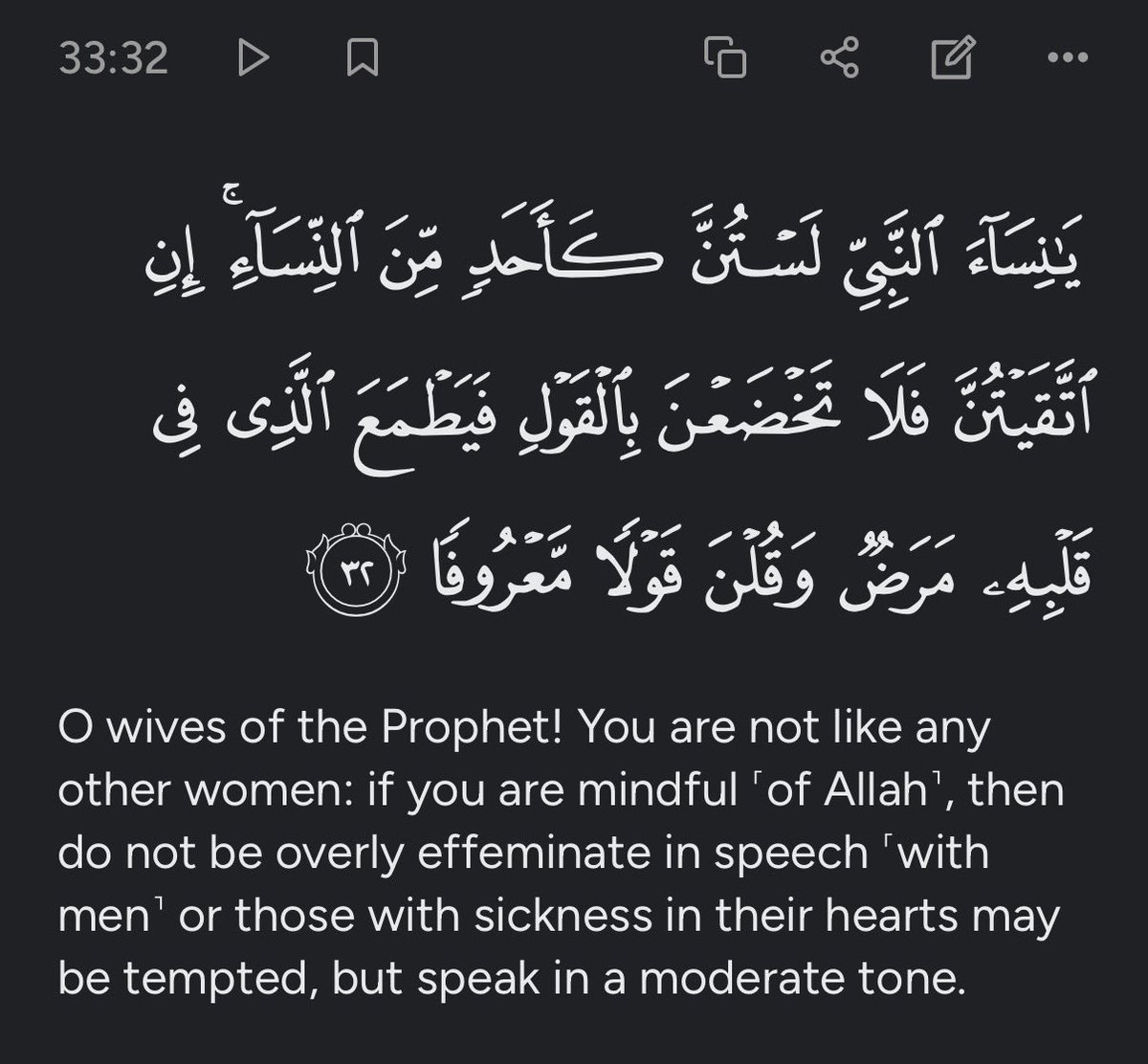
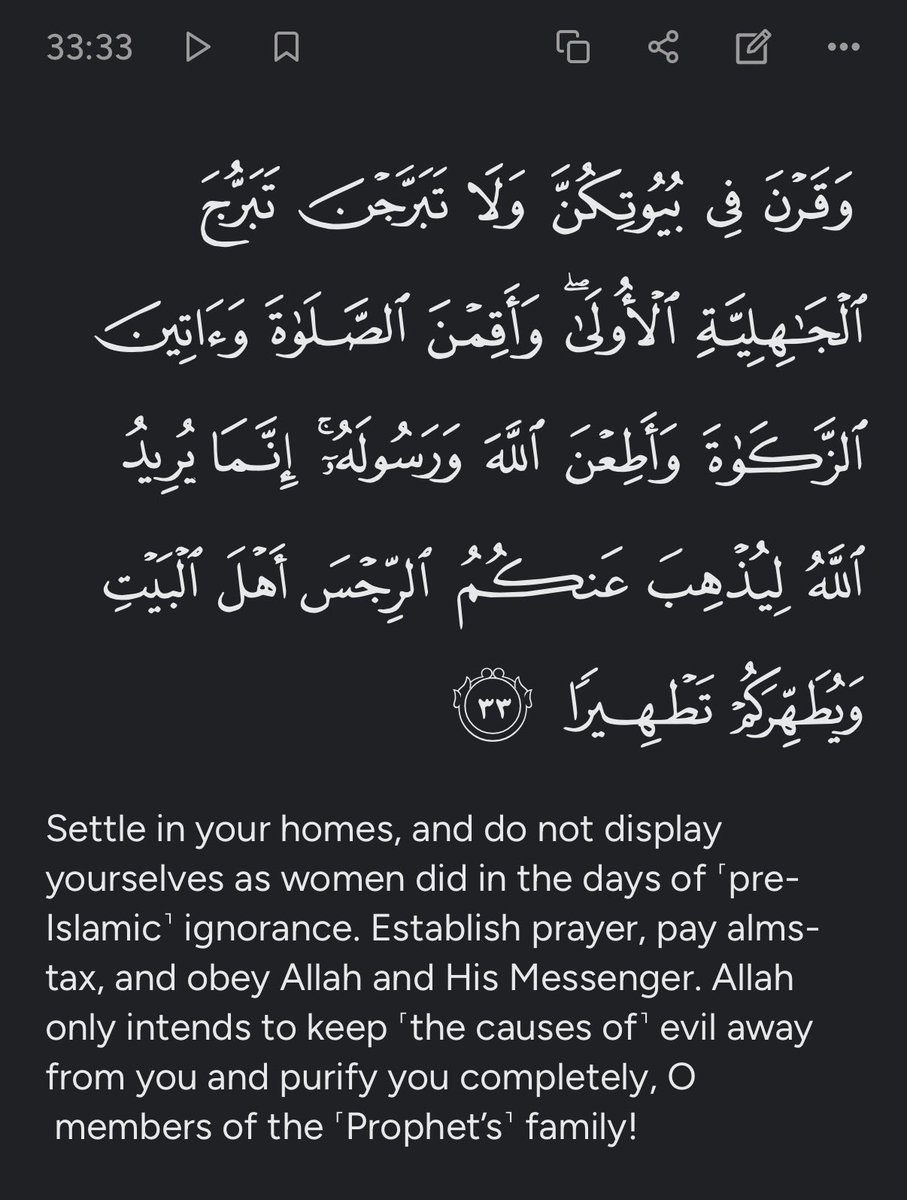
Dear brother, with all due respect, you are starting to go out of bounds in matters that require knowledge and precision. I also saw another comment from you where you claimed that Ahl al-Bayt refers to the wives and daughters of the Prophet ﷺ, and this is simply not correct according to the well-known narrations. The wives of the Prophet ﷺ are honored and part of his household, but the hadith of the cloak clearly shows that ʿAlī, Fāṭimah, Ḥasan and Ḥusayn are specifically the Ahl al-Bayt. The Prophet ﷺ himself clarified who the Ahl al-Bayt are in the hadith of the cloak (ḥadīth al-kisāʾ). Umm Salama (رضي الله عنها) reported: عن عائشة رضي الله عنها قالت: خرج النبي ﷺ غداة وعليه مرط مرحّل من شعر أسود، فجاء الحسن بن علي فأدخله، ثم جاء الحسين فأدخله، ثم جاءت فاطمة فأدخلها، ثم جاء علي فأدخله، ثم قال: ﴿إِنَّمَا يُرِيدُ اللَّهُ لِيُذْهِبَ عَنكُمُ الرِّجْسَ أَهْلَ الْبَيْتِ وَيُطَهِّرَكُمْ تَطْهِيرًا﴾ “The Prophet ﷺ came out one morning wearing a cloak. Hasan came and he brought him under it, then Husayn came and he brought him under it, then Fatimah came and he brought her under it, then Ali came and he brought him under it, then he recited: ‘Indeed Allah only intends to remove impurity from you, O People of the House, and purify you completely.’” — Sahih Muslim (2424) So the Ahl al-Bayt unquestionably include ʿAli, Fatimah, Hasan, and Husayn, and from them continues the noble lineage of the Prophet ﷺ. The Prophet ﷺ also said: «إني تارك فيكم الثقلين: كتاب الله وعترتي أهل بيتي» “I am leaving among you two weighty things: the Book of Allah and my family, the people of my household.” — Sunan al-Tirmidhi (3786) As for Sayyiduna ʿAli (رضي الله عنه), He was among the very first Muslims, in fact the first boy to accept Islam, his virtues are immense and undeniable. He grew up in the household of the Prophet ﷺ, witnessed revelation, and was the most knowledgeable of all the companions. Allah says about the earliest believers: ﴿وَالسَّابِقُونَ السَّابِقُونَ * أُولَٰئِكَ الْمُقَرَّبُونَ “And the foremost, the foremost — those are the ones brought near to Allah.” — Qur’an 56:10–11 And there is no doubt that ʿAlī ibn Abī Ṭālib (رضي الله عنه) is among those foremost in faith, knowledge, sacrifice, and closeness to the Messenger ﷺ. The Prophet ﷺ said: «أنا مدينة العلم وعلي بابها» “I am the city of knowledge and ʿAlī is its gate.” This narration was discussed and transmitted by numerous scholars in the books of virtues. «أنت مني وأنا منك» “You are from me and I am from you.” — Sahih al-Bukhari (3712) And he also said: «أنت مني بمنزلة هارون من موسى إلا أنه لا نبي بعدي» “You are to me like Harun was to Musa, except that there is no prophet after me.” — Sahih al-Bukhari (3706), Sahih Muslim (2404) No one denies the virtues of Sayyidunā Abu Bakr al-Ṣiddīq (رضي الله عنه), but claiming that the superiority of Abu Bakr over everyone by absolute consensus in the way you stated it is an oversimplification of a very nuanced scholarly discussion and simply not true. This is why scholars wrote entire works on the virtues of ʿAli, including Imam al-Nasāʾī’s famous book Khaṣāʾiṣ ʿAli. Also, do not confuse two different issues. No one is denying that Sayyidunā Abū Bakr al-Ṣiddīq (رضي الله عنه) became the first caliph after the Messenger of Allah ﷺ. That is a historical and political matter related to the khilāfah. But that does not automatically settle the discussion about rank, knowledge, or spiritual proximity to the Prophet ﷺ. These are separate discussions in the scholarly tradition. So brother, these matters are delicate. It is better to speak with knowledge and caution, especially when discussing the family of the Messenger of Allah ﷺ. But please do not speak so decisively on matters of the Ahl al-Bayt and the great companions unless you are certain of what the scholars actually said. May Allah grant us knowledge, adab, and love for the the Ahl al-Bayt.


I'm buying a church. I’ve made a cash offer of £225,000 to purchase this church, which was about to close and be sold off to developers. I'm fed up with driving past all these churches in the UK that used to thrive, support the community, and feed the homeless. Now, just look at these beautiful church buildings. So many are boarded up, closed down, with developers queueing up to profit from converting them into flats. I simply can't accept that a building built to glorify Jesus for generations can be turned into something solely for profit. So I've placed an offer on a church in my hometown. My plan is to buy it and offer it completely free of charge, with zero rent, to a church willing to worship Jesus here and serve others. What do you think of this idea?


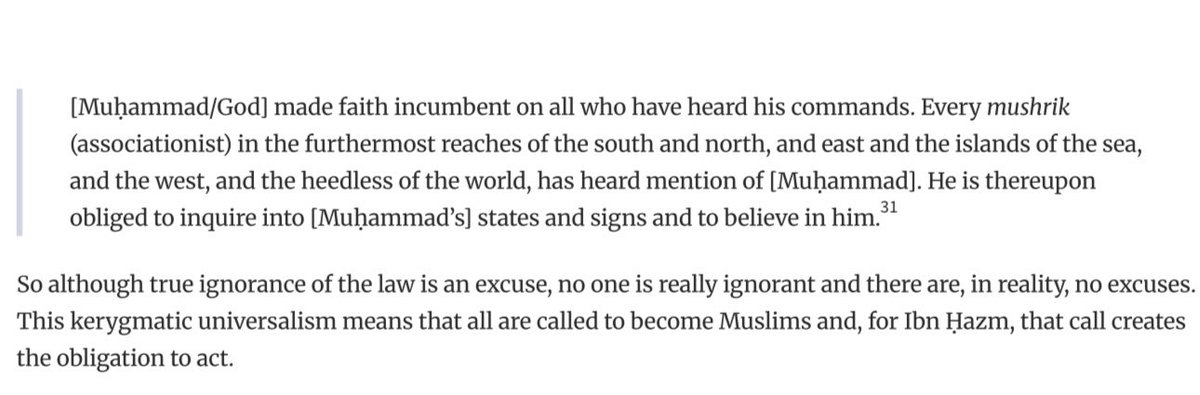
So where, then, is the doctrine of al Jahiz in what Hujjat al Islam has stated?” It is then asked, is there any notable scholarship explicitly stating that non-Muslims in the place we call the west now in the previous era has received the message of Islam?

It’s funny how Mohammed was the only “prophet” who first worshipped pagan idols before suddenly receiving the final revelation. Biblical prophets never converted from false gods.
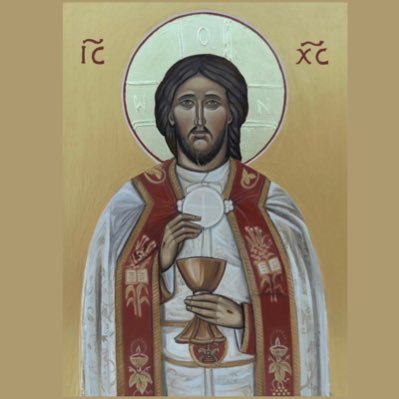
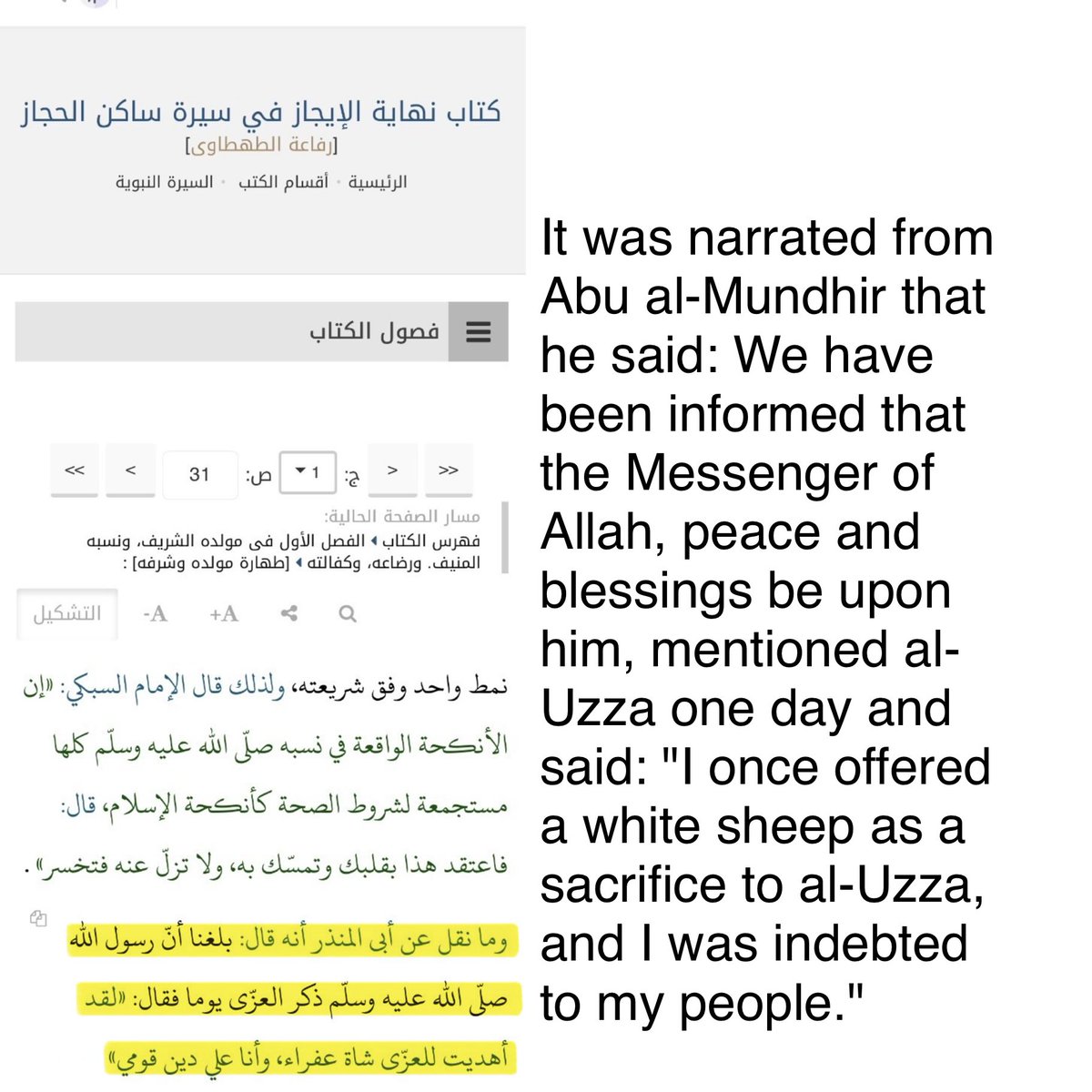


the new-revert dawah is extremely harmful

God expresses Wonder? Can someone care to explain this?