Michael Smith retweetledi

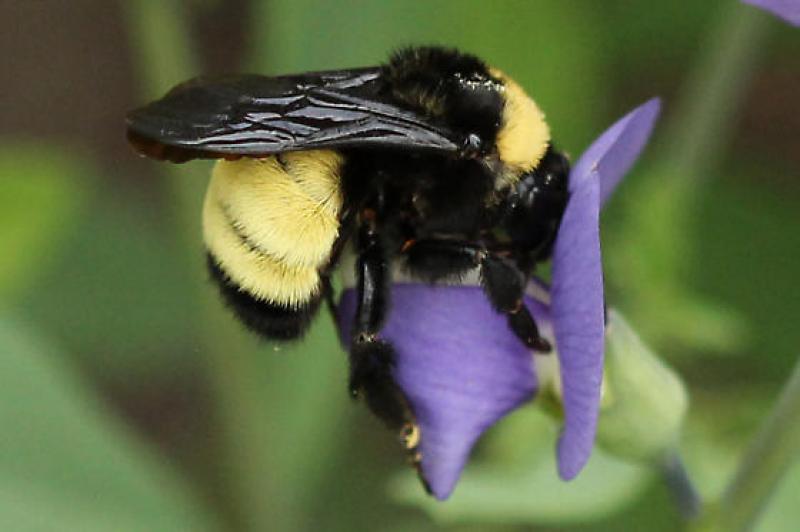
Everyone's worried about honeybees, but the American bumblebee has declined by 89% in the last 20 years.
Bombus pensylvanicus was once the most common bumblebee in the southern United States. It's now functionally extinct in eight states (Maine, Rhode Island, New Hampshire, Vermont, Idaho, North Dakota, Wyoming, and Oregon) and down 99% in New York.
The honeybee, the species most "save the bees" campaigns are organized around, is not native to North America. It was brought over by European colonists in the 1600s as livestock for honey production. It is managed, bred, transported across the country in trucks, and is doing fine. Beekeeping is an agricultural industry, not a conservation effort.
The American bumblebee is what we actually have. It pollinates wild plants honeybees can't, including ones with deep flowers and ones that require buzz pollination (a technique honeybees don't perform). Tomatoes, blueberries, eggplants, cranberries, and countless wildflowers depend on it.
The Center for Biological Diversity petitioned to list the species as endangered in 2021. The federal review is now in its fifth year. The species is still not protected.
Three things help.
1. Plant native flowers, the kind bumblebees evolved with (asters, goldenrod, milkweed, native sunflowers, beebalm, mountain mint).
2. Leave standing dead plant stems through winter, that's where queens overwinter.
3. Stop spraying for mosquitoes, those sprays kill every pollinator they touch.
The bees we built an industry to "save" are not the bees that need saving. The ones that do are quietly disappearing while we celebrate the ones that aren't.

English