Micro-Antarctica 🇦🇶❄️ retweetledi
Micro-Antarctica 🇦🇶❄️
854 posts

Micro-Antarctica 🇦🇶❄️
@MFACentum
🇦🇶 Unofficial profile about #Antarctica and #micronations that claim territories in the white continent. 📬|DM open|
Antarctica Katılım Ocak 2021
146 Takip Edilen325 Takipçiler
Micro-Antarctica 🇦🇶❄️ retweetledi

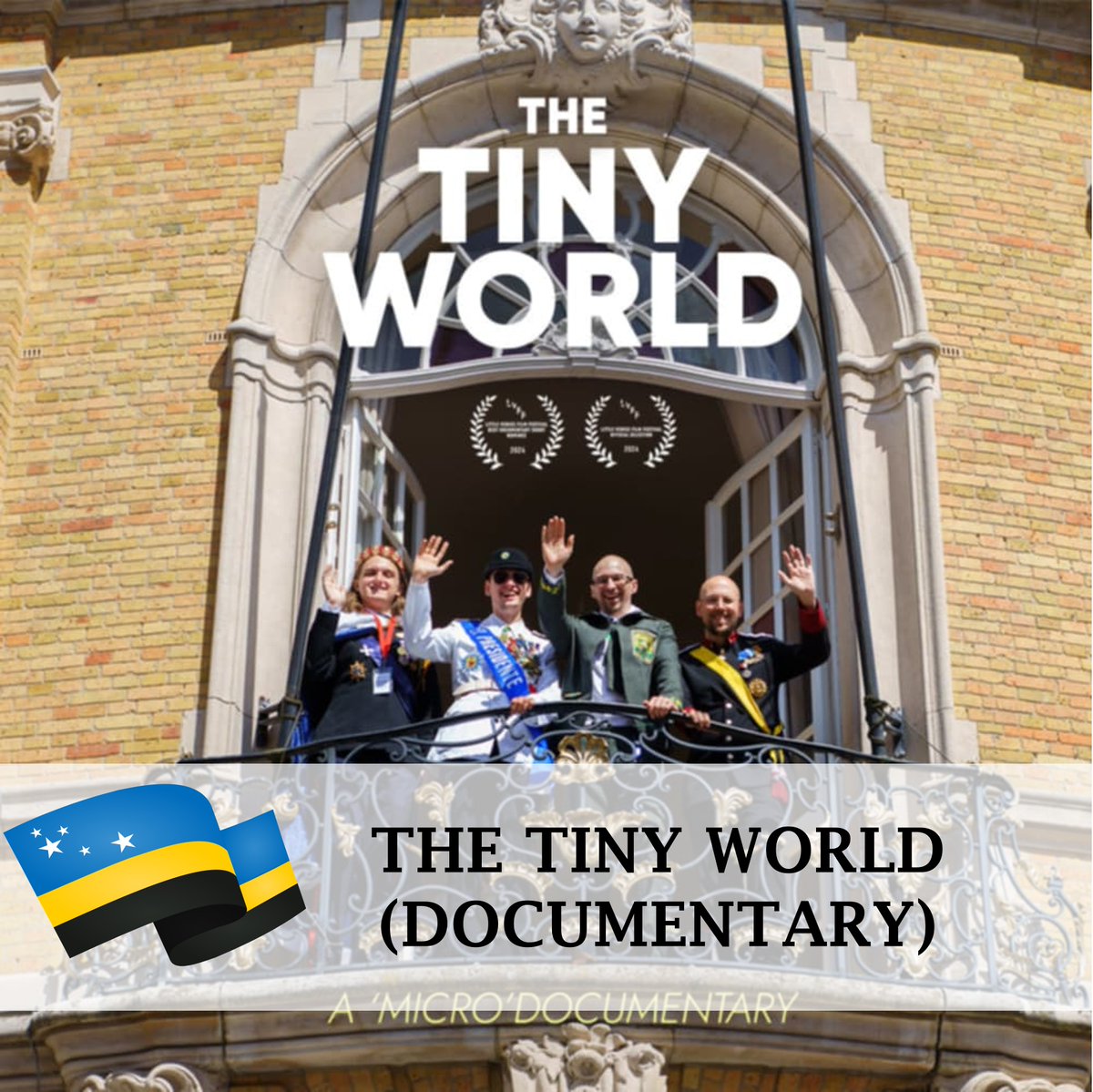
At MicroCon EU 2023 in Ypres, the Polish filmmaker Piotr Tomaszewski interviewed micronationalists, including our founder. His documentary "The Tiny World" (Tyci Świat) was nominated for Best Documentary at the 2024 Little Venice Film Festival #micronation #micronationalism

English
Micro-Antarctica 🇦🇶❄️ retweetledi

#OnThisDay in 1900, Borchgrevink's British Antarctic 'Southern Cross' Expedition party arrived in New Zealand after being in Antarctica for two years.
Borchgrevink’s party of 10 men was funded by magazine magnate Sir George Newnes. The aim of the expedition was to collect scientific data and study wildlife, be the first team to intentionally overwinter on the continent, and explore the continent’s interior. Borchgrevink also wanted to investigate the commercial possibilities of the region, focusing on whaling, mineral prospecting and the mining of penguin guano for fertiliser.
Many of the expedition’s scientific records were lost but they did achieve some exceptional ‘firsts’, for example, they were the first to erect a building in Antarctica at Cape Adare. This hut still exists today as the only example left of humanity's first building on any continent. Antarctic Heritage Trust is proud to care Borchgrevink's legacy at Cape Adare on behalf of the international community.
They were also the first team to winter over, and use dogs, sledges and skis to travel over land and sea ice. Expedition members Bernacchi and Colbeck produced a detailed map of the area that was used by later expeditions. Finally, under Bernacchi’s leadership, the first full year of weather readings was recorded. Their data set the baseline for Antarctic climate science.
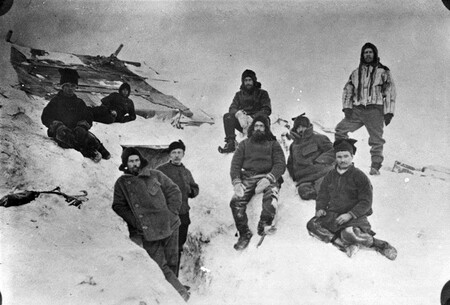
📸 The Southern Cross expedition members pictured just before spending the first winter on the Antarctic continent, 1899. Canterbury Museum
#inspire #explore #discover #conserve #Antarctica #borchgrevink #capeadare

English
Micro-Antarctica 🇦🇶❄️ retweetledi

Up to $120,000 for a luxury journey to Antarctica 🇦🇶 to witness penguins 🐧 before they disappear. Antarctica is not a tourist attraction! It’s a fragile ecosystem that deserves protection, not profit 😤
#Antarctica #ProtectAntarctica
vpro.nl/frontlinie/art…
English
Micro-Antarctica 🇦🇶❄️ retweetledi

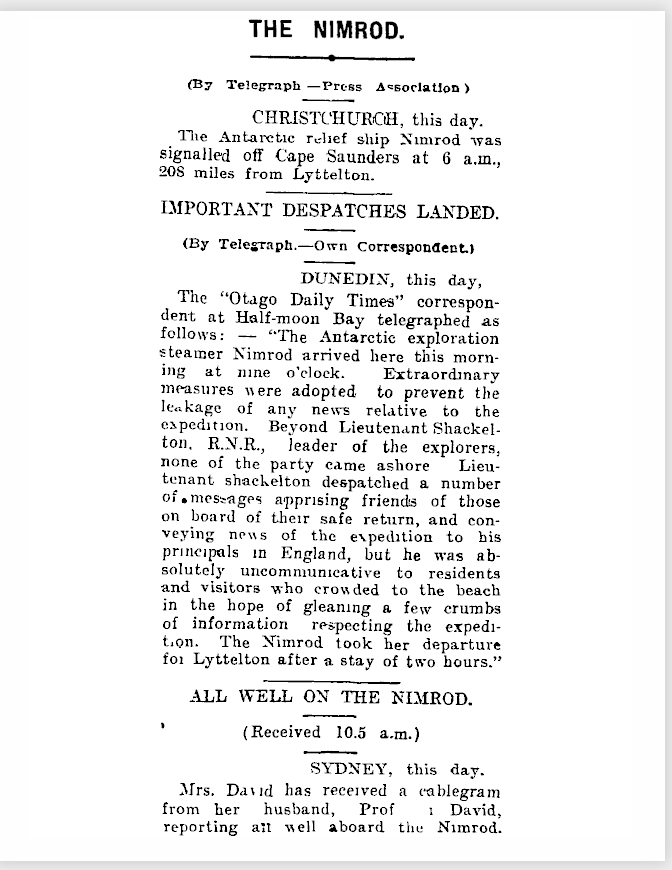
#OnThisDay 1909, Shackleton aboard the 'Nimrod', arrived at Halfmoon Bay on Stewart Island's East Coast, New Zealand. The British Antarctic 'Nimrod' Expedition 1907-09 led by Ernest Shackleton, had not met its' main target, to reach the South Pole. However, the expedition had set a new Farthest South record of latitude of 88° 23' S, just 97.5 nautical miles (180.6 km; 112.2 mi) from the pole, reached the estimated location of the South Magnetic Pole and been the first to climb Mount Erebus.
Shackleton was the only one to disembark the ship and sent a 2,500-word report to the London Daily Mail, with which he had an exclusive contract. Whilst on the Island, Shackleton didn't share a word with the crowd that had gathered, and the ship departed two hours later, headed for Lyttelton.
📸 Auckland Star, Volume XL, Issue 71, 24 March 1909, Page 3. Creative Commons

English
Micro-Antarctica 🇦🇶❄️ retweetledi

#OnThisDay in 1870, Herbert George Ponting was born. Ponting was a professional photographer and is best known as the expedition photographer and cinematographer for Captain Robert Falcon Scott’s 'Terra Nova' expedition 1910-1913. During his time on the ice, Ponting captured some of the most enduring images of the Heroic Age of Antarctic Exploration.
Scott’s vision of taking Antarctica to the world was to be fulfilled beyond his wildest expectations. Through his skill, tenacity and adaptation to the Antarctic conditions, Ponting opened everyone’s eyes, providing lessons to members of the expedition so the standard of photographic work on their scientific field parties was second to none. He even had his very own darkroom in the 'Terra Nova' hut at Cape Evans on Ross Island.
Ponting returned from the 'Terra Nova' expedition after the first year with a catalogue of over 1700 negatives and ca. 25,000 feet worth of film. His work moved beyond the bounds of travelogues or scenic imagery, it became the very forefront of polar wildlife documentary film-making.
📸 Photographer Herbert George Ponting (1870-1935) at work in the dark room of Scott's 'Terra Nova' hut, Antarctica, during the British Antarctic Expedition, 24 March 1911. Alexander Turnbull Library
#inspire #explore #discover #conserve #Antarctica #RobertFalconScott #Scott #Ponting #capeevans

English
Micro-Antarctica 🇦🇶❄️ retweetledi

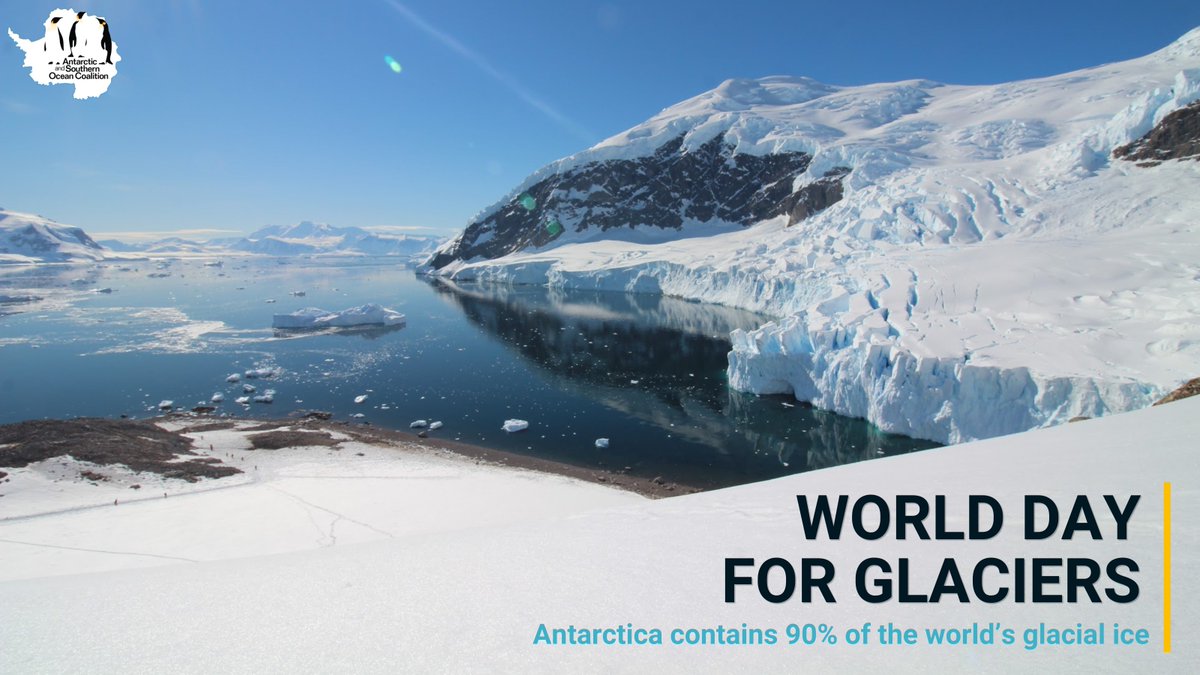
Glaciers cover 10% of Earth, but in Antarctica they blanket 99% and hold enough ice to raise sea level nearly 60 m if it all melted. Urgent climate action is needed to protect these glaciers and the Southern Ocean that help regulate our planet’s climate. 🌊❄️#WorldDayforGlaciers

English
Micro-Antarctica 🇦🇶❄️ retweetledi

Micro-Antarctica 🇦🇶❄️ retweetledi

Are We Taking Food From Penguins to Feed Salmon?
Sometimes, the smallest creatures carry the biggest responsibility.
newspenguin.com/news/articleVi…
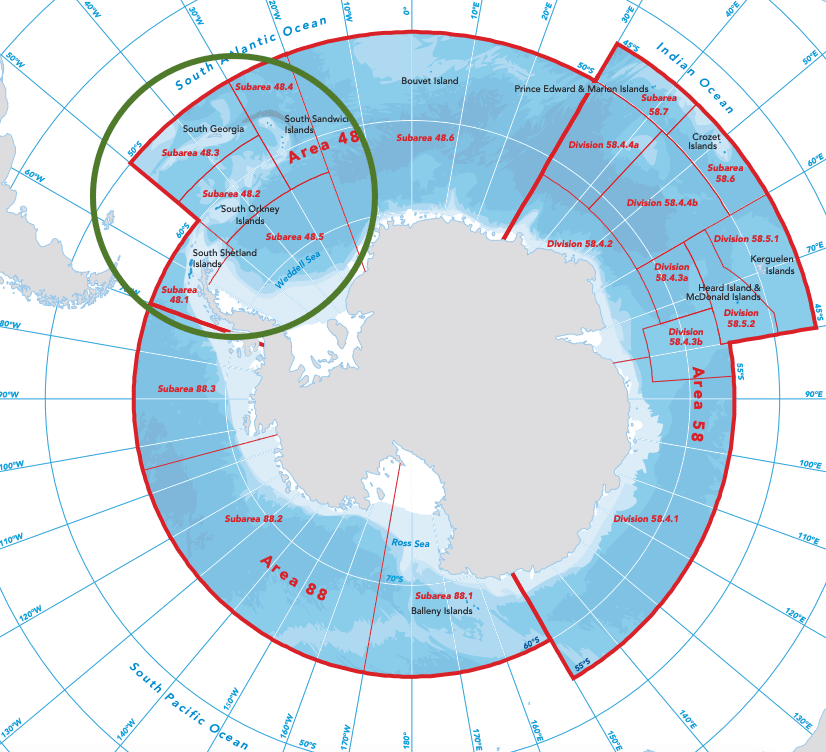
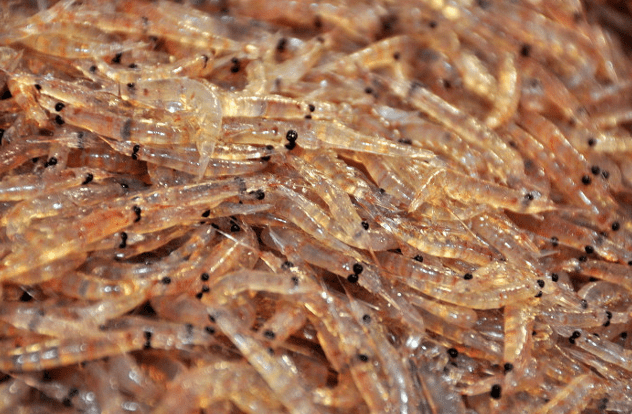
In the Southern Ocean, a tiny creature—krill—holds an entire ecosystem together. Penguins, whales, seals, and fish all depend on it to survive. Yet every year, hundreds of thousands of tons of krill are harvested—not for survival, but largely for fish feed and fishing bait. Until recently, international rules helped prevent overfishing in specific areas. But those limits have now expired. Today, in some regions, it’s essentially first come, first served.
Yes, total catch may seem small compared to the vast ocean. But krill don’t live everywhere—they gather in dense hotspots. If those areas are heavily fished, entire local ecosystems can feel the impact. At the same time, climate change is shrinking krill habitats beneath sea ice. So the question becomes simple—and global: What are we willing to take, and what should we protect?


English
Micro-Antarctica 🇦🇶❄️ retweetledi

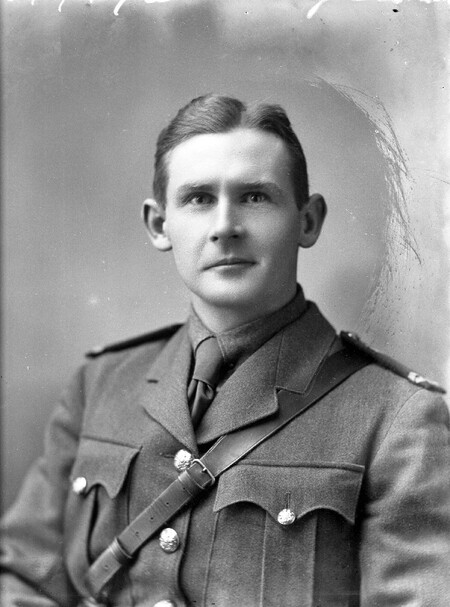
#OnThisDay in 1889, Lionel Greenstreet, First Officer of Shackleton's Imperial Trans Antarctic 'Endurance' Expedition (1914-17) was born. He grew up in East Barnet, Hertfordshire and at around 15 years old, became a cadet on the training ship 'Worcester' where he passed certificates in Navigation and Seamanship.
In August 1914, while on leave from duties with the New Zealand Shipping Company in Scotland, Greenstreet wrote to Frank Worsley, Captain of the 'Endurance' for a position on the expedition. As the First World War was starting, the original chief officer Douglas George Jeffrey, had left for active service. One day before Endurance sailed from Plymouth, Greenstreet received a short message from Worsley directing him to come meet him from whereby he was told to get his affairs in order and be ready to leave the next morning.
Greenstreet played an important role in the expedition team's survival after 'Endurance' was abandoned and crushed by ice in the Weddell Sea. Worsley later gave extensive praise to Greenstreet for his efforts on the journey to Elephant Island, relieving Worsley at the tiller of 'Dudley Docker' and serving as a key rower for the boat. After the expedition, Greenstreet served in both world wars, held numerous positions, married and eventually retired in Brixham, Devon. Greenstreet was the final surviving member of the 'Endurance' expedition, he died in 1979.
📸 Public Domain, Photographed by David Knights-Whittome
#inspire #explore #discover #conserve #Antarctica #Endurance #Shackleton

English
Micro-Antarctica 🇦🇶❄️ retweetledi

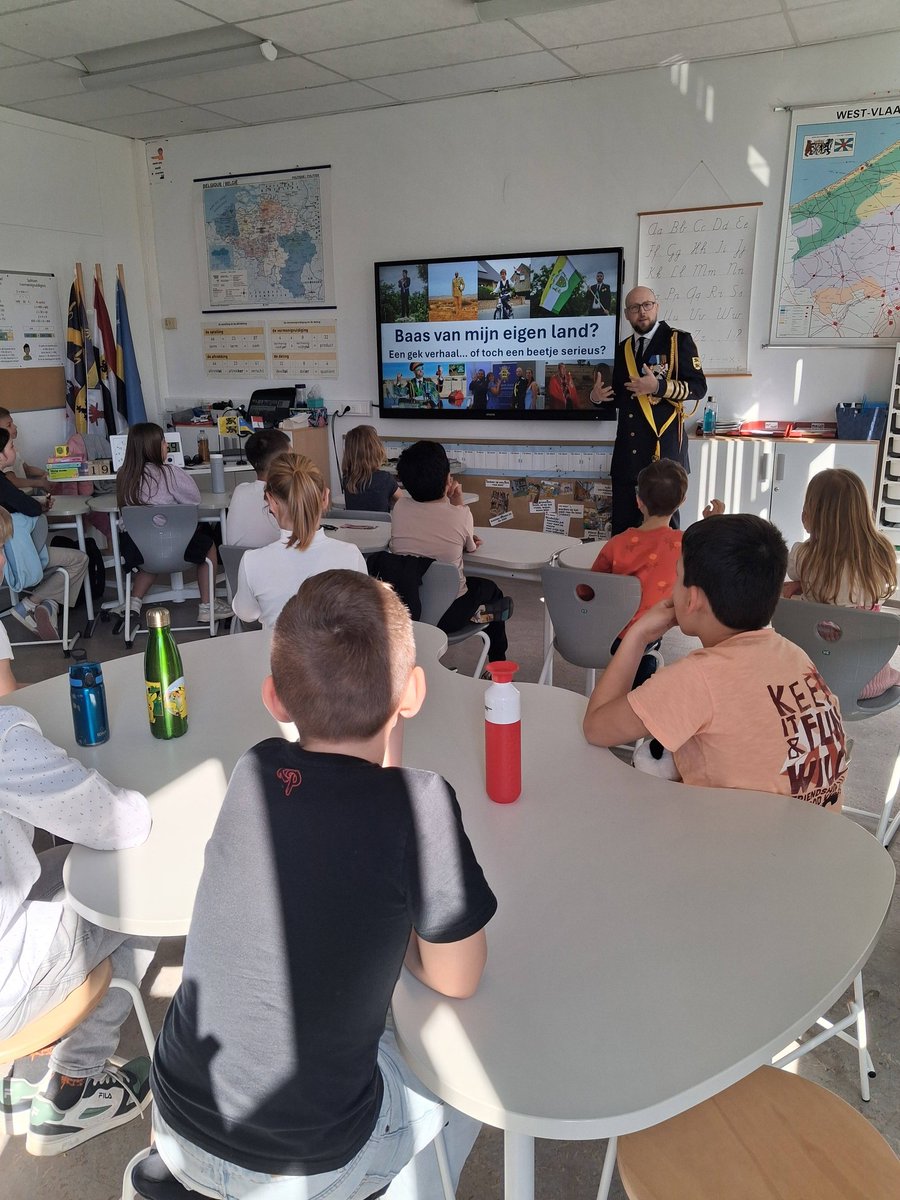
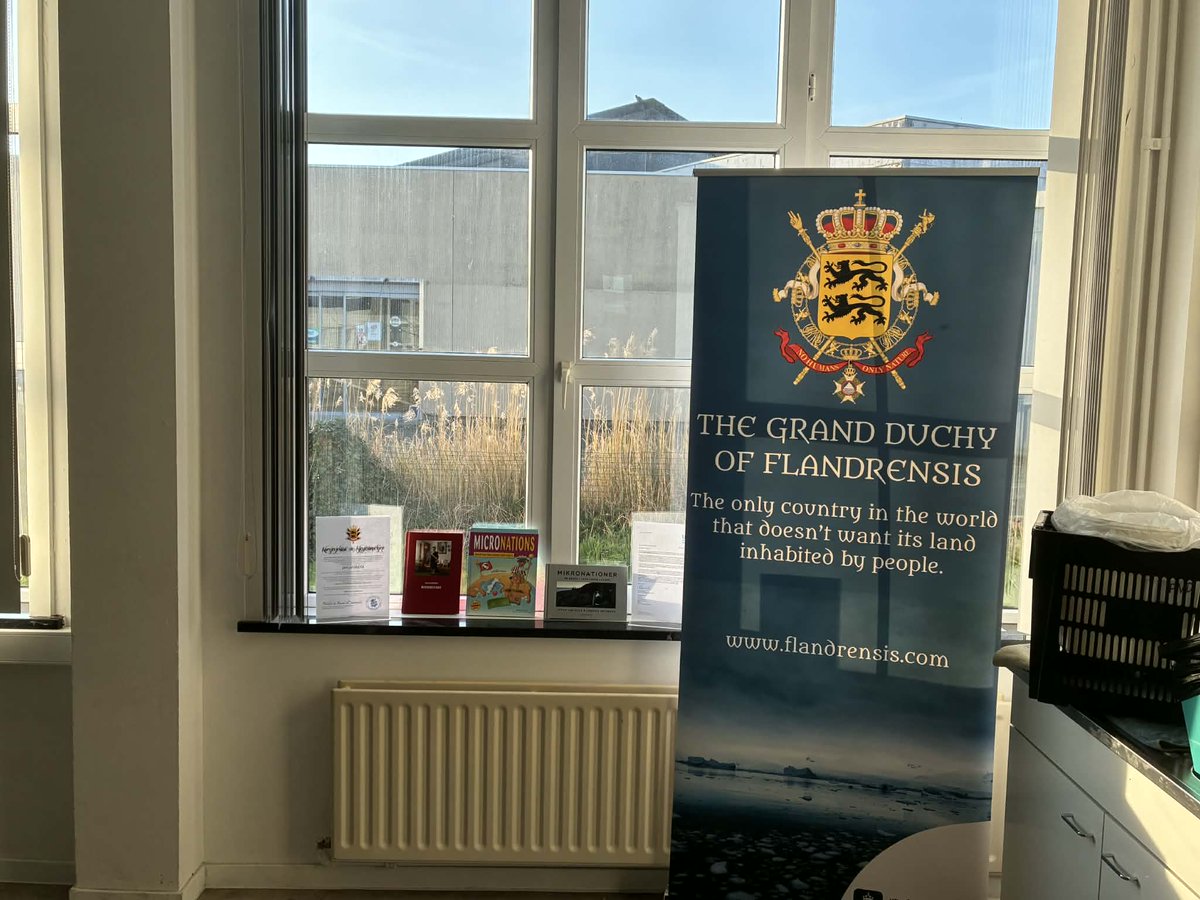
A big thank you to the students of L3–L4 at BS STIP 🇧🇪 for inviting our Grand Duke! For two hours, they listened with great interest to the story of Flandrensis, as well as fascinating tales about other micronations 🤩#micronations #micronationalism #education


English
Micro-Antarctica 🇦🇶❄️ retweetledi

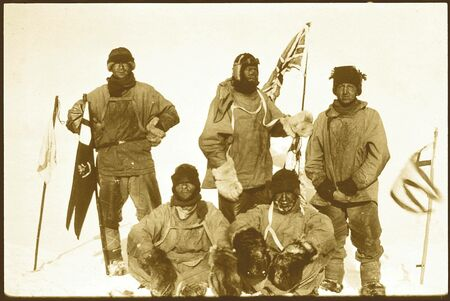
#OnThisDay in 1912, the remaining three members of Scott's Polar Party, British Antarctic 'Terra Nova' Expedition 1910-1913, made their final camp on their return from the South Pole. Captain Robert Falcon Scott, Lieutenant Henry Bowers and Dr Edward Wilson were just 11 miles from the next depot of food and fuel which would have saved them.
Scott's diary entry on Monday 19 March, describes a dreadfully heavy sledge and -40-degree temperatures. Trapped by a blizzard, the men shared the little food they had left and waited.
"Every day we have been ready to start for our depot 11 miles away, but outside the door of the tent it remains a scene of whirling drift..." - R. F. Scott, Thursday 29 March. Scott's Last Expedition © The Long Riders' Guild Press.
📸 Scott's Party on Reaching the South Pole 1912 © Antarctica New Zealand Pictorial Collection.
#OTD #inspire #explore #discover #Antarctica

English
Micro-Antarctica 🇦🇶❄️ retweetledi

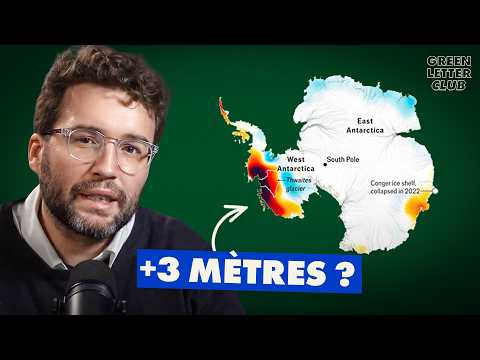
What would happen if all the ice in Antarctica melted? 🌍🧊 Would sea levels rise by more than 3 meters before 2100? 🇦🇶🌊
Watch this informative 12-minute video from the Green Letter Club 💚 to learn more.
youtu.be/NqjQqsnbobQ?si… via @YouTube

YouTube
English
Micro-Antarctica 🇦🇶❄️ retweetledi

It's time to roll up your sleeves, get your hands dirty, and make a difference through cleanup efforts in your community. 💪
Let’s clean up and be the knights our planet needs! 💚🌍 #cleanup #ClimateAction #Flandrensis #Micronation #Micronationalism

English