Pocas pinturas de San Jorge he visto en mi vida tan espectaculares como esta –(casi) tres metros de alto por (casi) dos de ancho– ante la que uno no puede más que detenerse, contemplar y sentirse chiquitito. Qué BELLEZA de pala. Feliç Sant Jordi! 🐉🗡️🌹
🎨 Paris Bordon, ca. 1525
Probablemente sea la primera y última vez a lo largo de vuestra vida que veáis un inventario de los libros que hubo en una imprenta en el año 1545...
¡Feliz Día del Libro...!
"No es analfabeto aquel que no sabe leer sino aquel que sabiendo leer, no lee". Miguel de Unamuno
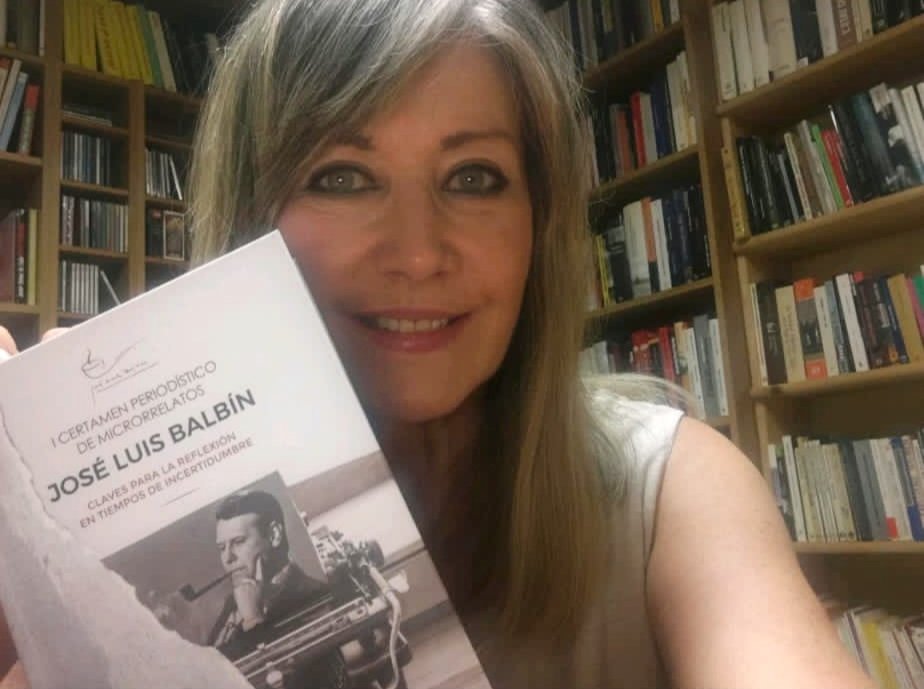
📚 Releyendo el libro del 'I Certamen Periodístico de José Luis Balbín' ℹ️ goo.su/Y2VE4Z6
¡Feliz Día del Libro! 🌹
#JuliaMesonero#LaClave#50AniversarioLaClave
🤔 ¿Qué hacía que una viñeta fuera "peligrosa" en el franquismo?
✏️ Durante décadas, el cómic fue vigilado como herramienta de influencia pedagógica y el lápiz rojo del censor también llegaba hasta aquí
🔎 Descúbrelo a través de nuestros @ArchivosEst 🔗 bit.ly/4mn8uAg
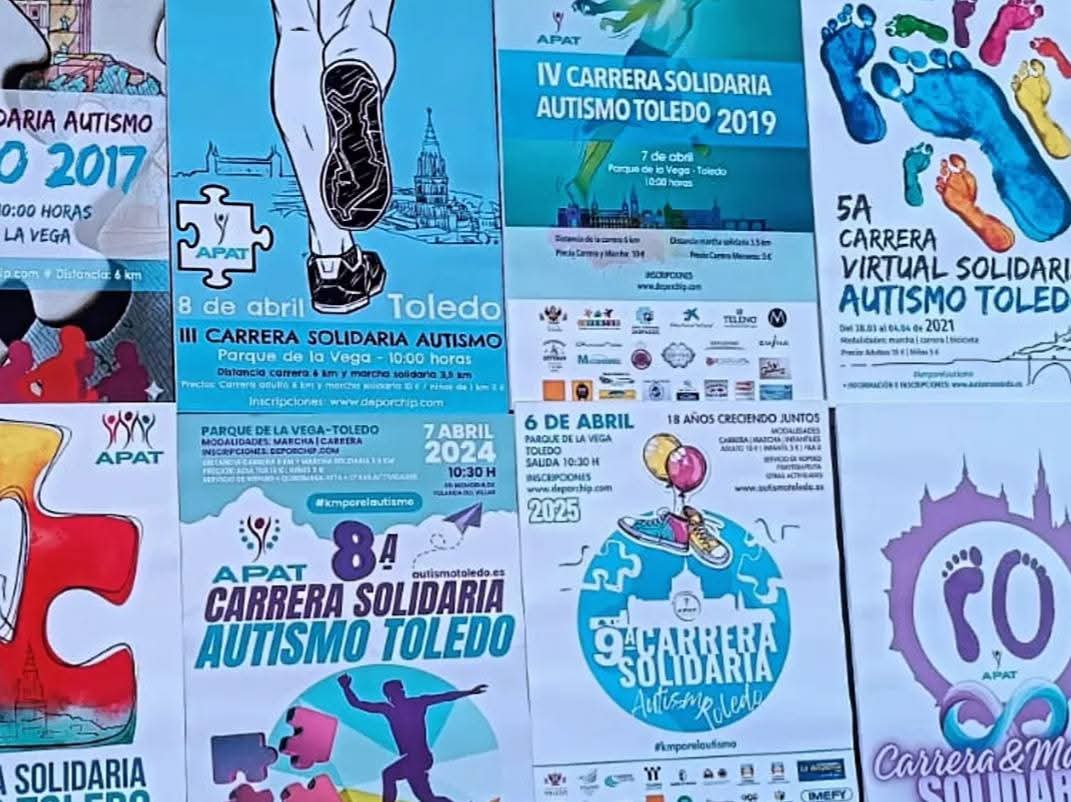
Siempre hay un hueco para apoyar a @APAT_Toledo 💙 Cada un@ tiene su manera de colaborar, y esta es la mía. ✍🏼
¡Muy orgullosa de ti, Chen! 🫂✨ LOVE you sobris! 😍
Una alegría que la carrera solidaria fuera un éxito. 🎉
#autismo#cultura#deporte#toledo
Gracias @21distritos_ 🎭 ¡Un gran fin de semana con #TeatroaPiedeBarrio! 👏🏼
El público disfrutó y compartió su emoción con nosotr@s 🙌🏼
📚🎼 'Poesía desde el alma' en Villaverde.
🎶📖 'Ocho poemas, ocho mujeres' en Moratalaz.
¡Hasta la próxima!
#teatro#madrid#primavera
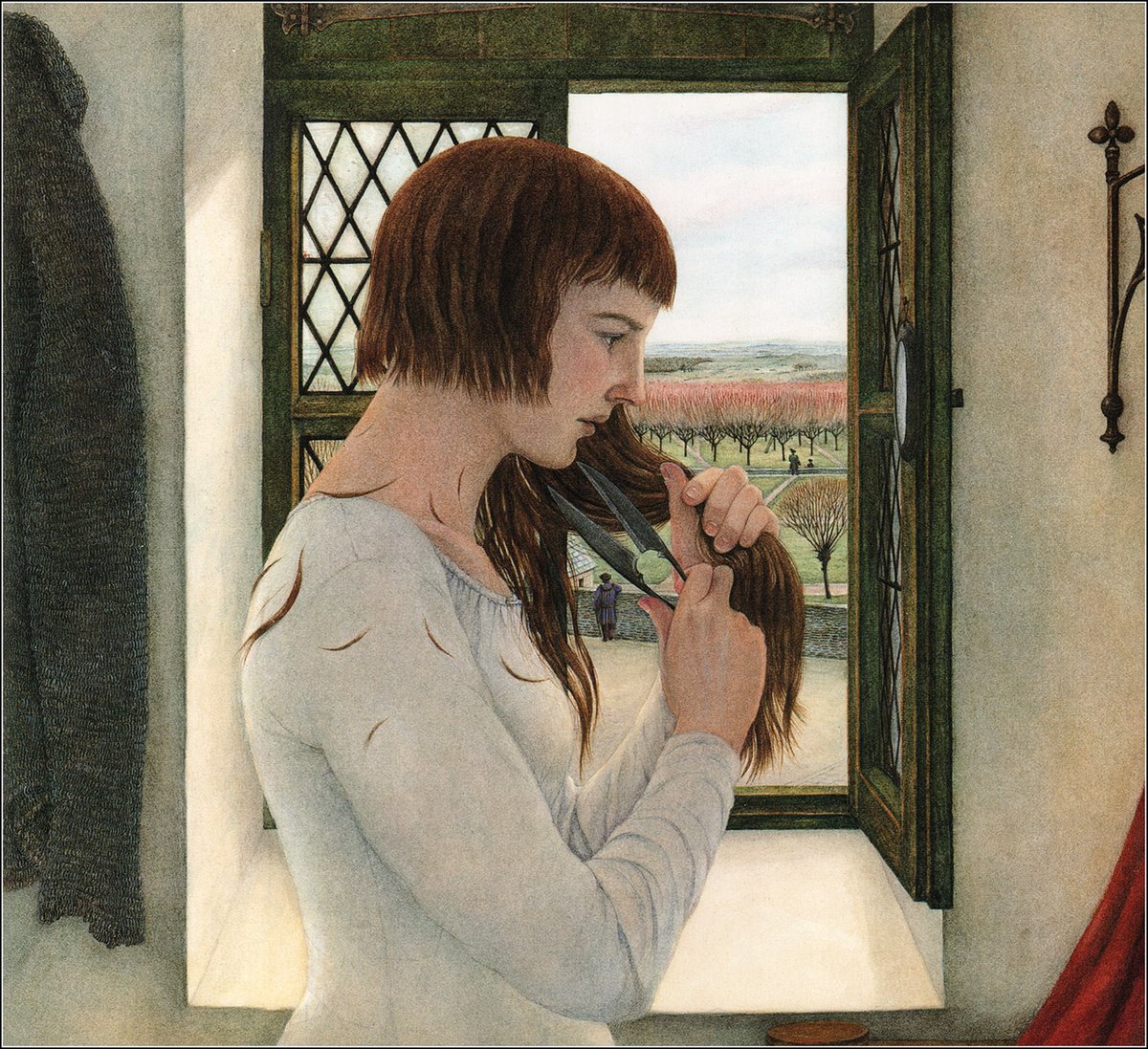
The scene of Joan of Arc cutting her hair. Artist: Angela Barrett. Medium: Watercolor, gouache, colored pencils, 1998. Book: Joan of Arc, author Josephine Poole. Publisher: Alfred A. Knopf / Random House, New York.
When Joan left Vaucouleurs in 1429, she had her hair cut above her ears, "round and like a young man's cut" (this description comes straight from the transcripts of her Inquisition interrogation). She took with her tightly laced hose and a short tunic, high boots, a sword, a dagger, a lance, a red velvet scabbard, and a sword sheath made of cloth of gold. Over this, she put on armor of the brightest steel; she commissioned a fringed white silk banner she'd designed herself, bearing the names of angels along with Jesus and Mary. When asked why she'd cut her hair like that, her answer was clear: she said she received this haircut as a divine command, and that the voices had ordered her to cut her hair, wear a doublet and hose, and save France.
Joan didn't use men's clothing just to express her identity, but as a form of protection. According to the Inquisition transcripts, her undergarments and hose were securely tied to each other and to her tunic with exactly twenty cords. The long, waist-high leather boots she wore over them were also fastened, practically locking the outfit together as a single piece and making it incredibly hard to take off. Joan herself explained why: throughout her imprisonment, this outfit was her only physical protection against attempted rapes by her English guards.
During the trial that started in Rouen on January 9, 1431, the charges against Joan were complex, but five of them were directly about her clothing and hair. Out of the first seventy-eight articles of accusation, her male clothing alone was the focus of several; furthermore, the first and fifth of the official twelve articles of condemnation were dedicated to this exact issue. The theological argument behind the accusation came from a prohibition in the Book of Deuteronomy: clothing that blurred gender lines was a rebellion against the Divine order, and in the Inquisition's eyes, this was a sign of demonic inspiration. They noted in the records, "She who cuts her hair has apostatized."
Joan was burned alive in the marketplace of Rouen on May 30, 1431. Technically, the official justification came down to a single act: wearing men's clothing.
During the 1456 rehabilitation trial, the same clergymen who took part in her conviction testified in person. They revealed that the process was biased, Joan's words were distorted, and presenting every intimate detail - right down to her undergarments - as evidence was procedurally irregular. Pope Callixtus III annulled the conviction; Joan was exonerated. In 1920, Pope Benedict XV canonized her as a saint.
🌬️ Remando viento a favor, celebrando cada momento en nuestra profesión. 💙
¿Cuál es tu frase favorita de ANONIMATO?
📝 La de nuestra directora María Pastor es "No vas a poder ser padre hasta que dejes de ser hijo".
Teaser 🔛 goo.su/dvtqd8f
¿Padre se nace o se hace?