Maverick Simpachi

148 posts

Maverick Simpachi banner
Maverick Simpachi

Maverick Simpachi

@MSimpachi65281

When I wanted to change my name the Ancient of Days said, Elia Ashima E. I think that's fate on the side of richness.

Eastern Mount Katılım Eylül 2025
80 Takip Edilen27 Takipçiler
Maverick Simpachi
Maverick Simpachi@MSimpachi65281·
**The succubus and the Aswang represent distinct supernatural entities from different cultural traditions, sharing some superficial overlaps in predation and deception while differing significantly in nature, methods, and cultural roles.** Origins and Cultural Context - **Succubus**: Originates in European (primarily medieval Christian) folklore as a female demon that visits men in dreams or sleep to seduce them. It is part of a broader demonological framework involving incubi (male counterparts) and fallen angelic hierarchies. - **Aswang**: An umbrella term in Filipino (Philippine) folklore for various shape-shifting, malevolent creatures, often linked to Visayan, Bicol, and other regional traditions. It encompasses vampires, viscera suckers, witches, ghouls, and were-beasts, with roots possibly influenced by pre-colonial beliefs and later syncretism. Appearance and Abilities - **Succubus**: Typically appears as a beautiful, seductive woman (sometimes with demonic features such as wings, horns, claws, or a tail upon closer inspection). It shapeshifts or appears in dreams to facilitate seduction. Its primary ability is sexual allure and energy manipulation. - **Aswang**: Often presents as an ordinary (sometimes reclusive or attractive) human by day, transforming at night into monstrous forms such as dogs, pigs, birds, or hybrid creatures. Subtypes like the *Manananggal* separate the upper body to fly, while others use a proboscis-like tongue. Features may include backward feet, bloodshot eyes, or enhanced senses. Behavior and Predation - **Succubus**: Focuses on **sexual seduction** and nocturnal visitations. It drains life force or vitality through repeated intimate encounters, leading to the victim's physical and mental deterioration, exhaustion, or death. Offspring (cambions) may result. The emphasis is on temptation, lust, and spiritual corruption. - **Aswang**: Exhibits **cannibalistic and vampiric predation**. It preys on vulnerable humans—particularly pregnant women, fetuses, children, or the sick—by consuming blood, organs (liver and heart preferred), or viscera. Some subtypes (e.g., *Mandarangkal* or *Mandurugo*) use beauty to seduce victims before killing and eating them, creating a limited parallel to the succubus. Similarities - Both are nocturnal predators that may use deception or an attractive human guise to approach victims. - Certain Aswang subtypes employ seduction as a hunting tactic, mirroring the succubus's approach before a lethal outcome. - They embody cultural fears related to hidden dangers, uncontrolled desires, vulnerability at night, and threats to reproduction or community health. Key Differences - **Primary Method**: Succubi rely on sexual energy drainage and dream intrusion; Aswangs emphasize physical consumption of flesh, blood, or organs, often with visceral, gory methods. - **Nature**: Succubi are demonic spirits or entities. Aswangs are frequently shape-shifting humans who acquire or possess monstrous traits, functioning more as witches or cursed beings. - **Scope and Impact**: Succubi target individual moral/spiritual corruption. Aswangs pose a broader communal threat, preying on families and villages, symbolizing societal anxieties around outsiders, illness, and mortality. - **Moral Framework**: In European lore, succubi tie into Christian sin and demonology. Aswangs reflect indigenous Filipino beliefs in balance, sorcery, and environmental/spiritual forces, sometimes viewed as part of a wider ecosystem of mythical beings. In essence, while both evoke dread through deception and harm, the succubus centers on erotic and spiritual predation, whereas the Aswang represents a more grotesque, multifaceted monster blending vampirism, witchcraft, and cannibalism. These distinctions highlight how folklore adapts universal fears of the unknown to specific cultural contexts. Which one of these two grabs you the most for real?
English
0
0
0
7
Maverick Simpachi retweetledi
illuminatibot
illuminatibot@iluminatibot·
A 2-hour long deep dive into Freemasonry: • The Ancient Roots Of Freemasonry • Secret Societies & Their Purpose • What Actually Happens Inside These Organizations
English
24
360
1K
43.4K
Maverick Simpachi
Maverick Simpachi@MSimpachi65281·
@MaalMaalie @iluminatibot But not race baiting here, just pointing out the strangeness of Roman Catholics saying they are the sons of an arch shape shifter.
English
0
0
0
9
Maalie_Maal
Maalie_Maal@MaalMaalie·
@MSimpachi65281 @iluminatibot Everyone who has ever claimed to have an encounter with Lucifer or Fallen Angels……… All have similar or exact descriptions They never say an Angel or Lucifer looked Black….Ever
English
2
0
1
30
Maverick Simpachi
Maverick Simpachi@MSimpachi65281·
@MaalMaalie @iluminatibot Have they ever identified the place of origin Lucifer is said to be from according to the Bible? To clarify things, Lucifer was in the Promise Land with Canaan, modern day Lebanon. He wasn't with the Promise, he was with the Curse.
English
0
0
0
9
Maverick Simpachi
Maverick Simpachi@MSimpachi65281·
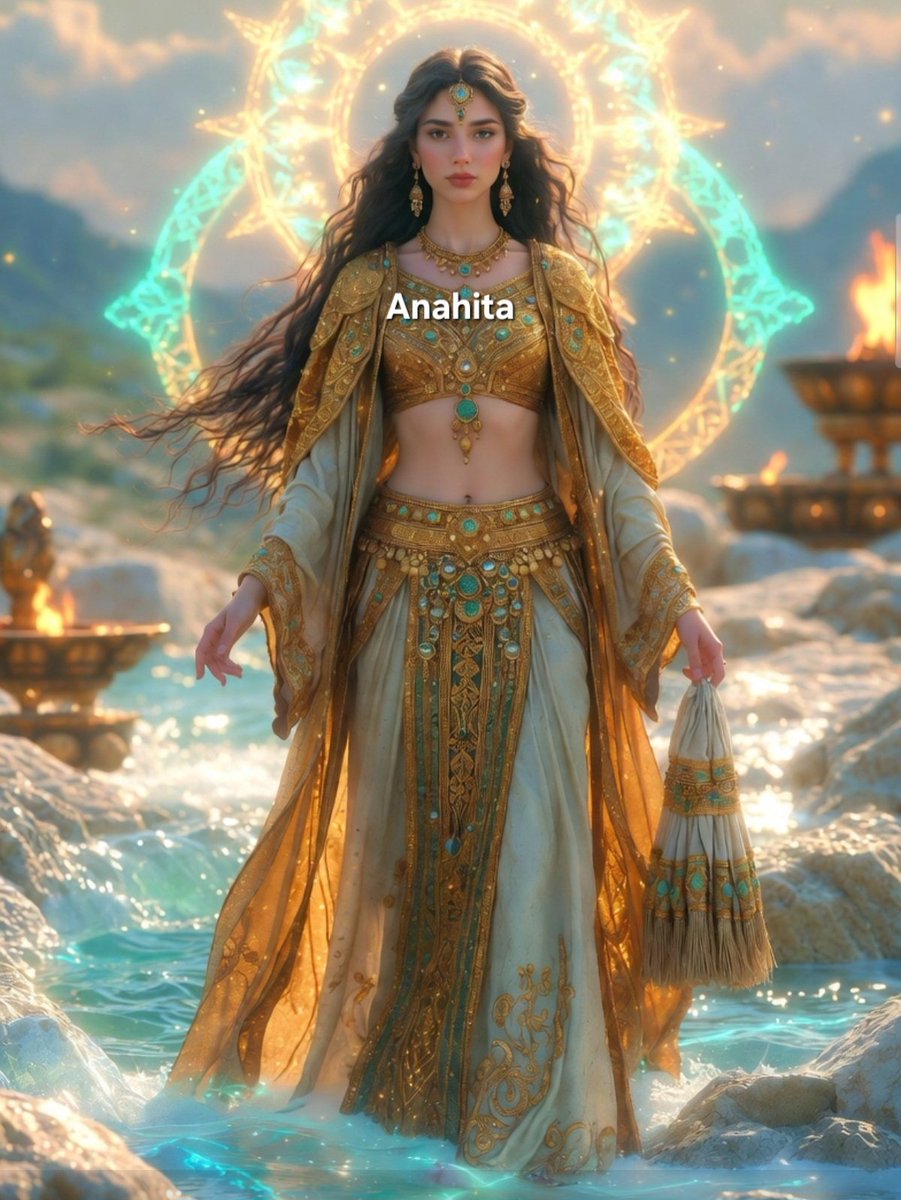
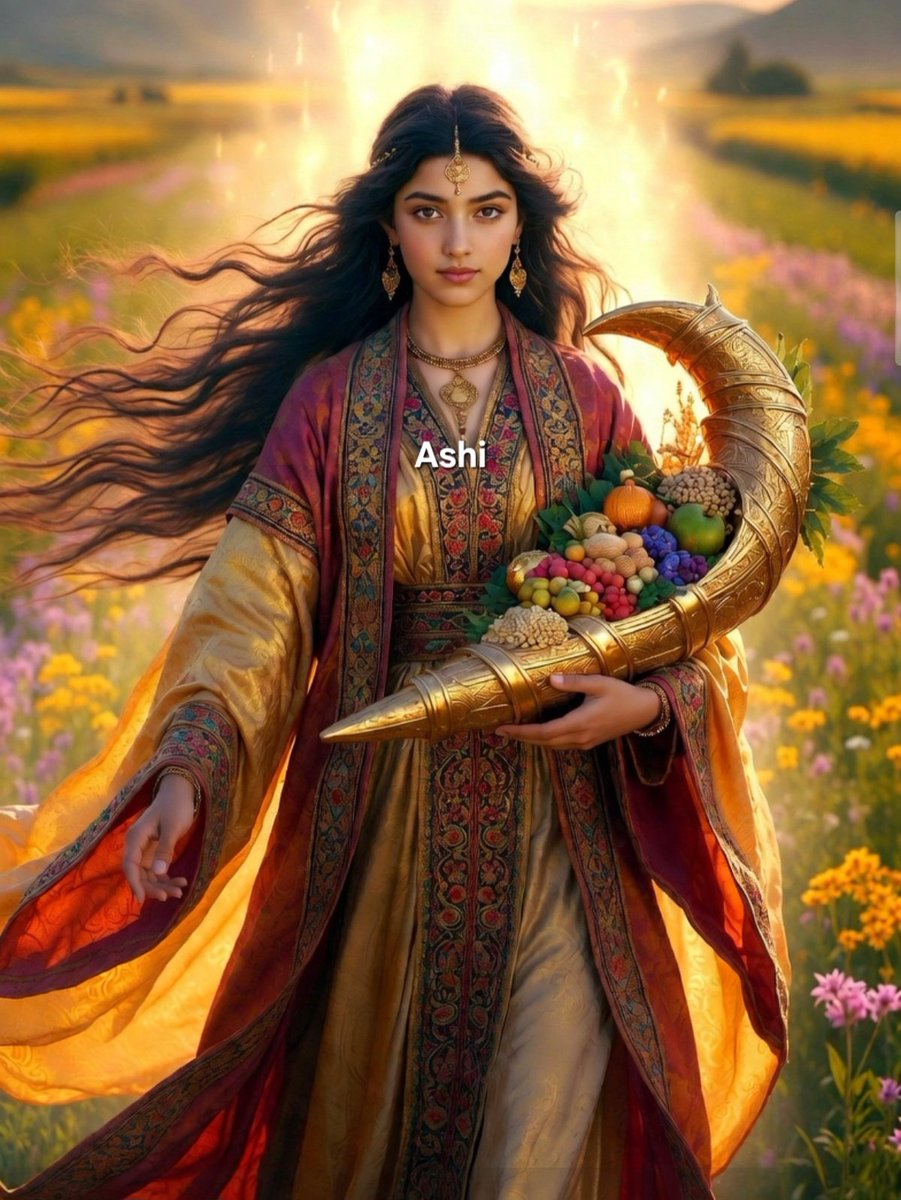
**Anahita** (Avestan: *Aredvi Sura Anahita*; also known as Ardwisur Anahid) is the principal female deity, or *yazata* (“one worthy of worship”), in Zoroastrianism. She is the divinity of the waters (*ābān*), revered as the source of fertility, healing, purity, and wisdom. In the Avesta (particularly Yasht 5, the *Ābān Yasht*), she is described as a beautiful, strong, and tall maiden who travels in a chariot drawn by four horses—Wind, Rain, Cloud, and Sleet. She is often depicted wearing a golden mantle and holding the *baresma* (a bundle of sacred twigs used in rituals. **Spenta Armaiti** (Avestan: *Spəṇtā Ārmaiti*) is one of the six Amesha Spentas, the “Bountiful Immortals,” in Zoroastrian theology. She personifies **holy devotion**, piety, peace, and the fertile, nurturing aspect of the earth. Often regarded as female, she represents harmony between humanity and the natural world, wise counsel, and the quiet strength of steadfast faith. **Ashi** (also known as Ashi Vanghuhi) is the Zoroastrian *yazata* who personifies reward, fortune, prosperity, and the recompense granted for living in accordance with truth and righteousness. She embodies the principle that good thoughts, words, and deeds naturally yield abundance and blessing in both material and spiritual realms. **Daena** (Avestan *Daēnā*) is the Zoroastrian *yazata* who personifies religion, conscience, and inner vision. In eschatological texts, she appears to the righteous soul after death as a beautiful maiden who guides it across the Chinvat Bridge, embodying the individual’s own spiritual path and the consequences of their deeds. I think that the female spirits in Zoroastrianism must embody beauty in spirit and personality.
Maverick Simpachi tweet mediaMaverick Simpachi tweet mediaMaverick Simpachi tweet mediaMaverick Simpachi tweet media
English
0
0
0
9
Maverick Simpachi
Maverick Simpachi@MSimpachi65281·
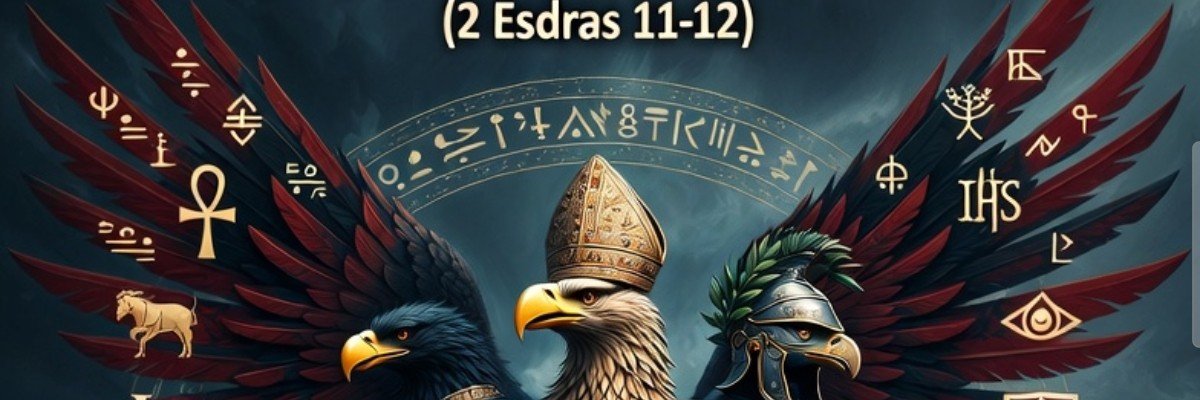
Zoroastrianism via 12 Etruscan Kingdoms rising as Rome, with legs of iron and feet and toes of iron mixed with miry clay. Dan 7:7-27 [LAM] After these things I saw in the night visions, and behold, a fourth beast, dreadful and mighty and exceedingly strong, and it had great iron teeth; it devoured and broke in pieces, and stamped the residue with its feet; and it was different from all the beasts that were before it, and it had ten horns. And I considered the horns, and behold, there came up among them another little horn before which three of the first horns were plucked up from before it; and behold, in this horn were eyes like the eyes of man, and a mouth speaking great things. Then I beheld, and lo, thrones were placed, and the Ancient of days did sit; his garment was white as snow and the hair of his head like the pure wool; his throne was like a fiery flame, and its wheels were like burning fire. A stream of fire issued and came forth from before him; a thousand thousands ministered to him, and ten thousand times ten thousand stood before him; the judge was seated and the books were opened. I beheld, and lo, the beast was slain and its body destroyed and given to the burning flame. As for the rest of the beasts, they had their dominion taken away, yet their lives were prolonged for a season and a time. I saw in the night visions, and behold, one like the Son of man came upon the clouds of heaven, and came to the Ancient of days, and they brought him before him. And there was given him dominion and glory and a kingdom, that all the peoples, nations, and languages should serve him; his dominion is an everlasting dominion, which shall not pass away, and his kingdom is one that shall not be destroyed. As for me, Daniel, my spirit was grieved in my bed and the visions of my head troubled me. I came near to one of those who ministered and asked of him the truth concerning all these things. And he told me the truth and made me know the interpretation of these things. Then he said to me, These four great beasts which you saw are four kings which shall arise out of the earth. But the saints of the Most High shall receive the kingdom and possess it for ever and ever. Then I wanted to know the truth concerning the fourth beast, which was different from all the others, exceedingly dreadful, whose teeth were of iron and whose nails of brass, which devoured and broke in pieces and stamped the residue with its feet; And concerning the ten horns that were on its head, and the other horn which came up between them, and before which three fell, the horn that had eyes and a mouth that spoke very great things, whose appearance was greater than its fellows. I beheld, and the same horn made war with the saints and prevailed against them, Until the Ancient of days came and gave judgment to the saints of the Most High; and the time came when the saints possessed the kingdom. Thus he said to me: The fourth beast shall be the fourth kingdom upon the earth, which shall be greater than all the kingdoms and shall devour the whole earth, and shall tread it down and break it in pieces. And as for the ten horns out of this kingdom, they are ten kings that shall arise and another king shall arise after them; and he shall be greater than the first, and he shall defeat three kings. And he shall speak words against the Most High, and shall plot against the saints of the Most High, and think to change times and laws; and they shall be given into his hand for a time, times, and half a time. But when the judge is seated in judgment, they shall take away his dominion, to consume and to destroy it to the end of his kingdom. And the dominions and the greatness of the kingdom under the whole heaven shall be given to the holy people of the Most High, whose kingdom is an everlasting kingdom, and all dominions shall serve and obey him
English
0
0
0
12
Maverick Simpachi
Maverick Simpachi@MSimpachi65281·
Enoch 41:2 There, too, my eyes beheld the secrets of the lightning and the thunder; and the secrets of the winds, how they are distributed as they blow over the earth: the secrets of the winds, of the dew, and of the clouds There I perceived the place from which they issued forth, and became saturated with the dust of the earth. This generated visualization portrays the HAARP facility as a weather manipulator, with its iconic antenna array actively directing energy into the atmosphere to influence storm systems. The depiction is artistic and conceptual, drawn from common speculative interpretations rather than the facility’s documented scientific purpose. Heb 2 [LAM] Therefore we should give earnest heed to the things which we have heard, lest at any time they be lost. For if the word spoken by angels has been affirmed, and every one who has heard it and transgressed it has received a just reward, How shall we escape, if we neglect the very things which are our salvation and which were first spoken by our Lord and were proved to us by those who had heard him, And to which God testified with signs and wonders and with various miracles, and with the gift of the Holy Spirit given according to his will? For he has not put into subjection to the angels the world to come, whereof we speak. But as the scripture testifies, saying, What is man that thou art mindful of him? and the son of man, that thou visitest him? For thou hast made him a little lower than the angels; and hast crowned him with glory and honor, and hast set him ruler over the works of thy hands; Thou hast put all things in subjection under his feet. By putting all things under his control, he left nothing that he did not put under subjection to him. But now we do not see yet that all things are in subjection to him. We see that he is Jesus, who humbled himself to become a little lower than the angels through his suffering and his death, but now he is crowned with glory and honor; for he tasted death for the sake of every one but God. And it was meet and proper for him, in whose hand is everything and for whom are all things, to bring many sons to glory, so that from the very beginning of their salvation they are made perfect through sufferings. For both he who sanctifies and those who are sanctified are all of one origin; for this reason he is not ashamed to call them brethren, Saying, I will declare thy name to my brethren; in the midst of the congregation will I praise thee. And again, I will put my trust in him. And again, Behold me and the children which God has given me. Forasmuch then as the children are partakers of flesh and blood, he also likewise partook of the same; and by his death he has destroyed him who had the power of death, that is, the devil. And has released them who through fear of death all their lives were subject to slavery. For he did not take on him the likeness of angels; but he did take on him the offspring of Abraham. Therefore, it was meet and proper that in every thing he should resemble his brethren, that he might be a merciful and faithful high priest in the things of God, to make reconciliation for the sins of the people. For since he himself has suffered, being tempted, he is able to help others who are tempted.
Maverick Simpachi tweet media
English
0
0
0
9
Maverick Simpachi
Maverick Simpachi@MSimpachi65281·
Zoroastrian Eschatology: **On the individual level** What do you imagine happens to a person after death in this tradition? How might the ideas of judgment, a bridge, or an accounting for one’s choices shape the way someone lives right now? **On the cosmic level** Zoroastrian thought sees history as moving toward a decisive climax. What role might the ongoing struggle between truth/order and falsehood/chaos play in that final chapter? How could the ethical path of good thoughts, words, and deeds connect to the larger story of the universe? **On the final renewal** The tradition speaks of a great “making fresh” or renovation of the world (often called Frashokereti). What do you think this might involve — resurrection of the dead, purification, the defeat of destructive forces, or the restoration of perfect order? How might fire function in that vision, not merely as destruction but as transformation? **On hope and agency** In this framework, how does the promise of ultimate victory for good affect the way followers understand their responsibility in the present? Is the end seen as something humans help bring about through their choices, or as something that arrives regardless? I’m curious which of these threads feels most important or mysterious to you right now. The Chivnat Bridge. **The image itself** What does the very idea of a *bridge* suggest to you about the passage from earthly life into what follows? Why might a bridge — rather than a gate, a door, or a sudden transformation — be a powerful symbol for this transition? **Judgment and consequence** In this tradition, the bridge is closely tied to how a person has lived. How might the bridge responding differently to each soul (becoming wide and welcoming for some, yet narrow or perilous for others) illustrate the relationship between one’s choices and their ultimate state? What does this suggest about the weight of thoughts, words, and deeds? **Encounter with the self** Some descriptions speak of the soul meeting a figure who reflects its own inner life — appearing beautiful and radiant to the righteous, or terrifying to those who have lived in opposition to truth and order. How could this encounter deepen the understanding of personal responsibility and self-knowledge at the moment of crossing? **Connection to the larger story** How might the experience at the Chinvat Bridge relate to the broader vision of cosmic renewal we touched on earlier? Is this crossing primarily an individual judgment, or does it also point toward the eventual restoration of all things? I’m interested in what stands out most to you right now. Would you like to explore: - The symbolic meaning of the bridge and its changing nature? - How judgment is understood through one’s deeds and inner state? - The relationship between this individual crossing and the final Frashokereti? - Or comparisons with bridges, judgments, or afterlife passages in other traditions? Daena **The nature of the Daena** What do you sense the Daena actually *is*? Is it best understood as a person’s conscience, their accumulated moral character, their inner spiritual self, or something else? Why might it appear in human form at the critical moment of crossing? **Its function at the Bridge** At the Chinvat Bridge, the soul encounters its own Daena. How might this meeting serve as both a revelation and a form of judgment? What does it suggest that the Daena takes on a beautiful and welcoming appearance for some souls, yet a frightening or repulsive one for others? **Connection to lived life** How could the Daena be understood as the living embodiment of a person’s thoughts, words, and deeds? In what ways might this concept make the consequences of daily ethical choices visible and inescapable at the moment of death? Etc...
Maverick Simpachi tweet media
English
0
0
0
8
Maverick Simpachi
Maverick Simpachi@MSimpachi65281·
There needs to be a safe and controlled space for community parents who homeschool their children. As much as there are classes for physical education. As far as the Hawaiian Community is concerned, it might be just as good in the near future to physically educate your children yourself and socialize them as if you live in a foreign country.
English
0
0
0
4
🇺🇸 🫡 Duty Is Ours! 🫡 🇺🇸
Hawaii’s “Preschool Open Doors” sounds nice, but it’s another band-aid on a cost-of-living crisis the state helped create. 🩹 Families need lower taxes & cheaper housing, not lifelong dependency on subsidies to indoctrinate their keiki. 👨‍👩‍👧‍👦🚪🌺
KHON2 News@KHONnews

Applications for the Preschool Open Doors program start on Friday, May 29, for the upcoming school year. Learn more: khon2.com/local-news/pre…

English
5
10
30
376
Maverick Simpachi
Maverick Simpachi@MSimpachi65281·
The official history of Zoroastrianism. But both Christianity and Judaism would not look the same today. Does this matter when it comes to Divine Love, Creation itself. John 1:1-14 The Word was in the beginning, and that very Word was with God, and God was that Word. The same was in the beginning with God. Everything came to be by his hand; and without him not even one thing that was created came to be. The life was in him, and the life is the light of men. And the same light shines in darkness, and the darkness does not overcome it. There was a man, sent from God, whose name was John. He came as a witness to testify concerning the light, so that every man might believe by means of him. He was not the light, but a witness to testify concerning the light.  He was the true light which lighted every man who came into the world. He was in the world and the world was under his hand, and yet the world knew him not.  He came to his own, and his own did not receive him. But those who received him, to them he gave power to become sons of God, especially to those who believed in his name, Those who are not of blood nor of the will of the flesh nor of the will of man, but born of God. And the Word became flesh and dwelt among us, and we saw his glory, a glory like that of the first-born of the Father, full of grace and truth. Hell is the absence of Divine Love. This is not the Agape, in Greek. To be sure, although the books were writen in Greek, Prometheus did not make man and Zeus did not create the first woman named Pandora. This is the Greek mind, Hellenism. youtu.be/yFRNvbpqILQ?si…
YouTube video
YouTube
English
0
0
0
7
Maverick Simpachi
Maverick Simpachi@MSimpachi65281·
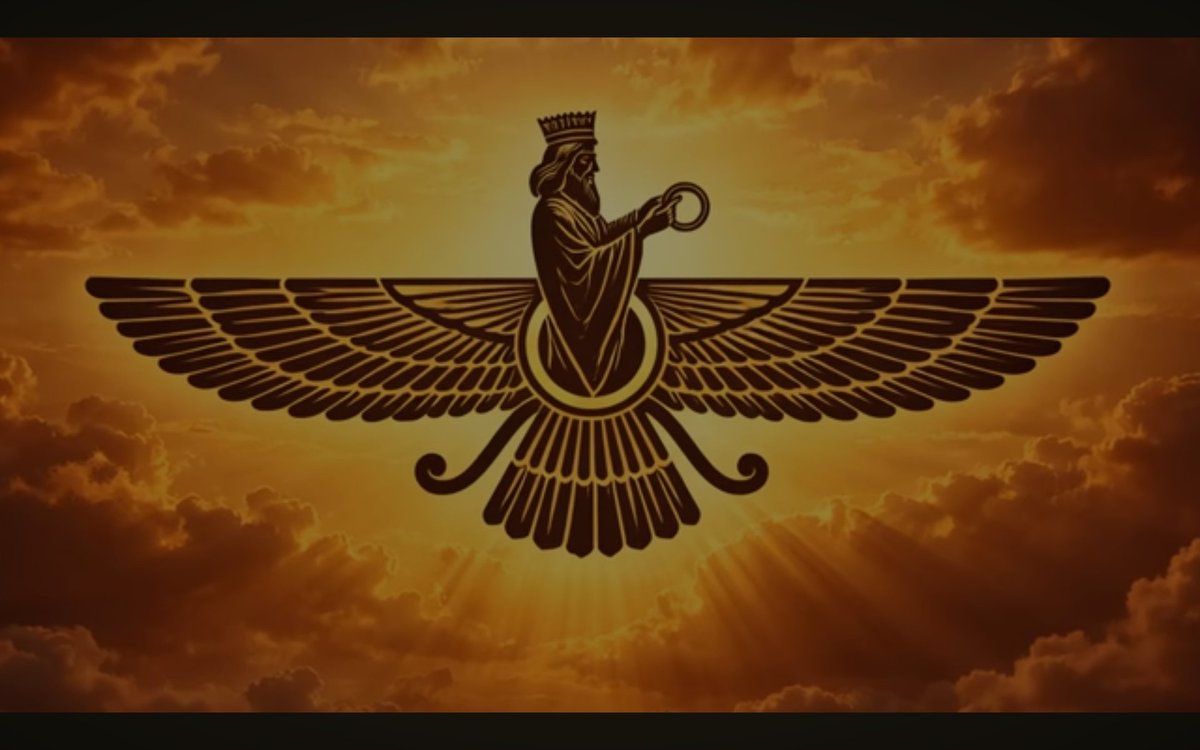
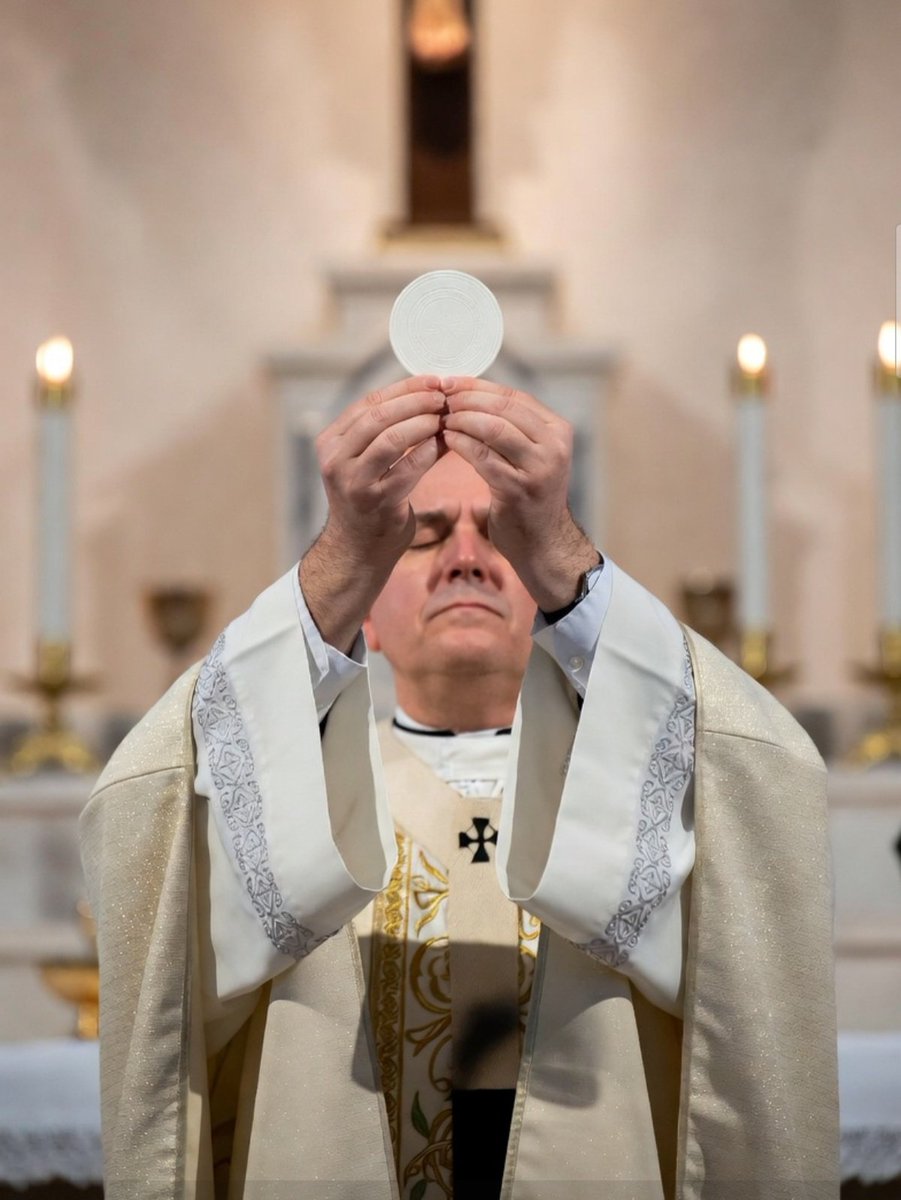
The Eucharist is an actual priestly worship of the Winged Disk, not the Sun disk of Egypt which had been previously defined as. But add the words, "body of Christ", and we've been blinded by Zoroastrianism before we were made Captives.
Maverick Simpachi tweet mediaMaverick Simpachi tweet mediaMaverick Simpachi tweet media
English
0
0
0
16
Maverick Simpachi
Maverick Simpachi@MSimpachi65281·
@iluminatibot Lucifer, Satan was there in the Promised Land since Canaan shortened his journey to his agreed inheritance. Africa, or Hot Climate not Warm Climate like the Middle East, and definitely not Cold Climate.
English
0
0
0
37
Maverick Simpachi
Maverick Simpachi@MSimpachi65281·
Lucifer was the king of Tyre, the first angel, perfect in wisdom about the Creator, and perfect in beauty as a being of music. Tyre was a city of Canaan which today is modern Lebanon, and black as a Canaanite can be. Not really race baiting here, just pointing out an obvious misconception. You never truly know until all the pages from the books are down. Q: Why would the sword fashioned to slay and given to the mercenaries to plunder the kingdoms, be given to Lucifer? This sword was given to Babylon, then to Media/Persia, to Grecia, and then to the Etruscan Dodecapolis, Rome. I mean Lucifer could be as black as Rah, Egyptian god of the dead.
Maverick Simpachi tweet media
English
4
0
1
764
Maverick Simpachi
Maverick Simpachi@MSimpachi65281·
@InsiderWire So this guy's a Canaanite? You know, Lucifer might be black too. Not so much as an angel of light, but one that absorbs the whole spectrum of visible light.
English
0
0
0
39
Insider Wire
Insider Wire@InsiderWire·
#BREAKING: The White House shooter has been identified as 21-year-old Nasire Best.
Insider Wire tweet media
English
644
376
3.3K
4.7M
Maverick Simpachi
Maverick Simpachi@MSimpachi65281·
Key Details on Mao's Sexual Behavior and Related Habits The memoir describes Mao's voracious sexual appetite, especially in later years, framed through imperial/Daoist traditions for longevity and vitality. Key points include:Dance parties and recruitment: Mao hosted regular ballroom dances (despite banning them for the public as "decadent"). Young women—often from "sterling proletarian" backgrounds, nurses, dancers, or attendants—were recruited by party/army departments. They danced with Mao (who moved in a slow, ponderous style), flirted, and many were invited to his bed afterward. Some introduced sisters. Rooms were kept ready for encounters, including in the Great Hall of the People. Daoist sexual practices: From around age 67, Mao followed ancient Daoist texts (e.g., The Plain Girl's Secret Way) aimed at absorbing "vital essence" (jing) from young partners without ejaculating, to boost his own chi and longevity. Partners (emphasized as young) adopted specific positions; multiple women sometimes shared his bed. He reportedly boasted about his prowess. Hygiene and venereal disease: Mao rarely bathed, preferring hot-towel rubdowns (sometimes involving fondling guards). He didn't brush his teeth (describing them as green and pus-covered). Li treated him for venereal infections (e.g., trichomoniasis), which Mao knowingly spread. When urged to stop or wash, Mao allegedly replied variations of: "I wash myself inside the bodies of my women." He continued despite advice, viewing it as non-harmful to himself. Attitudes and context: Many young women from peasant backgrounds saw it as an honor ("intoxicating"). Li portrays Mao as treating partners transactionally, with little emotional attachment. Mao lived apart from wife Jiang Qing for much of their marriage and had poor personal hygiene overall (e.g., lounging naked or in robes, piles of books on his oversized bed). These details tie into broader themes of Mao's emperor-like privileges: special villas, food flown in, while enforcing austerity and family separations on the public. Broader Content and Context in the MemoirPolitical and medical insights: Li details Mao's role in the Great Leap Forward (famines, backyard furnaces as staged spectacles), Cultural Revolution intrigues, paranoia, insomnia, barbiturate use, and indifference to deaths (including family). He compares Mao to ruthless historical emperors. Personal portrayal: Mao as coarse, manipulative, craving acclaim yet "devoid of human feeling" in Li's view—ruthless yet charismatic to some. Daily life: Mao's routines (bed/pool time, reading classics), interactions with aides like Zhou Enlai (often sycophantic in Li's telling), and Li's own frustrations navigating court politics.
Jack Posobiec@JackPosobiec

Chairman Mao had a similar taste in young girls

English
0
0
0
13
All day Astronomy
All day Astronomy@forallcurious·
🚨: Japanese scientists made history by becoming the first nation to successfully generate electricity in space and beam it wirelessly back to Earth
All day Astronomy tweet media
English
288
440
2.3K
311.7K