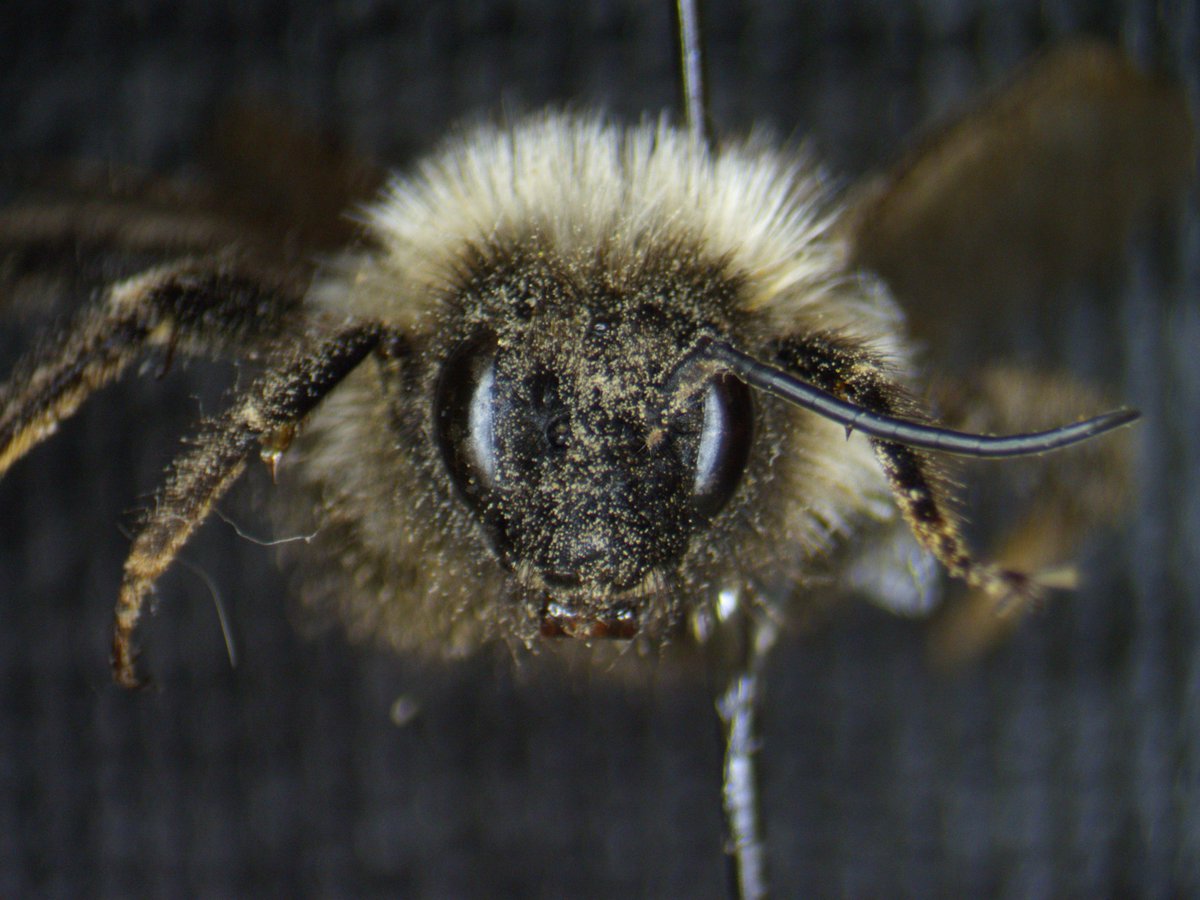
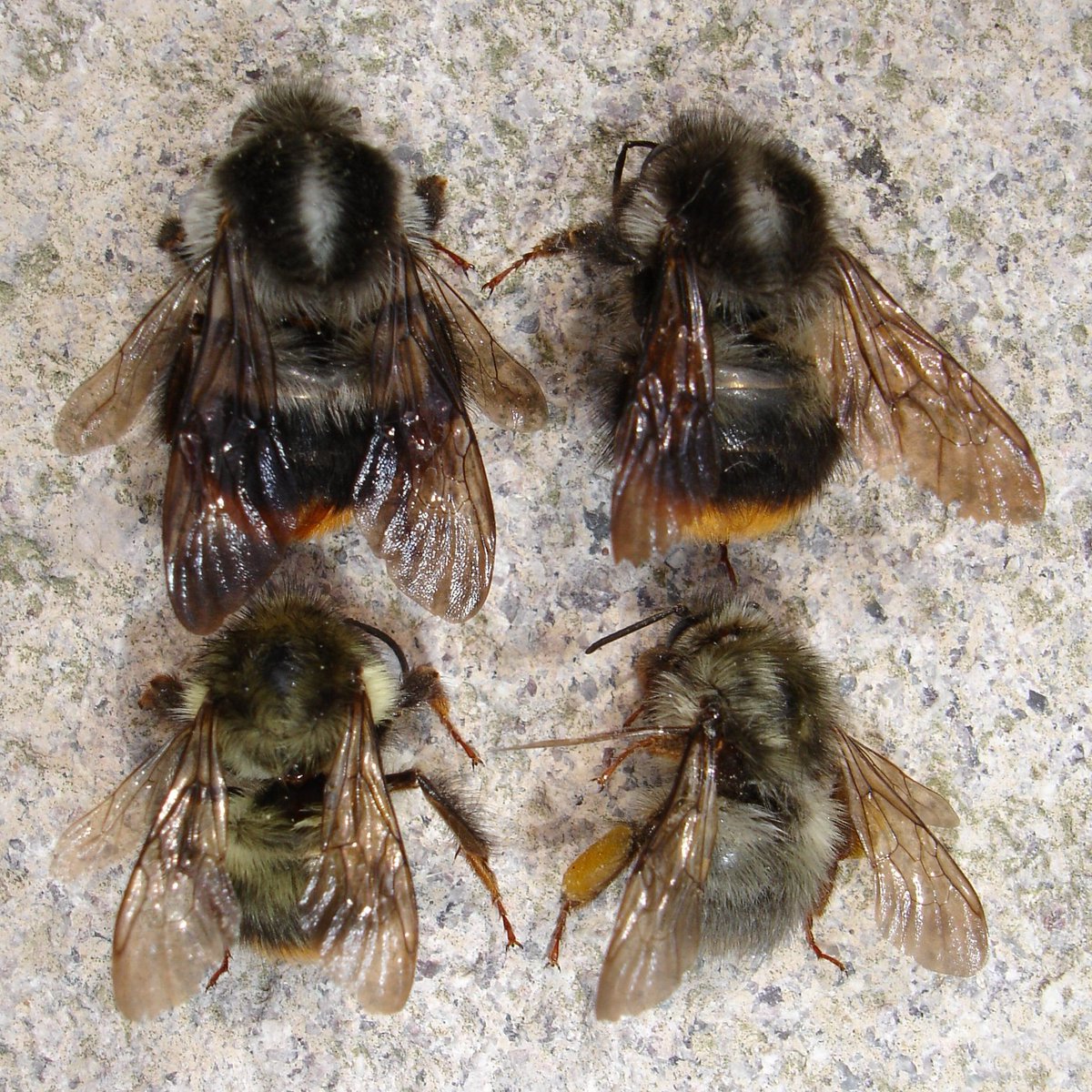
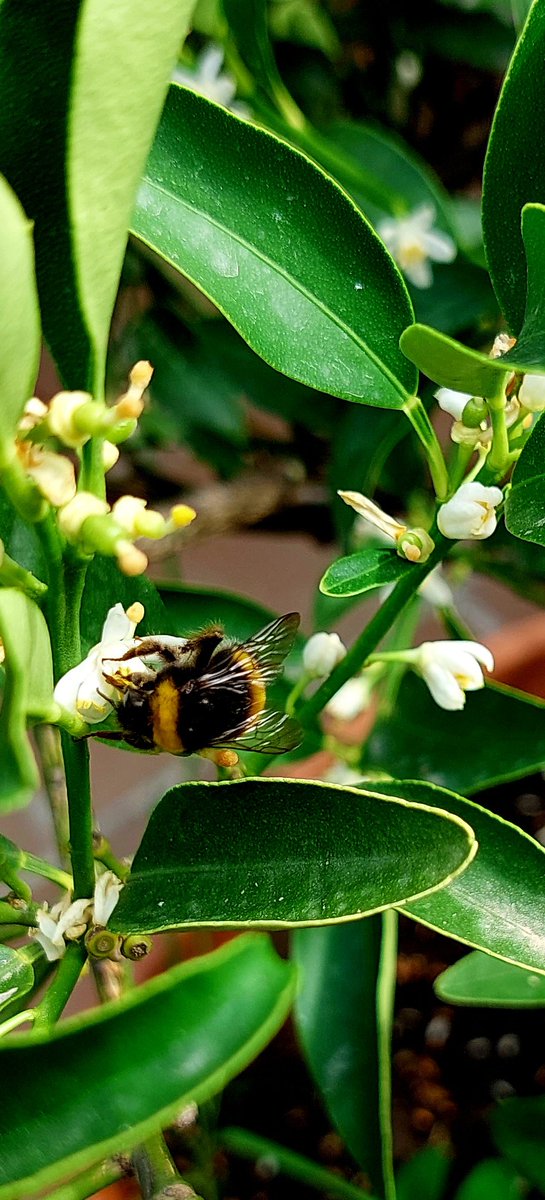
@MStreinzer@PaulWilliamsNHM Funnily enough, I've actually entertained using mastrucatus as my original handle, but decided against it after looking up what it means! Would I have even earned a follow by Paul in that timeline, considering this name was widely used as a 😱subspecies😱 back then?
B. mastrucatus returns to the European bumblebee list as a separate species from the west Asian B. wurflenii after 54 years in synonymy - supported by barcode coalescents and morphology
researchgate.net/publication/37…
@PaulWilliamsNHM@wurflenii Right, but still some work since I usually add an accession number label (in addition to the number being printed on the other labels too) upside down as the lower-most label in my collection ….
@MStreinzer@wurflenii Ideally ID det labels would have a date on them - so all that is needed (if you're being really thorough) is to add a new ID label to the bottom of the pin dated 2023 - this allows people to track a specimen's history of interpretation through the sequence of labels on the pin
Wissenschaftspolitischer Unfug von Türkisgrün:
Heute ging meine letzte Legrveranstaltung an der Uni Wien zu Ende. Künftig kann ich in diesem Haus, das mir den Univie-Teaching Award für herausragende Lehre verlieh und mich als ihren Vertreter für (1/5)
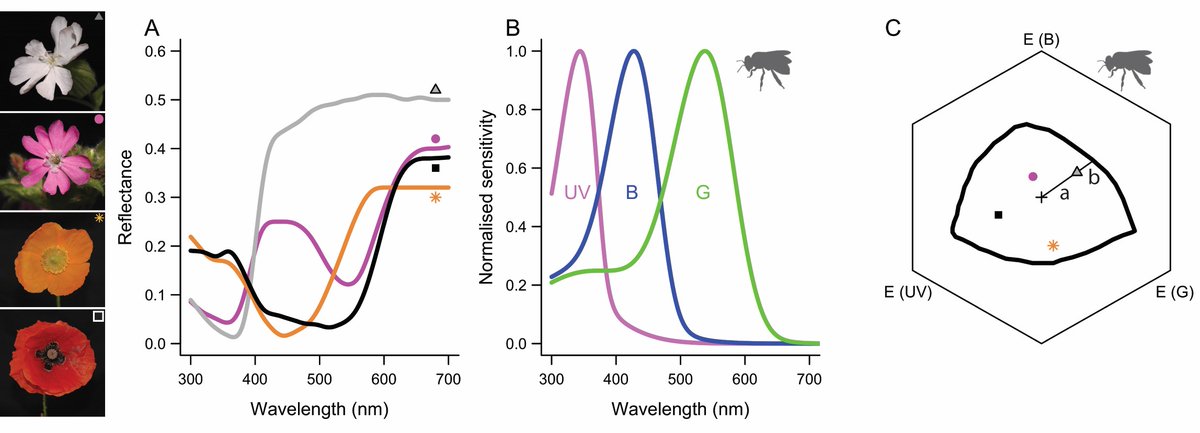
Caution with colour calculations: spectral purity is a poor descriptor of flower colour visibility by Casper van der Kooi et al. doi.org/10.1093/aob/mc… (5/8)
We had a fantastic day in the field studying #thermal biology of #bees in the paramo! 🏔️ Both #Bombus rubicundus and B. funebris are key pollinators of keystone paramo plants #Espeletia. Even bee males do a lot of pollination! @lopezuribelab@beaslab#NSF
Currently revising the steppe bumblebees of the subgenus Sibiricobombus world-wide - here, Fabricius' 1781 type of Apis sibirica, collected by Peter Pallas in Siberia, and now in the Banks collection at the NHMUK
How a book written in 1910 could teach you calculus better than several books of today
[Calculus Made Easy, by Silvanus P. Thompson, 1910 - full text pdf: bit.ly/2pThkf1 or with the table of contents: calculusmadeeasy.org]
@cgwilson25@PaulWilliamsNHM You can easily soften it again to pull out the genitalia. Put it in a moist chamber (you can add a few drops of ethyl acetate to prevent mould) for a few days, pull out the genitalia and dry it again. Any reasons to assume this is not citrinus?
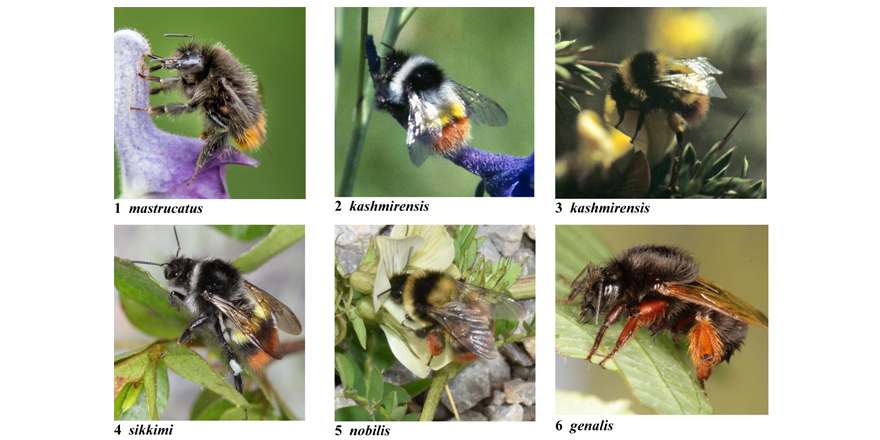
Christmas quizz - NAME THAT BUMBLEBEE!
- hint: thanks to (11) co-authors of a new revision of Alpigenobombus now submitted
cc @JeffOllerton@StevenFalk1
The hypnorum-complex of bumblebees has been
interpreted as a single widespread Old-World species, B. hypnorum, and its New World sister species, B. perplexus, but is shown here to be 7 near-cryptic species - 2 of them newly described researchgate.net/publication/36…