

Marek Szewczyk 🇵🇱
71.3K posts
Marek Szewczyk 🇵🇱
@MSzew64
Wolność osobista. Własność prywatna. Niskie podatki. Ograniczona biurokracja. Prawo do broni.
Katılım Kasım 2017
794 Takip Edilen576 Takipçiler
Marek Szewczyk 🇵🇱 retweetledi

PRAWY SIERPOWY NAWROCKIEGO:
"Kieruję do Tuska list z żądaniem NATYCHMIASTOWEGO zaskarżenia umowy UE z Mercosur do TSUE.
Rząd to obiecywał - NIE ZROBIŁ TEGO!
Wieś nie może czekać.
Do listu dołączam GOTOWY projekt takiej skargi.
Wszystko jest gotowe.
Wystarczy tylko DZIAŁAĆ"
Polski
Marek Szewczyk 🇵🇱 retweetledi

Proszę o pomoc.
Po ujawnieniu przeze mnie zwolnienia 11 naukowców z @Lukasiewicz_pl PORT przez dyr. Jarosława Bosego i prośbie do @donaldtusk o reakcję, nastąpiła reakcja. Otrzymałem wezwanie do złożenia w ciągu 7 dni pisemnych wyjaśnień, pod groźbą podjęcia wobec mnie dalszych działań:
1. Co robiłem jako dyrektor PORT 4 lipca 2021 roku?
2. Co robiłem jako dyrektor PORT 19 lipca 2022 roku?
Podobno moje służbowe auto (skoda Superb) było wówczas tankowane, po około 470 złotych.
Czy ktoś z Państwa mnie wówczas widział, zwrócił uwagę na moje nietypowe zachowanie lub inne charakterystyczne okoliczności?
Jestem ciemnym blondynem, oczy niebieskie, wzrost 174cm, krępa budowa ciała, wiek 48 lat (wówczas). Znaków szczególnych brak. No może jeden - dużo żartuję, również z przygodnymi ludźmi.
Będę niezmiernie zobowiązany za pomoc lub powiadomienie najbliższej jednostki Policji.
Andrzej Dybczyński
PS. Wezwanie poniżej. Zatarłem nazwisko radcy prawnego, ponieważ ci biedni ludzie jedynie wykonują rozkazy. ☹️🤷♂️
@MarcinKulasek
@MNiSW_GOV__PL


Polski
Marek Szewczyk 🇵🇱 retweetledi
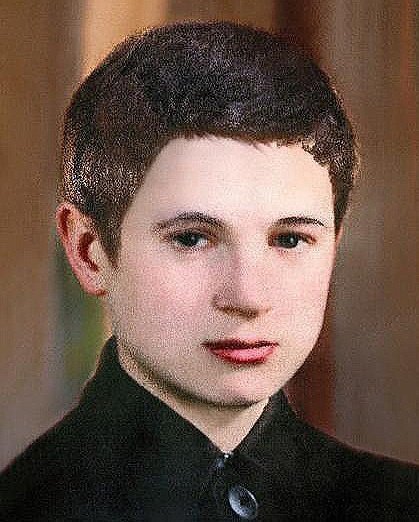
Ten 18-letni chłopak bez jednego
wystrzału samodzielnie
uwolnił z katowni UB 6 żołnierzy AK,
odbierając strażnikom broń
i zamykając ich w celi.
Za odwagę zapłacił najwyższą cenę,
skatowany i zabity przez czerwoną
hołotę.
Poznajcie prawdziwego 🇵🇱 herosa,
Mariana Piekarskiego.
Harcerz.
Już od 15 roku życia walczył w AK.
Więziony przez Niemców.
Służył w AKO i WiN.
Pomagał w rozpoznaniu i likwidacji
agentów komuny.
Aresztowany, okrutnie bity przez
ubeckiego zbira, Igora Burdzieja,
torturowany do krwi.
Nikogo nie wydał, lecz całą
odpowiedzialność brał na siebie.
Uratował życie jednemu z żołnierzy
WiN, biorąc na siebie jego
akt oskarżenia.
Skazany na śmierć przez
czerwonego zbira, Włodzimierza
Ostapowicza.
Zamordowany strzałem w tył głowy
przez czerwone bestie.
Niezłomny bohater.
Symbol determinacji i odwagi.
Miał zaledwie 19 lat
w chwili śmierci.
Do dziś nie odnaleziono jego ciała.
7 IV 1946 został
ARESZTOWANY PRZEZ
KOMUNISTYCZNYCH
ZBRODNIARZY
MARIAN PIEKARSKI "RYŚ".
Wieczna cześć Mu i chwała!
Polski
Marek Szewczyk 🇵🇱 retweetledi

🔴 J.D. Vance u Orbana o ingerencji UE w wyboory na Węgrzech:
"Biurokraci w Brukseli próbowali:
➡️ zniszczyć gospodarkę Węgier,
➡️ uczynić Węgry mniej niezależnymi energetycznie,
➡️ podnieść koszty dla Węgierskich konsumentów,
ponieważ NIENAWIDZĄ tego człowieka!
To jeden z najgorsszych przykładów zagranicznej ingerencji w wybory, jaki kiedykolwiek widziałem!"
Polski
Marek Szewczyk 🇵🇱 retweetledi

@Domanski_Andrz Panie ministrze, na miły Bóg. Czasem milczenie jest naprawdę złotem.
Polski
Marek Szewczyk 🇵🇱 retweetledi
Kto ma większe prawdopodobieństwo rozprzestrzeniania bakterii krztuśca, osoby zaszczepione czy niezaszczepione?
Polecam dowody naukowe cytowane w poniższym wpisie, m. in.:
"Ze względu na supresję powiązanych epitopów wszystkie dzieci, którym podano szczepionkę DTaP, będą bardziej podatne na krztusiec w ciągu swojego życia"
pubmed.ncbi.nlm.nih.gov/30793754/
Aaron Siri@AaronSiriSG
Who is more likely to spread the pertussis bacterium (aka, whooping cough)—those vaccinated or those unvaccinated? The reality (see FDA, industry, and pharma scientists sources below) is that it is the vaccinated. Why? Two reasons. First, those vaccinated are less likely to have symptoms if infected with the pertussis bacterium but the bacterium still multiplies in their nasopharynx and they then unknowingly spreading it to others (instead of showing symptoms and knowing to isolate). Not science fiction—the hard cold facts as detailed below. Second, and this makes the reality even worse, because after an unvaccinated person has been infected with pertussis (and is more likely to have symptoms and stay in bed) that person won’t get infected again for at least many years – but the vaccinated individual can become infected over, and over, and over again with the pertussis bacterium because of the defective immunity this vaccine generates. But don’t worry, legacy media, no doubt won’t let the facts stand in the way of their hyperbolic reporting. They will blindly, like religious adherents, seek to blame, persecute, and shame those who do not inject this product instead of facing the reality: those vaccinated are more likely to spread this pathogen. If you don’t agree with the foregoing, take it up with the FDA, industry scientists, infectious diseases societies, and the hard cold data and science: - As the FDA explained in 2024: “aP [acellular pertussis] containing vaccines induce helper T cells (TH2) memory and neutralizing antibody responses that effectively prevent symptomatic disease but fail to prevent colonization and carriage.” fda.gov/media/181937/d… - As those considered the world's leading pertussis vaccine experts, pharma consultants, and infectious disease societies explained in a consensus paper on pertussis vaccine in 2019: “Natural infection evokes both mucosal and systemic immune responses, while aPVs [acellular pertussis vaccines] induce only a systemic immune response. … Mucosal immunity is essential to prevent colonization and transmission of B. pertussis organisms. Consequently, preventive measures such as aPVs that do not induce a valid mucosal response can prevent disease but cannot avoid infection and transmission. … aPV pertussis vaccines do not prevent colonization. Consequently, they do not reduce the circulation of B. pertussis and do not exert any herd immunity effect.” pubmed.ncbi.nlm.nih.gov/31333640/ They also explained that: “Lack of mucosal immune responses after aPV administration favor infection, persistent colonization, and transmission of the pathogen.” - pubmed.ncbi.nlm.nih.gov/29180031/ (“That vaccination does not prevent B. pertussis infection in humans, nor the circulation of the organism in human populations in any important manner, comes from the observation that the inter-epidemic intervals have not changed in a major way since the implementation of mass vaccination.”); pubmed.ncbi.nlm.nih.gov/30793754/ (“Because of linked-epitope suppression, all children who were primed by DTaP vaccines will be more susceptible to pertussis throughout their lifetimes, and there is no easy way to decrease this increased lifetime susceptibility.”). For a detailed discussion with many more citations and irrefutable evidence, see Chapter 9 of Vaccines, Amen.
Polski
Marek Szewczyk 🇵🇱 retweetledi
Pod osłoną nocy, w pełnej tajemnicy, podróżując dwoma składami ciężarowymi przez blisko 500 kilometrów (❗️) w dniu, gdy niewielu by się tego spodziewało (w nocy z minionego piątku - na sobotę) - przetransportowaliśmy części składowe Centrum Informacyjnego MIEJSCA PAMIĘCI w Jedwabnem - na miejsce docelowe, do Jedwabnego!🔥
Obawiając się utrudniania planowanego transportu - sugerowaliśmy, że stanie się to dopiero po Świętach. Rzeczywiste plany były jednak inne - i zostały zrealizowane.✅
Dwa pawilony - tworzące jedną, dużą przestrzeń, są już na miejscu. 11 kwietnia, o godzinie 12.00 rozpocznie swą działalność Centrum Informacyjne - ostateczne uzupełnienie Miejsca Pamięci w Jedwabnem. Na wydarzenie to - serdecznie Państwa zapraszam.📢
Odebraliśmy to miejsce kłamcom - fałszującym historię o rzekomych polskich mordach.
Wszystko to dzięki Państwa wsparciu - i na przekór kłamcom, atakującym naszą jedwabieńską inicjatywę. Pozostawiam ku refleksji również i tym, którzy kłamcom, (na czele z prożydowskim propagandzistą - Szymonem Jadczakiem) wierzyli.
Tymczasem, już jutro - książka "(NIE) ROZMAWIAJMY O... ŻYDACH" trafia na półki księgarń w całej Polsce! Zachęcam do lektury - szczególnie w tak trudnym globalnie czasie (bezpośrednie zamówienia możliwe są również na sumlinski.com.pl):
Polski
Marek Szewczyk 🇵🇱 retweetledi

Ten wpis to jest kompromitacja wicepremiera @KosiniakKamysz. Parlament Europejski złożył wniosek o wydanie opinii ws. zgodności umowy Mercosur z traktatami. Skarga o stwierdzeniu nieważności Decyzji Rady z 9 stycznia to zupełnie inna ścieżka prawna! Pomimo zapowiedzi wniesienia skargi przez ministra @StefanKrajewski do dziś nie podjęto żadnych działań w tej sprawie, a pod koniec marca premier @donaldtusk wprost ogłosił, że rząd nie zamierza tego robić. Jeżeli sprawy polskiego rolnictwa są na poziomie wiedzy i świadomości ministra Kosiniaka-Kamysza, to trudno wieszczyć mu jakąkolwiek przyszłość.
Umowa z #Mercosur będzie tymczasowo obowiązywać od 1 maja 2026 roku przed jej wejściem w życie. Jeszcze jest czas na złożenie skargi do TSUE.
Władysław Kosiniak-Kamysz@KosiniakKamysz
Prezydent @NawrockiKn znowu spóźniony. Dzięki europosłom @nowePSL umowa z krajami Mercosur została już skierowana do TSUE, a ustawa chroniąca rolnicze funkcje produkcyjne wsi jest procedowana przez rząd. Skuteczność mierzy się w czynach, nie w liczbie słów i decybelach.
Polski
Marek Szewczyk 🇵🇱 retweetledi

Krewny senatora KO przyjęty na zabieg bez kolejki?
Ale po co o tym gadać? Pogadajmy o giełdzie kryptowalut. 🙃
Polski
Marek Szewczyk 🇵🇱 retweetledi
🔴 Prezydent Nawrocki ŻĄDA od Tuska natychmiastowego zaskarżenia umowy UE z państwami Mercosur‼️
"Rząd to obiecywał, do dziś tej obietnicy nie spełnił, wieś nie może dłużej czekać!
Wszystko jest gotowe, wystarczy działać!
Trzeba wykorzystać wszystkie drogi i możliwości by umowę z Mercosur zatrzymać!"
Polski
Marek Szewczyk 🇵🇱 retweetledi
Szanowny Panie ministrze, doprowadziliście Państwo do tego, że polscy przedsiębiorcy wolą zakładać swoje firmy i kryptowalutowe giełdy poza Polską. To jest prawdziwa patologia! I to Państwo odpowiadacie za obecny stan rzeczy. Nikt inny. A wystarczyło od 2024 r. stosować Rozporządzenie MICA bez własnych dopisków, pomysłów i intelektualnych rewelacji.
Polski
Marek Szewczyk 🇵🇱 retweetledi

Trump z Natanjachu spuszczą atomówkę na Iran?! "Dzisiaj w nocy zginie cała cywilizacja..."?! CO TUTAJ SIĘ WYRABIA?!🚨🇺🇸🇵🇱🚨 UDOSTĘPNIJ! NIECH NIESIE SIĘ DALEJ!
Polski


Marek Szewczyk 🇵🇱 retweetledi

Marek Szewczyk 🇵🇱 retweetledi

Marek Szewczyk 🇵🇱 retweetledi
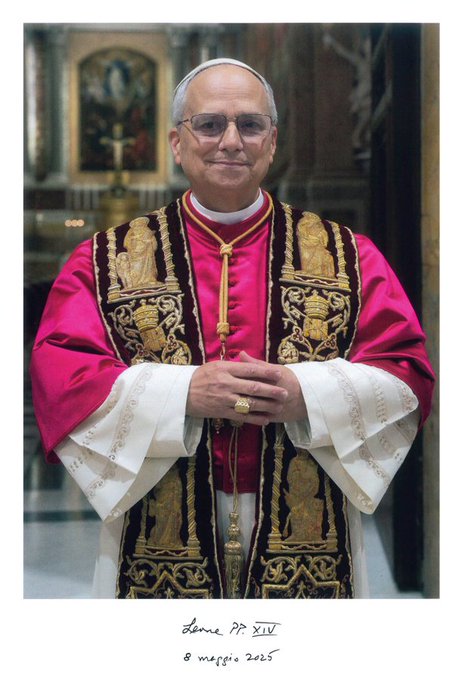
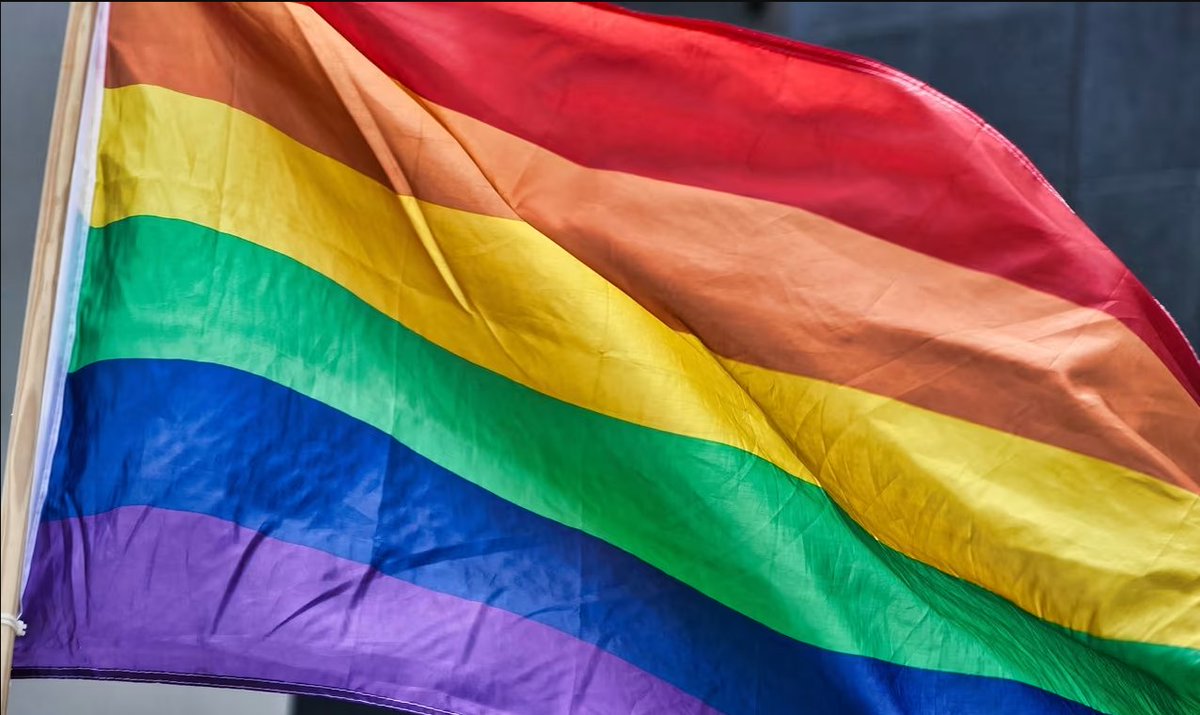
Papież Leon XIV stwierdził, że nie będzie żadnej zmiany w doktrynie Kościoła katolickiego dotyczącej homoseksualizmu i kwestii transpłciowości.
Polski
Marek Szewczyk 🇵🇱 retweetledi

Wreszcie❗ Ekoterroryści z Ostatniego Pokolenia skazani za niszczenie pomnika warszawskiej Syrenki❗
Sąd wymierzył im karę 6 miesięcy ograniczenia wolności, polegającego na nieodpłatnych pracach społecznych w wymiarze 30 godzin miesięcznie. Nakazał im też wypłatę nawiązek w kwocie 33 tys. zł oraz pokrycie kosztów sądowych. Wyrok jest jeszcze nieprawomocny, ale nie wyobrażam sobie innego ostatecznego rozstrzygnięcia, choć same kary powinny być znacznie surowsze.
Do niszczenia pomnika doszło w marcu 2024 roku i był to kolejny akt wandalizmu ze strony tych odklejeńców. Dlatego zaraz potem, wspólnie z mec. @MarekSzewczyk_, złożyliśmy zawiadomienie do prokuratury ws. Ostatniego Pokolenia odnośnie przestępstw terroryzmu oraz działania jako zorganizowana grupa przestępcza. Niszczenie budynków, pomników i dzieł sztuki, blokowanie dróg i uniemożliwianie przejazdu służbom ratunkowym, osobom będącym w trudnej sytuacji zdrowotnej, czy wiozącym dzieci do szkoły - trzeba raz na zawsze powiedzieć tej hucpie DOŚĆ! Ostatnie Pokolenie powinno zostać uznane za organizację terrorystyczną i zdelegalizowane.
Skończmy z pobłażliwym traktowaniem bandytów, którzy jawnie i celowe łamią prawo, dewastują mienie publiczne i wyrządzają krzywdę innym. Niech to faktycznie będzie ostatnie pokolenie ekoterrorystów. Jeśli się zgadzacie, podajcie dalej!

Polski
Marek Szewczyk 🇵🇱 retweetledi

Obrońcy życia ścigani, postępowania wobec Gizeli J. umorzone!
@MartaAnnaCzech na kanale @NCZAS1 👇
Polski