Maduka Sanjeewa

1.1K posts

Maduka Sanjeewa banner
Maduka Sanjeewa

Maduka Sanjeewa

@Maduka4100

Senior Medical officer

Mackay, Queensland Katılım Ekim 2010
1.1K Takip Edilen80 Takipçiler
Maduka Sanjeewa retweetledi

sikandar adwani
sikandar adwani@SikandarAdwani·
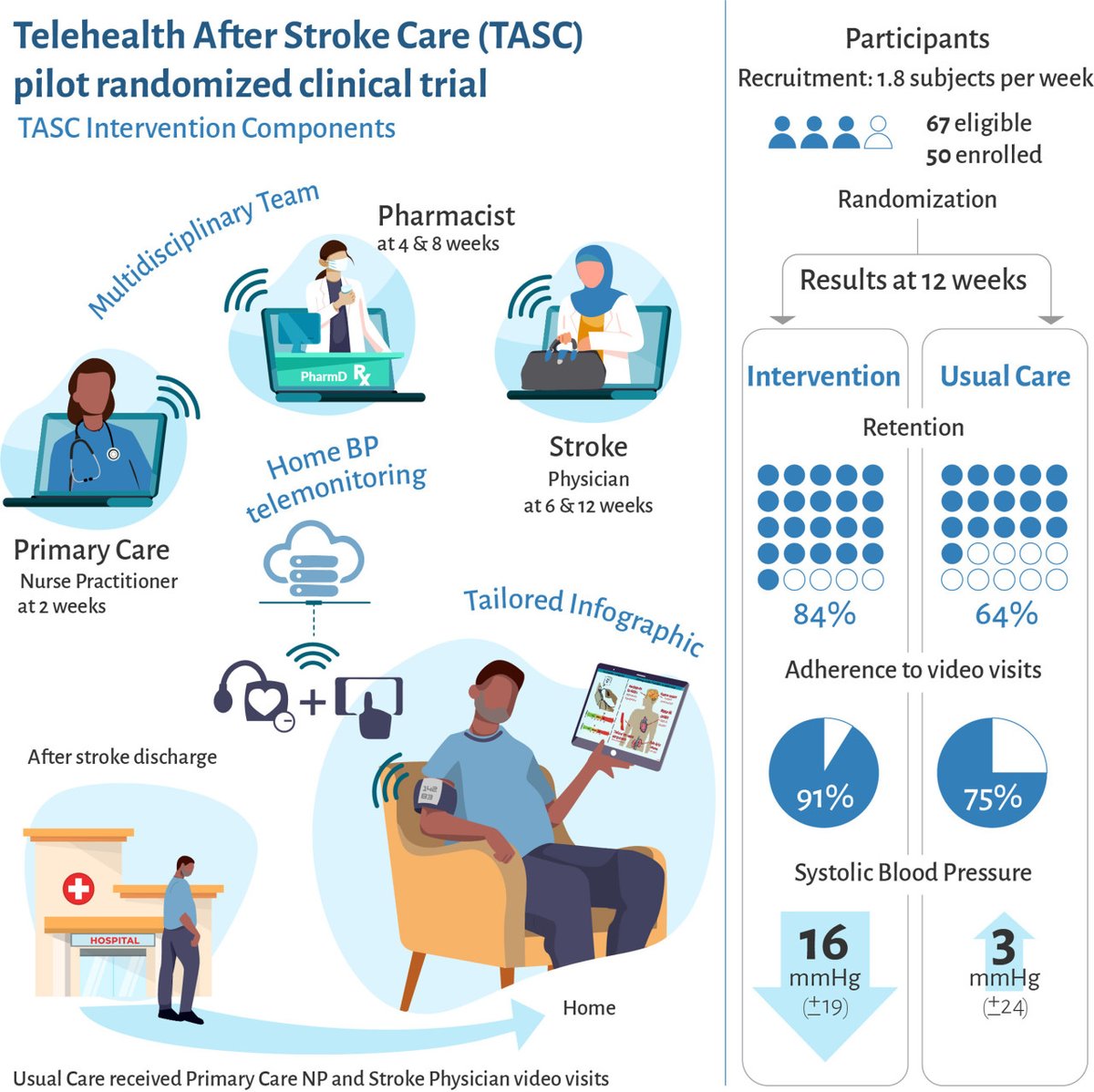
Antiplatelet therapy after stroke is not: Aspirin for everyone. DAPT for everyone. Or clopidogrel because the patient had a stroke on aspirin. It is a 3-question decision. What is the mechanism? What is the clock? What is the bleeding risk? That is the whole game. Minor non-cardioembolic stroke or high-risk TIA, early presentation, low bleeding risk? Think short DAPT. Aspirin plus clopidogrel. Usually 21 days. Then single antiplatelet. Not 3 months by habit. Not lifelong because the first prescription was never reviewed. Mild to moderate stroke or high-risk TIA with selected high-risk features? Ticagrelor plus aspirin may enter the discussion. But it is not simply stronger clopidogrel. It is a selected-patient decision, with bleeding and dyspnoea on the other side of the scale. Severe symptomatic intracranial stenosis? This is the 90-day exception. Aspirin plus clopidogrel may be justified, but only as part of aggressive medical therapy: statin, BP, diabetes, smoking, lifestyle. DAPT alone is not a treatment plan. Lacunar stroke? Respect SPS3. Long-term aspirin plus clopidogrel is not wisdom. It is bleeding dressed as prevention. ESUS? Do not guess with anticoagulation. Start antiplatelet, investigate properly, and reclassify the mechanism when evidence appears. AF-related stroke? Antiplatelet therapy is not enough. The patient needs an anticoagulation strategy when safe. Stroke on aspirin? First ask: Was it really aspirin failure? Or was it: missed AF, intracranial stenosis, carotid plaque, non-adherence, wrong dose, cancer-associated stroke, or uncontrolled risk factors? Never escalate before you re-diagnose. The clean bedside rule: DAPT is a bridge. SAPT is the destination. Anticoagulation is a different road. Mechanism decides the map. In stroke prevention, the most dangerous antiplatelet error is not choosing the wrong tablet. It is forgetting to write the stop date. #Neurotwitter #MedX #Stroke #Aspirin
sikandar adwani tweet media
English
6
143
429
18K
Maduka Sanjeewa retweetledi
sikandar adwani
sikandar adwani@SikandarAdwani·
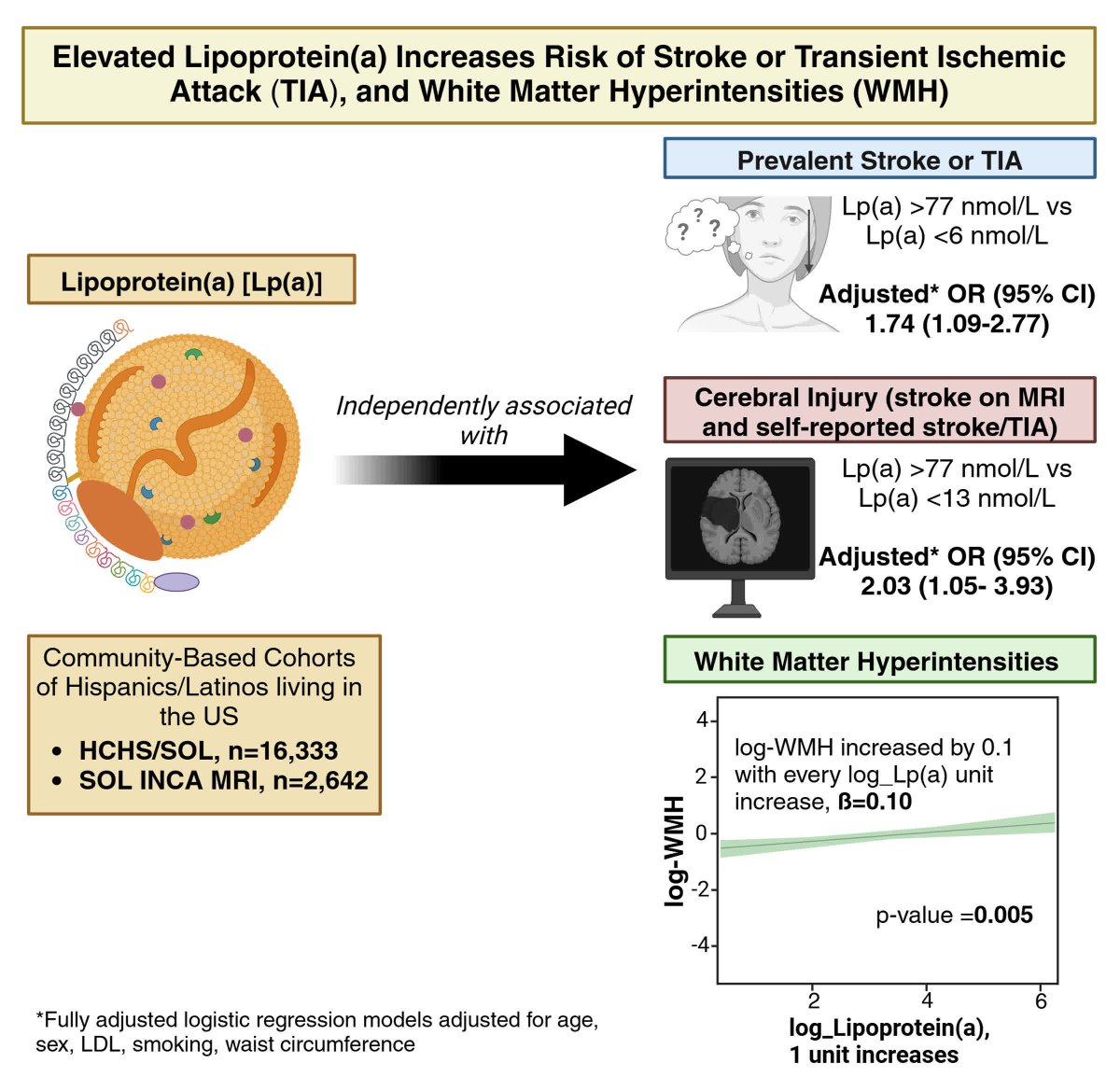
Most anticoagulation mistakes in stroke happen because we ask: Which anticoagulant should I use? before asking: Does this stroke even deserve anticoagulation?” Stroke anticoagulation is not a prescription. It is AIR TRAFFIC CONTROL. Every stroke subtype is a different aircraft. And every aircraft does NOT get runway clearance. 🟢 GREEN RUNWAY These are thrombin-rich strokes. ✔ AF-related stroke → DOAC usually preferred ✔ Mechanical valve → Warfarin only runway ✔ Rheumatic MS + AF → Warfarin tower ✔ LV thrombus → Usually 3–6 months ✔ Cerebral venous thrombosis → Heparin first, even if venous hemorrhagic infarct exists ✔ APS-related stroke → Warfarin dominates ✔ Cancer/NBTE stroke → LMWH often preferred These are not aspirin diseases. 🟡 YELLOW HOLDING PATTERN Not every AF stroke should receive immediate anticoagulation. Before takeoff: • How big is the infarct? • Any hemorrhagic transformation? • BP controlled? • Platelets safe? • Mass effect? • ICU instability? • Post-thrombectomy status? ELAN and OPTIMAS changed the conversation: Small stable infarct? Earlier DOAC may be safe. Large infarct? Delay may save the brain. Timing is neuroimaging plus judgment. Not calendar mathematics. 🔴 RED NO-FLY ZONE Do NOT empirically anticoagulate: Lacunar stroke Atherosclerotic stroke Most ESUS Routine AIS <48h Infective endocarditis embolic stroke NAVIGATE-ESUS and RE-SPECT ESUS reminded us: “Cryptogenic” is not a license for DOAC. 🚨 WHEN BLEEDING HAPPENS The first drug is not PCC. The first drug is: STOP. Then: → CT brain → INR / renal function / platelets → Identify last dose → Reverse selectively → Reassess mechanism Because the hardest question in stroke anticoagulation is not: What should I start? It is: When should I restart? AHA/ASA. ELAN. OPTIMAS. Modern CVT guidance. The era of one anticoagulation rule for all strokes is over. Treat the mechanism. Not just the MRI. #Neurotwitter #Medtwitter #Stroke #Anticogulation
sikandar adwani tweet media
English
2
49
134
5.4K
Maduka Sanjeewa retweetledi
Mission Thrombectomy
Mission Thrombectomy@MThrombectomy·
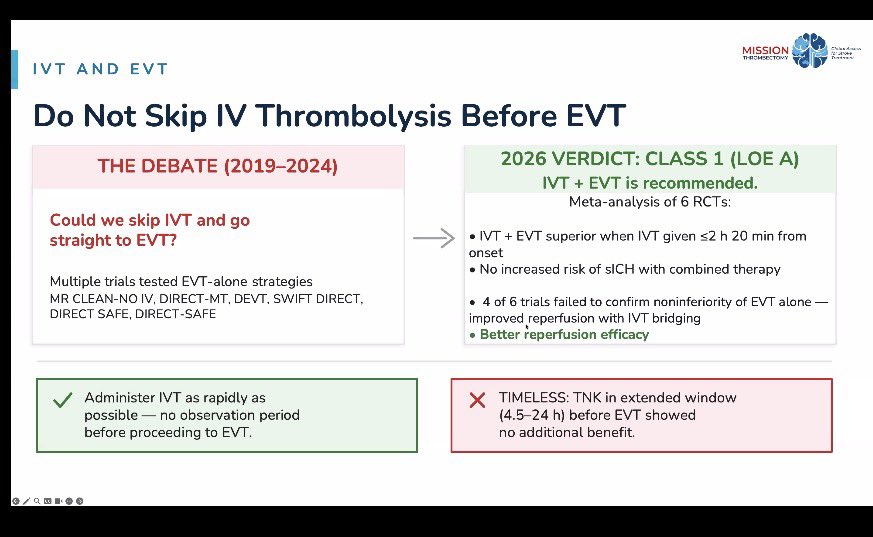
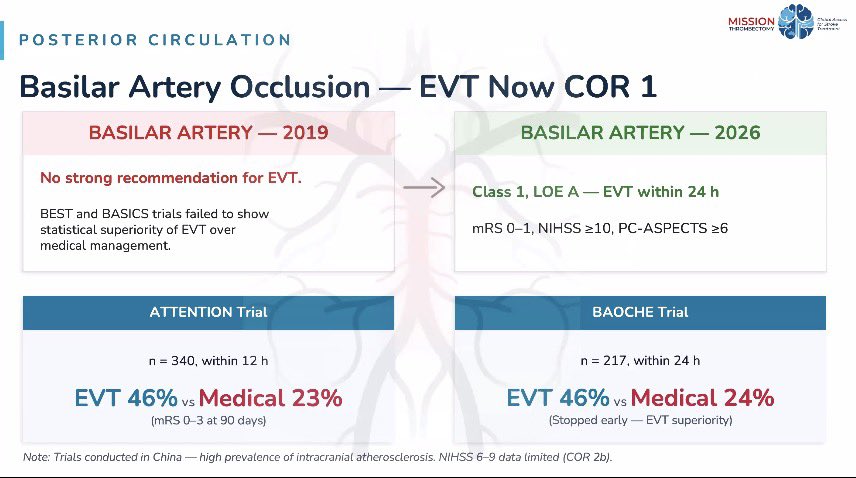
🧠🌍 Mechanical Thrombectomy Update by Dr. Daniel Vela Duarte EVT continues to evolve with growing evidence and refined patient selection. ⏱️ Time still matters, but selection is increasingly “time + tissue” based. 🧠 Extended window EVT (up to 24h) remains for carefully selected patients using imaging-based criteria. 🧭 Vessel coverage:
• ICA/M1 = standard
• Basilar occlusion = increasing evidence/support
• M2 occlusions = selected cases only 🧪 Imaging (CTA ± perfusion) remains central in identifying salvageable brain tissue. 💊 System efficiency and faster workflows continue to drive better outcomes. #Stroke #MissionThrombectomy #AHA2026 #SVIN
Mission Thrombectomy tweet mediaMission Thrombectomy tweet mediaMission Thrombectomy tweet mediaMission Thrombectomy tweet media
English
3
31
72
4.5K
Maduka Sanjeewa retweetledi
CME INDIA
CME INDIA@CMEINDIA1·
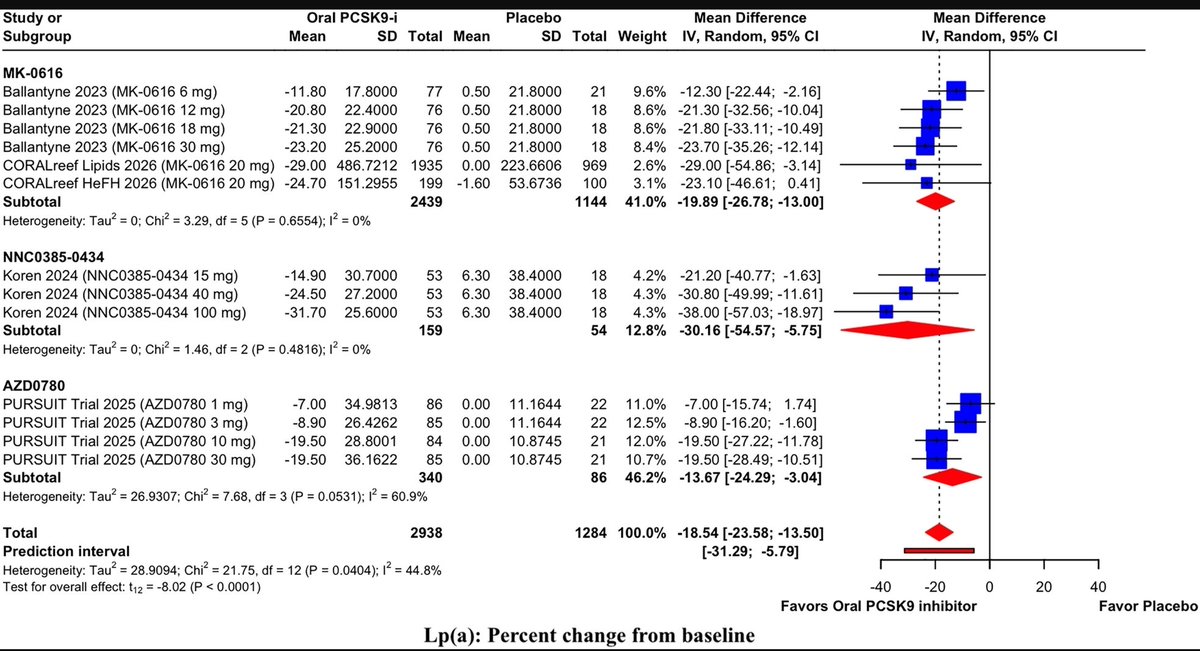
Oral PCSK9 Inhibitors (e.g., MK-0616): Emerging LDL-C–Lowering Strategy 🔷 Mechanistic Insight Oral PCSK9 inhibitors inhibit circulating PCSK9–LDL receptor interaction, enhancing hepatic LDL receptor recycling and thereby producing profound LDL-C reduction comparable to monoclonal antibody–based therapies. 🔷 Magnitude of Lipid Lowering Oral PCSK9 inhibitors achieve ~50% reduction in LDL-C over placebo, placing them in the same efficacy bracket as injectable agents when added to background statin ± ezetimibe therapy. 🔷 Beyond LDL-C: Atherogenic Lipoprotein Impact Significant reductions are consistently observed in ApoB, non-HDL-C, and lipoprotein(a), indicating a broad anti-atherogenic lipid modulation profile. 🔷 Triglyceride Modulation Modest but statistically significant triglyceride reductions suggest potential added benefit in mixed dyslipidemia. 🔷 Consistency Across Trials Despite initial heterogeneity (I² ~86%), dose-standardized analyses (notably with MK-0616) show consistent lipid-lowering effects with minimal variability. 🔷 Safety Profile Adverse events, serious adverse events, and discontinuation rates are comparable to placebo, with no signal for worsening glycemia or new-onset diabetes—critical for cardiometabolic patients. 🔷 Statin-Intolerant Population Oral PCSK9 inhibitors offer a promising alternative in statin intolerance, avoiding injection-related barriers while maintaining high potency. 🔷 Adherence Advantage Oral administration may significantly improve long-term adherence compared with injectable such as and . 🔷 Position in Therapy (Emerging Algorithm) Potential future positioning: Statin → Ezetimibe → Oral PCSK9 inhibitor → Injectable PCSK9 inhibitor / Inclisiran (based on response, access, and outcomes data). 🔷 Current Limitation Absence of hard cardiovascular outcome data remains the key gap; long-term ASCVD event reduction evidence is awaited. 🔷 Clinical Takeaway (Tagline) “Oral PCSK9 inhibitors may democratize high-intensity LDL lowering—bringing monoclonal-level efficacy into a tablet.” 🔷 Practice Pearl Consider early adoption (when available) in high-risk ASCVD or familial hypercholesterolemia patients with suboptimal LDL-C despite maximally tolerated therapy—especially where injection acceptance is a barrier. sciencedirect.com/science/articl…
CME INDIA tweet media
English
1
3
8
565
Maduka Sanjeewa retweetledi
CME INDIA
CME INDIA@CMEINDIA1·
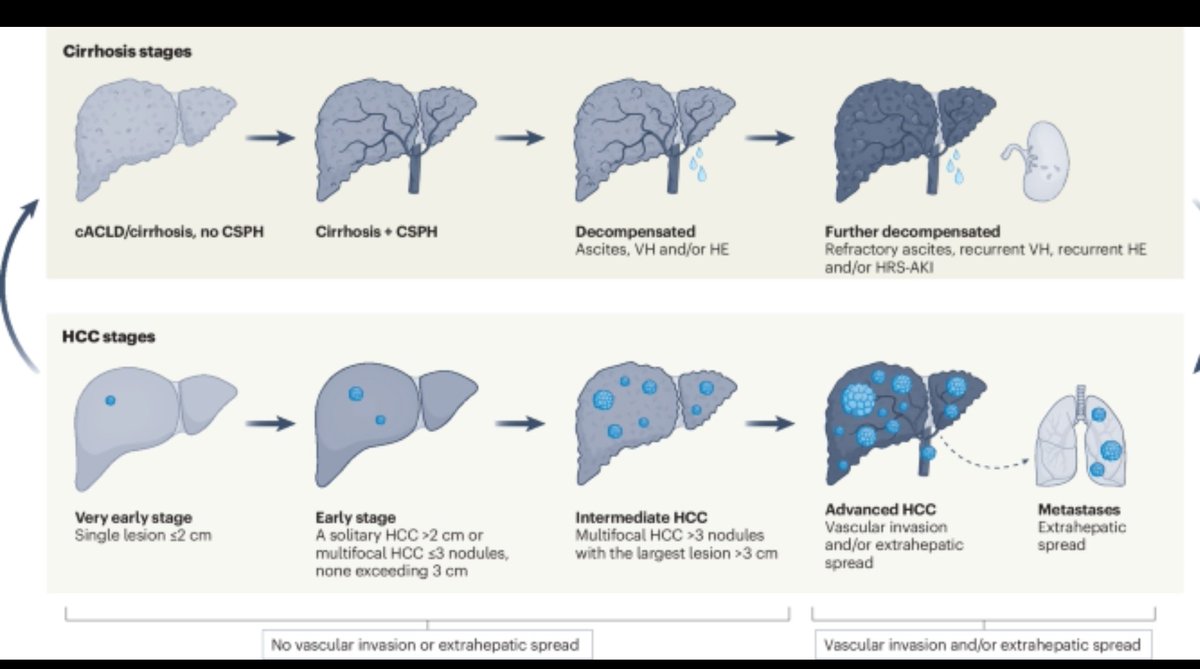
Cirrhosis, Portal Hypertension & Hepatocellular Carcinoma (HCC) Cirrhosis is not a static disease—it evolves through prognostic stages that directly influence hepatocellular carcinoma (HCC) outcomes and treatment feasibility. The two major complications of cirrhosis are: Portal hypertension Hepatocellular carcinoma (HCC) Clinically significant portal hypertension (CSPH) is a major turning point in cirrhosis progression and is strongly linked to decompensation risk. CSPH is strictly defined as hepatic venous pressure gradient (HVPG) of ≥10 mmHg, non-invasive tools (liver stiffness and platelet count) have largely replaced HVPG in cirrhosis Development of ascites, variceal bleeding, or hepatic encephalopathy marks transition from compensated to decompensated cirrhosis and dramatically worsens survival. Presence of CSPH often determines whether curative HCC therapies such as surgical resection are safe or feasible. HCC management should never be decided solely by tumor stage—underlying liver reserve and portal hypertension are equally critical. Existing HCC guidelines frequently underemphasize the stage of cirrhosis, resulting in inappropriate treatment selection in real-world practice. A patient with early HCC but advanced portal hypertension may have worse prognosis than a patient with larger tumor burden but preserved hepatic reserve. Compensated cirrhosis without CSPH represents the “best therapeutic window” for aggressive curative interventions. In compensated cirrhosis with CSPH: Risk of decompensation rises sharply Surgical morbidity increases Liver transplantation may become preferable over resection in selected patients Decompensated cirrhosis changes the therapeutic goal from tumor eradication alone to balancing: Survival Liver reserve Quality of life Risk of further decompensation Portal hypertension is no longer assessed only by invasive HVPG measurement. Non-invasive tools are rapidly transforming hepatology practice. Liver stiffness measurement combined with platelet count is increasingly being used as a surrogate for CSPH assessment. In HCC patients, non-invasive CSPH assessment may eventually replace traditional reliance on: Endoscopy Imaging surrogates Invasive HVPG monitoring Portal hypertension itself negatively impacts HCC prognosis independent of tumor burden. Advanced HCC therapies should be interpreted in the context of cirrhosis stage because liver-related mortality often competes with cancer-related mortality. Clinical trials in HCC should stratify patients according to cirrhosis stage and CSPH status rather than tumor burden alone. MASLD/MASH-related cirrhosis is emerging as a dominant global driver of both CSPH and HCC, making integrated hepatology-oncology care increasingly important in diabetes practice. Diabetes, obesity, sarcopenia, and insulin resistance worsen both portal hypertension progression and HCC outcomes. Practical Clinical Integration Evaluate every cirrhosis patient for BOTH: Portal hypertension status HCC surveillance Evaluate every HCC patient for: Liver reserve CSPH Decompensation history Transplant eligibility “Tumor stage alone is insufficient in cirrhosis-associated HCC.” Clinical Red Flags Suggesting Significant Portal Hypertension Platelet count falling <150,000/mm³ Splenomegaly Esophageal varices Ascites Increasing liver stiffness Progressive sarcopenia 📼Key Points “In cirrhosis, the liver matters as much as the tumor.” “Portal hypertension is not just a complication—it is a prognostic compass.” “HCC treatment decisions must integrate tumor biology with cirrhosis biology.” Reference Nature Reviews Gastroenterology & Hepatology Review nature.com/articles/s4157…
CME INDIA tweet media
English
1
1
8
339
Maduka Sanjeewa retweetledi
Ahmed Bennis MD 🫀
Ahmed Bennis MD 🫀@drbennisahmed·
What does optimal heart failure therapy actually buy your patient in years of life? 📅 For a 65-year-old with HFmrEF/HFpEF, projected event-free survival: • Standard therapy: 10.7 years • SGLT2i + nsMRA: 14.3 years → +3.6 years (95% CI 2.0–5.2) For those with LVEF <60%, add an ARNI: • SGLT2i + nsMRA + ARNI: 15.8 years → +4.9 years (95% CI 2.5–7.3) Nearly 5 extra years. That’s what comprehensive therapy delivers. #HeartFailure #HFpEF #HFmrEF #SGLT2i #Cardiology #GDMT
Ahmed Bennis MD 🫀 tweet media
English
0
3
15
824
Maduka Sanjeewa retweetledi
NEJM
NEJM@NEJM·
Cerebral amyloid angiopathy, caused by beta-amyloid deposition in brain blood vessels, leads to lobar cerebral hemorrhage, microbleeds, and white-matter lesions and contributes to cognitive decline. Learn more in the Review Article “Cerebral Amyloid Angiopathy” by Steven M. Greenberg, MD, PhD, from Massachusetts General Hospital (@MassGeneralNews) and @harvardmed: nej.md/4n9BPyc Read a clinical case of a patient with cerebral amyloid angiopathy: nej.md/3RoENTG
NEJM tweet media
English
0
41
142
37.8K
Maduka Sanjeewa retweetledi
Ahmed Bennis MD 🫀
Ahmed Bennis MD 🫀@drbennisahmed·
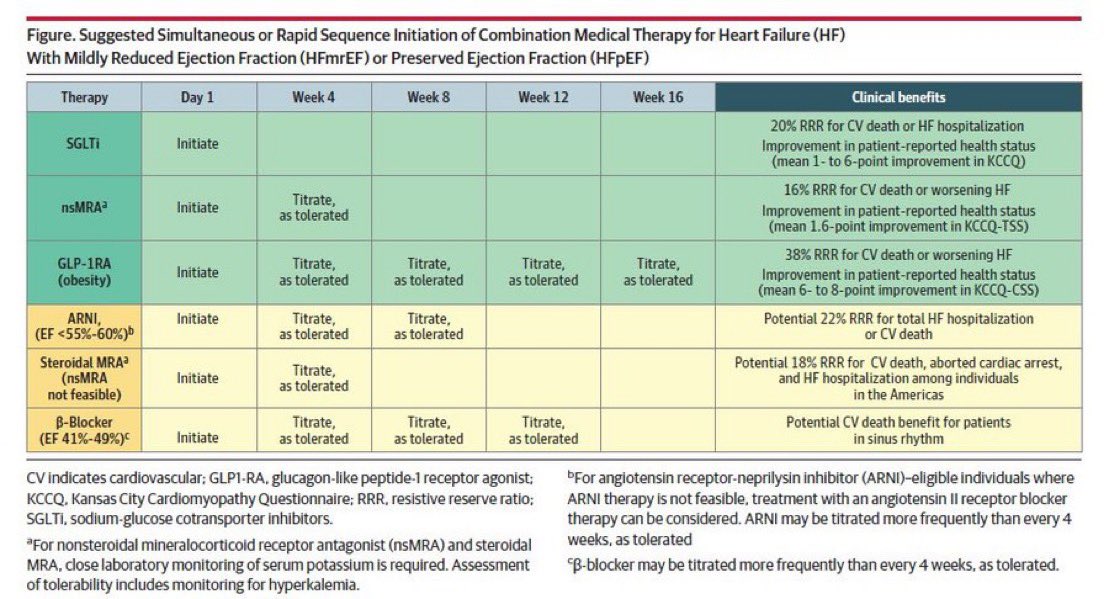
A practical roadmap for starting combination therapy in HFmrEF/HFpEF 🗺️ Day 1 — initiate ALL of: • SGLTi → 20% RRR for CV death/HF hosp • nsMRA → 16% RRR for CV death/worsening HF • GLP-1RA (if obese) → 38% RRR • ARNI (if EF <55-60%) • β-Blocker (if EF 41-49%, sinus rhythm) Then titrate as tolerated over 16 weeks. Simultaneous initiation. Maximal early benefit. This is modern HFpEF care. 💪 #HeartFailure #HFpEF #HFmrEF #GDMT #Cardiology #SGLT2i #GLP1
Ahmed Bennis MD 🫀 tweet media
English
1
39
93
5K
Maduka Sanjeewa retweetledi
XRP Ledger Announces
XRP Ledger Announces@XRPL__A·
A friend who had checked his Lp(a) -328 ( extreme elevation) got a Coronary calcium score (CAC) of Zero Turns out that CAC only detects calcified plaque, which is usually more stable. The plaque most likely to cause an MI is more often soft, and a non-calcified plaque. That plaque can rupture long before it calcifies. A zero CAC score does NOT rule that out. To detect both calcified and soft plaque , you need a CCTA (Coronary CT Angiography). It shows plaque type, stenosis, and actual arterial narrowing. Hence, if you are symptomatic , have strong risk factors, or elevated Lp(a), a zero CAC should not end the conversation. Elevated Lp(a) especially promotes soft plaque formation, the exact kind CAC misses. Comments?
English
3
9
44
10.2K
Maduka Sanjeewa retweetledi
Ahmed Bennis MD 🫀
Ahmed Bennis MD 🫀@drbennisahmed·
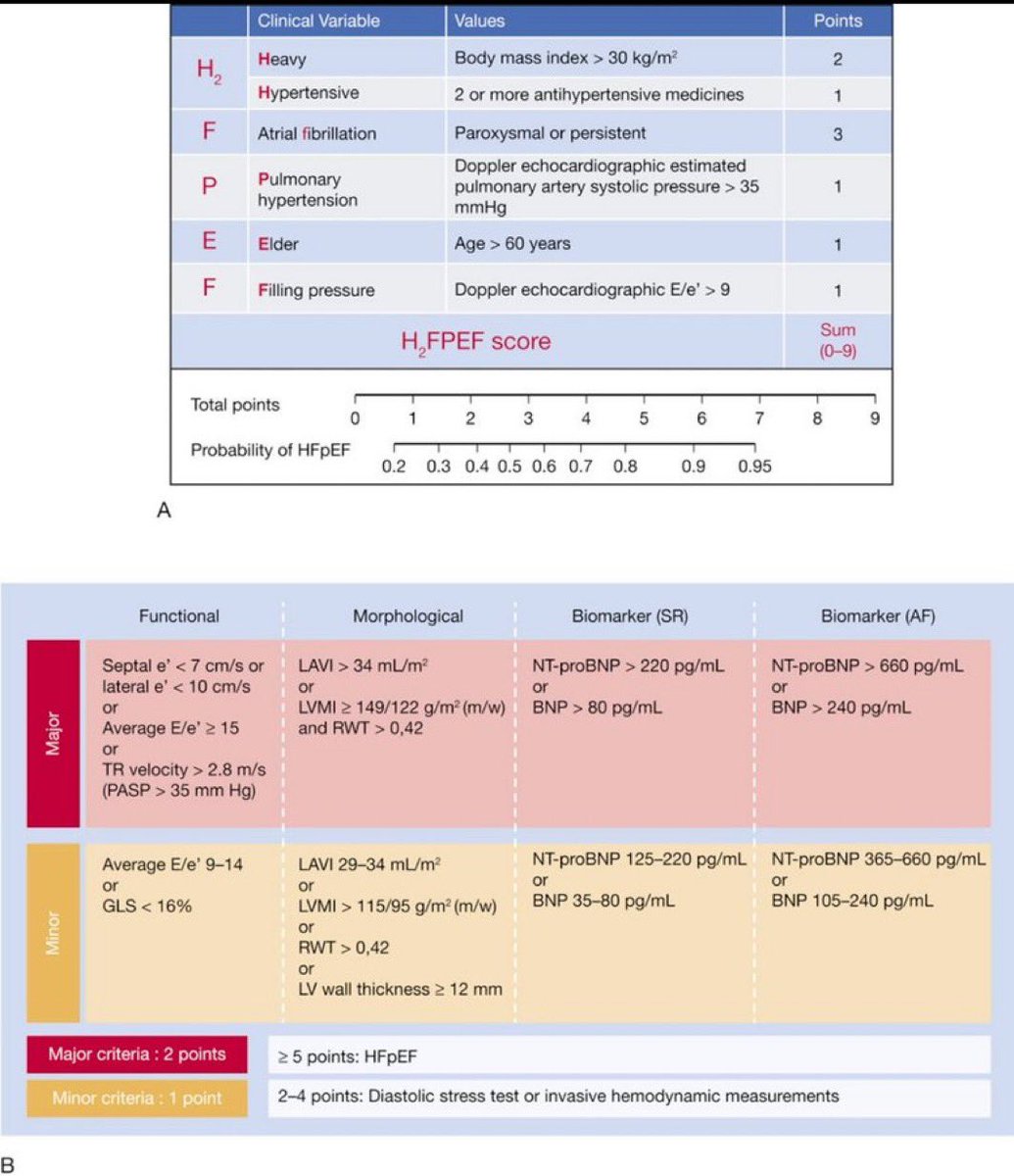
🪥 How to diagnose #HFpEF? Two complementary tools 📊 A) The H₂FPEF Score (0–9 points): • BMI > 30 kg/m² → 2 pts • ≥ 2 antihypertensives → 1 pt • Atrial fibrillation → 3 pts • Pulmonary HTN (PASP > 35 mmHg) → 1 pt • Age > 60 years → 1 pt • E/e’ > 9 → 1 pt → Score ≥ 6: probability of HFpEF ≥ 0.90 🦴 B) ESC Criteria (Major + Minor): ✅ Major (2 pts each): • Septal e’ < 7 or lateral e’ < 10 cm/s • E/e’ ≥ 15 or TR velocity > 2.8 m/s • LAVI > 34 mL/m² or LVMI ≥ 149/122 g/m² • NT-proBNP > 220 pg/mL (SR) / > 660 (AF) 🟡 Minor (1 pt each): • E/e’ 9–14, GLS < 16% • LAVI 29–34, LVMI > 115/95, RWT > 0.42 • NT-proBNP 125–220 (SR) / 365–660 (AF) → ≥ 5 pts = HFpEF → 2–4 pts = diastolic stress test or invasive hemodynamics #Cardiology #HFpEF #HeartFailure #Echocardiography #CardioTwitter
Ahmed Bennis MD 🫀 tweet media
English
0
85
283
10.2K
Maduka Sanjeewa retweetledi
XRP Ledger Announces
XRP Ledger Announces@XRPL__A·
🚨 Burning Vertex Syndrome: A novel headache 🔥 A common problem in the Neurological OPD, well described by our colleague Pravin Thomas et al 🧠 Curr Opin Neurol 2025 ➡️ Episodic, burning pain localized to the vertex (10–20 cm zone) ➡️ Mostly affects women (~65%), avg. age ~41 ➡️ Duration: 1 min to 24 hrs, often <4 hrs ➡️ Frequency: daily to 1–3x/week ⚠️ Associated features in 76%: •Nausea, vomiting •Photophobia/phonophobia •Autonomic signs •Localized warmth (rare) 🧬Hypothesized mechanism? Small fiber scalp neuropathy 💉 Interesting finding: GON block helped in 2 patients #NeuroTwitter #Headache
English
6
30
79
9.7K