

Wonders of Europe
14.9K posts
Wonders of Europe
@MagicalEurope
Celebrating the traditions, folklore, & natural wonders of Europe!
Katılım Aralık 2015
201 Takip Edilen58.8K Takipçiler
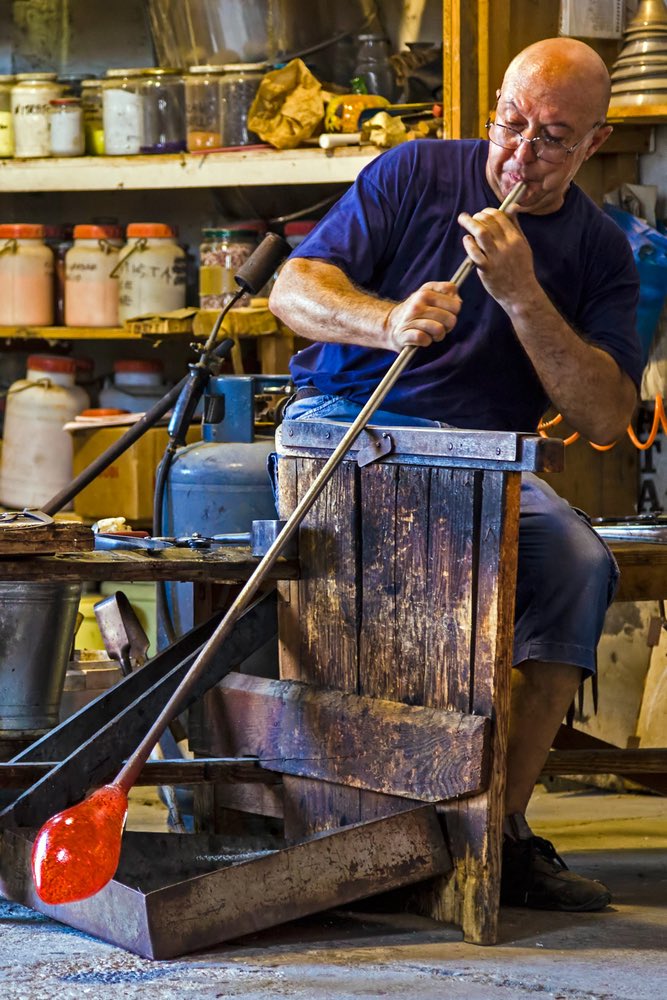
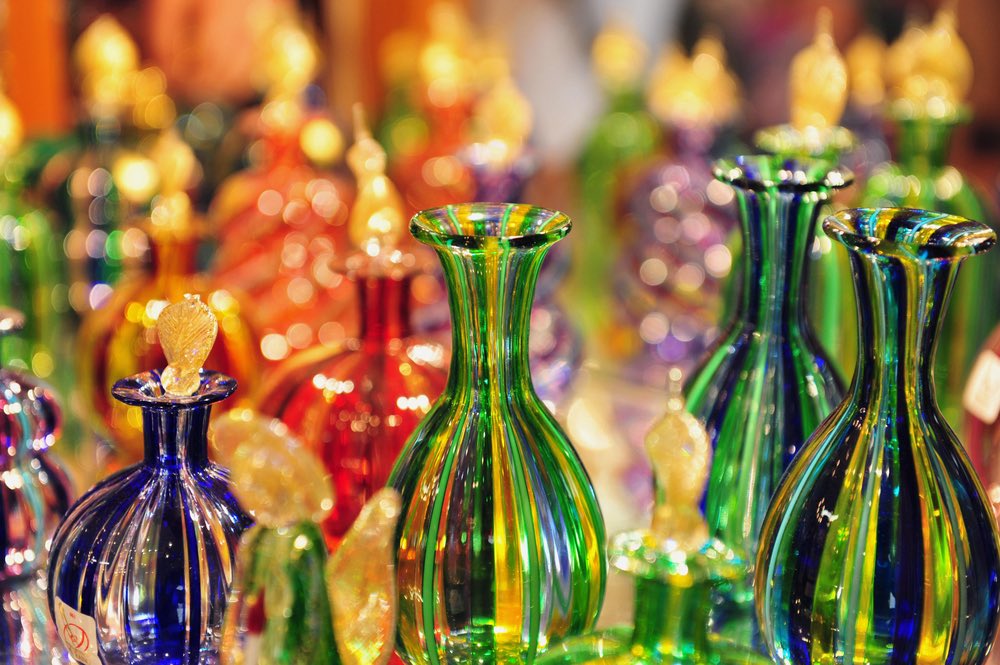
Did you know Venetian glassmaking dates back over a thousand years?
English
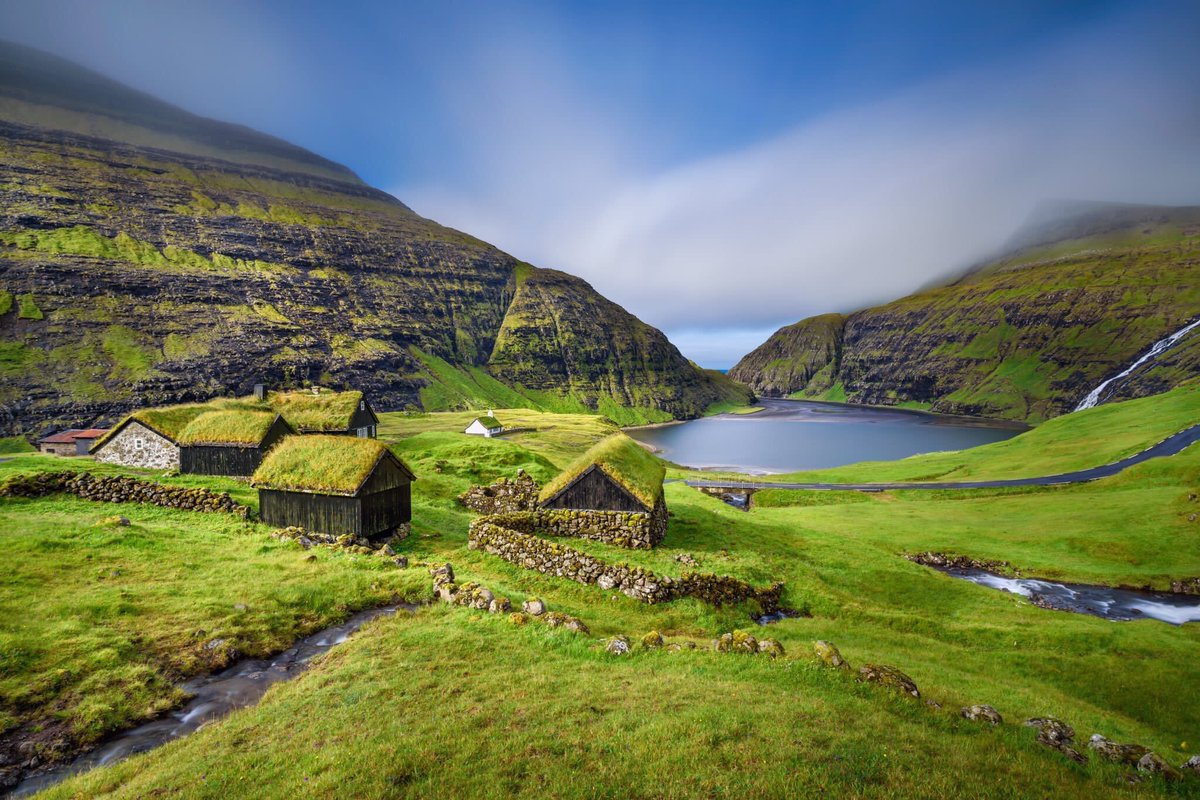
The lovely village of Saksun, Faroe Islands, Denmark
English
@support Please remove the shadow ban from this account. This account barely gets views and my followers say they often don’t see my posts. This account has NEVER had any violations of any kind, so I don’t understand why it’s being shadowbanned.
English
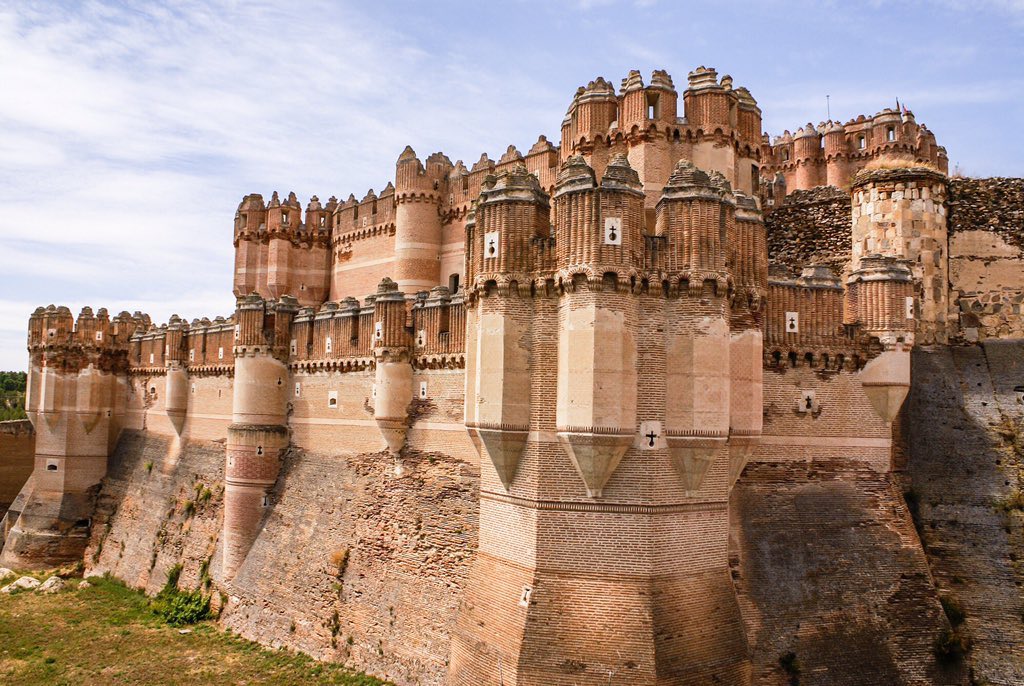
Coca Castle, locally known as Castillo de Coca, lies in flat and wooded lands in the little walled town of Coca (Roman “Cauca”; birthplace of Roman Emperor Theodosius), in the Segovia province in Spain.
English
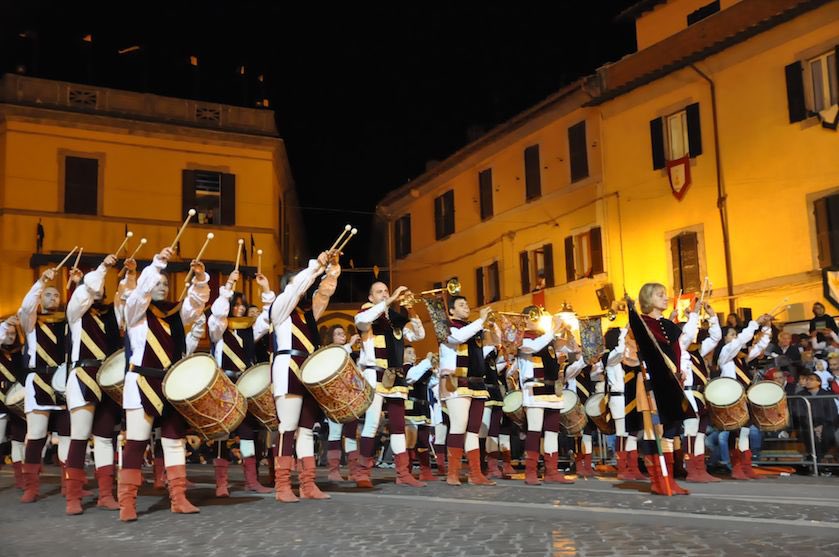
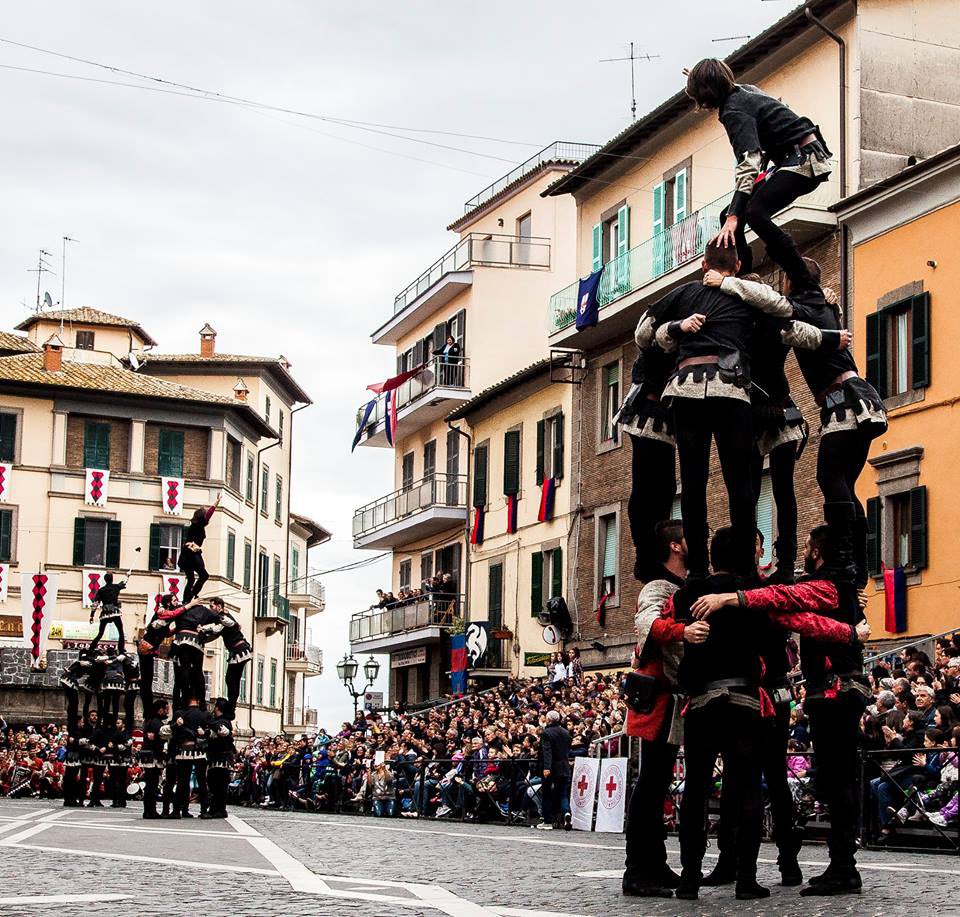
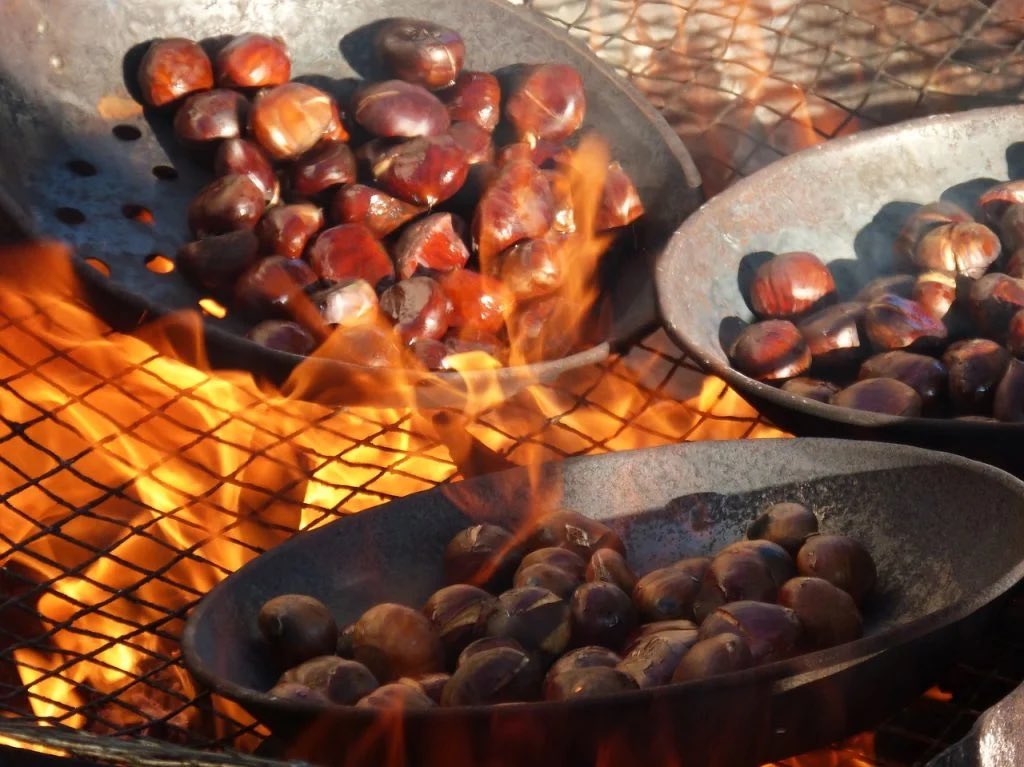
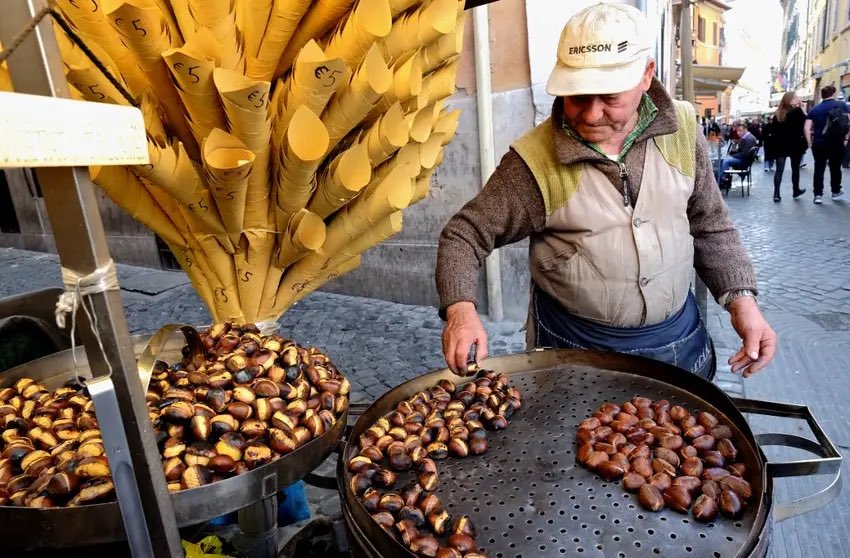
Italian sagre della castagna (chestnut festivals) take place every October–November in Tuscany, Piedmont, Umbria, and beyond. Villages roast fresh chestnuts over open fires, serve giant porcini mushrooms in risotto and on grilled steaks, pour new olive oil and young wine, and sell chestnut flour sweets like castagnaccio.
English

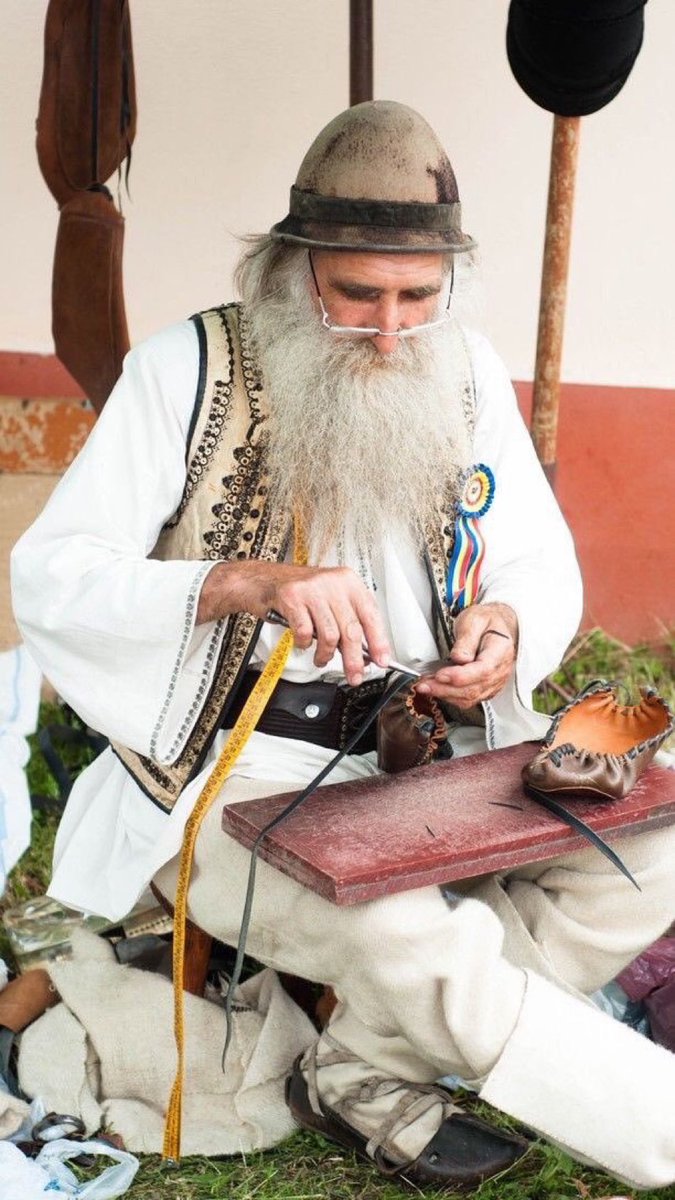
Traditional craftsman making peasants’ sandals in Romania
English
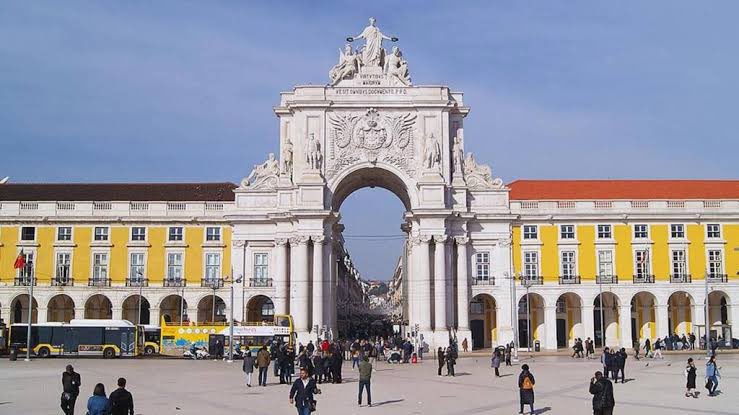
The Arco da Rua Augusta is a monumental triumphal arch located on Lisbon’s Rua Augusta, Portugal.
Built with six towering columns (each approximately 11 meters tall), it is richly decorated with statues of key historical figures. The pronounced vertical distance between the crown of the arch and the cornice gives the structure a distinctive sense of solidity and weight.
The central area features the coat of arms of Portugal, while the allegorical sculptural group crowning the arch, created by French sculptor Célestin Anatole Calmels, depicts Glory crowning Valor and Genius.
English
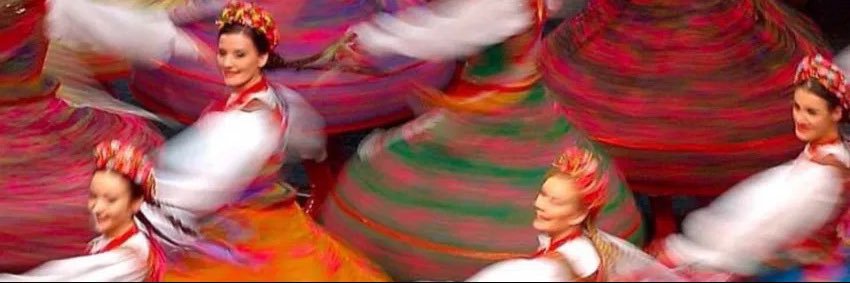
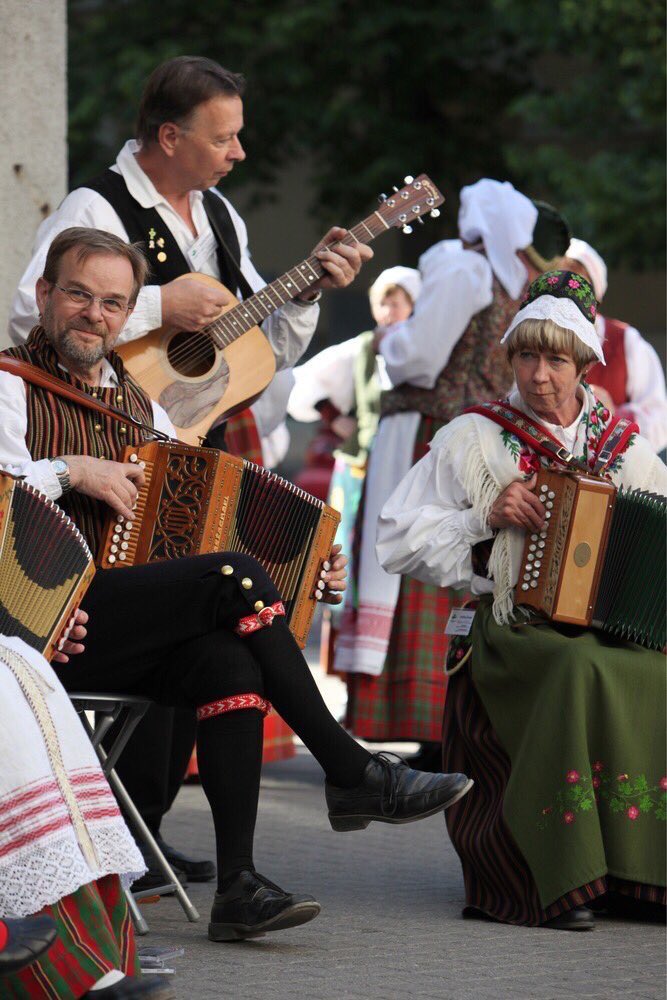
Lithuanian folk performers wearing traditional costumes.
English
Wonders of Europe retweetledi

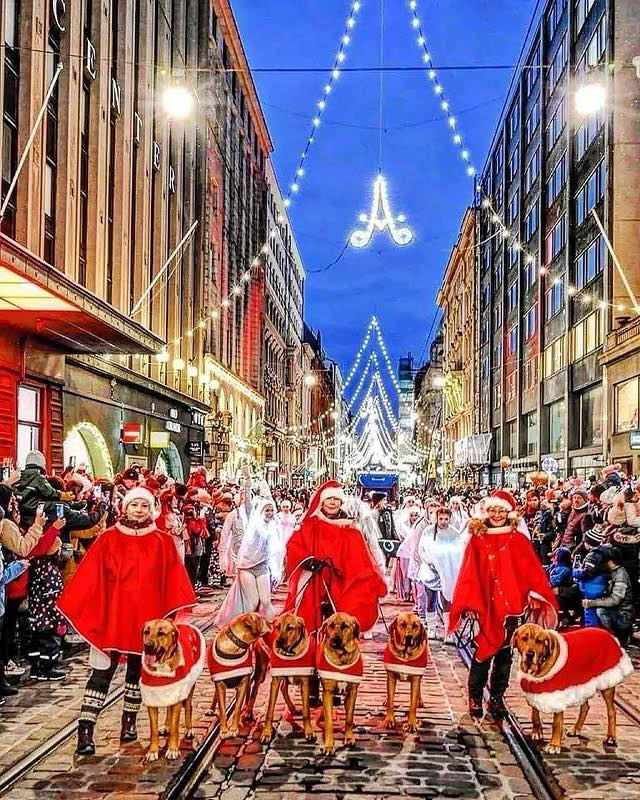
The official start of the Christmas season in Helsinki always starts with switching on the lights on Aleksanterinkatu and the Christmas Parade, which begins from Senate Square - Saturday November 22nd:
myhelsinki.fi/events/opening…

English
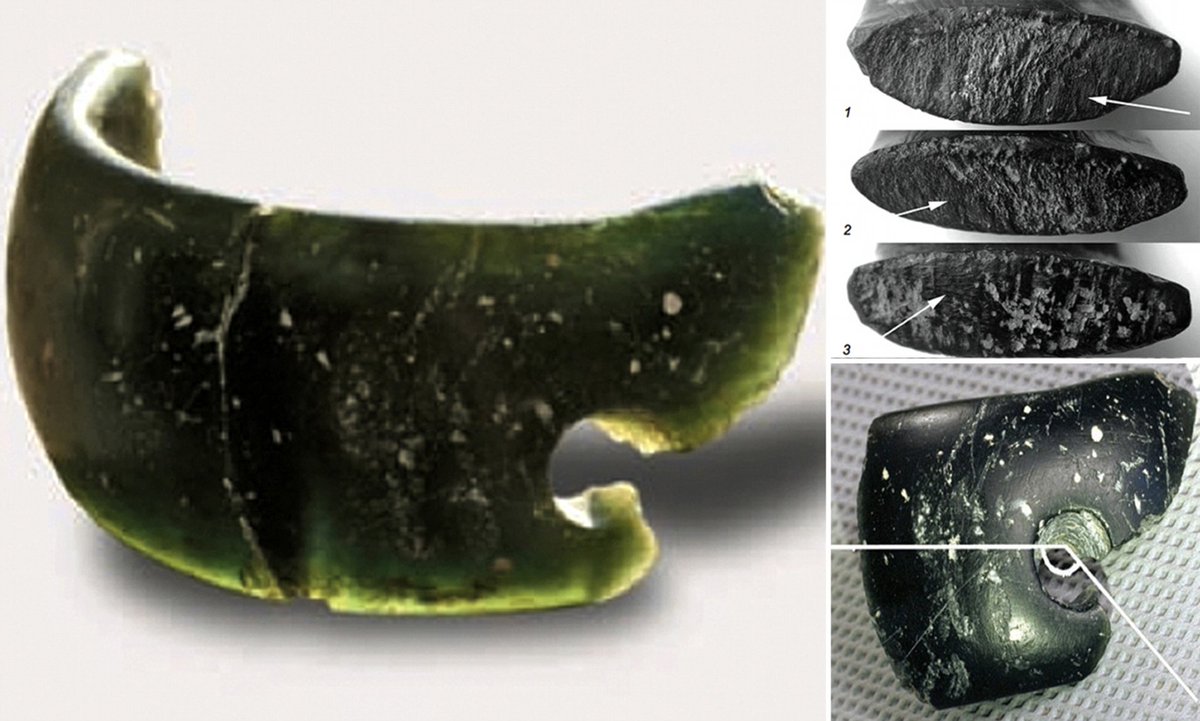
Hidden deep within Denisova Cave in Siberia, archaeologists unearthed a 40,000-year-old bracelet carved from green chlorite stone a masterpiece of prehistoric artistry. Its smooth finish and precisely drilled hole show the use of advanced tools and techniques far ahead of their time.
What makes this find extraordinary is its maker the Denisovans, a mysterious extinct human species known primarily through DNA rather than fossils. This intricate piece proves that they were not only skilled toolmakers but also capable of symbolic and aesthetic expression, suggesting a complex cultural life once thought unique to Homo sapiens.
Now regarded as one of the oldest examples of personal adornment in human history, the Denisovan bracelet stands as a powerful reminder that creativity and sophistication ran deep in our ancient relatives. Its legacy, like their DNA, continues to echo through modern human populations across Asia and Oceania.
#drthehistories
English
Wonders of Europe retweetledi

Wonders of Europe retweetledi

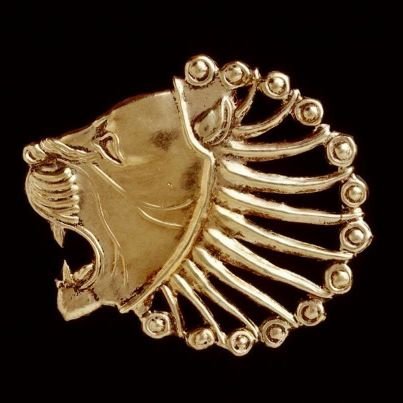
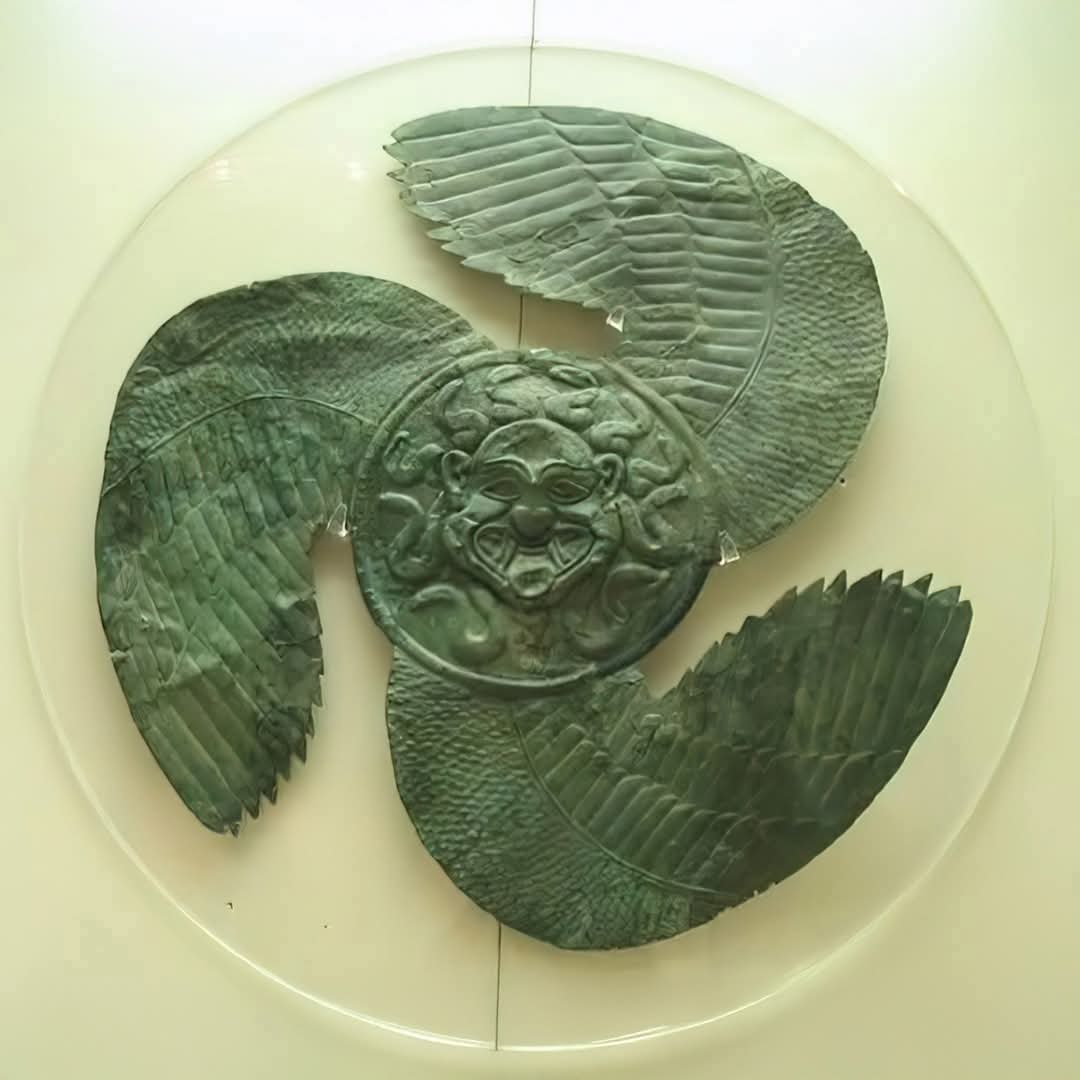
The triskelion, an ancient Greek symbol of motion, strength, and eternity, is an outstanding example of bronze craftsmanship...
Its three-winged design, centered around a fierce face, echoes motifs found in various ancient cultures, from Neolithic Malta to the Celts and Mycenaean Greece. The triskelion appeared on warrior shields, coins, and temple decorations, symbolizing power and cosmic cycles.
This artifact, discovered in Olympia, is now preserved in the Archaeological Museum of Olympia, reflecting its enduring significance throughout history.
#archaeohistories
English
Wonders of Europe retweetledi

Around 300 BC, one of Alexander the Great’s generals, Seleucus I Nicator, founded the city of Seleucia on the Euphrates, later known as Zeugma (bridge).
It sat at a key crossing between Anatolia and Mesopotamia, linking East and West along ancient trade routes.
By the 2nd century BC, Zeugma thrived under the Seleucid Empire. Its wealthy citizens filled their villas with stunning mosaics celebrating Greek myths and culture. Among them is the Muses Mosaic, a masterpiece honoring the Nine Muses, goddesses of art, music, poetry, and knowledge.
Buried for centuries, the mosaic was uncovered in the late 20th century, and today, it’s preserved in the Zeugma Mosaic Museum in Gaziantep, home to one of the world’s largest collections of ancient mosaics.
Muse@xmuse_
Breathtaking 2,200 year-old mosaics depicting the legendary Nine Muses of Ancient Greece. 📍Zeugma, Turkey
English
Wonders of Europe retweetledi

Take this in for a second: Wales has more castles per square mile than any other country in the world.
Penrhyn Castle (1837)

English
Wonders of Europe retweetledi
Wonders of Europe retweetledi
Look closely at the tiny muscle bulging on the forearm just below the elbow. That is the extensor digiti minimi, a small muscle that helps extend the little finger. Anatomically this muscle becomes especially active and visible when the little finger is extended. Notice how Moses is lifting his pinky? That is why Michelangelo sculpted that specific muscle in tension.
This kind of insane biological accuracy came from his nights spent dissecting corpses at the hospital of Santo Spirito in Florence, where he traded a wooden crucifix and other artwork for access to dead bodies to master the mechanics of human flesh.
Heritage Matters🔱@HeritageMatterz
Michelangelo's Moses sculpture. c. 1513 - 1515.
English
Wonders of Europe retweetledi

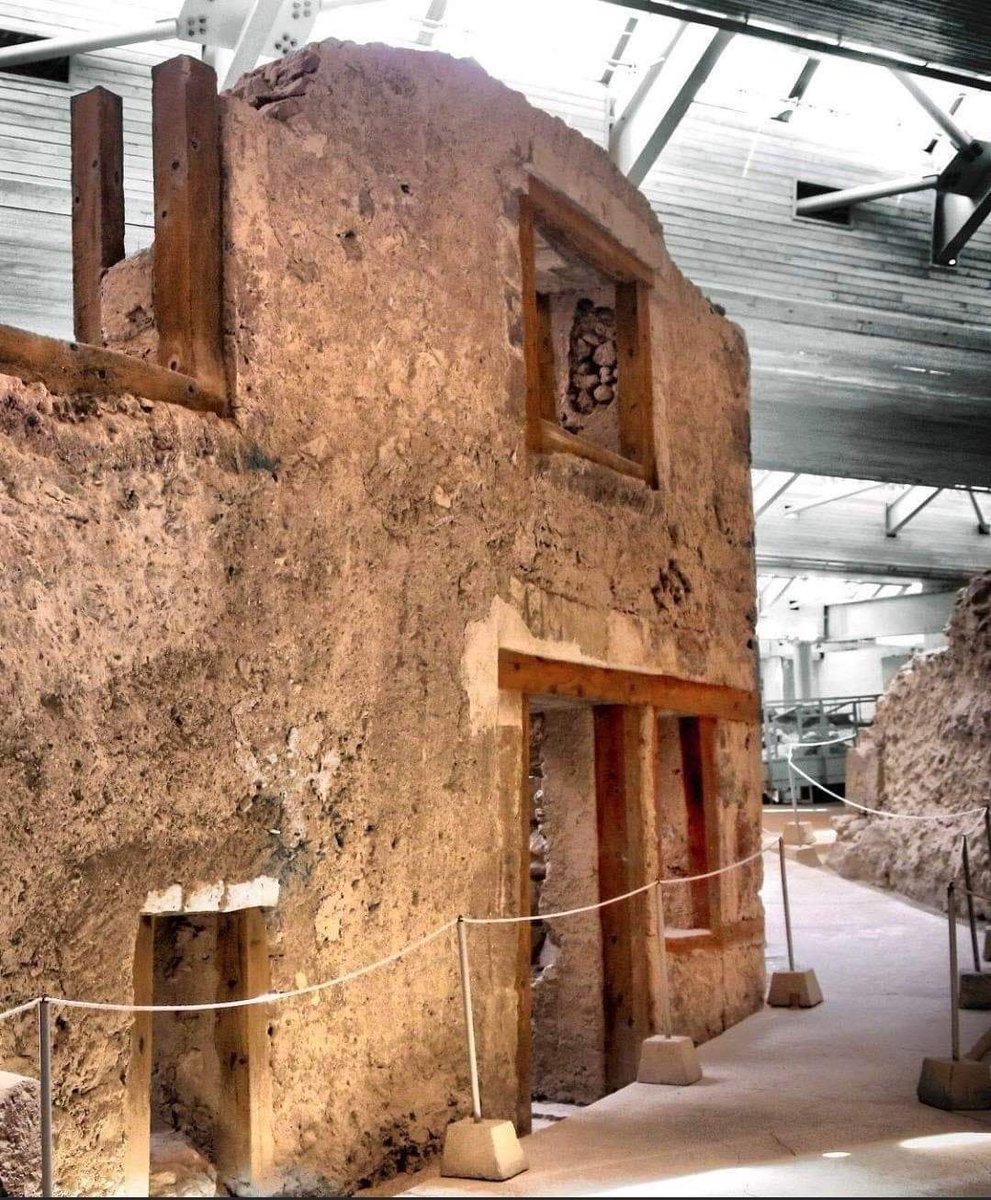
Remains of a prehistoric house from bronze age settlement of Akrotiri in Santorini, Greece 🇬🇷
Akrotiri, a 3600 year-old city on the island of Santorini buried by ash from a gigantic volcanic eruption in 1650 BC, frozen in its Bronze Age glory, serves as an exquisite time capsule for contemporary archaeologists who learn more every day about the mysterious lives of its inhabitants.
Located on the Greek island that was at that time called Thira after mythical ruler of the island, Theras, ancient city was part of Minoan civilization, which flourished there and on the nearby island of Crete.
The eruption of the island which had originally been called “Stronghili” or “round” decimated all life on the island and erased an entire city-state, which has been shown by archaeologists to have been part of Minoan civilization. The event was so cataclysmic that the ash cloud formed of what was left of the island of Thira circled the Earth for two years, according to ancient writers, plunging the Earth into a period of global cooling.
With its elegant three and four-story buildings edged with colored stones, and resplendent public art, including frescoes, which bear witness to a highly-developed, and elegant culture, this begs the question of whether the island of Santorini was in fact Atlantis—fabled city of great beauty that sank beneath the waves.
Was Santorini the same place that Plato wrote about which was punished for its hubris 1000 years before the Acropolis was built? The question may never be answered to everyone’s satisfaction, but the evidence is mounting that this may be true.
Covered by 200ft of ash from volcanic explosion, unfathomable artistic riches of extravagant wealth have been unearthed recently in Akrotiri on the southern tip of the island. These have offered up yet more tantalizing clues as to Santorini’s real identity. The city was so completely buried in volcanic ash that the remains of fine frescoes and many other artworks and objects have been well-preserved, much like what occurred later in city of Pompeii near Italy’s Mt. Vesuvius. The event arresting life as it was at that moment enables us to look at the city today just as it had last been viewed by its inhabitants. Much of prehistoric city of Akrotiri had been destroyed by an earthquake that immediately preceded volcanic eruption.
The island’s culture flourished 3000 years ago before its inhabitants were so violently killed by the volcanic eruption—but researchers say its civilization had been in existence for thousands of years prior to that time. Since its discovery in mid-19th Century, more and more paintings, objects, and buildings have been uncovered, each one pointing to an extremely advanced and wealthy civilization.
The shape of the island was instantly changed forever after the fateful blast, with the entire seven-mile diameter of the caldera an active volcano even now although it has been filled in by seawater.
“Ancient writers described how the ash cloud plunges the world into darkness, causing a global winter for two years,” the narrator says. The blast was so enormous that it used up almost the entire mountain’s land mass, creating a huge caldera inside the “arms” of Santorini, as the remains form a giant crescent shape.
More than 3000 years afterwards, the fascination about possibility that the original island may actually be lost Atlantis continues to intrigue archaeologists and historians today. Akrotiri was uncovered by Greek archaeologist Spyros Marinatos in 1967. Ever since, it has been one of the world’s largest ongoing excavation projects. Whether or not Santorini is the lost island of Atlantis, its treasures show the staggering beauty and great elegance of a now-lost civilization.
#archaeohistories
English