
Sabitlenmiş Tweet
Mamun
666 posts

Mamun
@Mamun7629
Hey you want to have an interesting time in a great project Join the @RialoHQ💞 @RialoBangladesh🇧🇩
Sylhet, Bangladesh Katılım Kasım 2025
473 Takip Edilen300 Takipçiler


আজ সকাল ৬টায় ইমার্জেন্সি রোগী হিসাবে হসপিতালে ভর্তি হই।ডাক্তারের চেস্টায় আল্লাহর রহমতে সকাল ১০টায় আমার ব্যাথা একটু কমে। এরপর ভিন্ন পরিক্ষা দিয়ে,লিভারে সমস্যা ধরা পরে😭। এবং আবার লিভার ডক্টরের কাছে বগুরা অথবা সিরাজগঞ্জ,ঢাকা যেতে হবে পরিক্ষার জন্য।আল্লাহ যেন আমাকে সুস্থতা দান করে। আমাকে আপাদত এখন বাসায় রাখা হয়েছে।
আমার শুভাকাঙ্ক্ষী অনেকেই মেসেজ দিচ্ছিলেন কল দিচ্ছিলেন।কি হয়েছে।তাই জানিয়ে দিলাম।
Today i was admitted to the hospital as an emergency patient at 6 AM. By the grace of Allah and the doctors’ efforts, my pain reduced a bit around 10 AM. After some tests, a problem was detected in my liver 😭. Now I have to go to a liver specialist in Bogura, Sirajganj, or Dhaka for further tests. May Allah grant me recovery.
For now, I have been allowed to stay at home. Many of my well-wishers were calling and messaging to what happened, so I shared this update.

বাংলা

Trust mean believing someone.
If a system says something is true,
we just accept it… right?
@RialoHQ helped me see this in a different way.
Instead of trusting blindly, the system tries to trust less and verify more.
This is called trust minimization.
It means you don’t need to fully trust people, because the system checks everything for you.
So before anything happens, the data is checked, the conditions are confirmed,
and only then action is taken.
Nothing is accepted just because it is said. Everything must be proven.
This reduces risk and makes the system more reliable.
In systems like @RialoHQ trust is not removed, but it is minimized.
Don't trust blindly, Verify first,Then act
Yahh, that's what makes the system
safer and more dependable.

Kamrul@kamrulbroz
English

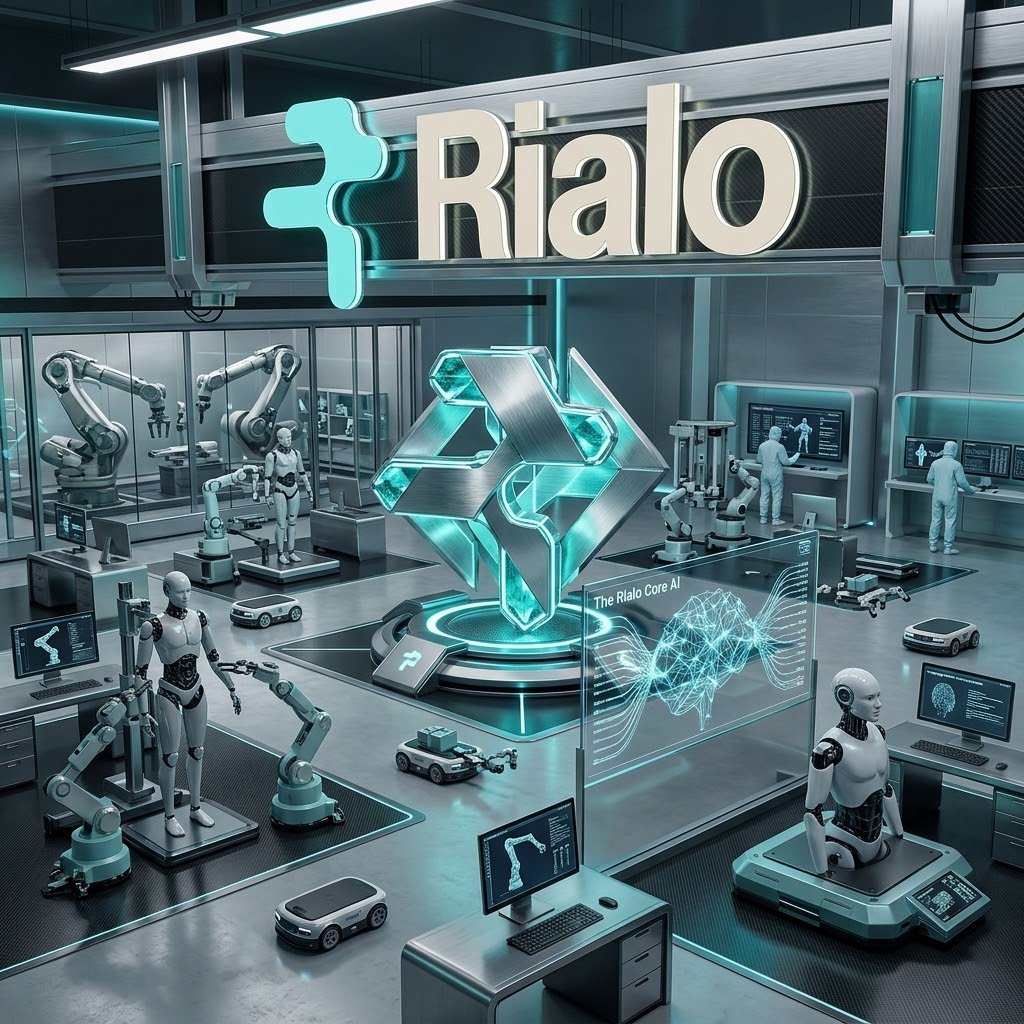
@RialoHQ secures more than just your keys — it protects your entire digital presence.
While hardware wallets safeguard access, Rialo goes further with privacy-by-design — minimizing or eliminating centralized storage of sensitive data to reduce breach risks.
@JEAMSETH07
English
Español

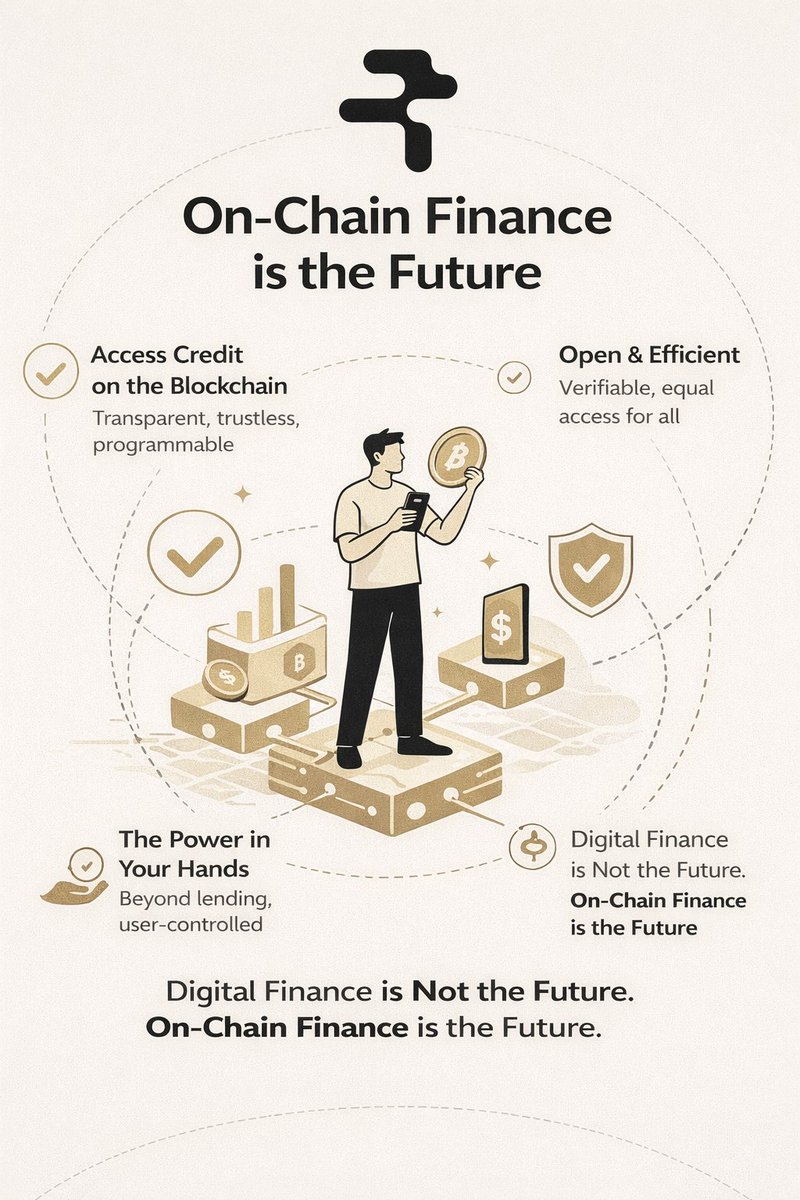
On chain credit is revolutionizing the way we approach financial access in the digital age.
No longer limited to established systems, it allows everyone the ability to access credit on the blockchain itself, which is transparent, trustless and entirely programmable.
Each transaction can be verified, each rule is coded into the system and everyone has equal access without any hidden limitations.
According to @RialoHQ, on chain credit goes beyond lending.
It represents an evolution of the financial ecosystem towards openness and efficiency, putting the power back in the hands of the user.
Digital finance is not the future.
On chain finance is the future.
ade | rialo.io@itachee_x
on chain credit 🫡
English

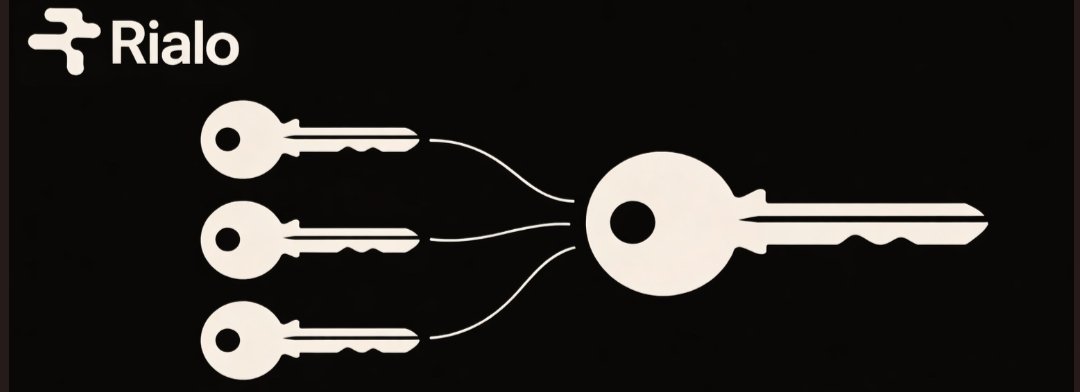
The Math Behind DKG (Hiding Secrets in Curves)
How do a group of people create a secret together without anyone actually knowing the final secret?
Under the hood, DKG relies on a brilliant mathematical concept: a secret can be hidden inside a polynomial. Think of a polynomial as a curve, where the hidden secret sits at one special point specifically, at x = 0.
In polynomial form, this is the constant term, f(0). For example, in the equation f(x) = 42 + 7x + 3x^2, the constant term is 42. Therefore, f(0) = 42.
Here is how DKG starts:
Instead of one central secret, each participant chooses their own private polynomial. If Participant 1 (P₁) has a secret value s_1, they create a polynomial like this:
f_1(x) = s_1 + a_1 x + b_1 x^2
Because the hidden secret always sits at x = 0, f_1(0) = s_1. The secret value is safely tucked away in the curve. Every single participant in the network does this privately.
Nahin | Rialo@yournahin
Post 1: The Trust Problem in Cryptography Threshold cryptography usually focuses on what a group can do with a shared secret key like jointly signing a transaction or decrypting data without giving one person total control. But before any of that happens, we have to solve the hardest problem: how is the shared secret created in the first place? In a standard system, one private key controls the asset. If it’s compromised, it’s game over. Threshold cryptography changes this. In a 3-of-5 system, any 3 participants can combine their key shares to produce a valid signature. But if we rely on a "trusted dealer" to generate and distribute those 5 shares, we just reintroduced a central point of failure. If the dealer is compromised, the whole network is compromised. Enter Distributed Key Generation (DKG). DKG completely removes the dealer, allowing the group to generate secret material collectively without ever trusting a single operator. @RialoHQ #rialobd
English
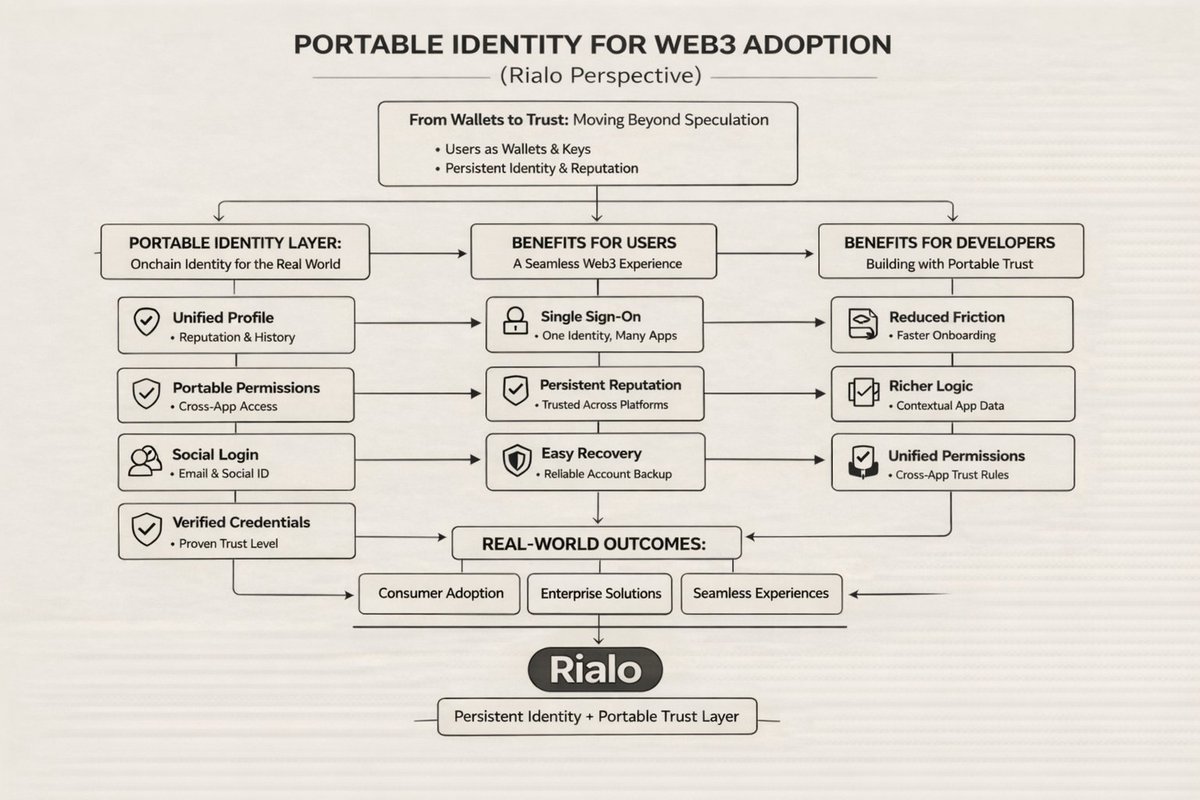
For developers this means less onboarding friction and richer app logic.
Apps can personalize experiences verify trust levels and coordinate permissions across services without sacrificing decentralization.
That opens the door to stronger consumer and enterprise use cases.
English
The next major unlock in Web3 may come from identity not speculation.
Most blockchains still treat users as wallets but real adoption needs persistent identity permissions and trust that can move across apps without rebuilding profiles every time.
@RialoHQ @RialoBangladesh
English




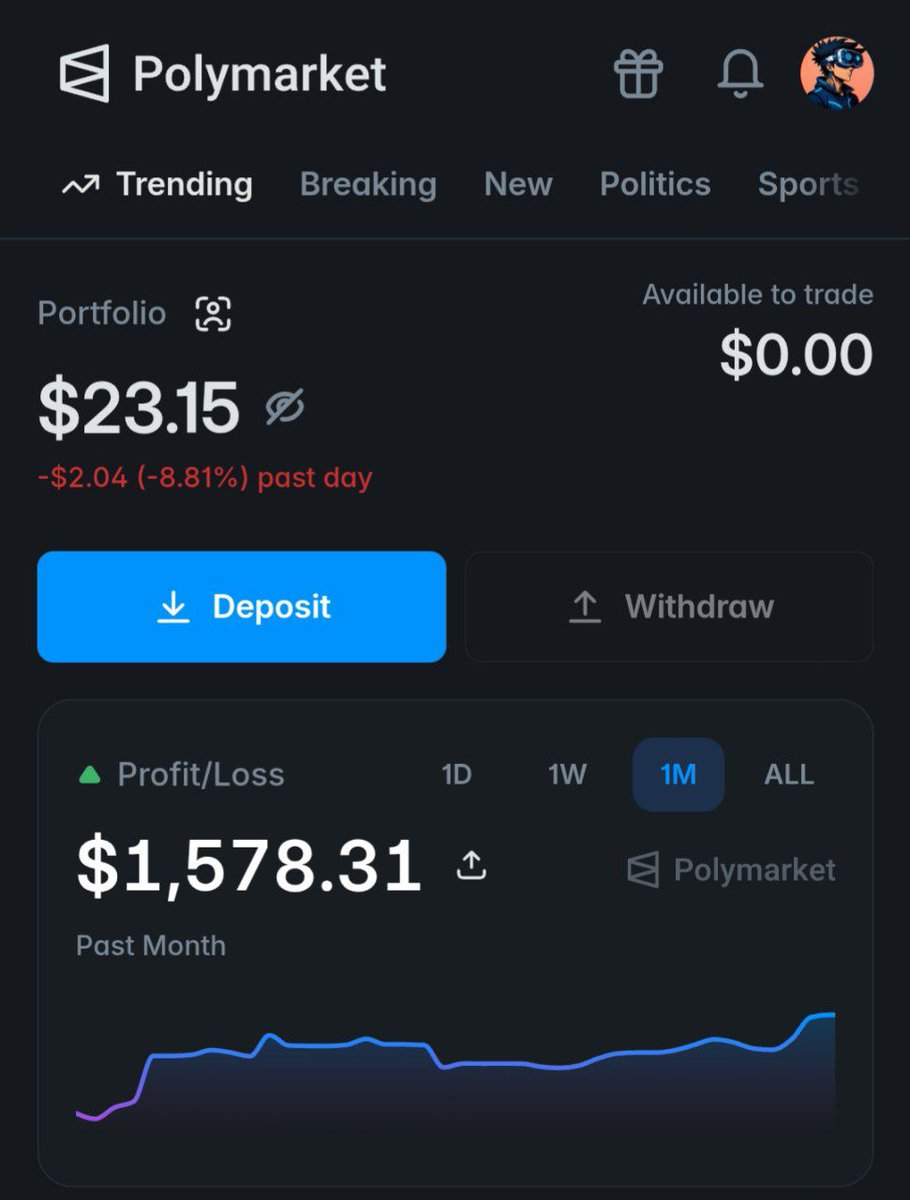
"Always Book Profit,Always...."
লাস্ট এক মাসের প্রফিট 1578$. কেচে পুচে উইথড্র করে নিলাম পুরো টাকা! একাউন্ট এ থাকলে মনে হবে জাস্ট ৪ টা সংখ্যা! হাতে নেওয়ার পর বুঝা যাচ্ছে এই ২ লাখ টাকার ভার কত!
@Polymarket যারা করেন সবার প্রতি সাজেশন থাকলো প্রফিট বুক করার। নাইলে আজকে দেখবেন ২ ডিজিট,কালকে ৩ ডিজিট,পরশু ৪ ডিজিট,তরশু একাউন্ট ফাকা! ধু ধু মরুভূমি!!
নতুন একাউন্ট এ ৩০০$ ঢুকাইসি। এবার এটা বড় করার পালা। দেখা যাক কতটুকু সফল হই✍️✍️✍️
বাংলা

I was scrolling through discord when I came across something interesting 👀
@RialoHQ just launched a monthly UGC content challenge, and it actually feels different from the usual campaigns.
Not about spamming posts or chasing numbers. It’s about creating something that actually makes sense, something User can learn from.
You can write about the @RialoHQ ecosystem, share insights, or break things down in your own way.
Even older content can be used if it still adds value. What stood out to me is this
quality matters more than quantity here.
So instead of rushing to post more, Im thinking of taking time and doing it properly.
If you are someone who likes to build, write, and explain things, this might be worth trying.
Lets see who really stands out ! 🫡

English

Good evening.
Today we’ll be discussing an important topic how privacy and accountability can coexist in modern systems, and why privacy doesn’t mean lawlessness.
Lets Explain:
The reality is more nuanced. Privacy, when designed correctly, is about protecting user data, ensuring control, and reducing unnecessary exposure. It does not remove the ability to enforce rules or maintain oversight.
This is where the idea of selective transparency becomes important. Systems can be built in a way where sensitive data remains private by default, but can still support audits, compliance checks, and verification when required. This approach allows both user protection and regulatory alignment to exist together.
Lawlessness, on the other hand, implies the absence of structure, accountability, and enforceable rules. Privacy does not aim to eliminate these, it aims to refine how and when information is shared.
So the real question is not whether privacy leads to lawlessness, but how we design systems that balance confidentiality with responsibility.

English
