
Mario Kušek retweetledi
Mario Kušek
3K posts

Mario Kušek
@MarioKusek
My field interests are: #IoT #java #programming #springBoot #TDD #distributedSystems #microservices #eventmodeling #edgecomputing
Zagreb, Croatia Katılım Ağustos 2010
299 Takip Edilen185 Takipçiler
Mario Kušek retweetledi

30 years ago today, the first version of Java was released. Java has become a cornerstone of modern computing. This incredible journey wouldn’t have been possible without the passionate people who’ve built this technology and contributed to this vibrant community. Thank you all!

English
Mario Kušek retweetledi

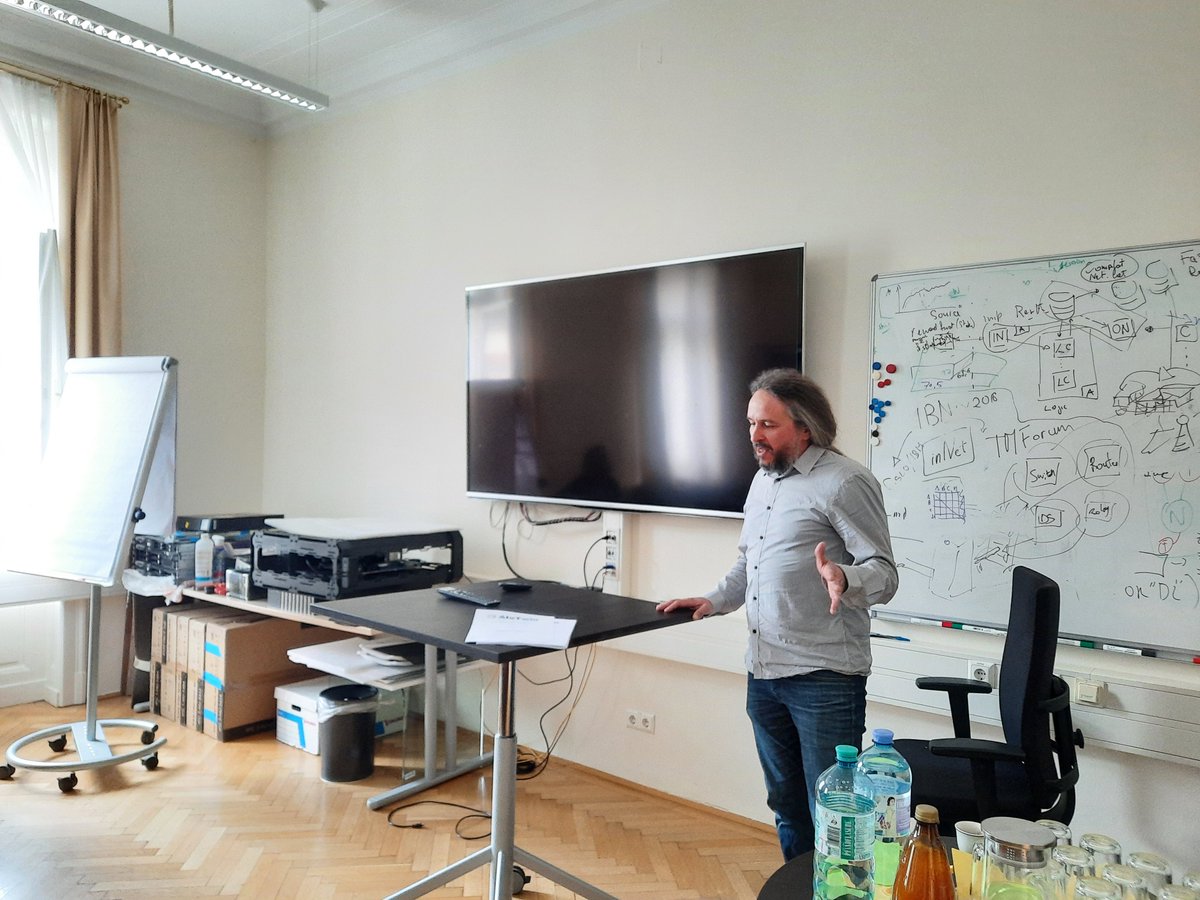
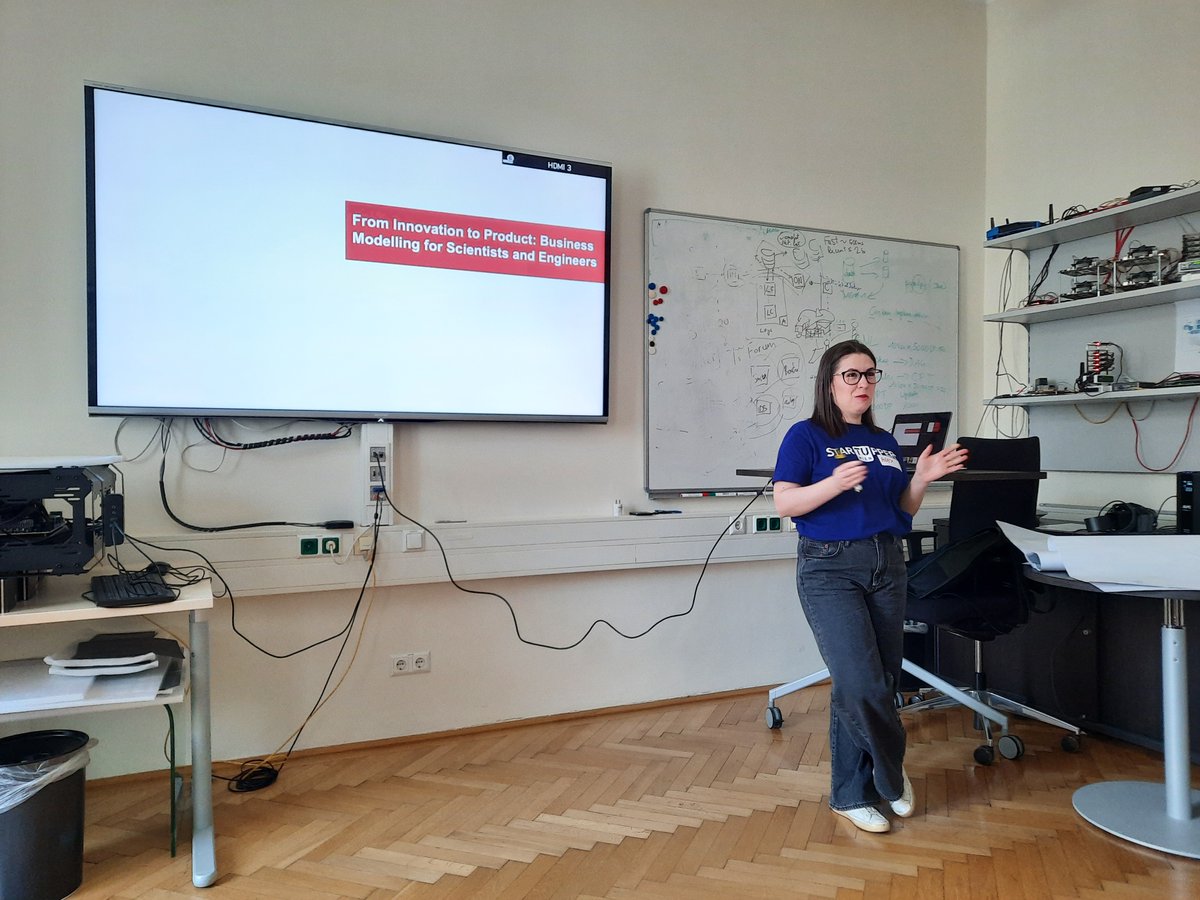
The #AIoTwin consortium met in Vienna at @tu_wien! Plenary meeting, workshop by @TUWi2c, PhD roundtable, tutorials, talks... find out all about it here: #news_154970" target="_blank" rel="nofollow noopener">aiotwin.eu/aiotwin/news?@…
#HorizonEU #innovation #OpenScience
@REA_research

English
@therealdanvega I would also like to have export and import so I can share it with others.
English

Mario Kušek retweetledi
Reflecting on Ivan Kralj’s exchange with @RISEsweden, collaborating on decentralized ML and Spatio-Temporal Graph Neural Networks with @lodo_1995 and S. Girdzijauskas!
#HorizonEU #innovation #OpenScience #research #AIoTwin
@fer_unizg @REA_research
youtu.be/JM3TcWY8nmk?si…
YouTube
English
Mario Kušek retweetledi
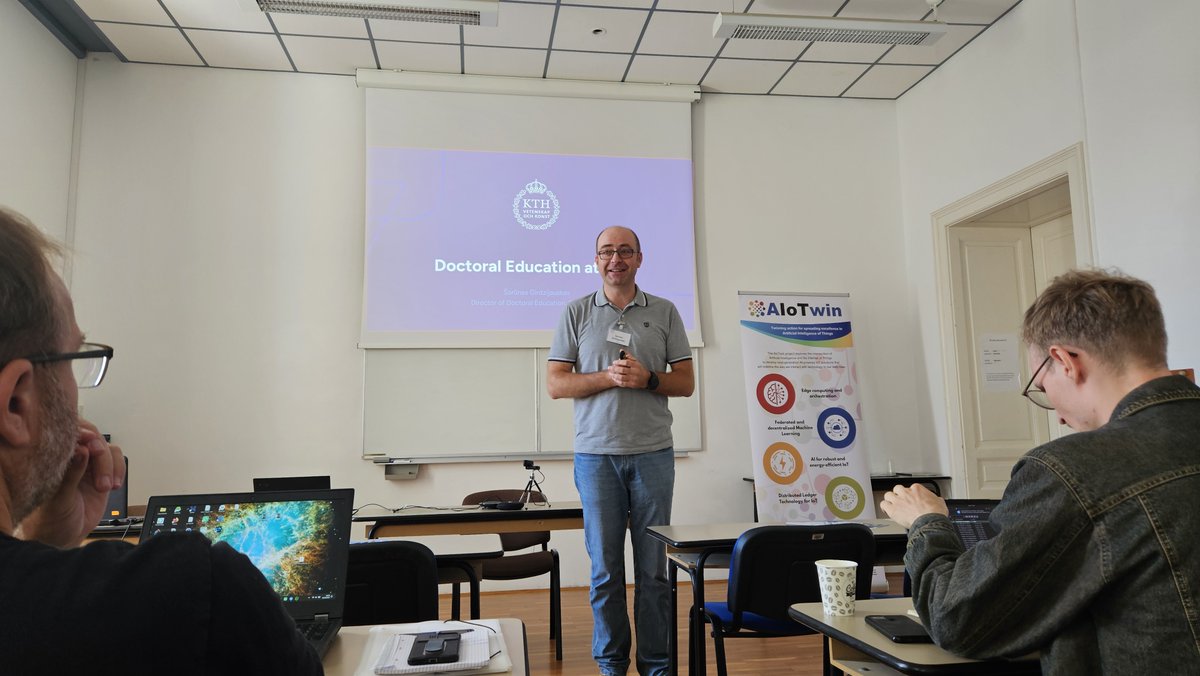
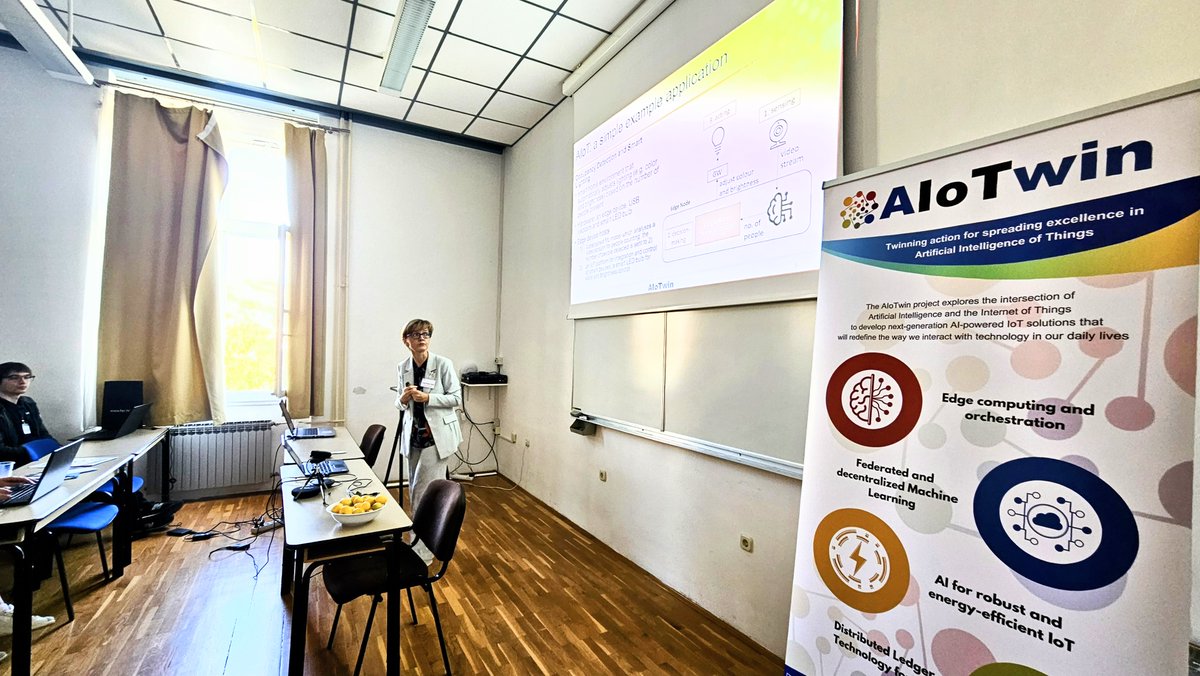
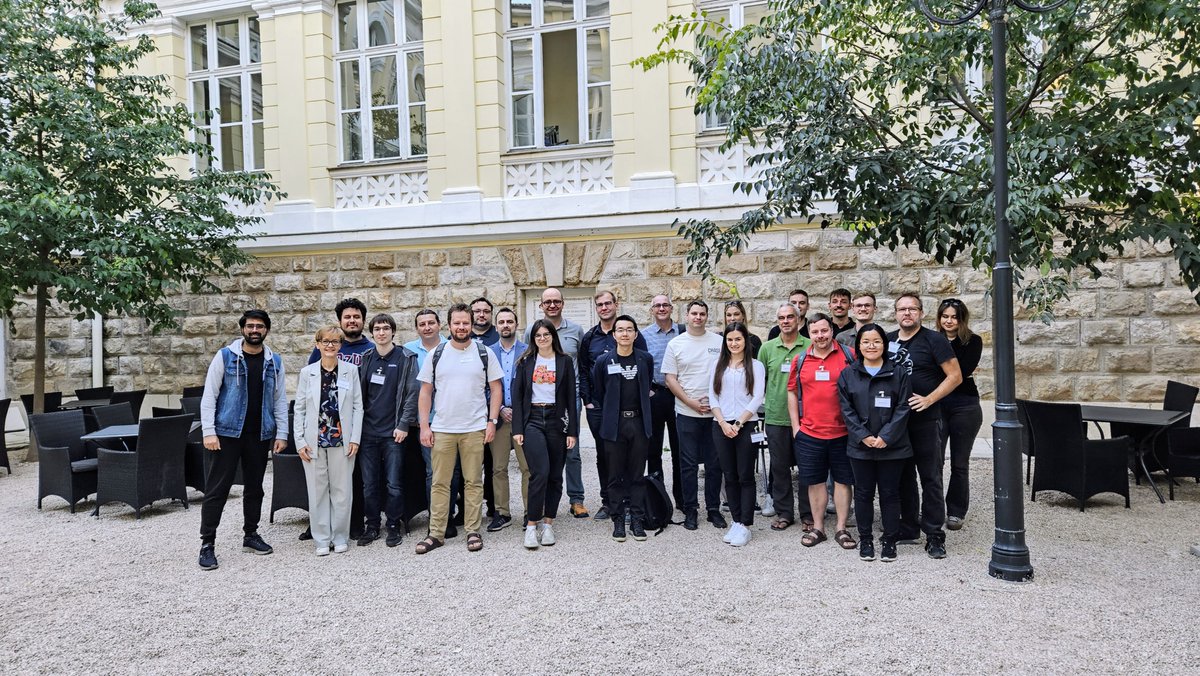
Yesterday we had an amazing start to the #AIoTwin Summer School! 😎
Check out what's on the agenda today: aiotwin.eu/aiotwin/activi…
#HorizonEU #innovation #OpenScience #research #SummerSchool #AIoTwinSummerSchool
@REA_research @TUBerlin @RISEsweden @tu_wien @fer_unizg

English
Mario Kušek retweetledi
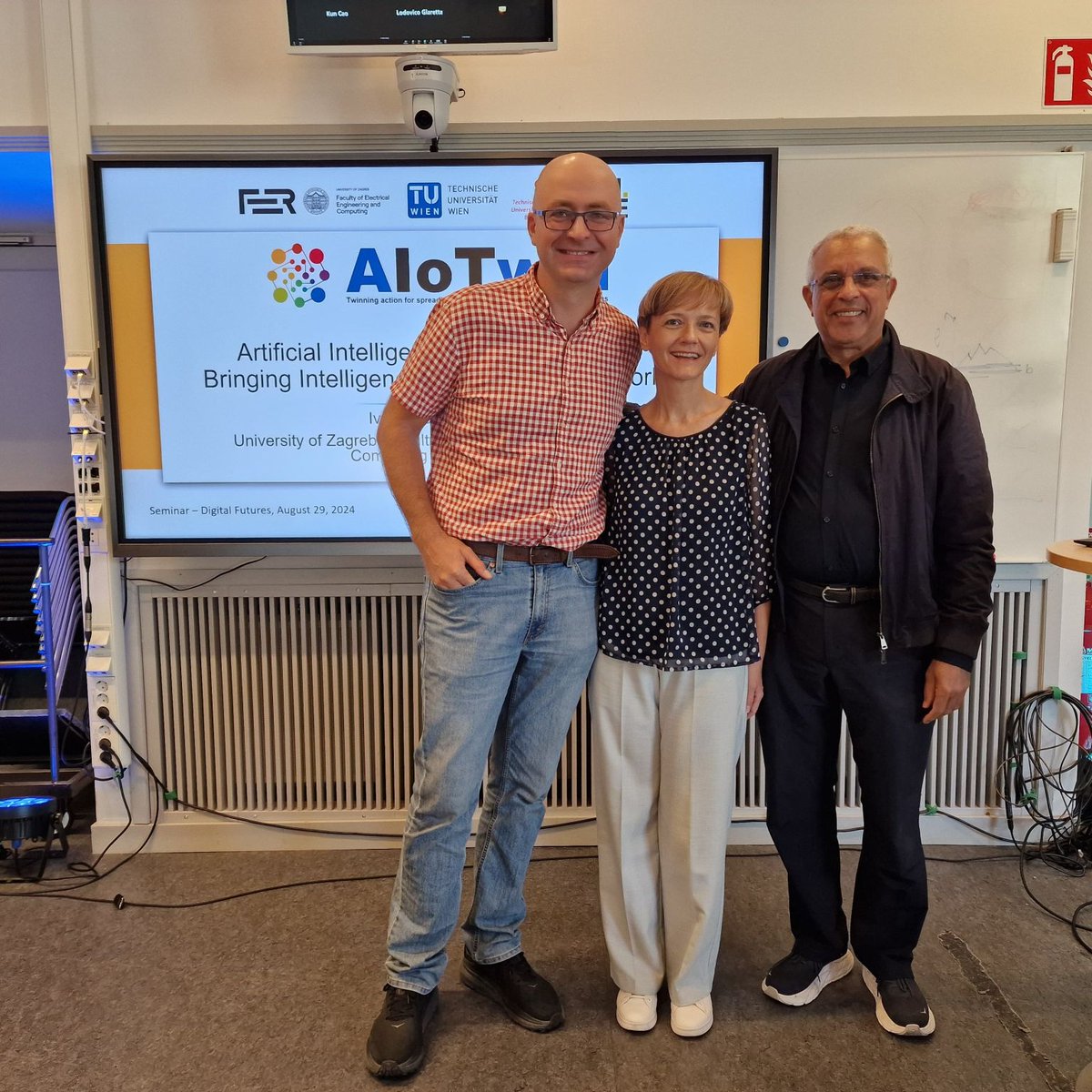
Prof. Ivana Podnar Žarko Shared Key Insights from the AIoTwin Project at @dig_futures!
Find out more about the talk and download the slides here: #news_154970" target="_blank" rel="nofollow noopener">aiotwin.eu/aiotwin/news?@…
#HorizonEU #innovation #OpenScience #research @REA_research @fer_unizg @RISEsweden
English
Mario Kušek retweetledi
Join us in Dubrovnik for the 2nd AIoTwin Summer School in collaboration with @SmartEdge_EU project!
Dive into IoT & AI with talks, tutorials, workshops, and more: aiotwin.eu/aiotwin/activi…
@REA_research @fer_unizg @TUBerlin @RISEsweden @tu_wien #OpenScience #research #HorizonEU

English
Mario Kušek retweetledi

#JUnit 5.11 is released!
🏟 FieldSource for param. tests
✨ Dynamic/param. test enhancements
🧹 AutoClose for test fields
🤖 ConversionSupport utility
💡 Extensible syntax for discovery selectors
🌀 Before/AfterSuite
🐞 Field/method search bug fixes
junit.org/junit5/docs/5.…
English
Mario Kušek retweetledi

📣 Raspisan je Natječaj za upis na Poslijediplomski sveučilišni doktorski studij 𝐄𝐥𝐞𝐤𝐭𝐫𝐨𝐭𝐞𝐡𝐧𝐢𝐤𝐚 𝐢 𝐫𝐚𝐜̌𝐮𝐧𝐚𝐫𝐬𝐭𝐯𝐨 u ak. god. 2024./2025. 💻💡🔢
🔗👉 bit.ly/4cH27C8
#UniZg #mojesveuciliste #doktorskistudij #elektrotehnika #računarstvo #PhD #FER

@alexboly I totally agree with you. As @unclebobmartin said either we will do our jobs professionally (you said grow up and take responsibility) or someone will regulate our job and impose rules that we will have to follow. Unfortunately I think we will be regulated.
English

The only reaction I can have right now to the #Crowdstrike incident is to repost an essay I wrote only a few months ago: mozaicworks.com/blog/programme…
English
@awkwardgoogle Game similar to space invaders which I need to type in Sinclair ZX81 when I wanted to play. The code was published in local (Croatia/Yugoslavia) magazine. I think it was in 1983
English
Mario Kušek retweetledi

TDD: You're doing it wrong... and it's probably NOT your fault.
John digs in.
industriallogic.com/blog/tdd-youre…
English
@jitterted @JavaCodeDaily Where in this long video starts conversion (refactoring)?
English

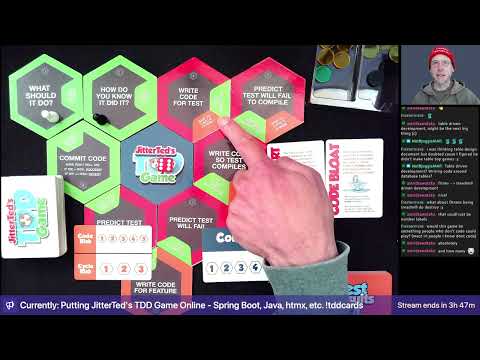
In this live coding episode (working on the online version of my TDD Game), I realize I meant to use #EventSourcing for the Game aggregate, but forgot. Bit the bullet and converted it over as a #Refactoring and encountered a Cmd-Query Separation issue.
youtube.com/watch?v=2ESC6M…
YouTube
English
English

I just released version 1.5 of Jilt, my open-source Java library for automatically-generating Builder classes!
Thanks to @alex_j_navarro, @AurelienMino and Diego Pedregal for their contributions!
github.com/skinny85/jilt
Detailed release notes are in the next Tweet 👇
English
Mario Kušek retweetledi

Java users on macOS 14 running on Apple silicon systems should consider delaying the update to macOS 14.4. For further information: social.ora.cl/6018kbMIo
English
Mario Kušek retweetledi

Problem: You want to get the last item in the array in JavaScript.
Solution: Array .at.

English
Mario Kušek retweetledi
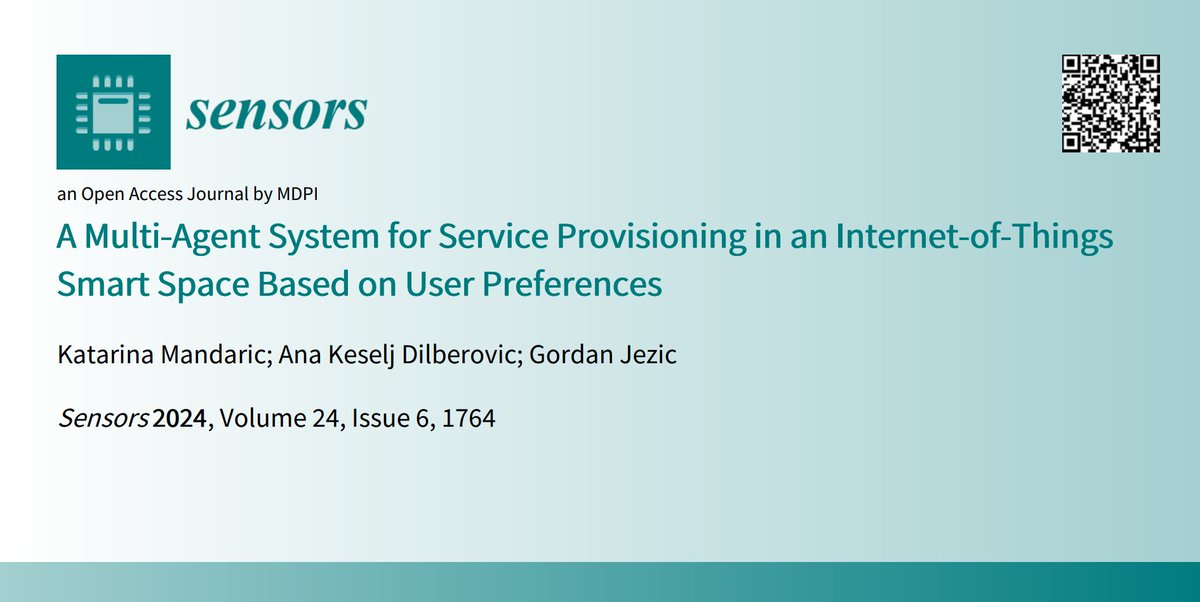
New publication 📯
The paper "A Multi-Agent System for Service Provisioning in an Internet-of-Things Smart Space Based on User Preferences" was published in the open access journal @Sensors_MDPI!
Find out more on the IoT4us project website: #news_131857" target="_blank" rel="nofollow noopener">iot4us.fer.hr/iot4us/en/news…
English
@bytebytego @alexxubyte Another question. How YouTube server in steps 9-… knows for which user it needs to ask that the user is authenticated?
English

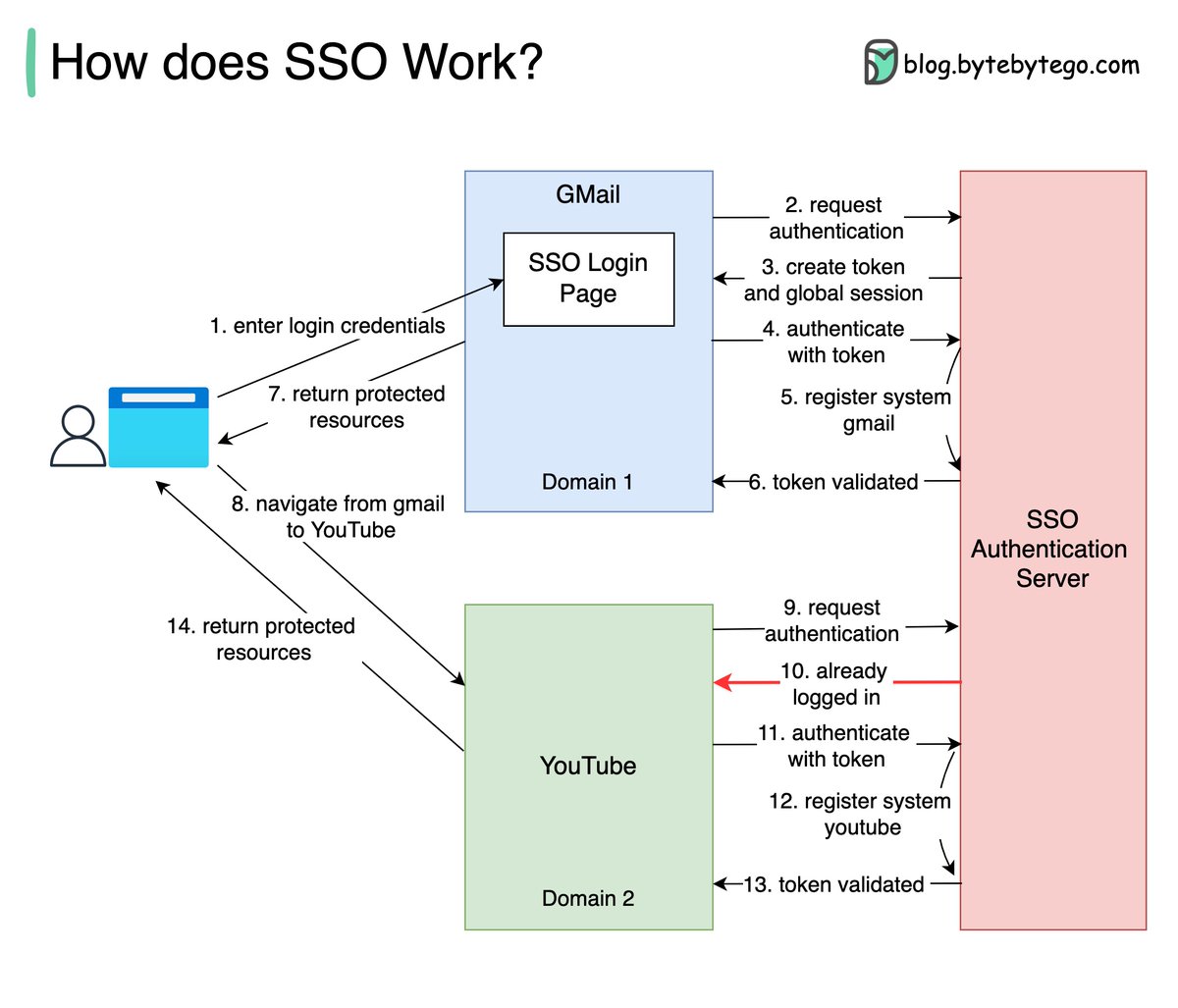
What is SSO (Single Sign-On)?
Single Sign-On (SSO) is an authentication scheme. It allows a user to log in to different systems using a single ID.
The diagram below illustrates how SSO works.
Step 1: A user visits Gmail, or any email service. Gmail finds the user is not logged in and so redirects them to the SSO authentication server, which also finds the user is not logged in. As a result, the user is redirected to the SSO login page, where they enter their login credentials.
Steps 2-3: The SSO authentication server validates the credentials, creates the global session for the user, and creates a token.
Steps 4-7: Gmail validates the token in the SSO authentication server. The authentication server registers the Gmail system, and returns “valid.” Gmail returns the protected resource to the user.
Step 8: From Gmail, the user navigates to another Google-owned website, for example, YouTube.
Steps 9-10: YouTube finds the user is not logged in, and then requests authentication. The SSO authentication server finds the user is already logged in and returns the token.
Step 11-14: YouTube validates the token in the SSO authentication server. The authentication server registers the YouTube system, and returns “valid.” YouTube returns the protected resource to the user.
The process is complete and the user gets back access to their account.
Over to you:
Question 1: have you implemented SSO in your projects? What is the most difficult part?
Question 2: what’s your favorite sign-in method and why?
–
Subscribe to our weekly newsletter to get a Free System Design PDF (158 pages): bit.ly/3KCnWXq
English