
Marty Martin

4K posts

Marty Martin banner
Marty Martin

Marty Martin

@MartinlabUSF

ecophys and disease ecology professor and co-host of the Big Biology podcast

Tampa, FL Katılım Eylül 2012
1K Takip Edilen1.2K Takipçiler
Marty Martin retweetledi
BigBiology
BigBiology@Big_Biology·
Nachum Ulanovsky says to understand how to study how an animal thinks, we need to try to understand what its like to be in its head (or wings) 🐭 🦇 By learning about the sensory world of a study species, scientists can better design more naturalistic studies.
English
1
1
1
111
Marty Martin retweetledi
BigBiology
BigBiology@Big_Biology·
Meet our most recent guest: Nachum Ulanovsky! Tune into our most recent episode “Neuroscience, naturally” to learn more about how neuroscience can be more naturalistic and lessons that can be taken from behavioral ecology and evolution. #bio #neuroscience #evolution #scicomm
English
0
1
0
125
Marty Martin retweetledi
BigBiology
BigBiology@Big_Biology·
Episode 146 “Neuroscience, naturally” is out now! ✨ In this episode, we talk with Nachum Ulanovsky, author of the book Natural Neuroscience: Toward a Systems Neuroscience of Natural Behaviors. bigbiology.substack.com/p/neuroscience…
English
1
1
1
121
Marty Martin retweetledi
BigBiology
BigBiology@Big_Biology·
Read the newest Big Biology blog based on our conversation with Dr. David Reznick, Distinguished Professor of Biology at the University of California, @UCRCNAS UC Riverside College of Natural & Agricultural Sciences (CNAS).
BigBiology tweet media
English
1
2
1
164
Marty Martin retweetledi
Itai Yanai
Itai Yanai@ItaiYanai·
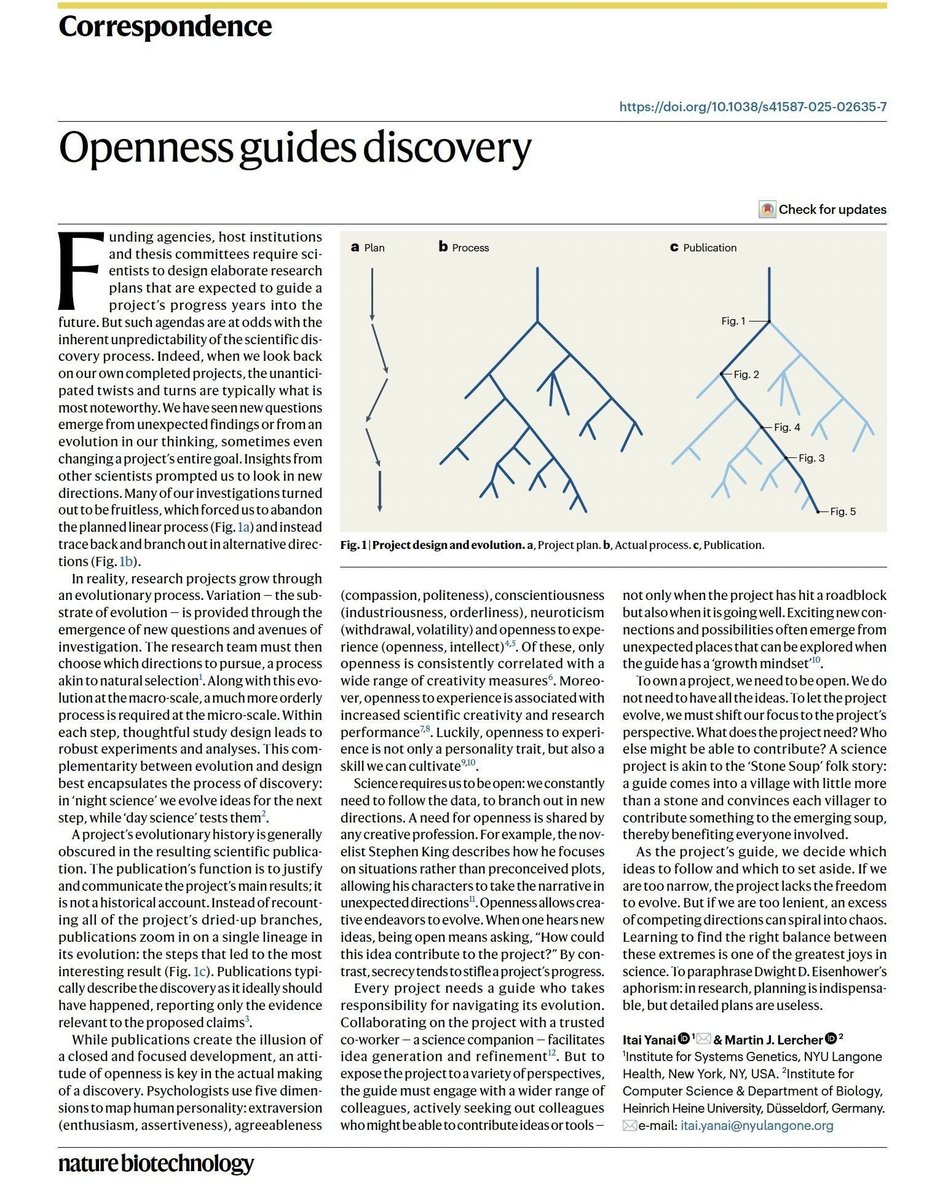
The 3 hardest things to learn as a scientist: 1. Trust the data.. especially when it’s not what you expected, 2. Trust the data.. allowing it to change your direction, 3. Trust the data.. but not too much: test with new data at every turn.
Itai Yanai tweet media
English
18
190
799
33K
Marty Martin retweetledi
BigBiology
BigBiology@Big_Biology·
Meet our most recent guest, David Reznick.
English
0
1
0
105
Marty Martin retweetledi
BigBiology
BigBiology@Big_Biology·
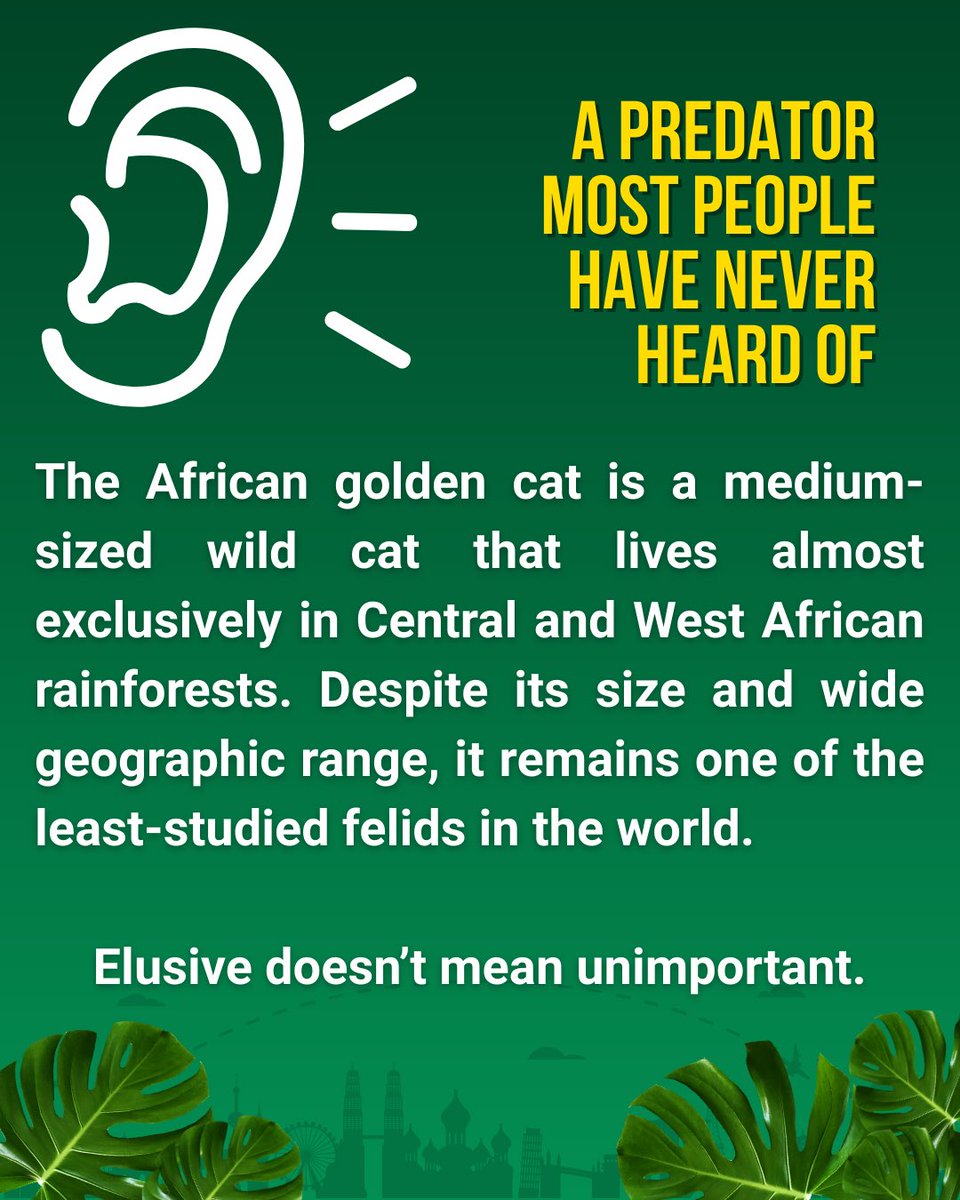
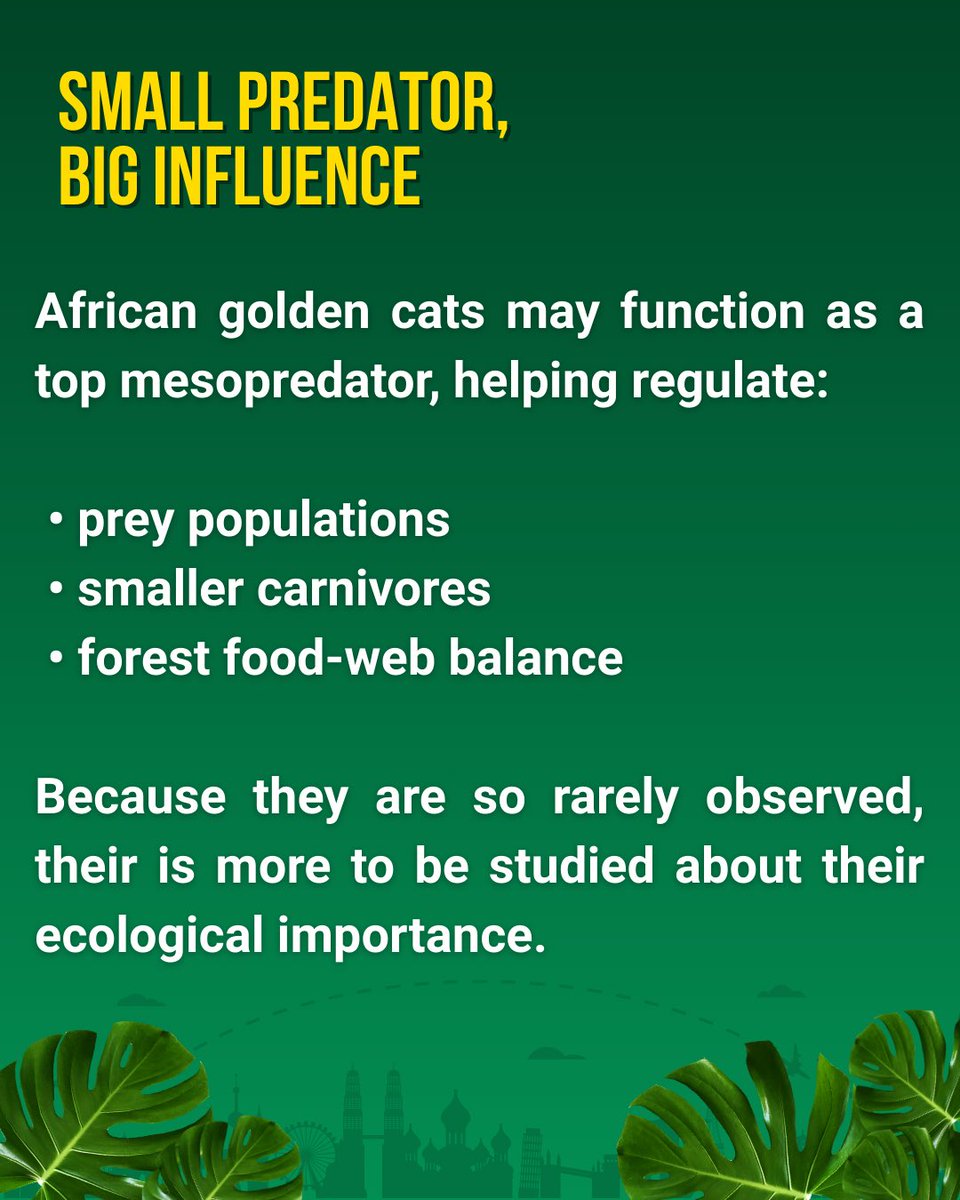
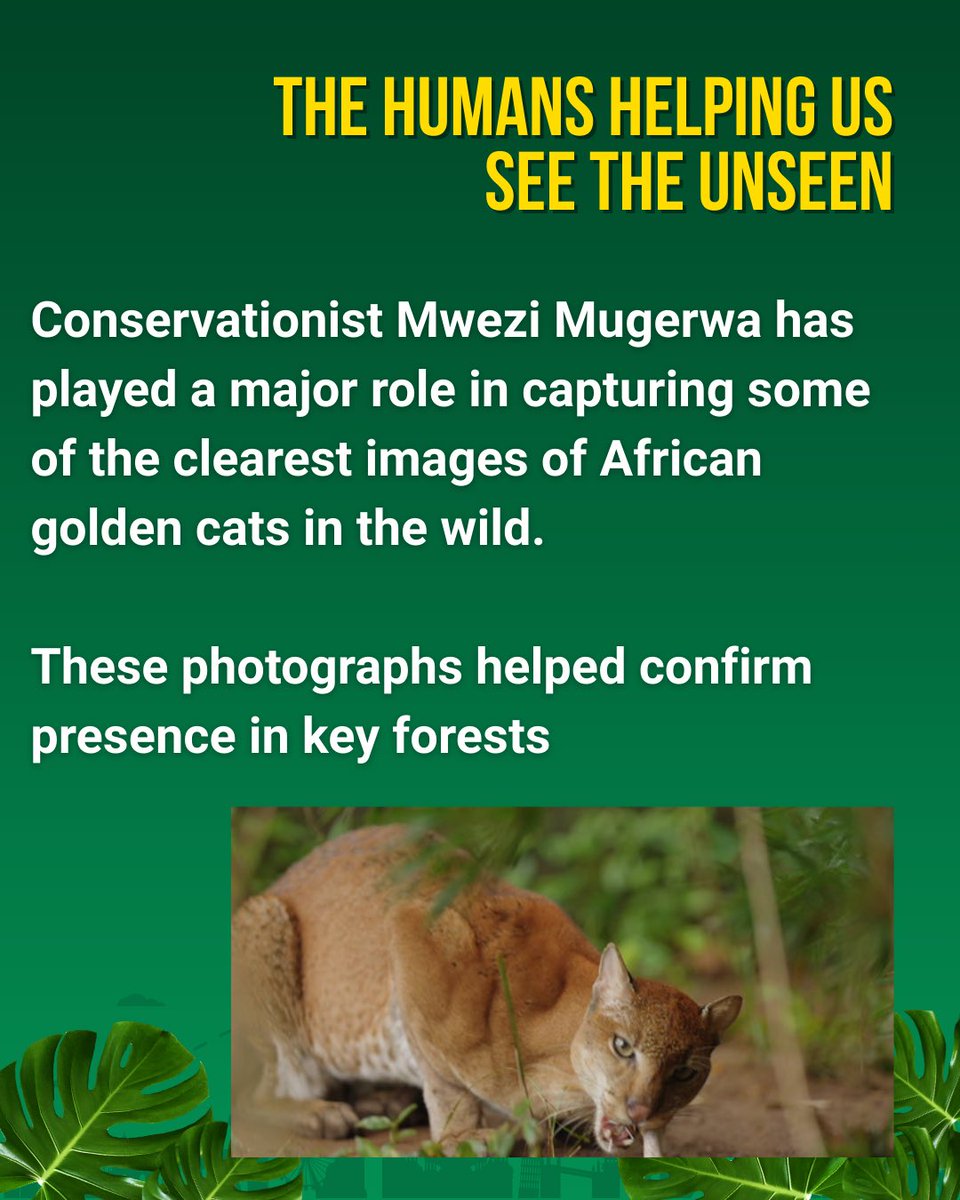
The African golden cat is one of Africa’s most elusive predators. Thanks to conservationists like Mwezi Mugerwa, we’re finally starting to understand consistent documentation of how they live.
BigBiology tweet mediaBigBiology tweet mediaBigBiology tweet mediaBigBiology tweet media
English
0
1
1
104
Marty Martin retweetledi
BigBiology
BigBiology@Big_Biology·
In this clip from an Indianapolis Prize video @IndyPrize, recent guest of Big Biology Mwezi "Badru" Mugerwa describes a conservation program to reduce bush meat hunting and help protect the African golden cat. 🐱
English
1
1
0
75
Marty Martin retweetledi
BigBiology
BigBiology@Big_Biology·
In our latest episode, guest Mwezi Mugerwa talks about why the communities living near Bwindi Impenetrable National Park didn’t initially trust conservatio. These communities saw people coming to the forest for the first time, cutting off their access for “conservation”.
English
1
1
0
32
Marty Martin retweetledi
Jonathan Haidt
Jonathan Haidt@JonHaidt·
If you're feeling powerless to do anything about the administration's assault on American values (and alliances, and rights...) Scott Galloway is orchestrating a way to apply economic pressure by unsubscribing to services from specific companies. resistandunsubscribe.com
English
61
224
695
82.2K
Marty Martin retweetledi
Uri Alon
Uri Alon@UriAlonWeizmann·
Lifespan is 50% heritable, twice previous estimates! In our new paper out today in @ScienceMagazine , we used mathematical modeling to remove extrinsic mortality, and validated with new twin data.
Ben Shenhar@BShenhar

Our new paper on reassessing the heritability of human lifespan is out in @ScienceMagazine! 🧬 For decades, the consensus has been that genetics explains just 20–25% of lifespan differences. We found that after accounting for extrinsic mortality, that number jumps to ~50%. A 🧵

English
16
104
557
104.4K
Marty Martin retweetledi
Oded Rechavi
Oded Rechavi@OdedRechavi·
Like the genetic code, bitcoin, or national borders, our current methods for evaluating science are a "frozen accident": things that were formed from historical circumstances rather than careful design, and that persist not because they are optimal (or even good), but because replacing them is extraordinarily difficult. That’s why we are building q.e.d. Science evaluation should be totally different. In the universe (and university) we’re imagining, you pressure-test your work as you go along, whether it’s a manuscript, a grant, a raw result, or an experimental idea. Our q.e.d platform flags weak claims, missing evidence, and logical gaps. Then, when you choose to share your work with the world, if it comes with a “q.e.d inside,” it’s trusted, and other scientists can confidently build upon it. If you’re writing something right now, or if you’re reading something you want to evaluate (or understand), upload the PDF or Doc and see what breaks.
GIF
English
2
14
48
10.3K
Marty Martin retweetledi
BigBiology
BigBiology@Big_Biology·
Is the structure of amino acid codes like RNA completely arbitrary? 🧬 Biochemist and Author of “The Vital Question”, Nick Lane says probably not. He suggests that the physical chemistry of amino acids may be behind the structure of the code.
English
2
1
3
123
Marty Martin retweetledi
Cedric Zimmer
Cedric Zimmer@cedzimmer·
New paper on the link between FKBP5 expression and risky foraging in house sparrows. Low FKBP5 expression is associated with increased risk taking. Also confirming correlation between blood and HPA axis regulatory regions expression with @MartinlabUSF sciencedirect.com/science/articl…
English
0
2
3
139
Marty Martin retweetledi
Oded Rechavi
Oded Rechavi@OdedRechavi·
@grok @X I don't need to use threads, polls, and collaborations to boost reach. Before the algorithm broke most of my tweets were viewed by millions of people, and I posted the same content. It's the algorithm. If @x wants scientists here, fix it.
English
1
6
64
3.1K