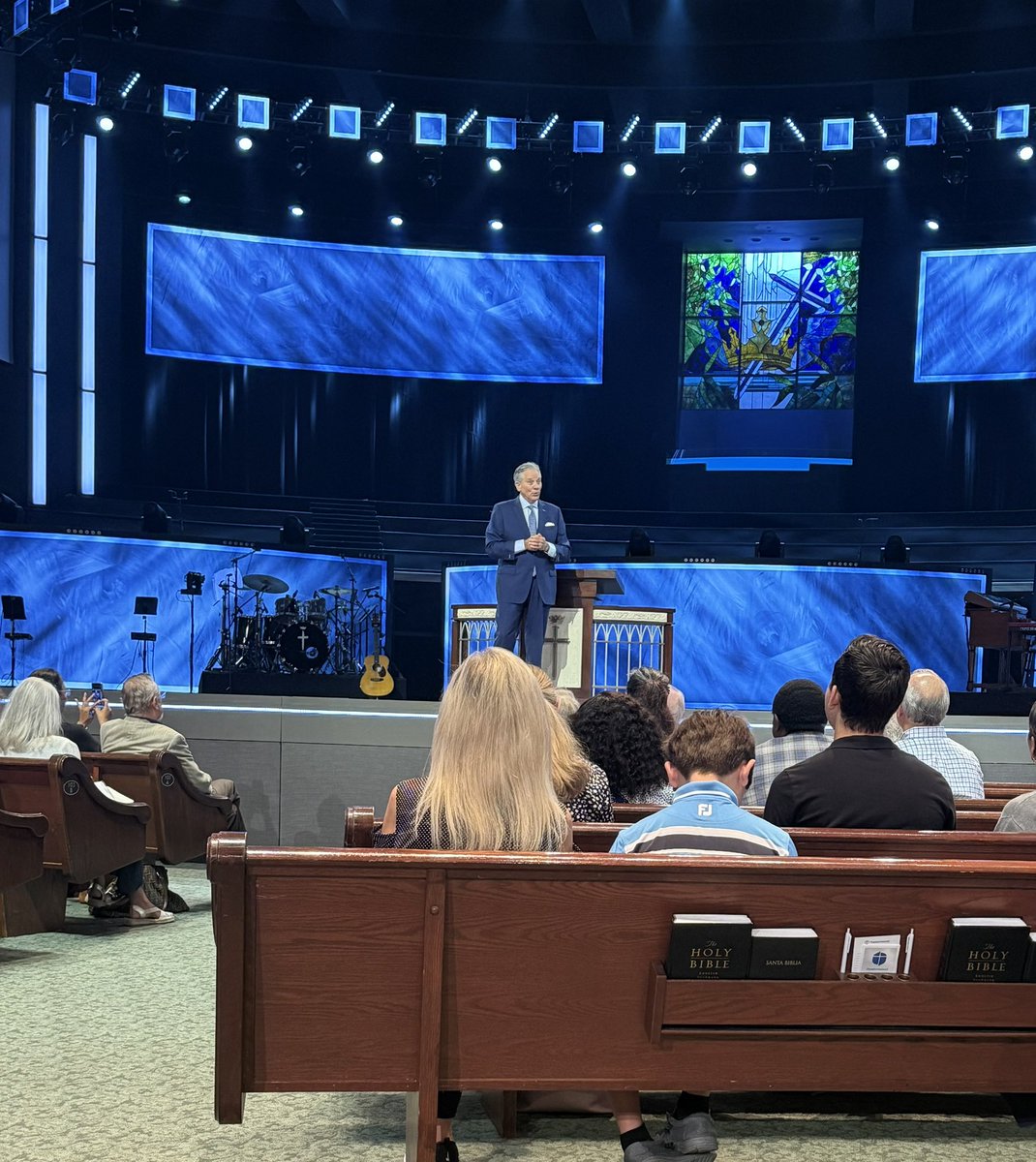
Great resource now available! Here’s my latest blog post about it! @Real_Momentum @KeithABoggs
mattalexander.org/2026/03/26/hel…
English
Matt Alexander
2.9K posts

@MattAlexander73
Christ Follower, Husband, Daddy, Church Planter-Lead Pastor of Fusion Church of Madison, Ga.


Five Things Every Pastor Must Remember About Preaching (Because God still uses preaching to change lives.) There’s no greater joy—and no greater weight—than standing before God’s people with an open Bible and a word from the Lord. Every pastor wears many hats, but none is as central, as visible, or as eternally consequential as preaching the Word of God. In a day when pastors are expected to be CEOs, content creators, cultural commentators, and crisis counselors, it’s easy for preaching to become just another item on the weekly to-do list. But that would be a tragic mistake. God didn’t call you primarily to manage systems or attend meetings. He called you to preach. As Paul told young Timothy: “Preach the word! Be ready in season and out of season. Convince, rebuke, exhort, with all longsuffering and teaching” (2 Timothy 4:2, NKJV). If you're going to be the kind of pastor God uses to change lives and lead a church forward, you’ve got to take the pulpit seriously. Here are five things every pastor must remember about preaching. 1. Preaching Is the Pastor’s Primary Responsibility When you’re called to be a pastor, you’re called to be a preacher. Not a presenter. Not a performer. Not even a professor. A preacher. You may be a great leader, counselor, or organizer, but if you don’t feed the flock, you’re failing at the most foundational part of your calling. It’s not just what you do—it’s who you are. You’re a man with a message. And the church you shepherd will never outgrow your pulpit. Churches tend to rise or fall to the level of their preaching. Principle: If you want to lead your church well, preach the Word faithfully. 2. Preaching Deserves Your Best Time and Energy You don’t prepare sermons in the leftover corners of your week. Preaching is too important to be crammed in between meetings, hospital visits, and emails. If you wait until everything else is done, you’ll never have the time—or the clarity—you need to prepare well. Block it off. Guard it. Prioritize it. Let your people and staff know: This matters. The pastor’s study should be filled with books, prayer, and holy wrestling. Adrian Rogers once said, “The Bible is not meant to be a substitute for study, but a stimulus to study.” Preaching isn’t just output. It’s overflow. Daily habit: Give your best hours to sermon preparation—not your leftovers. 3. Preaching Begins in the Secret Place You can’t preach powerfully in public if you’re not meeting with God in private. A sermon isn’t a speech—it’s a sacred stewardship. God isn’t looking for eloquence or entertainment. He’s looking for a clean vessel. A surrendered life. The most effective sermons are the ones that have already been lived out in the life of the preacher. They’ve been prayed through, wept over, and soaked in the Scriptures before they ever make it to the pulpit. As E.M. Bounds said, "A prepared heart is better than a prepared sermon.” 4. Preaching Should Be Both Expository and Evangelistic Biblical preaching is expository preaching—it explains the text, exposes sin, and exalts the Savior. But don’t stop there. Preaching must also be evangelistic. Every message should draw a line to the cross and invite people to respond to Jesus. You’re not just presenting information. You’re calling for transformation and giving and invitation. Whether you’re in Genesis or Revelation, Sunday morning is still the best hour of the week for someone to hear the Gospel and be saved. Don’t miss it. Be clear. Be bold. Be urgent. Question: If someone walked into your church and heard your sermon this Sunday, would they hear enough Gospel to know how to be saved? 5. Preaching Changes Lives—But Only by the Power of the Spirit You can outline every point, illustrate every truth, and land every line—but without the Holy Spirit, your sermon is just words. The real preacher in the room is the Spirit of God. He alone convicts hearts, opens eyes, and draws sinners to the Savior. So preach your guts out. Study hard. Work the text. Polish the delivery. But when Sunday comes, get on your knees and ask God to breathe on it. What we do is supernatural, or it’s nothing at all. Remember what Spurgeon used to say as ascended the steps to the pulpit at the Metropolitan Tabernacle. He would quietly repeat to himself with each step: “I believe in the power of the Holy Spirit.” Application: Trust the process, but more than that—trust the power of the Holy Spirit to change lives. Bonus: A Final Word to the Preacher Don’t lose heart. You may not always see the fruit, but keep sowing the seed. The Lord of the harvest is still at work. Some Sundays, it will feel like revival. Others, like resistance. But every time you open that Book and proclaim its truth, you’re pushing back the darkness. So, preach when they lean in. Preach when they drift off. Preach when it’s easy, and preach when it’s war. Preach the Word. Because God still uses preaching to save the lost, strengthen the saints, and stir the church. Your church doesn’t need a celebrity. It needs a pastor with a open Bible and a burning heart. So stand up. Speak out. And don’t ever get over the wonder that God has called you to preach. #preaching #pastor #expositorypreaching #textdrivenpreaching #pastorlife #evangelism