Matt retweetledi
Matt
129.1K posts

Matt
@Mattb636
Super awesome at heaps of stuff thats tops.
Sydney, Australia Katılım Kasım 2009
3.3K Takip Edilen754 Takipçiler
Matt retweetledi
Matt retweetledi

Serbian Ethnic Engineering
During the Kingdom of Yugoslavia (1918-1941)
Slavonia and Vukovar
Serbian colonisation was part of the Kingdom’s policy during the interwar period, though the actual demographic impact on the town of Vukovar itself was more modest than in surrounding rural areas.
The Kingdom implemented a major agrarian reform and internal colonisation programme starting in 1919.
This was explicitly used as a tool of ethnic engineering to increase the Serbian population in strategic border regions.
The Interim Decree on Agrarian Reform (25 February 1919) expropriated large estates and redistributed land, giving preference to Royal Serbian Army volunteers and supporters of the Yugoslav authorities.
Internal colonisation was declared an integral part of the reform because it was necessary to strengthen the "national element"—meaning Serbs—in ethnically mixed areas.
The colonisation process was designed to favour "nationally conscious," "reliable men"—primarily Serbs.
Approximately 76% of all colonists came from Serbia and Montenegro
with another 11% from Bosnia and Herzegovina.
Vukovar and the wider Vukovar district held special significance for Greater Serbian ideology. The area, along with all of Slavonia, was considered part of what constituted the idea of Greater Serbia.
The town became a focal point for Chetnik associations.
Given Vukovar's population structure (primarily Croats and other non-Serbs) and strategic location along the Danube, the Chetniks had a special mission to pave the way for Serbianization of the area.
In 1925, Belgrade's central Chetnik administration founded twelve branches in Vukovar numbering more than 300 members.
These associations penetrated all bodies of local administration and police forces, where members often held key positions.
According to historical research approximately 8,000 Serbs were colonised into the Vukovar area between 1918 and 1941, most arriving on a voluntary basis.
In Croatia-Slavonia as a whole, approximately 40,000 colonists immigrated to Slavonia during this period.
The areas obtained through agrarian reform were distributed to Serbian volunteers (from the Thessaloniki front) and to the general population from Serbian regions.
Employment in state institutions also favoured supporters of the regime.
However, the colonisation impact appears more limited:
Serbian Population Growth (1910-1931)
Percentage point increase -+0.9%
Croatian Population Growth (1910-1931)
Percentage point increase - +10.1%
Croats actually grew 5.1 times faster than Serbs in Vukovar during this period.
The agrarian reform primarily affected rural areas rather than urban centres like Vukovar town,
The land distributed was agricultural land from expropriated large estates, which benefited rural colonists.
The 8,000 Serbian colonists settled throughout the wider Vukovar district, not just the town itself.
The most dramatic change in Vukovar's ethnic composition during the Kingdom of Yugoslavia period was actually the decline of the German population.
The colonisation policy was much more aggressive in other regions.
Vojvodina - 222,707 hectares distributed to 100,004 families, increasing the Serbian proportion from 34% to 38% between 1910 and 1930
South Serbia (Kosovo) - Half of all distributed land went to Serbian colonists; Albanian population nearly halved between 1918-1921
Bosnia and Herzegovina 1,175,305 hectares expropriated, accompanied by widespread violence against Muslim populations
The political and ideological significance was substantial though.
Suppress the Croatian national movement led by the Croatian Peasant Party
Establish Serbian political control through Chetnik organisations
Advance the Greater Serbian vision that viewed Slavonia as inherently Serbian territory
Create "facts on the ground" through demographic engineering
This heightened tensions between Croats and Serbs that would have its consequences in WW II and again in 1991.

English
Matt retweetledi

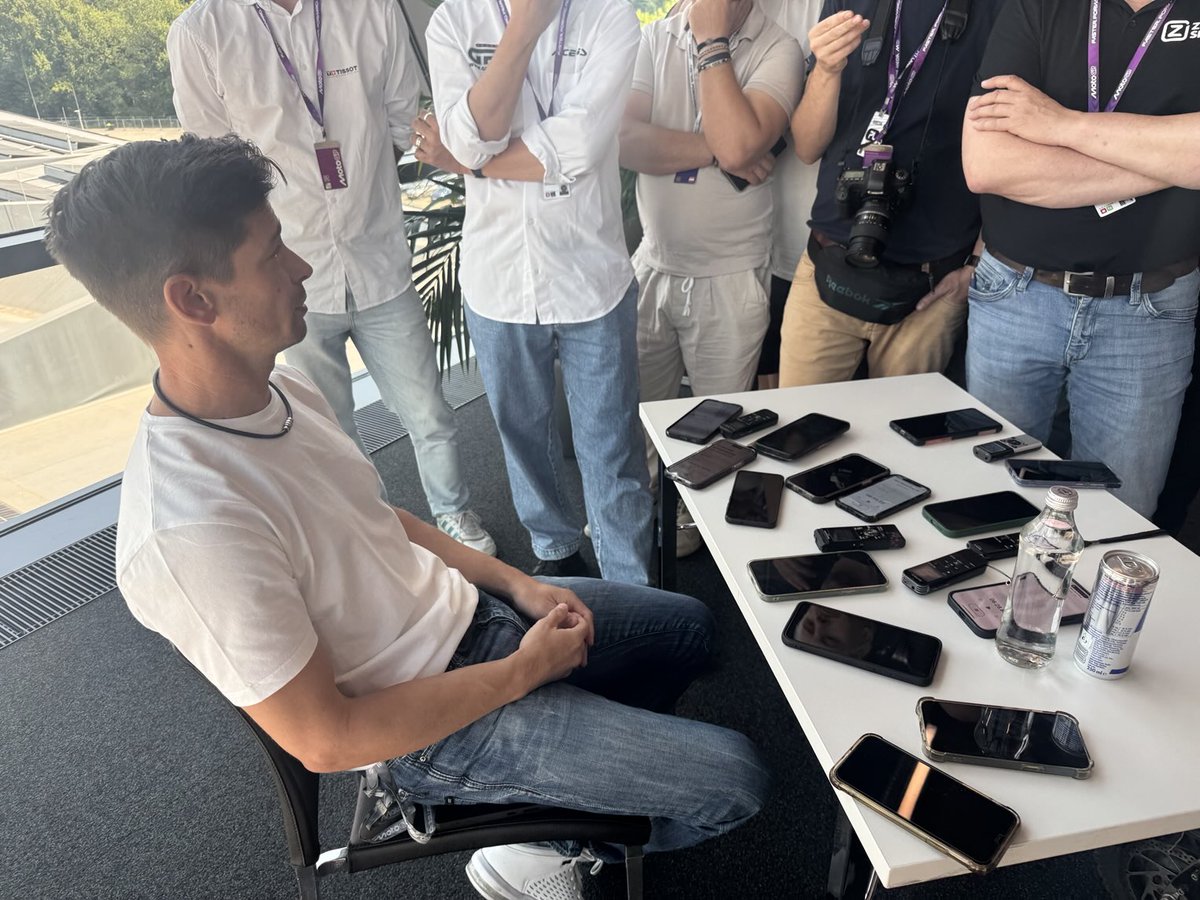
Pit lane chat with Casey Stoner this morning - both unhappy with the increasing number of hoops the riders are being made to jump through each weekend. They're more and more being treated like circus animals. The fact that two riders contesting Dorna/Liberty championships have been killed in the last 2 months doesn't seem to bother those in charge

English
Matt retweetledi

Our cameraman, Joao, avoiding @37_pedroacosta's bike impact is probably the most shocking video you'll see today! 😮
We're so glad to see he's ok! 🙏
#HungarianGP 🇭🇺
English
Matt retweetledi
Matt retweetledi
Matt retweetledi
Matt retweetledi

@fesshole Poundshop Shakespeare?
For verily I will unload my love-squirts!
Is this a mutton dagger I see before me?
English
Matt retweetledi
Matt retweetledi
Matt retweetledi

Matt retweetledi

he willingly did the bidding of the NSA, nuked most of the big independent media pages in 2016 (incl the Free Thought Project), and has been a very willing censor well before covid (but also during).
he's not exposing shit, as this was a government policy that has been known for some time and facebook censored information critical of covid policy under both trump and biden.
Benny Johnson@bennyjohnson
🚨BREAKING: Mark Zuckerberg EXPOSES that the Biden administration pressured Facebook to censor posts on vaccine side effects. “They basically pushed us and said anything that says vaccines might have side effects you basically need to take down.”

English