Umamaheshwari Shreedhar retweetledi
Umamaheshwari Shreedhar
42.7K posts

Umamaheshwari Shreedhar
@MatungaMami
I'm a Tam-Bram living in Matunga, Mumbai. Coz of Modi I'm in X. I've 8 videos in YouTube with Eng subtitles on my experiences with Kanchi Maha Periyava. Link 👇
Katılım Şubat 2014
5 Takip Edilen3.1K Takipçiler

@Fintech03 What a legend! I had no idea about the,ayurvedic medicine in Vicco vajradanti tooth paste had such a deep meaning...I use them regularly and I dont buy Colgate etc..and no cosmetics ..so no vicco turmeric as well !
English
Umamaheshwari Shreedhar retweetledi

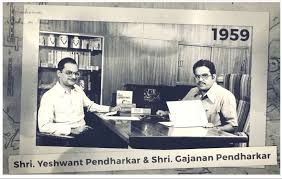
The name sounds British, but it is actually a purely Indian acronym. In 1952, a 55 yr old grocery store owner from Nagpur named Keshav Vishnu Pendharkar decided to shut down his shop, pack up his family of 10 children, & move to Bombay. He wanted to create a chemical-free, swadeshi alternative to the foreign cosmetic brands that were ruling post-independence India.
He started his business in a tiny, cramped godown in Parel, Bombay. He named his company after his father: Vishnu Industrial Chemical Company. V-I-C-C-O. There was no British Lord or foreign laboratory. It was just a middle-aged Marathi man & his sons working out of a shed with a dream to revive ancient texts.
Keshav Pendharkar’s brother-in-law held a basic degree in Ayurveda. Together, they huddled over ancient scripts & formulated a tooth-cleaning powder made from 20 rare herbs & barks (including Babool, Bakul, & Neem).They called it Vajradanti.
In the 1950s, urban Indians were rapidly switching to chemical, white, sweet-tasting toothpastes imported by MNCs like Colgate. When the Pendharkers tried to sell a brown, astringent Ayurvedic powder, shopkeepers laughed them out of their stores. Keshav & his sons refused to surrender. They literally walked the streets of Bombay, going door to door to hand out samples, educating people on how chemical foam was destroying their gums, & manually building their empire 1 household at a time.
In 1971, Keshav passed away, & his son, Gajanan Pendharkar, took over. Gajanan looked at the skincare market & saw it was utterly dominated by colonial-legacy snow creams like Afghan Snow, Pond's, & Nivea. All of them were stark white. Gajanan decided to launch a face cream containing Turmeric (Haldi) & Sandalwood oil. When the product launched, shopkeepers panicked. They screamed, "Baap re! If women put this on their faces, it will turn them yellow!" Nobody wanted to buy a yellow cream because the world had been conditioned to believe that beauty products had to be white.
The Pendharkars weaponized the traditional Indian wedding ritual of Haldi-Chandan. They sent salesmen into the markets armed with handheld mirrors. The salesmen would manually apply the cream onto the shopkeepers' faces right then & there to prove it absorbed completely into a vanishing base, leaving a glow w/o any yellow stains. If you remember the iconic jingle: "Vicco Turmeric, Nahi Cosmetic, Vicco Turmeric Ayurvedic Cream"... you should know that those words were not just a clever marketing tagline. They were a battle cry born from a massive legal warfare.
In 1975, the Central Excise Department of India dropped a bombshell on Vicco. They insisted on classifying Vicco Turmeric & Vajradanti as "Cosmetics." If classified as cosmetics, the govt could levy a crippling 105% luxury tax on the products, which would have priced Vicco completely out of the market & forced them into bankruptcy. The Pendharkars refused to pay. They argued that their products were manufactured under a formal Drug License & were Ayurvedic Medicines (Drugs), which attracted significantly lower taxes.
This was not a minor dispute; it turned into a historic, grueling 25 yr legal battle. The case climbed all the way up to the Supreme Court of India. While battling global giants in the market, the family spent their resources fighting their own govt in courtrooms for ~3 decades. Finally, in the 2000s, the Supreme Court ruled in favor of Vicco, legally decreeing that their products were indeed medicinal, cementing the truth of their tagline forever.
How did a homegrown brand from a Parel godown become globally famous? Through sheer marketing brilliance before the internet existed. In the 1980s, South Asian immigrants abroad were obsessed with watching Bollywood movies on rented VHS video cassettes. Gajanan Pendharkar realized this & started buying ad space directly inside the video cassettes distributed globally.
Long before foreign networks recognized Indian brands, families in the US, UK, & Middle East were singing along to the Vajradanti jingle before their favorite movie started.
Despite controlling a multi-million dollar empire, the house had only 1 giant mega-kitchen. Every single meal was cooked in massive industrial-sized pots, & the entire family sat on the floor together to eat. Gajanan believed that if the family broke bread separately, the business would fracture into pieces.
In the early decades, the sons & grandsons who worked for Vicco did not get individual corporate salaries/luxury allowances. The company took care of all household expenses centrally. If a family member needed a car/a dress/a medical trip, it was cleared by the family elders, ensuring that personal greed could never overtake the company's mission.
Vicco did not survive because it was backed by British capital/Western tech. It survived because an Indian family was willing to go door to door with brown tooth powder, rub yellow cream onto skeptical faces, & spend 25 yrs in court defending the scientific validity of Ayurveda. The name might sound like a colonial legacy, but the blood inside the tube is Sampoorna Swadeshi.


English
Umamaheshwari Shreedhar retweetledi

It is good if suffering comes to devotees. The dhobi [washerman], when washing clothes, beats them hard against a rock. But he does so only to remove the dirt from the clothes.
Similarly, all sufferings are given for the sole purpose of purifying the mind of the devotee. If we are patient, happiness will follow.
~~
Sri Bhagavan

English
Umamaheshwari Shreedhar retweetledi

The carved wooden doorway of the Lakshana Devi Temple in Himachal Pradesh, India is approximately 1,350 to 1,400 years old.
The door at Westminster Abbey, London is 970 years old.

Carlos That Notices Things@QuetzalPhoenix
This door in Westminster Abbey, London is: Older than the Incan empire Older than the Aztec empire Older than the Maori in NZ Older than the Zulu in SA Older than the Lakota in the Plains Older than Islam in India Older than the Turks in Turkey Older than Horses in America
English
Umamaheshwari Shreedhar retweetledi

The entire civilisation thanks you for getting us back the Bhojshala, @Vishnu_Jain1 and @adv_hsjain.
English
Umamaheshwari Shreedhar retweetledi

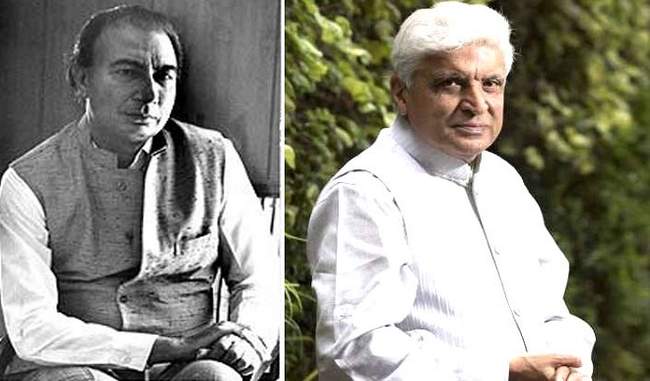
एक दौर था.. जब जावेद अख़्तर के दिन मुश्किल में गुज़र रहे थे। ऐसे में उन्होंने साहिर से मदद लेने का फैसला किया। फोन किया और वक्त लेकर उनसे मुलाकात के लिए पहुंचे।
उस दिन साहिर ने जावेद के चेहरे पर उदासी देखी और कहा, “आओ नौजवान, क्या हाल है, उदास हो?”
जावेद ने बताया कि दिन मुश्किल चल रहे हैं, पैसे खत्म होने वाले हैं।
उन्होंने साहिर से कहा कि अगर वो उन्हें कहीं काम दिला दें तो बहुत एहसान होगा।
जावेद अख़्तर बताते हैं कि साहिर साहब की एक अजीब आदत थी, वो जब परेशान होते थे तो पैंट की पिछली जेब से छोटी सी कंघी निकलकर बालों पर फिराने लगते थे। जब मन में कुछ उलझा होता था तो बाल सुलझाने लगते थे। उस वक्त भी उन्होंने वही किया। कुछ देर तक सोचते रहे फिर अपने उसी जाने-पहचाने अंदाज़ में बोले, “ज़रूर नौजवान, फ़कीर देखेगा क्या कर सकता है”
फिर पास रखी मेज़ की तरफ इशारा करके कहा, “हमने भी बुरे दिन देखें हैं नौजवान, फिलहाल ये ले लो, देखते हैं क्या हो सकता है”, जावेद अख्तर ने देखा तो मेज़ पर दो सौ रुपए रखे हुए थे।
वो चाहते तो पैसे मेरे हाथ पर भी रख सकते थे, लेकिन ये उस आदमी की सेंसिटिविटी थी कि उसे लगा कि कहीं मुझे बुरा न लग जाए। ये उस शख्स का मयार था कि पैसे देते वक्त भी वो मुझसे नज़र नहीं मिला रहा था।
साहिर के साथ अब उनका उठना बैठना बढ़ गया था क्योंकि त्रिशूल, दीवार और काला पत्थर जैसी फिल्मों में कहानी सलीम-जावेद की थी तो गाने साहिर साहब के। अक्सर वो लोग साथ बैठते और कहानी, गाने, डायलॉग्स वगैरह पर चर्चा करते। इस दौरान जावेद अक्सर शरारत में साहिर से कहते, “साहिर साब ! आपके वो दौ सौ रुपए मेरे पास हैं, दे भी सकता हूं लेकिन दूंगा नहीं” साहिर मुस्कुराते। साथ बैठे लोग जब उनसे पूछते कि कौन से दो सौ रुपए तो साहिर कहते, “इन्हीं से पूछिए”, ये सिलसिला लंबा चलता रहा।
साहिर और जावेद अख़्तर की मुलाकातें होती रहीं, अदबी महफिलें होती रहीं, वक्त गुज़रता रहा।
और फिर एक लंबे अर्से के बाद तारीख आई 25अक्टूबर 1980की। वो देर शाम का वक्त था, जब जावेद साहब के पास साहिर के फैमिली डॉक्टर, डॉ कपूर का कॉल आया। उनकी आवाज़ में हड़बड़ाहट और दर्द दोनों था। उन्होंने बताया कि साहिर लुधियानवी नहीं रहे। हार्ट अटैक हुआ था। जावेद अख़्तर के लिए ये सुनना आसान नहीं था।
वो जितनी जल्दी हो सकता था, उनके घर पहुंचे तो देखा कि उर्दू शायरी का सबसे करिश्माई सितारा एक सफेद चादर में लिपटा हुआ था। वो बताते हैं कि ''वहां उनकी दोनों बहनों के अलावा बी. आर. चोपड़ा समेत फिल्म इंडस्ट्री के भी तमाम लोग मौजूद थे। मैं उनके करीब गया तो मेरे हाथ कांप रहे थे, मैंने चादर हटाई तो उनके दोनों हाथ उनके सीने पर रखे हुए थे, मेरी आंखों के सामने वो वक्त घूमने लगा जब मैं शुरुआती दिनों में उनसे मुलाकात करता था, मैंने उनकी हथेलियों को छुआ और महसूस किया कि ये वही हाथ हैं जिनसे इतने खूबसूरत गीत लिखे गए हैं लेकिन अब वो ठंडे पड़ चुके थे।''
जूहू कब्रिस्तान में साहिर को दफनाने का इंतज़ाम किया गया। वो सुबह-सुबह का वक्त था, रातभर के इंतज़ार के बाद साहिर को सुबह सुपर्द-ए-ख़ाक किया जाना था। ये वही कब्रिस्तान है जिसमें मोहम्मद रफी, मजरूह सुल्तानपुरी, मधुबाला और तलत महमूद की कब्रें हैं। साहिर को पूरे मुस्लिम रस्म-ओ-रवायत के साथ दफ़्न किया गया। साथ आए तमाम लोग कुछ देर के बाद वापस लौट गए लेकिन जावेद अख़्तर काफी देर तक कब्र के पास ही बैठे रहे।
काफी देर तक बैठने के बाद जावेद अख़्तर उठे और नम आंखों से वापस जाने लगे। वो जूहू कब्रिस्तान से बाहर निकले और सामने खड़ी अपनी कार में बैठने ही वाले थे कि उन्हें किसी ने आवाज़ दी। जावेद अख्तर ने पलट कर देखा तो साहिर साहब के एक दोस्त अशफाक साहब थे।
अशफ़ाक उस वक्त की एक बेहतरीन राइटर वाहिदा तबस्सुम के शौहर थे, जिन्हें साहिर से काफी लगाव था। अशफ़ाक हड़बड़ाए हुए चले आ रहे थे, उन्होंने नाइट सूट पहन रखा था, शायद उन्हें सुबह-सुबह ही ख़बर मिली थी और वो वैसे ही घर से निकल आए थे। उन्होंने आते ही जावेद साहब से कहा, “आपके पास कुछ पैसे पड़ें हैं क्या? वो कब्र बनाने वाले को देने हैं, मैं तो जल्दबाज़ी में ऐसे ही आ गया”, जावेद साहब ने अपना बटुआ निकालते हुआ पूछा, ''हां-हां, कितने रुपए देने हैं'' उन्होंने कहा, “दो सौ रुपए"..
साभार - अमर उजाला काव्य

हिन्दी
Umamaheshwari Shreedhar retweetledi

1987. A room in New Delhi is thick with the smell of old files & cold tea. The United States has just delivered a stinging slap to the face of the Indian Republic. They have officially refused to sell India the 'Cray X-MP' Supercomputer, the most powerful machine on Earth, claiming that India would use it for nuclear weapons.
The American officials mockingly suggest that India does not even have the electricity to keep such a machine running. In the middle of this national humiliation, a young, soft-spoken engineer named Vijay Bhatkar is asked by then Prime Minister Rajiv Gandhi: "Can we build our own?" Bhatkar does not hesitate. He looks at the No of the West & says: "We will not just build it; we will build it faster than you can ship it."
The Americans did not just stop at refusing the sale; they actively lobbied other nations to ensure India remained digitally blind. They believed that w/o their Logic Gates, India would remain a 3rd world backwater.
Bhatkar realized he could not replicate the Single-Processor behemoth of the Cray. Instead, he turned to Parallel Processing. He decided to stitch together 1000s of low-cost, off-the-shelf microprocessors. It was like building a giant's brain out of the neurons of ants.
In 1991, while the West was still celebrating its monopoly, Bhatkar unveiled the PARAM 8000. It was not just a computer; it was a Gigaflop monster.
To prove the PARAM was real, Bhatkar ran a standard global benchmark test. The results were sent to an international conference in Zurich. The PARAM 8000 was ranked as the 2nd most powerful supercomputer in the world, behind only the American machines. But there was a twist: the PARAM cost a fraction of the Cray, performed better in tropical heat, & was built in just 3 years.
When the PARAM 8000 was 1st turned on, the team did not have a high-tech cooling system like the Americans. They used industrial-grade desert coolers & adjusted the airflow manually. It was the ultimate Jugaad that defeated the most sophisticated tech embargo in history.
A major US newspaper ran a story with the headline: "Denied supercomputer, Angry India does it!" The ghost of the Native Engineer had officially entered the silicon temple. Vijay Bhatkar’s history is the story of how India became the IT Capital of the world.
Bhatkar founded the Centre for Development of Advanced Computing (C-DAC). He did not just build a machine; he built an ecosystem. Every software engineer in India today stands on the shoulders of the man who proved we did not need the West's permission to compute. Bhatkar was the 1 who realized that if computers only spoke English, 90% of India would be left behind. He led the development of GIST (Graphics & Intelligence Based Script Technology), allowing computers to work in Indian languages. He gave the Machine a local tongue.
Today, Bhatkar is a Padma Bhushan awardee, but he lives a life of deep spirituality & simplicity. He vanished from the corporate headlines to become a philosopher of the digital age.
The West thought they could freeze India’s future by withholding a single machine. They forgot that the Indian mind does not need a 'Cray' to think; it only needs a 'No' to ignite. Forget building a supercomputer; Bhatkar built a mirror, & for the 1st time, the West had to look into it & see that the primitive colony had become the master of the code.


English
Umamaheshwari Shreedhar retweetledi

தமிழகத்திலுள்ளபெரும்பான்மையான கட்சிகளின் பெயர்கள்*
*"கழகம்" என்றே*
*முடிவதை நீங்கள் கவனித்திருப்பீர்கள்.*
*அந்த "கழகம்" என்பதற்கு என்ன பொருள் தெரியுமா?*
*ஒரு புலவர் சொல்கிறார்.*
*"கழகம்" என்பது சூதாடும் இடத்தை குறிக்கும் என்று சொல்கிறார்.*
*கழகத்திற்குள் காலை வைத்து விட்டால் பழைமையால் வழி வந்த பாரம்பரிய செல்வமும்,*
*கூடவே பண்பாடும் கெட்டுப் போகும் என்றும் சொல்கிறார்.*
*அந்தப் புலவர் யார் தெரியுமா?*
*நமது திருவள்ளுவர் தான்.*
*"சூது- என்ற அதிகாரத்தில் 937 - வது குறளை படித்துப் பாருங்கள்.*
*பழகிய செல்வமும் பண்பும் கெடுக்கும்.*
*கழகத்துக் காலை புகின்.*

தமிழ்

@prettypadmaja @NewsArenaIndia GM cotton should be shunned. Local cotton producers need a helping hand. Cotton fabric is ideal for Indian climate..skin friendly,breathable etc.
Vijay needs to be educated that 'cheap Chinese cotton' is NOT the solution.He needs experts & 'lateral entry' shd be encouraged.
English
Umamaheshwari Shreedhar retweetledi

How many Indian riskshaws are allowed in Bhutan?
But do similar restrictions exist on Bhutanese vehicles entering India?
Bhutan charges 1200/- per day for Indian nationals entering Bhutan. 3000 per day for Indian two wheelers. But Bhutanese entering India have no charges.
How many Nepalese have given supreme sacrifice for Indian army versus how many Bhutanese have done the same?
What we have to do as nationalists is not fan anti Nepal sentiments in India which is the objective of vested interests in Nepal. Let the government handle it in the best way possible.
English
Umamaheshwari Shreedhar retweetledi

Ground reality of Bhojshala is that it was a Hindu temple, and for many years it has been used as Kamal Maula Mosque ~ KK Muhammed, Archaeologist
Mr. Owaisi, you also know the truth
Asaduddin Owaisi@asadowaisi
We hope the Supreme Court will set this right and overturn this order. Glaring similarities with the Babri Masjid judgment .
English
Umamaheshwari Shreedhar retweetledi

कोलकाता में मुस्लिम इलाके में एक राम मोहन कॉलेज है
आप ममता बनर्जी का भगवान राम से नफरत देखिए कि उसने राम मोहन कॉलेज में राम शब्द को मिटवा दिया था
दरअसल मुसलमानो ने ममता बनर्जी से कहा था कि जब वह गुजरते हैं तो राम शब्द देखते हैं इससे उनकी धार्मिक भावनाएं आहत होती है
तो ममता बनर्जी ने राम शब्द को मिटवा दिया
यह ठीक ऐसा ही था जैसे अखिलेश यादव से मुसलमानो ने कहा था कि शुक्रवार को उनके कानों में मंदिर की घण्टियों की आवाज आती है तो अखिलेश यादव ने कई मंदिरों में पुलिस वालों की ड्यूटी लगा दी थी जो घंटी पकड़ कर खड़ा रहते थे कि कोई हिंदू मंदिर की घंटी ना बजा सके
अब आप सोच सकते हैं कि यह महिला कितनी नीच महिला थी और हिंदुओं से भगवान राम से कितना नफरत करती थी

हिन्दी