Michelle Funk

5.6K posts

Michelle Funk

Michelle Funk

@MichelleFunk3

#MentalHealth Policy & Service dev #QualityRights #humanrights #CRPD, psychosocial disability. Follow @WHO for official tweets

Geneva, Switzerland Katılım Haziran 2012
765 Takip Edilen4K Takipçiler
Michelle Funk
Michelle Funk@MichelleFunk3·
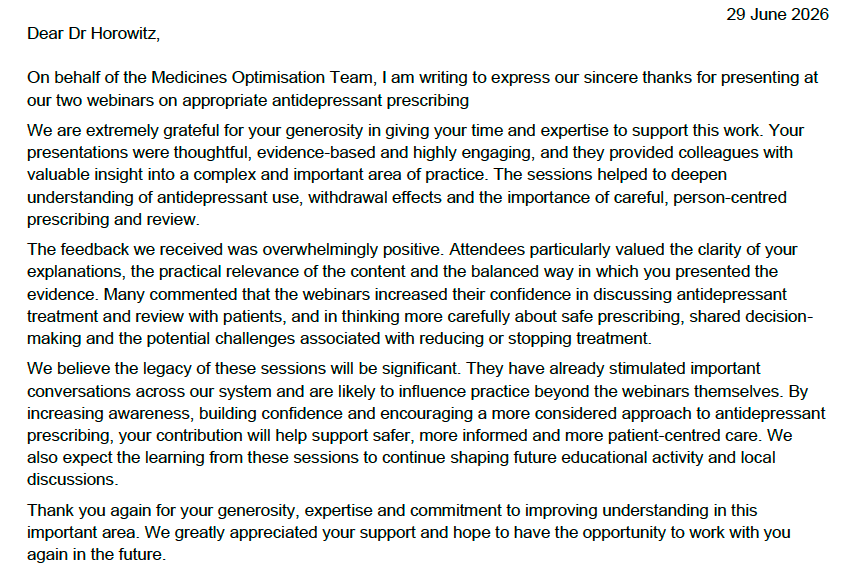
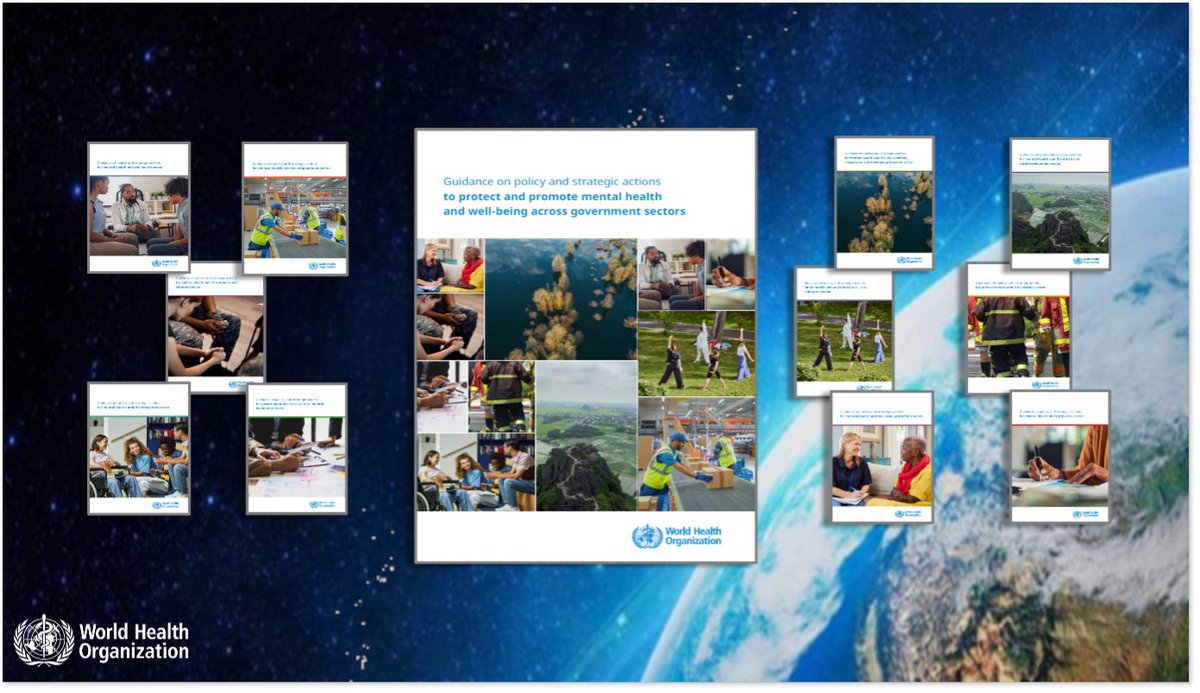
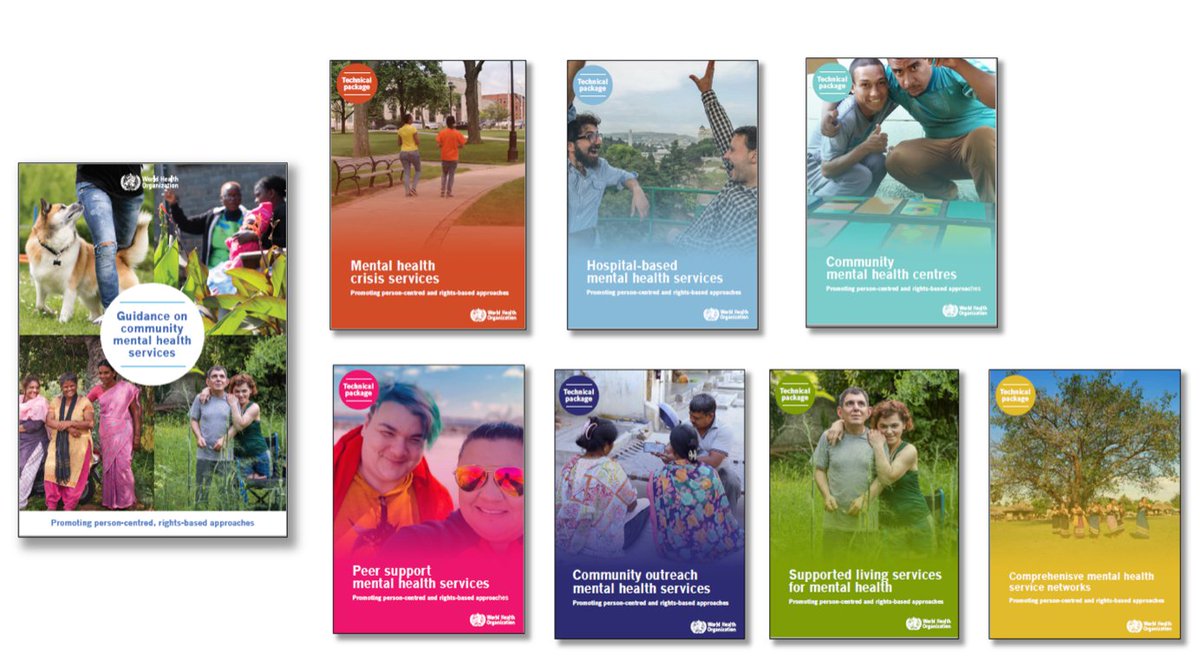
Rights-based, community-focused #MentalHealth services work. The @WHO Guidance & Technical Packages show real-world examples and provide practical guidance to help countries design, develop, and scale up services that uphold human rights and support recovery. ▶️ Explore: tinyurl.com/WHOQR5 #QualityRights
Michelle Funk tweet media
English
0
4
9
340
Michelle Funk retweetledi
JAMA Psychiatry
JAMA Psychiatry@JAMAPsych·
Among adults with severe mental illness, integrating #PhysicalActivity into psychiatric care improves psychiatric symptoms, cognitive health, and cardiometabolic outcomes, supporting longer life expectancy. ja.ma/4u6t7nG
JAMA Psychiatry tweet media
English
2
28
59
2.8K
Michelle Funk
Michelle Funk@MichelleFunk3·
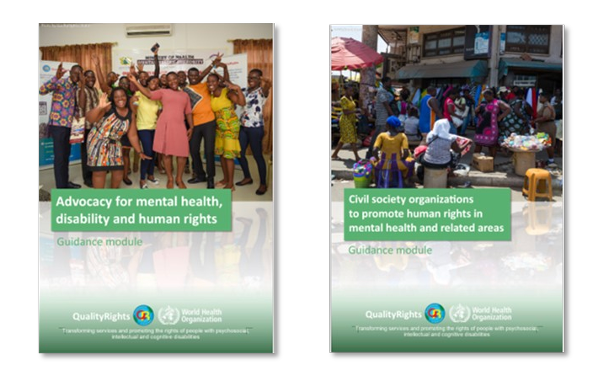
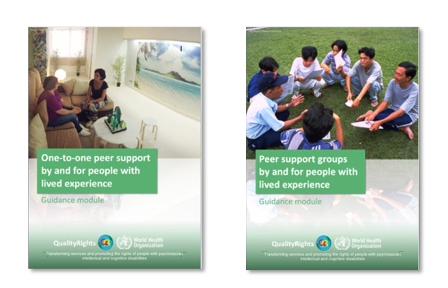
Advocacy is stronger when lived experience leads - not just informs. @WHO #QualityRights has tools to make that real. Because the best mental health advocacy doesn't happen for people with lived experience. It happens with them - and ideally, by them. ▶️ who.int/publications/i…
Michelle Funk tweet media
English
0
2
2
96
Michelle Funk retweetledi
Mad In America
Mad In America@Mad_In_America·
As a Doctor, I Felt Compelled to Agree to ECT—It Nearly Ruined My Life By Cathy Wield Despite surviving, I’m utterly horrified by my experience of ECT. madinamerica.com/2026/03/as-a-d…
Mad In America tweet media
English
0
14
41
1.2K
Michelle Funk retweetledi
The Vigilant Fox 🦊
The Vigilant Fox 🦊@VigilantFox·
Surprise, surprise. It turns out antidepressants may have been propped up by deeply flawed science. “Most clinical drug trials have found the effectiveness of antidepressants is ON PAR with placebo,” wrote Dr. Joseph Mercola. On the other hand: “Large-scale meta-analyses show that physical exercise is the most effective remedy — about 1.5 times more effective than antidepressants — for depression.” You probably never heard that on TV because in 1996, Bill Clinton signed the Telecommunications Act, which allowed Big Pharma to buy off the news. Here’s what else they’re not telling you about antidepressants. If you or someone you love is taking them, you might want to read to this. 🧵
English
165
2.3K
8.4K
308.2K
Michelle Funk
Michelle Funk@MichelleFunk3·
A global shift in #MentalHealth is happening - powered by @WHO #QualityRights tools that drive rights-based, person-centred, evidence-based care. Real change needs action. Use them. Share them. Advocate for them. Transform services and systems. ▶️ Watch the video
English
3
14
24
975
Michelle Funk retweetledi
Jan Jekielek
Jan Jekielek@JanJekielek·
Sixty years ago, studies were done comparing antidepressants with what is called “active placebos,” drugs that mimic the side effects of antidepressants. The conclusion? Almost no difference in outcome. Reading about the results of these 1960s studies was a lightbulb moment for British psychiatrist @joannamoncrieff. She was a junior psychiatrist at the time working in a mental hospital in the UK, and she started looking into these studies when she didn’t observe any obvious improvements in patients on antidepressants. Larger and more developed trials conducted decades later likewise show such small differences between an antidepressant and a placebo that they do not qualify as a clinically meaningful difference, she says. In 1998, psychologist Irving Kirsch published a widely publicized paper on this phenomenon called “The Emperor's New Drugs.” Psychiatry, she says, hasn’t taken trial results seriously from many decades showing the ineffectiveness of antidepressants: “Why has psychiatry… not said: ‘Oh dear, maybe we should stop giving out these drugs that are having minimal, if any, beneficial effects, and yet are causing side effects, making people dependent, giving people some really severe withdrawal problems, causing sexual dysfunction, making people have falls and bleeds, and causing fetal malformations and all the other things that antidepressants do.”
English
7
109
287
12.3K
Michelle Funk retweetledi
Dr Joanna Moncrieff
Dr Joanna Moncrieff@joannamoncrieff·
This is the part of the interview where I wonder why antidepressants are still recommended after decades-worth of research showing minimal, if any benefits and more and more evidence of harm
Jan Jekielek@JanJekielek

Sixty years ago, studies were done comparing antidepressants with what is called “active placebos,” drugs that mimic the side effects of antidepressants. The conclusion? Almost no difference in outcome. Reading about the results of these 1960s studies was a lightbulb moment for British psychiatrist @joannamoncrieff. She was a junior psychiatrist at the time working in a mental hospital in the UK, and she started looking into these studies when she didn’t observe any obvious improvements in patients on antidepressants. Larger and more developed trials conducted decades later likewise show such small differences between an antidepressant and a placebo that they do not qualify as a clinically meaningful difference, she says. In 1998, psychologist Irving Kirsch published a widely publicized paper on this phenomenon called “The Emperor's New Drugs.” Psychiatry, she says, hasn’t taken trial results seriously from many decades showing the ineffectiveness of antidepressants: “Why has psychiatry… not said: ‘Oh dear, maybe we should stop giving out these drugs that are having minimal, if any, beneficial effects, and yet are causing side effects, making people dependent, giving people some really severe withdrawal problems, causing sexual dysfunction, making people have falls and bleeds, and causing fetal malformations and all the other things that antidepressants do.”

English
10
37
109
4.3K
Michelle Funk retweetledi
Dr Joanna Moncrieff
Dr Joanna Moncrieff@joannamoncrieff·
BBC's File on 4 covered finasteride's sexual and emotional side effects last week, including that they may persist and wreck lives. It raised the question of whether it should still be prescribed at all. We need coverage for similar SSRI effects bbc.co.uk/sounds/play/m0…
English
4
49
128
5.9K
Michelle Funk retweetledi
Dr. Josef
Dr. Josef@DrJosefWD·
Staying on SSRIs long-term? Doctors often say it's safe, but after a decade of prescribing, I've seen 3 outcomes—only one being good. Tolerance and neurotoxicity are common. What's been your experience? #SSRI #MentalHealth
English
14
16
68
3.5K
Michelle Funk
Michelle Funk@MichelleFunk3·
Mental health must be embedded across health systems. Our @WHO guidance on mental health in the health sector highlights what drives better #MentalHealth outcomes: ✔️ Integration into primary care ✔️ Community-based services ➡️ all grounded in rights-based, person-centred care who.int/publications/i… #QualityRights
English
1
1
4
128
Michelle Funk retweetledi
Stefan Moore ★
Stefan Moore ★@2StefanMoore·
This is such a breakthrough in #cancer treatment by harnessing your own immune system to target tumors & potentially replace chemotherapy. Dr. Patrick Soon-Shiong, founder of ImmunityBio & a prominent figure in oncology (recognized in 2025 as one of the 100 most influential people in the field), is advancing immunotherapy through the company's FDA approved drug “Anktiva”(nogapendekin alfa inbakicept-pmln), an IL-15 superagonist. Approved in 2024 for BCG unresponsive non muscle invasive bladder cancer (NMIBC) with carcinoma in situ (with or without papillary tumors), Anktiva activates natural killer (NK) cells, T cells & memory T cells to target cancer cells more precisely than traditional treatments. This approach often results in fewer severe side effects compared to high dose chemotherapy, while promoting durable responses & potential long term protection against recurrence in approved indications. Clinical trials & real world data show Anktiva reducing tumor burden in certain patients, with high complete response rates & prolonged disease free survival in bladder cancer. In 2025, notable progress included FDA Regenerative Medicine Advanced Therapy (RMAT) designation for Anktiva combined with CAR-NK therapy to reverse lymphopenia (immune suppression caused by chemotherapy/radiation) in advanced pancreatic cancer, along with expanded access authorization for lymphopenia treatment across solid tumors. Data presented at ASCO 2025 demonstrated significant overall survival benefits in late stage metastatic pancreatic cancer patients when lymphopenia was reversed & ongoing trials explore applications in lung cancer, glioblastoma & other tumors. Anktiva represents part of the rapidly evolving field of immunotherapy, which has already transformed outcomes for many cancers. @DrPatrick vision emphasizes shifting toward immune activating therapies that protect & empower the body's natural defenses, potentially reducing reliance on toxic chemotherapy in select cases. While promising, especially for #BladderCancer & emerging data in harder to treat cancers like pancreatic, more studies are ongoing to expand approvals & confirm broader efficacy & safety. This work offers renewed hope for patients facing challenging diagnoses.
Stefan Moore ★ tweet media
English
24
188
841
55.2K
Michelle Funk retweetledi
Prof. James Davies (PhD) 💭
Instead of that psych drug, perhaps what you really needed was time off work, a person to care & listen, a quiet place to retreat, reflect, reassess & repair. Perhaps you needed us to treat you as worthy of a kinder world; of a social & human rather than a chemical response.
English
58
132
656
14.9K
Michelle Funk
Michelle Funk@MichelleFunk3·
𝗦𝗼𝗰𝗶𝗮𝗹 𝗽𝗿𝗼𝘁𝗲𝗰𝘁𝗶𝗼𝗻 𝗶𝘀 𝗲𝘀𝘀𝗲𝗻𝘁𝗶𝗮𝗹 𝗳𝗼𝗿 𝗺𝗲𝗻𝘁𝗮𝗹 𝗵𝗲𝗮𝗹𝘁𝗵 This @WHO Guidance highlights income security, housing access and inclusive programmes that support mental health especially for those most in need. who.int/publications/i…
English
0
8
17
4.8K
Michelle Funk
Michelle Funk@MichelleFunk3·
The recently issued @WHO Guidance on mental health and the justice system calls for humane standards in detention, alternatives to incarceration and stronger reintegration pathways that strengthen mental health. 🔗who.int/publications/i…
English
0
0
3
126
Michelle Funk retweetledi
Dr Alexey Kulikov
Dr Alexey Kulikov@KulikovUNIATF·
New research highlights a powerful link between #diet and long-term brain 🧠 health. A study from the 1946 British Birth Cohort found that healthy dietary patterns are positively associated with cognitive reserve, the #brain’s ability to compensate for aging and disease. Specifically, greater alignment with the Healthy Eating Index (HEI) and healthful plant-based diets was linked to higher #cognitive reserve in midlife, while unhealthful diets (high in items like sugary drinks 🥤 and refined grains) were linked to lower reserve. This suggests that what we eat over decades may help build #mental resilience. The findings place diet alongside education and childhood cognition as a key factor in maintaining brain health. While childhood cognitive ability and adult #education level were the strongest predictors, healthy eating independently explained unique variation in cognitive reserve. cdn.nutrition.org/action/showPdf…
Dr Alexey Kulikov tweet media
English
1
8
17
1.6K