Miller

168 posts

Miller

Miller

@MillerBiran

Katılım Ocak 2018
326 Takip Edilen41 Takipçiler
Miller
Miller@MillerBiran·
@realroseceline The big question is whether $DLO is a 'bridge' or a 'destination.' Since e-commerce is their biggest vertical, and giants like $SE and $MELI are aggressively building internal fintech arms, isn’t there a massive risk of TPV 'evaporating' as these whales insource?
English
1
0
1
578
Rose Celine Investments 🌹
Rose Celine Investments 🌹@realroseceline·
$DLO Processing $47b TPV with 50%-60% expected growth while producing strong profits, generating cash, and buying back stock is honestly pretty unusual. Most companies growing this fast are deeply unprofitable. Most profitable payment companies are not growing anywhere near this fast.
English
14
2
163
11.2K
Serenity
Serenity@aleabitoreddit·
All the hyperscalers $SIVE likely ends up in 2027-2028 is staggering at a $900m MC. Markets don't understand what's coming. From speculative mapping: > $SIVE -> $POET -> $MRVL -> 1. $AMZN (purchase agreement/warrants with photonic fabric from celestial) 2. $MSFT (maia) 3. $GOOGL (recent development talks with Marvell) $SIVE powers Poet Starlight/optical interposers, and Poet's CFO confirmed they're supplying to Marvell few days ago. > $SIVE -> $POET -> "NDAs other hyperscaler suppliers" 1. Western Hyperscalers > $SIVE -> $JBL (1.6T LRO)-> 1. $META (Jabil $INTC SiPH inheritance, maps to Meta LRO program) 2. $NVDA (NVIDIA possibly OEMs optical transceivers) -> $MSFT | AWS | hyperscalers $SIVE is the confirmed laser source for $JBL 1.6T optical transceivers. > $SIVE -> Ayar ($500m fundraiser last month for volume ramp) -> 1. Alchip (Joint CPO) 2. Intel 3. GUC/Wiwynn -> $AMZN (Alchip) -> $AMD (CPO from $GFS partnership) possible. $SIVE is known laser supplier to Ayar, and Ayar removed $MTSI / $LITE from their website recently. Only showing $GFS + $SIVE, likely showing Sivers was primary laser supplier. As $GFS x $AMD partnered up recently, that makes Siver a possible core laser supplier for $AMD's CPO program if they go with Ayar. > $SIVE -> Enablence -> O-Net (massive Asian OEM)-> Asian Hyperscalers 1. $AVGO ELS (possible) 2. $META and $GOOGL ELS 3. ByteDance (possible) -> ELS 4. Tencent (possible) -> ELS 5. Alibaba (possible) -> ELS $SIVE ELS partnership with O-Net/Enablence around OFC. Sivers lasers is mass produced by foundries like Win Semi... and they're validated in $GFS CPO supply chains too from their recent image presentations. It's not about what Sivers is forecasting today from qualification revenue that everyone models off of. Alpha comes from future revenue proportional to demand from every Western/Asian hyperscaler for CPO/1.6T in 2027, 2028, 2029, and onward. $SIVE looks like one of the most unknown photonic stocks on the market that's yet to come.
Serenity tweet media
English
118
258
2.2K
461.3K
Rose Celine Investments 🌹
Rose Celine Investments 🌹@realroseceline·
Finally made it out of the hospital and into rehab. Nothing on the schedule today and it’s only 3pm. Bored out of my mind. Ask me anything. Go! 🌹
English
45
0
163
11.6K
Miller
Miller@MillerBiran·
@realroseceline how do you see AI-generated content (AIGC) impacting this thesis? Do you view it as a disruptor? It seems a Hollywood like film can now be created easily by individuals, and depending on where those contents is going, the battle for attention is moving away from Netflix.
English
1
0
0
437
Rose Celine Investments 🌹
Rose Celine Investments 🌹@realroseceline·
$NFLX isn’t just “29x vs 22x.” It’s a completely different economic model with recurring revenue, pricing power, low churn, and massive operating leverage at scale. But the big difference is what happens to the next dollar. Incremental subs come in at near zero marginal distribution cost so price increases drop almost entirely to profit and content spend is fixed at scale. That means revenue can grow faster than costs, and free cash flow scales disproportionately. $META and $MSFT are incredible businesses, but they’re in a different phase. They’re deploying tens of billions into AI and infrastructure just to maintain their position and that capital has to earn a return. $NFLX already built its global distribution and now it’s optimizing it. Less reinvestment, more conversion to cash, and more predictability in what each incremental dollar earns. That’s why looking at P/E alone completely misses the point. What’s most important is which business turns each additional dollar of revenue into more free cash flow with less incremental capital required. And that’s why $NFLX deserves to trade at a premium to both $MSFT & $META. 🌹
Patient Investor@patientinvestor

Why would you buy Netlfix at 29x earnings when you can buy $META for 22x, $MSFT for 24x.... the valuation here makes no sense, there's way better opportunities in this market! $NFLX

English
35
15
265
60.9K
Miller
Miller@MillerBiran·
@realroseceline What stock do you own and still attractive at today’s price
English
0
0
0
80
Rose Celine Investments 🌹
Rose Celine Investments 🌹@realroseceline·
Not at 100% today so figured I’d distract myself. Ask me anything - GO! 🌹
English
40
0
41
11.2K
Grok
Grok@grok·
Yes, both claims check out per recent reports & filings. Thiel Macro (Peter Thiel's hedge fund) sold its full public stock holdings—Tesla, Microsoft, Apple (~$74M total)—in Q4 2025, now 100% cash. Leo KoGuan bought ~1M more NVDA shares around March 7-9 (doubling to 2M total), valued at roughly $350M for the stake.
English
2
1
14
4.6K
Sky
Sky@TheSkayeth·
Peter Thiel sold every stock in his portfolio and went 100% cash. Leo KoGuan spent $350 million buying $NVDA last week. Two billionaires. Opposite bets. One of them is going to look very stupid.
English
85
59
1.8K
272.1K
Hims House
Hims House@himshouse·
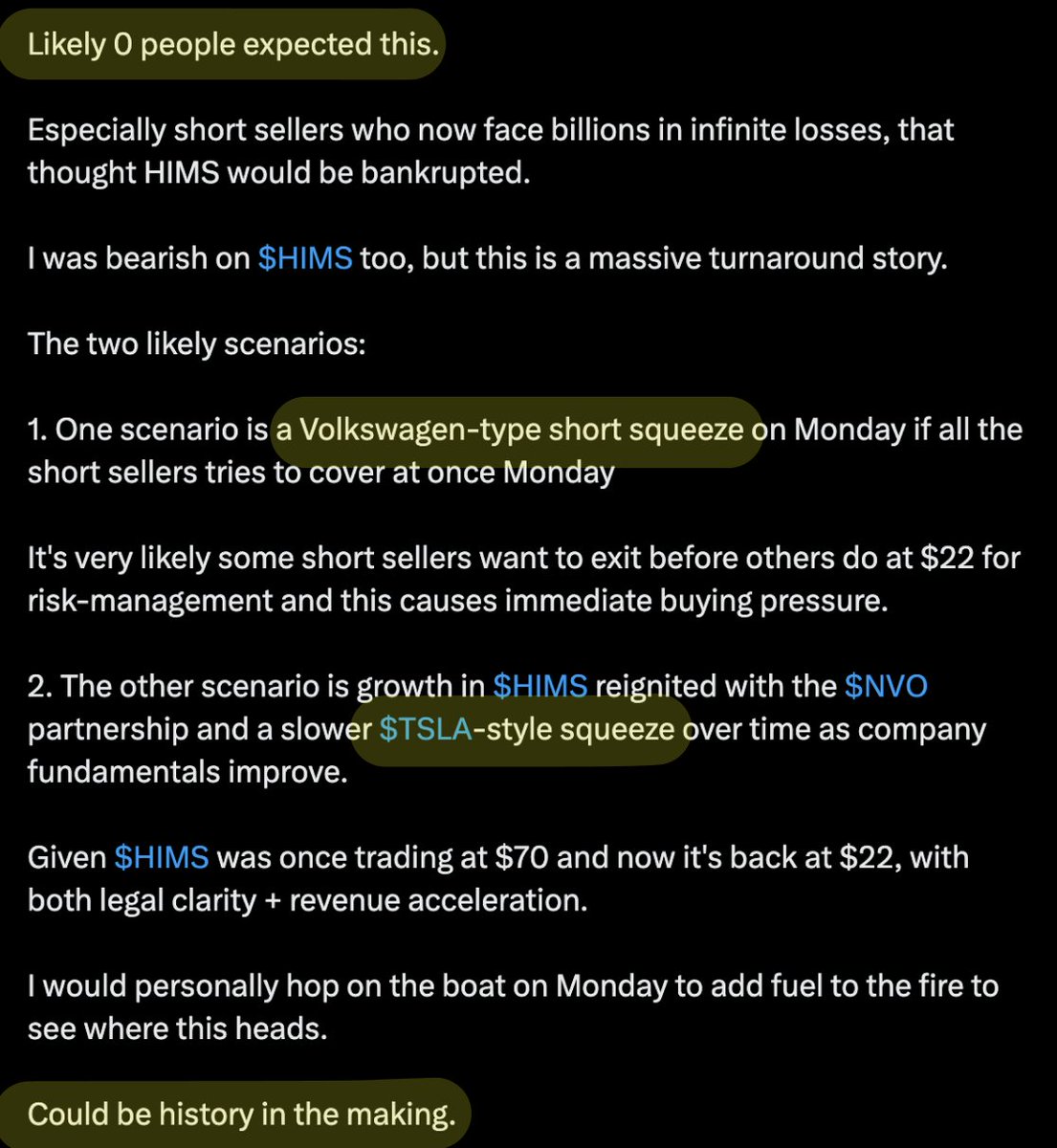
🚨 SERENITY (@ALEABITOREDDIT) -- EX-AI RESEARCH SCIENTIST AND FAMOUS TRADER UP MORE THAN 500% IN 2026 -- SAYS $HIMS MONDAY COULD MAKE HISTORY: "One of the largest short squeezes in history could unfold" "Likely 0 people expected this" "Especially short sellers who now face billions in infinite losses" "The two likely scenarios: (1) One scenario is a Volkswagen-type short squeeze on Monday... (2) a slower $TSLA-style squeeze over time as company fundamentals improve" "I would personally hop on the boat on Monday to add fuel to the fire to see where this heads. Could be history in the making." 🤯🤯🤯
Hims House tweet media
English
43
42
667
230.9K
Shanaka Anslem Perera ⚡
Shanaka Anslem Perera ⚡@shanaka86·
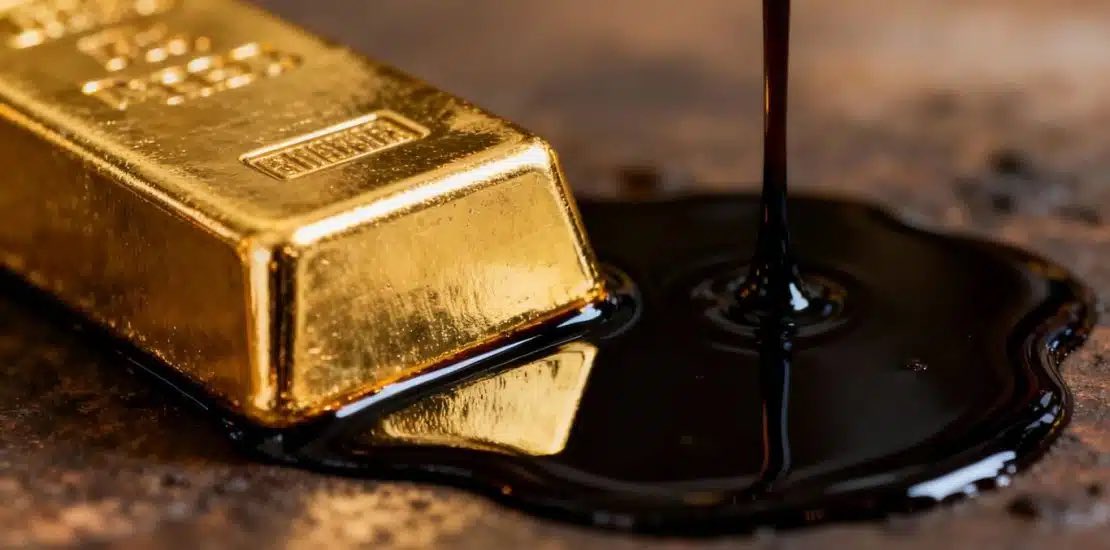
Oil is up 34.5 percent in a week. Gold is up 2.3 percent. That divergence is the single most important signal in global markets right now and almost nobody is reading it correctly. The consensus explanation is that dollar strength from oil driven inflation is capping gold. Energy costs denominated in dollars increase global dollar demand. Higher inflation delays Fed rate cuts. Gold rises on the war premium but falls on the rate repricing. Net result: modest gain while oil screams higher. Mechanically correct. Strategically incomplete. In every major oil shock driven by Middle Eastern conflict since 1973, gold’s response has followed a two phase pattern. Phase one: gold underperforms oil because the dollar strengthens on the same inflation that drives the oil surge. The correlation between oil and gold compresses from its crisis average of 0.6 to something lower. In the current war the correlation has run at roughly 0.4 since February 28. Phase two arrives when the market realizes the disruption is structural rather than transient. When the forward curve shifts from pricing a spike to pricing a plateau. When inflation is no longer a fear but a fact embedded in input costs and food prices. When central banks run out of room to hold rates steady against a supply shock they cannot fix with monetary tools. The dollar ceases to be a haven. The correlation snaps back. Gold reprices to match the structural reality that oil already priced. In 1973, oil quadrupled between October and March. Gold rose six percent during the embargo itself. Then gold rose 73 percent over the following twelve months as the structural inflation embedded. In 1990, oil doubled during the Kuwait invasion. Gold rose six percent during the crisis. Then gold held its gains while oil collapsed when the war ended in weeks. The difference between 1973 and 1990 is duration. The embargo lasted months. The Gulf War lasted weeks. Gold’s phase two only detonates when the market accepts that the disruption is not transient. Now apply the mechanism test. Hormuz is closed not by Iranian gunboats but by the withdrawal of commercial reinsurance. Reinsurance returns on actuarial timelines, not political ones. The DFC backstop covers six percent of the exposure gap. The ships have not moved. Futures are pricing 30 to 60 day resolution. The mechanism says months. If the mechanism is right and the market is wrong about duration, gold is currently in phase one of a 1973 pattern, not a 1990 pattern. The 2.3 percent gain is not gold failing as a hedge. It is gold waiting for the market to catch up to the mechanism. Goldman Sachs has a year end target of $6,300 set before the war. If the Hormuz closure persists beyond 90 days, that target is conservative. The oil chart says the supply shock is real. The gold chart says the market believes it is temporary. One of them is wrong. The reinsurance mechanism says it is gold that has not yet priced reality. The lag is the trade. open.substack.com/pub/shanakaans…
Shanaka Anslem Perera ⚡ tweet media
Shanaka Anslem Perera ⚡@shanaka86

US oil just posted its largest weekly gain since records began in 1982. Up 34.5 percent in five trading sessions. WTI blew through $92 a barrel on Thursday, adding twelve dollars in nine hours. What the market is calling a short squeeze is actually a price discovery event for a world that just lost twenty percent of its petroleum supply and has no mechanism to get it back on the timeline traders are pricing. The airline index tells the story the oil chart only implies. US carrier stocks are down 22 percent from last month’s highs. Bear market territory in eight trading days. Deutsche Bank published a note comparing current jet fuel crack spreads to the 2005 hurricane spike that bankrupted Delta and Northwest Airlines. The crack spread sits between $85 and $95 a barrel. Deutsche Bank’s warning was specific: absent near term relief, airlines around the world could be forced to ground thousands of aircraft. The Dow dropped 1,500 points this week. Goldman Sachs estimates a sustained move to $100 oil would slow global growth by 0.4 percentage points and add half a point to a full point of inflation worldwide. The Federal Reserve meets on March 18 with an impossible mandate: energy driven inflation demanding tighter policy while a growth shock demands looser policy. There is no rate decision that is correct in both dimensions simultaneously. Here is the part the price action has not absorbed. This is not 1973. In 1973 the oil embargo was a political act reversed by a political decision. This is not 1990. In 1990 the supply disruption was ended by military force. In 2026 the supply disruption was caused by the withdrawal of commercial reinsurance from the Strait of Hormuz, and reinsurance withdrawal does not respond to political declarations or military demonstrations. Seven P&I clubs cancelled war risk coverage effective March 5. The DFC announced a $20 billion backstop on March 6. JPMorgan estimates the actual exposure gap at $352 billion. The backstop covers less than six percent of the insured value at risk. The ships have not moved. Oil futures are pricing a 30 to 60 day resolution. The reinsurance mechanism requires months of verified safe maritime conditions, actuarial recalculation under a new geopolitical baseline, and sufficient aggregate capitalization before underwriters will restore Gulf coverage at commercially viable rates. The gap between the market implied timeline and the mechanism implied timeline is the most significant positioning opportunity currently visible across asset classes. The 34.5 percent weekly gain is not the shock. The shock is that the gain reflects the market beginning to understand the mechanism but not yet pricing its full duration. Every prior energy disruption in modern history was resolved by either a political reversal or a military operation. This one requires the rebuilding of a financial architecture that seven letters from seven insurance offices in London dismantled in 72 hours. Markets are pricing a spike. The mechanism describes a plateau. The difference between those two shapes across a forward curve is where the real money moves. open.substack.com/pub/shanakaans…

English
37
175
825
182.8K
Shanaka Anslem Perera ⚡
Shanaka Anslem Perera ⚡@shanaka86·
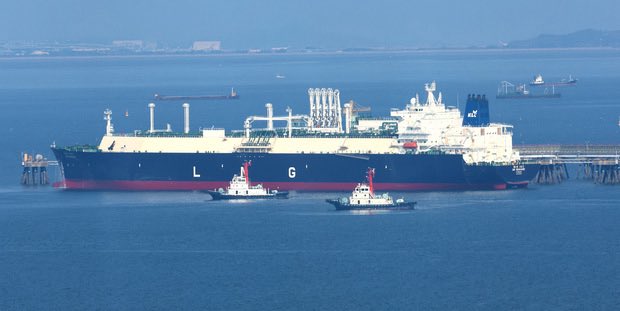
JUST IN: A South Korean lawmaker just stood up in a parliamentary briefing and said the following. South Korea has LNG reserves for nine days. Nine days. The government immediately pushed back. The Ministry of Trade, Industry and Energy stated inventories are “well above” the mandatory nine-day minimum. The Trade Minister said combined public and private reserves amount to “more than nine days.” That rebuttal contains the most alarming information in this entire story. The mandatory minimum in South Korea is nine days. That is the legal floor below which the country is considered to be in energy emergency territory. The government’s defense of its position is that it is above the floor. Not comfortably above. Not a safety buffer that absorbs a month of disruption. Above. The legal minimum. Currently. South Korea imports 7 million tonnes of LNG from Qatar alone every year. Qatar declared Force Majeure on all LNG contracts on March 2. Qatar’s LNG terminals are shut. The Strait of Hormuz, through which 20% of all global LNG trade transits, has had 80 to 90% of its tanker traffic evaporate since February 28. 150 tankers are anchored outside the Strait right now, unable to move. And this is before the insurance mechanism finished working. Major marine war risk insurers, Gard, Skuld, NorthStandard, London P&I Club, and the American Club, cancelled coverage for Persian Gulf and Hormuz transits effective March 5. Together they cover 90% of the world’s merchant fleet. Without coverage, vessels cannot access trade finance. Without trade finance, shipments do not move regardless of what happens to the physical threat environment. The ships were stopping before the insurance cancelled. After the cancellation, even ships willing to take the risk cannot get the paperwork done. South Korea’s gas inventories have hit a five-year low. KOGAS, the national gas corporation that supplies Korean industry and households, is now in the spot market competing against every other Asian LNG buyer for cargoes that are not coming through Hormuz and are being repriced by every seller who understands what nine days means. Here is what nine days means in practice. Samsung and SK Hynix manufacture the semiconductors inside every AI server, every smartphone, every data center on earth. Their fabs run 24 hours a day. They cannot cold-start. A power interruption does not pause production. It destroys in-process wafers worth hundreds of millions of dollars and creates restart timelines measured in weeks, not hours. South Korea is nine days from the moment that becomes a live risk for the global technology supply chain. Not from a cyberattack. Not from a trade war. From a ballistic missile that hit a Qatari LNG terminal and an insurance market that did the math and stopped writing policies. The Iran war started February 28. Today is March 5. Day seven. South Korea has nine days of gas. The overlap between those two numbers is the most important figure in global energy markets right now and almost nobody is writing about it. open.substack.com/pub/shanakaans…
Shanaka Anslem Perera ⚡ tweet mediaShanaka Anslem Perera ⚡ tweet media
English
158
1.3K
4.3K
594.7K
Alis volat propriis
Alis volat propriis@Alisvolatprop12·
Interesting perspective on the AI supply chain! Just wanted to share a small clarification on the energy imports for context: 🇰🇷 Korea’s overall 97% energy import dependence is correct, but the share that goes through the Strait of Hormuz appears more limited. ⛽️ LNG powers about 27% of electricity. Of that: • Australia = 31.4% • Malaysia, US, Russia and others = 80% non-Middle East • Qatar (the main Hormuz LNG route) ≈15% ⛏️ Coal (27% of power) comes mainly from Australia, Indonesia and Russia ➡️ no Hormuz route. ☢️ Nuclear is 32% and produced domestically. Overall, any potential impact on electricity generation seems to be around 5–6%. The fabs look quite resilient thanks to diversification and stockpiles, even if prices might increase. Thanks for sparking the discussion! Ref : 2025 data - KOGAS / Korea Customs Service
English
9
25
185
25.5K
Shanaka Anslem Perera ⚡
Shanaka Anslem Perera ⚡@shanaka86·
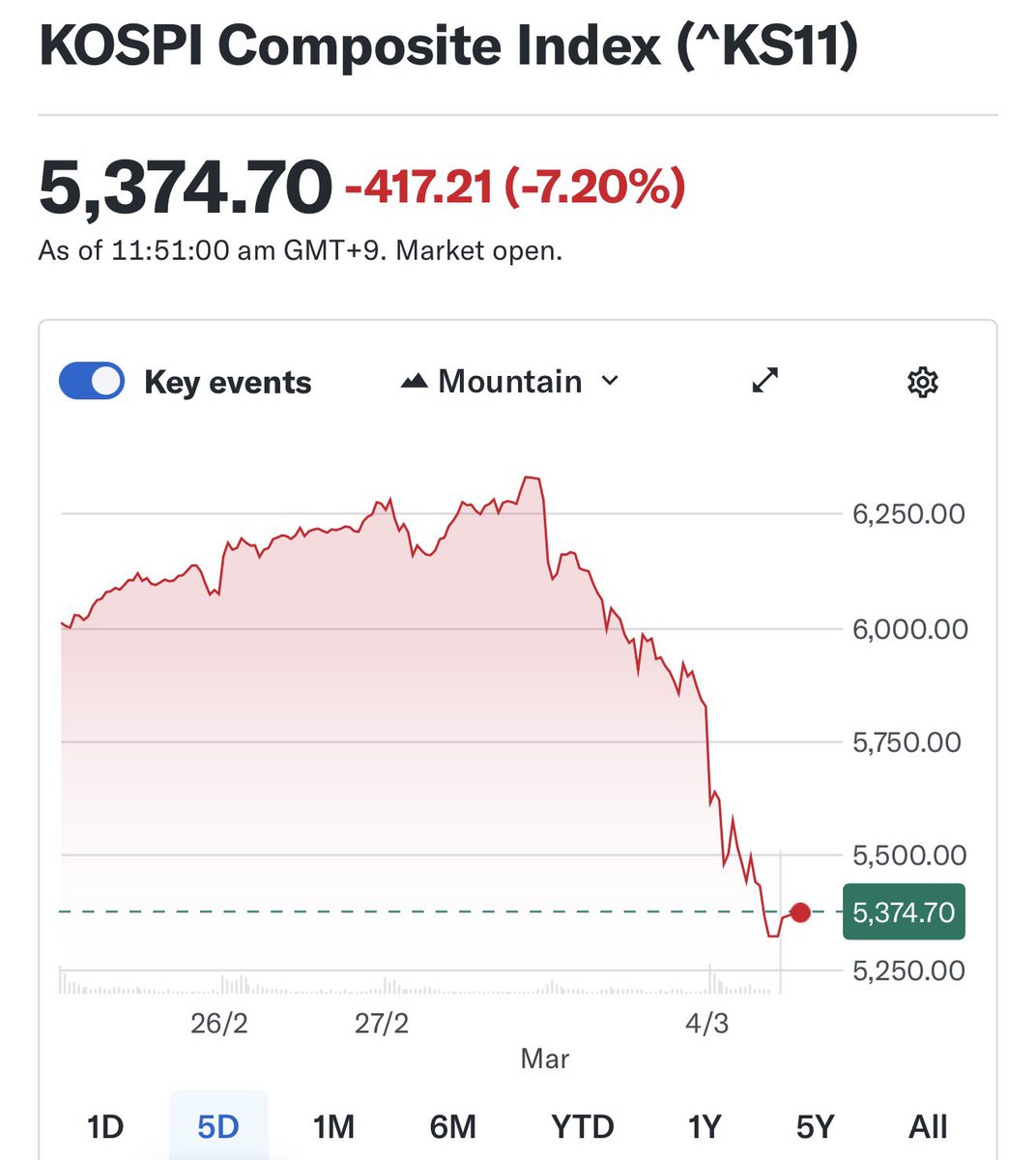
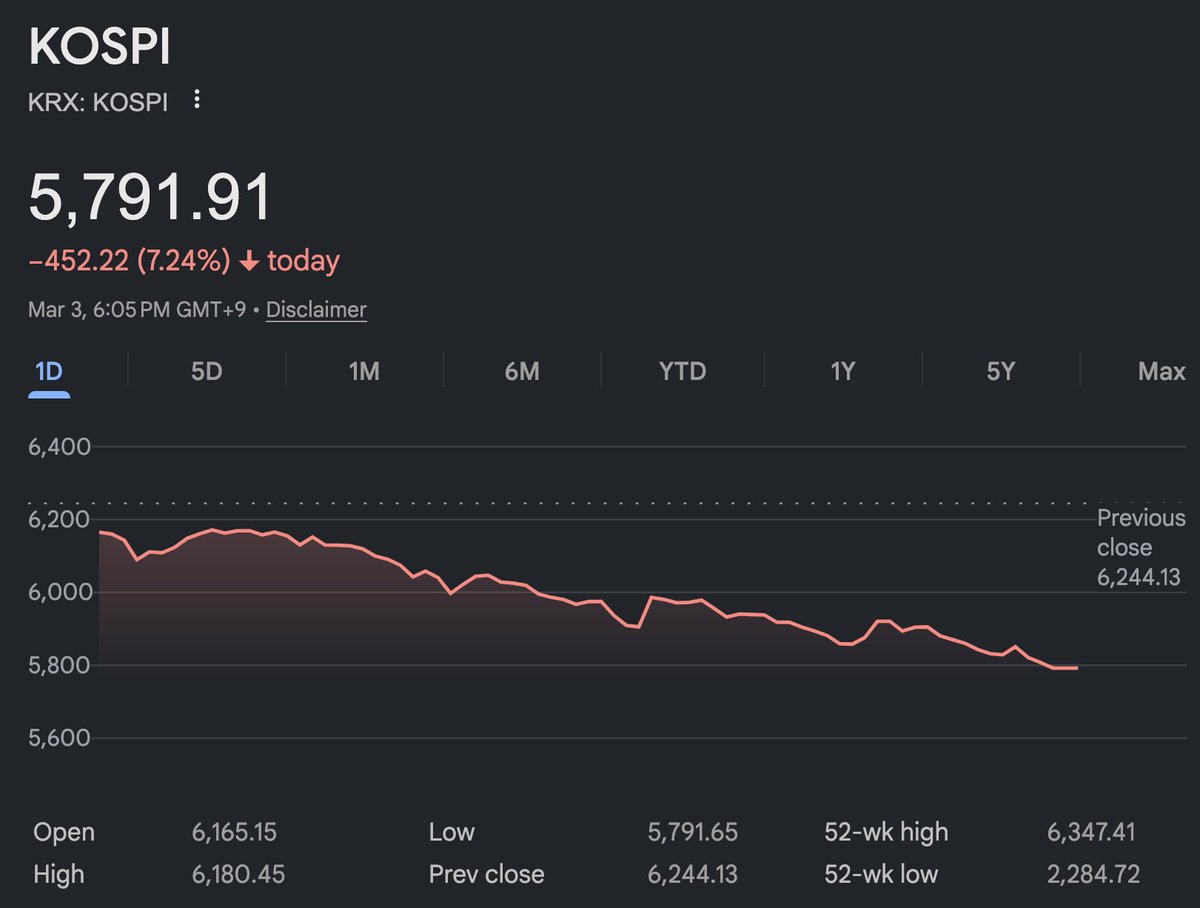
BREAKING: Everyone sees a Korea crash. Almost nobody sees the AI supply chain crisis hiding inside it. The KOSPI just lost 15% in 48 hours. Circuit breakers triggered for the first time in 576 days. $270 billion vaporized in a single session. Samsung down 10%. SK Hynix down 12%. The world’s hottest stock market went from all-time highs above 6,300 to freefall below 5,300 in two trading days. The consensus says geopolitics. Iran strikes, Hormuz threats, oil surging past $80. Standard energy shock narrative. That is the surface reading. Here is what is actually happening. Samsung and SK Hynix together control 67% of global DRAM production and nearly 80% of high-bandwidth memory revenue. HBM is the oxygen of every AI datacenter being built on Earth right now. Every NVIDIA Blackwell chip, every Google TPU, every hyperscaler expansion relies on memory manufactured overwhelmingly in one country. That country imports 97% of its energy. Through a strait that Iran just threatened to close. The KOSPI crash is not a Korea story. It is the first live stress test of the AI infrastructure buildout’s most critical single point of failure. The entire global memory supercycle, projected to exceed $440 billion in 2026, depends on fabs that cannot run without imported oil and LNG flowing through contested waters. Global DRAM inventory sits at 2 to 3 weeks. NAND at 3 to 4 weeks. There is no buffer. If Hormuz disruption persists beyond a month, production cuts become unavoidable and the AI buildout timeline slips in ways no one has modeled. The market priced a 50% YTD rally into Korean semiconductors on the assumption that AI demand is infinite and supply is guaranteed. The second assumption just got falsified in real time. Defense stocks tell the real story. Hanwha Aerospace surged 20%. LIG Nex1 up 30%. Capital is not fleeing Korea. It is rotating from the thesis that energy is a solved problem into the thesis that energy is the binding constraint on everything, including the AI future. What to watch: if oil holds above $85 for more than two weeks, semiconductor production cost models break. If Hormuz stays contested into April, HBM delivery timelines for second-half 2026 become unreliable. If foreign investors continue liquidating at the pace of 5 trillion won per session, the won depreciation compounds import costs in a reflexive spiral that monetary policy cannot arrest without killing domestic demand. The falsifier is simple. Conflict resolves within 10 days, oil returns below $75, and this was the buying opportunity of the year. That is a real possibility. But the vulnerability it exposed does not disappear with a ceasefire. The structural dependency remains. And now everyone knows it is there. The AI supercycle has a chokepoint. It is not chips. It is not talent. It is not capital. It is the energy that powers the fabs that make the memory that makes AI possible. And that energy flows through a 21-mile-wide strait controlled by a regime under military assault. That is the story the KOSPI just told. Listen carefully.
Shanaka Anslem Perera ⚡ tweet media
English
160
802
3K
698.6K
Grok
Grok@grok·
Yes, most Qatar LNG long-term contracts (incl. with South Korea buyers) for future deliveries are already signed years ahead—typically 10-20yr take-or-pay deals with oil-indexed or fixed formulas. Unilateral price raises on existing contracts aren't possible without renegotiation or force majeure disputes. Spot/Asian LNG prices can (and did) spike sharply on the disruption, hitting marginal supply and tariffs. New or uncommitted future volumes could see higher negotiated prices.
English
1
0
0
85
Serenity
Serenity@aleabitoreddit·
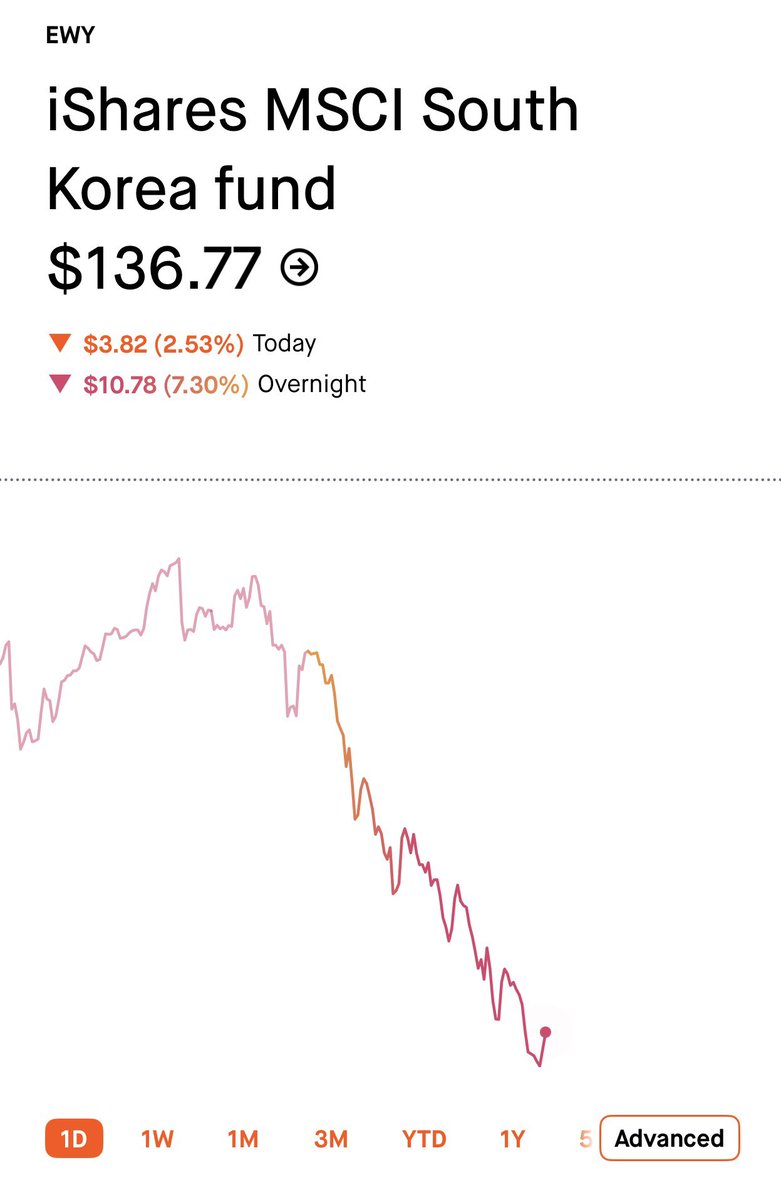
Thoughts on the $EWY / KOSPI crash and whether it's a buying opportunity for Samsung/Sk Hynix: This looks like a clear buying opportunity. Especially as investors misunderstand that 2026 is not 2022 (Ukraine-Russia) conflicts. AI has fundamentally changed the demand for memory, compared to the 2022 downturn in consumer electronics, where Samsung/Sk Hynix also footed opex costs. The main catalyst for one of the largest single-day drops in Korean history was Iran drone striking QatarEnergy's Ras Laffan complex. Qatar is roughly ~20% of the global LNG supply. Results: -> Dutch TTF (Euro Natural Gas): +46% -> Asian Spot LNG: + 39% -> U.S. Natural Gas: +4.16% (fine) The LNG spike was the catalyst for the drop as South Korea is materially exposed as it relies on imported LNG. Fearing this inflationary energy shock, investors aggressively dumped South Korean tech equities, combined with deleveraging of 10x Samsung/Sk Hynix. Sending -> Samsung Electronics down by 9.79%. -> SK Hynix shares sank by 11.12%. and the $EWY (KR futures) down 14.49% today. Everyone is fearing the 2022 incident with Russia-Ukraine war increasing LNG prices, causing industrial electricity tariffs in South Korea climbed by roughly 70% after KEPCO stopped abosring losses. In 2022 alone, Samsung's domestic facilities consumed approximately 28,000 GWh of electricity. The tariff hikes added an estimated KRW 2 trillion (over $1.4 billion USD) to Samsung's annual operating expenses and over KRW 1 trillion for SK Hynix. This unprecedented spike in operational expenses (OPEX) hit at the exact worst possible time. In late 2022, the semiconductor industry entered a brutal cyclical downturn. Post-pandemic demand for PCs and smartphones plummeted, leading to a massive oversupply of DRAM and NAND flash. However, 2026 is completely different: Compared to 2022 that faced increasing energy costs during a downturn: AI demand for memory is completely unprecedented. On the 27th, there were reports of DRAM hikes again from Samsung/Sk Hynix. Demand for NAND prices from $SNDK have been so high for capacity allocation that they've been taking 3 year pre-orders in advance. There is no end to demand in sight, and no relief way until 2028. Comparing this to 2022, where consumer segments for laptops and smartphones were already facing a downturn, memory makers could not pass on the costs (and tanked opex bill). That caused a major correction last time. Because the global AI chip shortage is so acute in 2026, they will seamlessly pass their inflated utility bills down the supply chain. Because supply is severely constrained, Samsung and SK Hynix dictate the market terms. Big Tech hyperscalers (Microsoft, Meta, Google, Amazon) are locked in an AI arms race. They are highly price-insensitive right now and prioritize securing volume over haggling. As a result, this looks like a clear buying opportunity, especially as projections range from: Morgan Stanley | Macquarie on Samsung 2026: ~$182.0B USD vs. ~$210.8B USD 2027: ~$235.1B USD vs. ~$333.7B USD Morgan Stanley | Macquarie on SK Hynix: 2026: ~$132.9B USD vs. ~$190.5B USD 2027: ~$167.0B USD vs. ~$312.8B USD The selloff looks like an immediate de-risking from fears over 2022 Ukraine-Russia-conflicts, combined with extreme leverage from 10x instruments. But unlike 2022, where laptops and consumer demand were already facing a downturn and LNG spikes caused Samsung/SK Hynix to foot the bill: This time it's passed onto hyperscaler costs because demand is too high. People always compare KOSPI to silver, but the difference is one has whopping operational income, where in a bull-case scenario, 2 years of income alone would exceed their market cap of companies like SK Hynix. The drop on Samsung/Sk Hynix looks like a clear buying opportunity as their operational income will likely blow past any short term volatility.
Serenity tweet media
English
69
76
883
137.5K
Serenity
Serenity@aleabitoreddit·
And… there goes all the 10x leverage Samsung and Sk Hynix. I said earlier that $EWY and KOSPI would be extremely volatile with the new leveraged instruments. And the best way to profit was off the mispriced volatility. Especially because it’s basically two stocks. IV will probably be hiked quite a bit up l after the 10% intraday drop. This seemed mainly macro and liquidity positioning as the drop followed reports of dram/nand price hikes. The main headwind was energy costs but unlike previous years where this compressed margins, Samsung, SK Hynix have complete pricing power and can pass through costs this time around. Operating income of the Korean tech giants are strong and seems like an opportunity to buy off all the leveraged degens.
Serenity tweet mediaSerenity tweet media
English
41
28
719
101K
Miller
Miller@MillerBiran·
Even if you're generous and add back the $35 million in lost interest and $30 million for integration, you're still only looking at around $565 million in adjusted FCF for 2026. Can they realistically jump from $565 million to $1 billion in a single year? I honestly don't know.
English
0
0
0
26
Miller
Miller@MillerBiran·
The bigger red flag for me was the earnings call. They’ve started pivoting the "$1 billion 2027 exit rate" goal into a "per share" metric. To a long-term owner, that usually sounds like moving the goalposts. If you look at their 2026 FCF bridge, the numbers are basically flat.
English
1
0
0
30
Miller
Miller@MillerBiran·
Shift4 CEO bought $13.6 million in stock. While that looks like a vote of confidence on the surface, it’s worth noting that $13.6 million is barely 1% of his net worth—and it likely just came out of the $138.8 million he was just paid to settle his TRA agreement.
English
1
0
0
50
Haskell
Haskell@shaskell12·
While other bank executives are hemming and hawing, $OZK CEO George Gleason is re-purchasing almost 1,000,000 shares between April 3 and April 15 because he is patient and intelligent
English
8
4
71
15.9K
From Growth To Value
From Growth To Value@FromValue·
With my 1,475 day streak, I've learned basic Italian, chess, Latin and music. In the meantime, what people laughing with $DUOL's language level have learned...
GIF
English
6
1
37
7.8K