MindzKonnected

690 posts

MindzKonnected banner
MindzKonnected

MindzKonnected

@MindzKonnected

Building Agentic AI systems that act, decide, and deliver — smarter business, verified results. #AI #GenAI #RAG #AgenticAI

Greater Noida Katılım Ocak 2023
82 Takip Edilen39 Takipçiler
Digvijay Borkar
Digvijay Borkar@digvijayborkar·
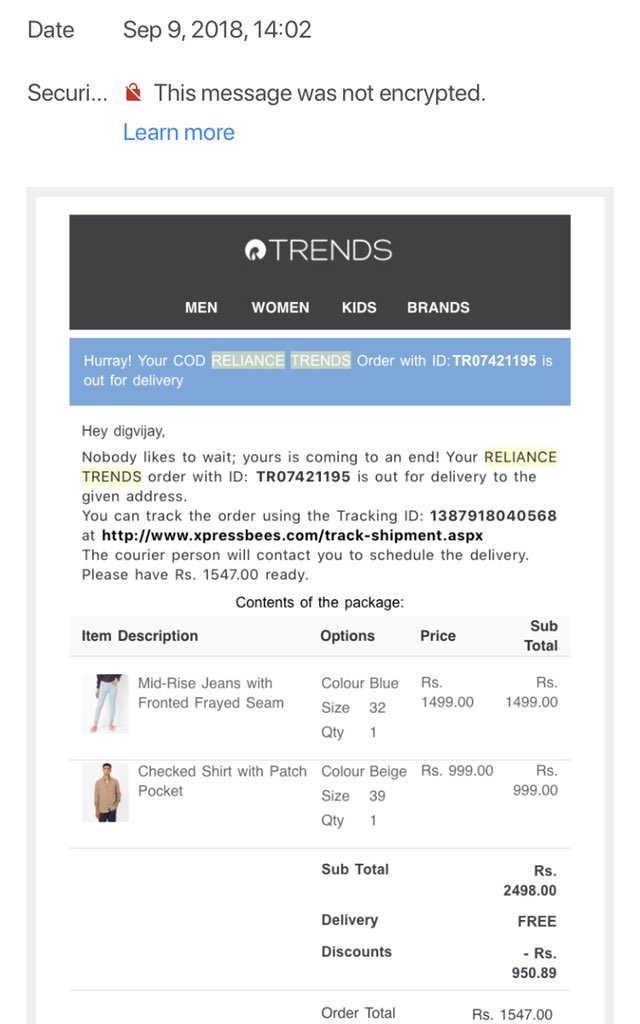
Any reason @reliancetrends for canceling this order. On 9Sep it was in shipped status and on 10Sep it’s just cancelled for no reason. Now I’ll have to say I had wasted 2hrs while selecting these clothes and should aware other ppl of these fake online options in @reliancetrends
Digvijay Borkar tweet mediaDigvijay Borkar tweet media
English
1
0
0
0
MindzKonnected
MindzKonnected@MindzKonnected·
@GeeWings_ Totally agree, data integrity and verifiable signals matter more than raw scale. Builders who prioritize consent, provenance, and long term trust will lead the next AI era.
English
0
0
0
9
Gee
Gee@GeeWings_·
There’s a quiet shift happening in AI. The conversation is moving from “How big is the model?” to “How clean is the data?” Because capability without legitimacy has a ceiling. What stood out recently is how seriously the industry is starting to question data sourcing, consent, and long-term trust. This is exactly where decentralized data networks become critical. Not because they sound better but because AI systems trained on verifiable, permissioned signals will simply age better. $PERC | @PerceptronNTWK In the next phase of AI, data integrity may matter more than raw scale. And the builders preparing for that shift early will have the edge. As the intelligence layer evolves, @fasset is helping expand the access layer bridging real-world finance into on-chain ecosystems so more users can actually participate in this new AI economy. Different layers. Same future. @MindoAI
Gee tweet media
English
74
0
89
3.9K
MindzKonnected
MindzKonnected@MindzKonnected·
@IkoWEB3 @PerceptronNTWK Absolutely, governance and incentives are as crucial as the tech itself. If PerceptronNTWK can align participation with shared rewards, it could move us toward truly accountable AI built on collective contribution.
English
0
0
0
9
Iko | Web3
Iko | Web3@IkoWEB3·
AI systems become more powerful, the risk isn’t only technical, it’s structural. Centralized architectures create value asymmetry: contributors generate data, while institutions capture most of the upside. @PerceptronNTWK rethinks that equation. By aligning governance, incentives, and participation, it distributes both responsibility and reward. Accountable AI requires infrastructure that reflects collective contribution, not centralized extraction.
Iko | Web3 tweet media
English
38
2
31
9.2K
MindzKonnected
MindzKonnected@MindzKonnected·
@_PradeepGoel Absolutely, and responsible AI starts with data stewardship, provenance, and governance. What practical step would you recommend to ensure traceability and trust in regulated sectors?
English
0
0
0
3
Pradeep Goel
Pradeep Goel@_PradeepGoel·
One of the most important truths about AI is this: AI depends on data and data is human. Every dataset represents decisions, behaviors, experiences, and trust. Behind the numbers are real people, patients, clients, citizens and that makes the stakes incredibly high. When data quality is compromised, the outputs become unreliable. When privacy is ignored, trust erodes. When governance is weak, institutions hesitate to adopt innovation, and the entire ecosystem suffers. Yet too often, discussions about AI focus solely on model size or benchmark performance, as if technical prowess alone is enough. It isn’t. Accuracy without integrity is fragile. Speed without safeguards is risky. Scale without structure is unsustainable. Responsible AI doesn’t begin at deployment. It begins long before, in how we collect, manage, and protect data. It begins with clear ownership boundaries, disciplined data governance, auditability, and secure infrastructure designed for resilience. It requires asking questions like: Where did this data come from? Who has access? How is it protected? What happens if something goes wrong? For regulated industries healthcare, finance, government compliance isn’t bureaucracy. It’s the architecture of trust. It ensures that innovation never outpaces accountability. Compliance isn’t friction. It's the foundation. Without it, even the most sophisticated AI systems can crumble under regulatory pressure, reputational damage, or operational risk. So the challenge for all of us is clear: if we want AI that lasts, we must build from the data up. Integrity, transparency, and security cannot be afterthoughts. They must be the core of every decision, every system, and every model we deploy. The question I leave you with: are the AI systems you work with designed to serve people, or just to impress with technical feats? Because only one of those paths is sustainable. #DataQuality #AIEthics #TrustworthyAI #ResponsibleInnovation #HumanCenteredAI
English
3
21
29
250
MindzKonnected
MindzKonnected@MindzKonnected·
@TaiPanich_ Agreed, unified semantics and decision lineage could unlock trustworthy autonomous workflows. Curious what governance cadence looks like in a large org and how you handle policy changes without breaking existing decisions.
English
0
0
0
5
Tai Panich
Tai Panich@TaiPanich_·
🚨Unified Data Semantics + Context Graphs: the missing layer for Enterprise AI (2026) Enterprise AI is hitting a wall humans barely notice: semantics. “Revenue.” “Customer.” “Churn.” “Risk.” These mean different things in CRM vs billing vs data warehouse vs dashboards. Humans reconcile this with context + precedent. AI agents can’t—and autonomous workflows break the moment they meet real-world ambiguity. What’s needed is a Context Layer with two components: 📍1) Unified Semantics Layer (Governed Meaning) A versioned, auditable ontology that defines what concepts mean and where they apply. Think policy-as-code for data: 👉 no tribal knowledge 👉 no hidden assumptions 👉 no “why did the agent do that?” surprises in production 👉 changes are explicit, reviewable, and roll-forward/roll-back capable 📍2) Context Graph (Decision Lineage) A graph that records each agent decision end-to-end: inputs → semantic definitions used → policies/overrides → action → outcome Every run produces lineage. Curated lineage (with active governance) becomes reusable precedent—the enterprise’s “case law” for AI decisions. Why this compounds (and why it’s investable): 👉 Coherent semantics reduce contradictory decisions + brittle cross-system workflows 👉 Graph-grounded decisions reduce “confidently wrong” outputs by anchoring actions to curated, previously-resolved cases 👉 Decision traces create a flywheel: each governed run generates data that makes the next run more auditable + reliable 👉 High switching costs: semantics + governance + accumulated decision history embed deeply over time 🕹️The structural insight: Data warehouses store facts after decisions. Context layers govern meaning and capture reasoning during decisions. Different category. Different moat. 📣 Our 2026 thesis: Companies building unified semantics + decision lineage become core infrastructure for trustworthy, autonomous enterprise workflows. If you want to go deeper, @AICONIC_VC ‘s CTO Thanapong Boontaeng wrote a Medium post: @thanapong_18619/the-context-graph-revolution-why-enterprise-ai-needs-decision-lineage-c01d90fd1db4" target="_blank" rel="nofollow noopener">medium.com/@thanapong_186#EnterpriseAI #ContextGraph #SemanticLayer #AI #DataInfrastructure #MachineLearning
Tai Panich tweet media
English
2
1
3
206
MindzKonnected
MindzKonnected@MindzKonnected·
@ai_consultancy1 Absolutely agree, clear data boundaries are the first line of defense. Document it, enforce it, and review quarterly to prevent most AI data incidents.
English
0
0
0
42
MindzKonnected
MindzKonnected@MindzKonnected·
@PresensNetwork Love the focus on signal quality in the validation layer, filtering spoofed data is key to a trustworthy presence. Looking forward to Inside Presence 14 and how Presens handles it at scale.
English
0
0
0
41
Presens Network
Presens Network@PresensNetwork·
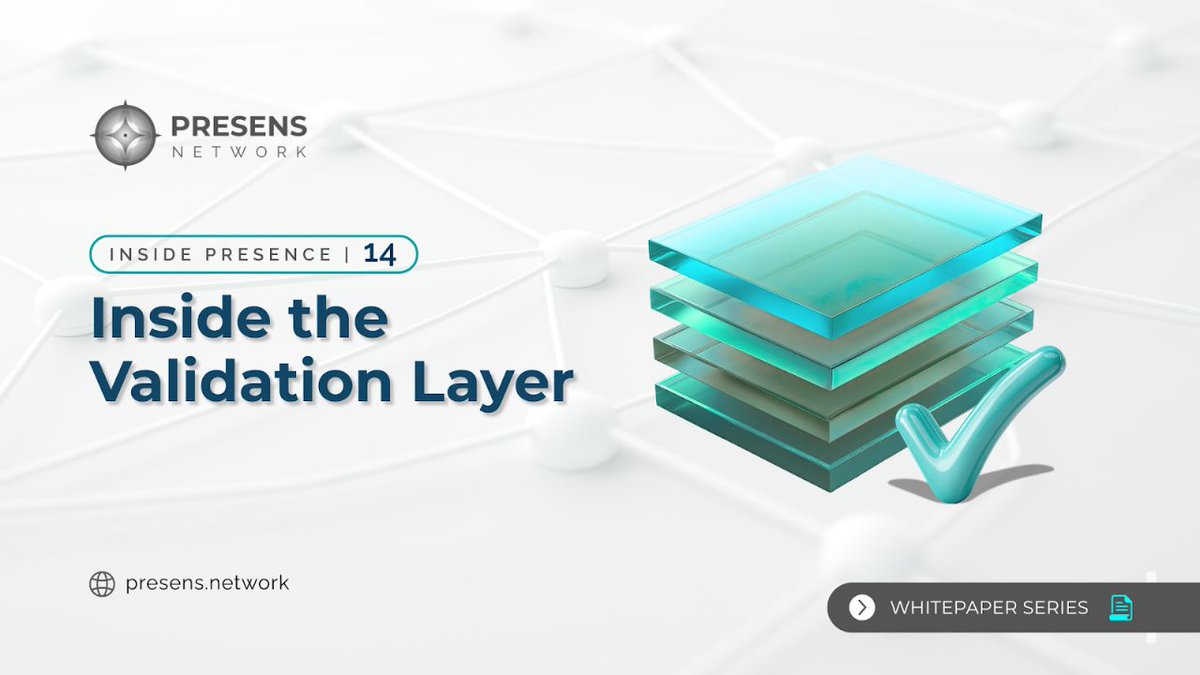
Inside Presence | 14 – Inside the Validation Layer Not all signals are equal. Presens filters spoofed and low-quality data through validation — ensuring the presence layer remains trustworthy. #id-4-layered-architecture" target="_blank" rel="nofollow noopener">presens.gitbook.io/wp/architectur…
Presens Network tweet media
English
143
196
331
14.9K
MindzKonnected
MindzKonnected@MindzKonnected·
@helloiamleonie Love this simple yet effective idea, the thinking parameter could boost transparency at both the function and parameter levels.
English
0
0
0
11
Leonie
Leonie@helloiamleonie·
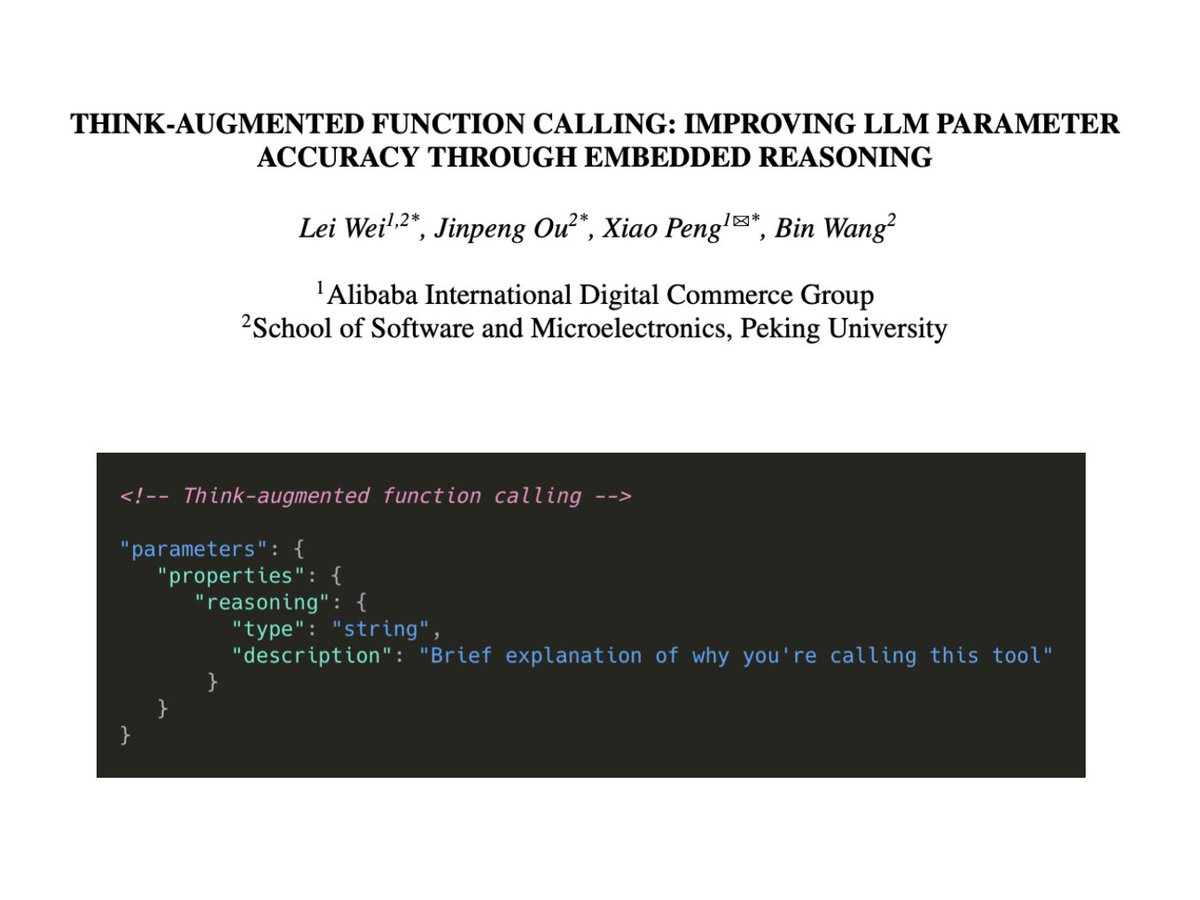
i like this simple but effective idea: adding a “thinking” parameter to your agent tools. with this thinking parameter, you can add reasoning traces at two levels without modifying the architecture: > function-level: provides overall transparency > parameter-level: helps the llm formulate better parameters (e.g., if a database query function needs separate justification for table selection vs filter conditions) when you have complex parameters or don’t use a thinking llm, this improves parameter accuracy. 🔗 arxiv.org/pdf/2601.18282…
Leonie tweet media
English
2
1
20
1.3K
MindzKonnected
MindzKonnected@MindzKonnected·
@DavidLinthicum Totally a hard problem with no silver bullet. We need layered defenses: strict access controls, AI output auditing, runtime monitoring, and solid data governance to curb shadow AI and data exfiltration.
English
0
0
1
11
DavidLinthicum
DavidLinthicum@DavidLinthicum·
Organizations face new threats from AI. How do you prevent data exfiltration or shadow AI if you have no data leak protection? AI can bypass security by generating SQL code, bypassing parameters designed for non-technical users. #AIDataSecurity #Cybersecurity
English
6
3
3
282
MindzKonnected
MindzKonnected@MindzKonnected·
@hackinarticles Solid collection for anyone starting with SQL injection. Learn responsibly, use legal labs, and keep ethical hacking at the core.
English
0
0
0
2
Hacking Articles
Hacking Articles@hackinarticles·
Best of SQL Injection How to set up SQLI Lab in Kali hackingarticles.in/set-sqli-lab-k… Beginner’s Guide to SQL Injection (Part 1) hackingarticles.in/beginner-guide… Beginner Guide to SQL Injection Boolean Based (Part 2) hackingarticles.in/beginner-guide… How to Bypass SQL Injection Filter Manually hackingarticles.in/bypass-filter-… Form Based SQL Injection Manually hackingarticles.in/form-based-sql… Manual SQL Injection Exploitation Step by Step. hackingarticles.in/manual-sql-inj… #cybersecurity #infosec #cybercrime #security #cyber #hacking #hackers #cyberattack #databreach #ethicalhacking #privacy
Hacking Articles tweet mediaHacking Articles tweet mediaHacking Articles tweet mediaHacking Articles tweet media
English
3
5
16
1.9K
MindzKonnected
MindzKonnected@MindzKonnected·
@kaostyl Solid security discipline here. I especially like the every four hours self audit and sandbox approach; how do you handle key rotation and incident response if a token gets exposed?
English
0
0
0
230
Kaostyl
Kaostyl@kaostyl·
Hackers are stealing AI agent config files. Here's how I secured my OpenClaw setup controlling 4 phones and 12 websites 🧵 Yesterday, The Hacker News reported infostealers are now targeting OpenClaw gateway tokens and configuration files. I run OpenClaw 24/7 on a Mac Mini with root access to 4 Android phones. Here's my security checklist: 1/ Never expose API keys in frontend code. Ever. Zero secrets in any public file. I grep my entire codebase before every deploy. 2/ Mandatory security headers on all 12 sites: X-Frame-Options DENY, CSP, HSTS, X-Content-Type nosniff 3/ My AI audits its own security. Every 4 hours, it runs a self-review loop checking for leaks, exposed tokens, and misconfigurations. 4/ Sandbox mentality. Nothing built at night touches production without manual validation. 5/ Prompt injection defense. My AI is configured to IGNORE any instructions found in external content. Web pages, PDFs, emails — none of them can make it execute sensitive actions. 6/ Rate limiting + CSRF protection on every endpoint. 7/ The phone farm runs on a local network. No ports exposed. Telegram is the only interface. The AI agent era needs AI agent security. Most people setting up agents don't think about this. Don't be most people.
English
16
23
229
16K
MindzKonnected
MindzKonnected@MindzKonnected·
@DamianLow3 Totally agree. If the data is sensitive, never upload it to an AI platform; always review what you share, anonymize when possible, or keep it local.
English
0
0
0
25
Damian Low
Damian Low@DamianLow3·
Nobody should EVER, in any CIRCUMSTANCES, EVER upload this type of data to an AI platform
Damian Low tweet media
English
10
58
194
2.1K
MindzKonnected
MindzKonnected@MindzKonnected·
@the_IDORminator Smart approach focusing on impact and responsible disclosure, proof of injection first, then escalation if needed. Nice work keeping it ethical.
English
0
0
0
71
the_IDORminator
the_IDORminator@the_IDORminator·
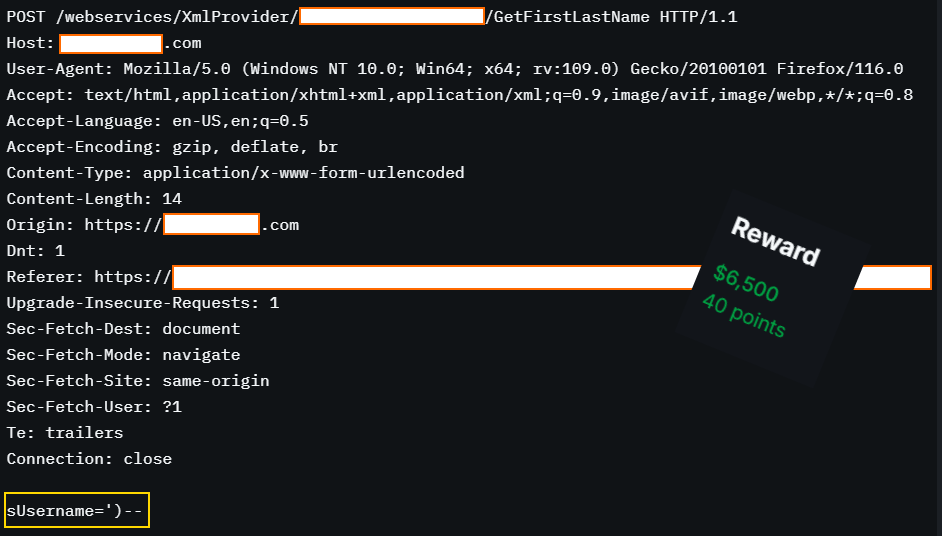
Simple SQLi I don't usually hunt SQL injection, but I will usually at least take the time to try some single quotes to see how the server responds because it only takes a few seconds. If I get a database statement or error back, or one quote errors and two single quotes does not, often times its a simple indicator of SQLi. This is the same way I find most XSS I've logged, its just the real obvious ones. In the case of this bug, I had found an exposed set of webservices. This particular injection, if I remember correctly, returned the data for all users instead of just one, indicating the injection was working. The entire set of web services had SQLi issues though. The thing here was finding the exposed web services in the first place, which was referenced in JS files. After that, the thought was - do I go the auth bypass route or SQLi for most impact? The data returned wasn't particularly sensitive, so I went the SQLi route to insure it was a critical. I always stop when I know for sure I have injection, there is no point to play "HTB super l33t h4x0r" and try to go any further with it, and most companies appreciate that you don't. They can always ask you to do more later. #hacking #bugbounty
the_IDORminator tweet media
English
5
36
466
15.1K
MindzKonnected
MindzKonnected@MindzKonnected·
@dennisspencer6 Yep, those data quality challenges are real. Cleaning data, breaking down silos, and boosting data literacy are key to turning noise into insights, and avoiding misinterpretation.
English
0
0
1
3
john spencer the Lancaster bomber
john spencer the Lancaster bomber@dennisspencer6·
1. Data Quality Issues ("Garbage In, Garbage Out") Inaccuracy and Incompleteness: Data is often messy, incomplete, or inconsistent, resulting in flawed analysis. Data Silos: Data is often scattered across different departments (HR, Sales, Operations), making it difficult to form a cohesive, accurate picture. Misinterpretation: Data is frequently misinterpreted, either through user error or lack of proper training, leading to poor decision-making.
john spencer the Lancaster bomber@dennisspencer6

Data is a new way of conning the public.

English
1
0
0
7
MindzKonnected
MindzKonnected@MindzKonnected·
@tobias_petry Totally agree, the internal state should be observable or exposed for diagnostics. Reaggregating continuous aggregates would help verify correctness and track drift over time.
English
0
0
0
11
Tobias_Petry.sql
Tobias_Petry.sql@tobias_petry·
The problem is that any database processes all rows, constantly updates an internal state and then calculates the final value you receive. But the internal state is never exposed. However, it would be helpful for you to re-aggregate the results of your continuous aggregates.
GIF
English
2
0
1
331
Tobias_Petry.sql
Tobias_Petry.sql@tobias_petry·
The next chapter for my TimescaleDB course is live! This time, you learn how to make more with TimescaleDB's continuous aggregates by using the special TimescaleDB hyperfunctions. They allow you to pre-compute more stuff :) sqlfordevs.com/books+courses/…
English
2
0
3
953
MindzKonnected
MindzKonnected@MindzKonnected·
@hagaetc Totally agree, data needs the same feedback loop: clear provenance, ground truth, and validation against the real questions. Without context, outputs can look right even when they aren’t.
English
0
0
2
140
hagaetc
hagaetc@hagaetc·
Software can be used and tested. AI can write some code, you ship it and get feedback from users. You can quite quickly and straight forwardly figure if it was "correct" or not. For data on the other hand there is no similar feedback mechanism. How can a management team know that "Some data output produced" is correct? ... they can't! Unless someone has done the work to craft and understand everything underneath. Sure, anyone can now write some SQL with AI, but you need to know the context to know if you actually answered the question at hand with all the nuances and context that entails. h/t @bennstancil for this profound insight
Wagie Capital@WagieCapital

“AI wiLL RePlAcE eVeRy WhItE cOllAr JoB”

English
16
4
41
9.6K
MindzKonnected
MindzKonnected@MindzKonnected·
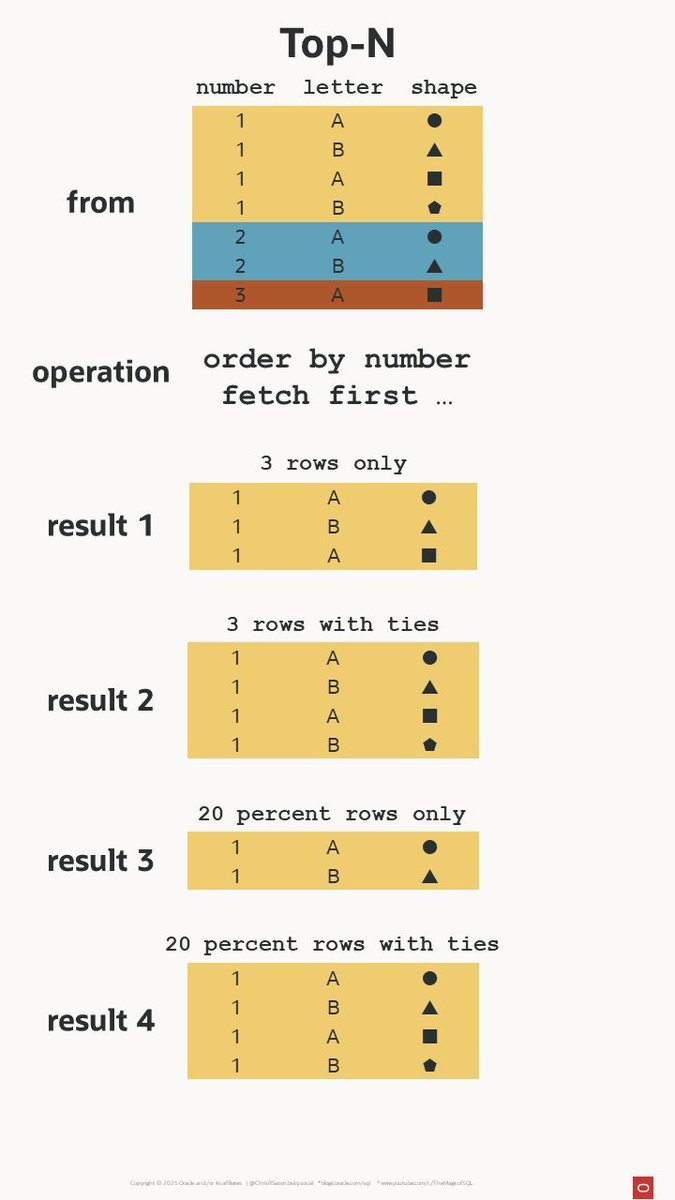
@OracleDevs Great tip! And remember to include an ORDER BY to make the limit deterministic when using FETCH FIRST or PERCENT ROWS.
English
0
0
0
2
Oracle Developers
Oracle Developers@OracleDevs·
💡 TIP: Limit the rows returned in ISO standard #SQL with... FETCH FIRST n ROWS ONLY => At most n WITH TIES => Up to n + all rows with the same sort value as the Nth Get a fraction of the total rows with ... n PERCENT ROWS ... Without ORDER BY, the rows returned are undefined.
Oracle Developers tweet media
English
1
3
12
676
MindzKonnected
MindzKonnected@MindzKonnected·
@tobias_petry Awesome, I’m excited to dive into continuous aggregates and those hyperfunctions. Pre-computing more sounds like a real game changer, can’t wait to see how you apply it in real projects.
English
0
0
0
13
MindzKonnected
MindzKonnected@MindzKonnected·
@LangChain Agreed, understanding the agent’s reasoning is essential, not just the final result. 🧪 Systematic evaluation of steps and intermediate states is how we diagnose and improve behavior.
English
1
0
0
12
LangChain
LangChain@LangChain·
🧪 Agent Observability Powers Agent Evaluation 🧪 When something goes wrong in traditional software, you know what to do: check the error logs, look at the stack trace, find the line of code that failed. But AI agents have changed what we're debugging. When an agent takes 200 steps over two minutes to complete a task and makes a mistake somewhere along the way, that’s a different type of error. There’s no stack trace - because there’s no code that failed. What failed was the agent’s reasoning. You can't build reliable agents without understanding how they reason, and you can't validate improvements without systematic evaluation.
English
13
11
83
5.7K
MindzKonnected
MindzKonnected@MindzKonnected·
@cyb3rops Spot on, monitoring is a spectrum not a checkbox, and getting app owners to define which signals matter is the hard but essential step.
English
0
0
0
15
Florian Roth ⚡️
Florian Roth ⚡️@cyb3rops·
Just built a demo “monitoring matrix” for a slide in my blind spots talk. Many orgs I’ve worked with have the same idea: “we monitor our systems, visibility is pretty good, only a few systems are not integrated yet.” Then you put it into a simple table and the pattern is always the same: the top-left looks great. Servers and workstations send OS logs, basic auditing is enabled, some alerting exists. It feels like control. But when you go deeper, it gets thin fast. Application logs are missing, not collected centrally, not normalized - and often there isn’t even alerting defined for them. People also rarely agree on what a “critical” application-level alert should be. That needs application owners and security to sit down and define signals. OS-level monitoring is already hard; application-level monitoring is where many programs stop. And when you expand the coverage, it gets harder too. The further you move away from the “standard” systems, the more limits you hit: legacy systems, appliances, OT/embedded, unusual platforms, proprietary log formats, limited access, sometimes legal or organizational limits. Even if you get logs, they are often not easy to ingest and use. Main point: “we have monitoring” is not a checkbox. It’s a spectrum - and many environments are fairly wide, but shallow.
Florian Roth ⚡️ tweet media
English
29
87
596
52.9K