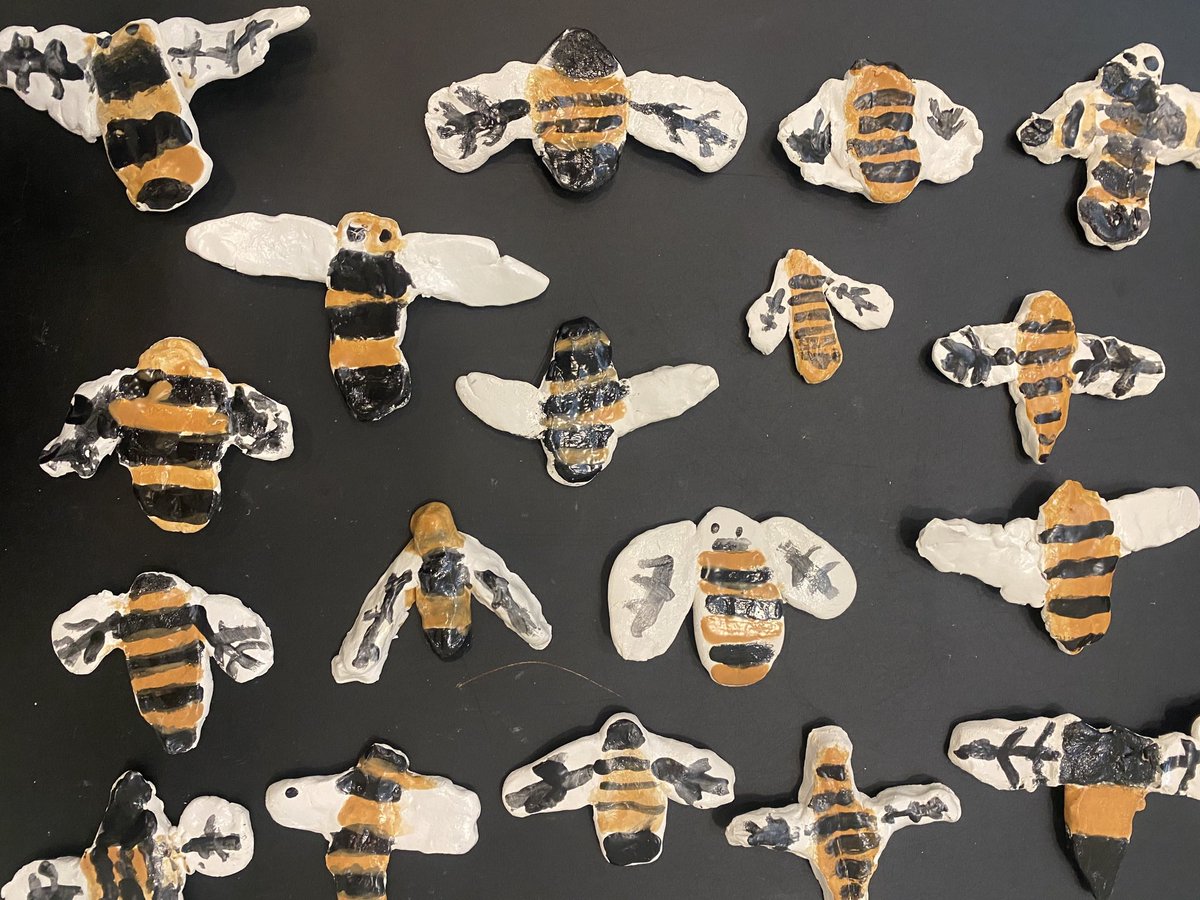
Some close ups of our 7/8 monochromatic colour theory self-portraits, our 2/3 ceramic bees, our warm cool grade 1 self-portraits and grade 2 recycled animal collages. These huskies love creating 🎨 ✏️ ✂️ 🐝 @DrGeorgeHallPS@TLDSB
Our 8’s are giving back to the place it all started for them: KINDERGARTEN.
K’s have drawn an animal & The 8’s have wood resized, reproduced + wood burned their animals onto wooden blocks to be included in their K play. @DrGeorgeHallPS@TLDSB#tldsblearns
SPOT: 🦒🦈🐍🦤🦊🐗🦥
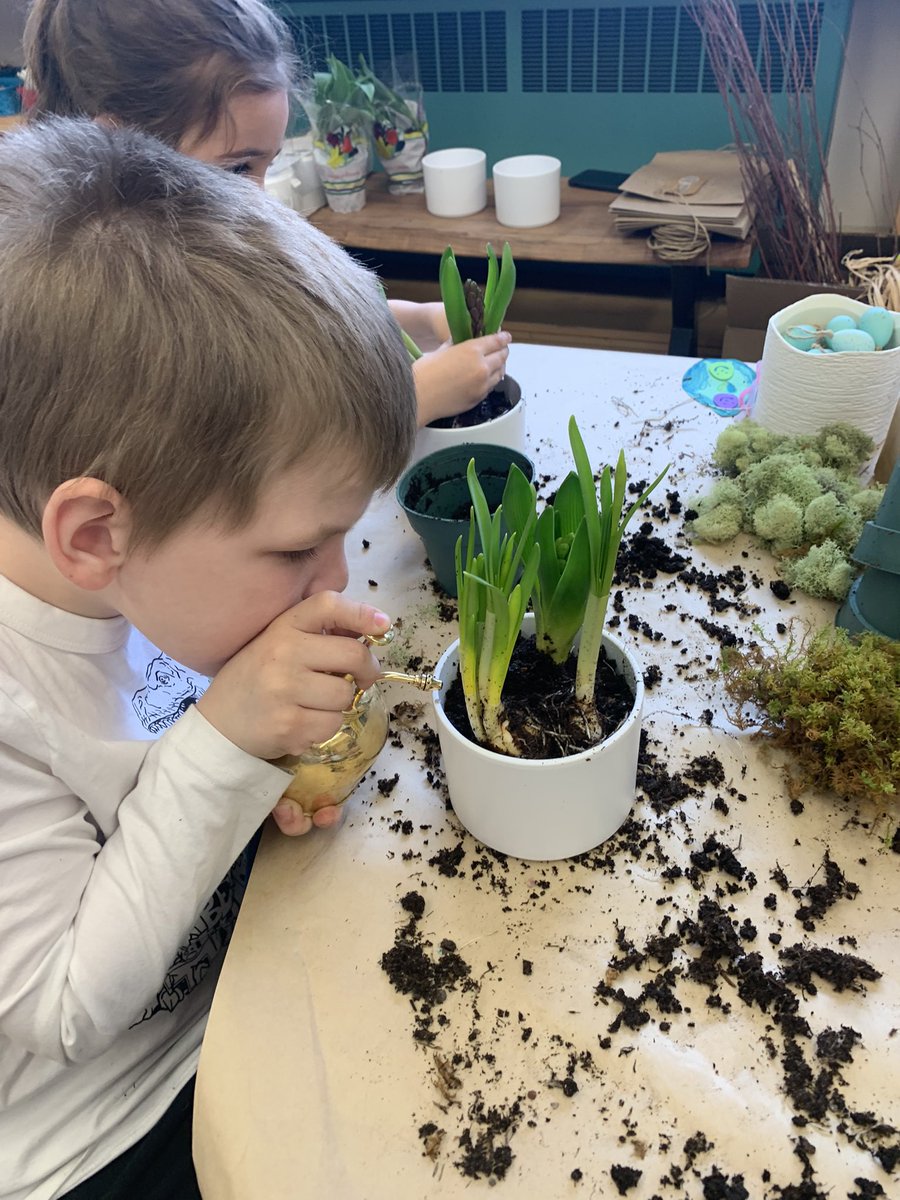
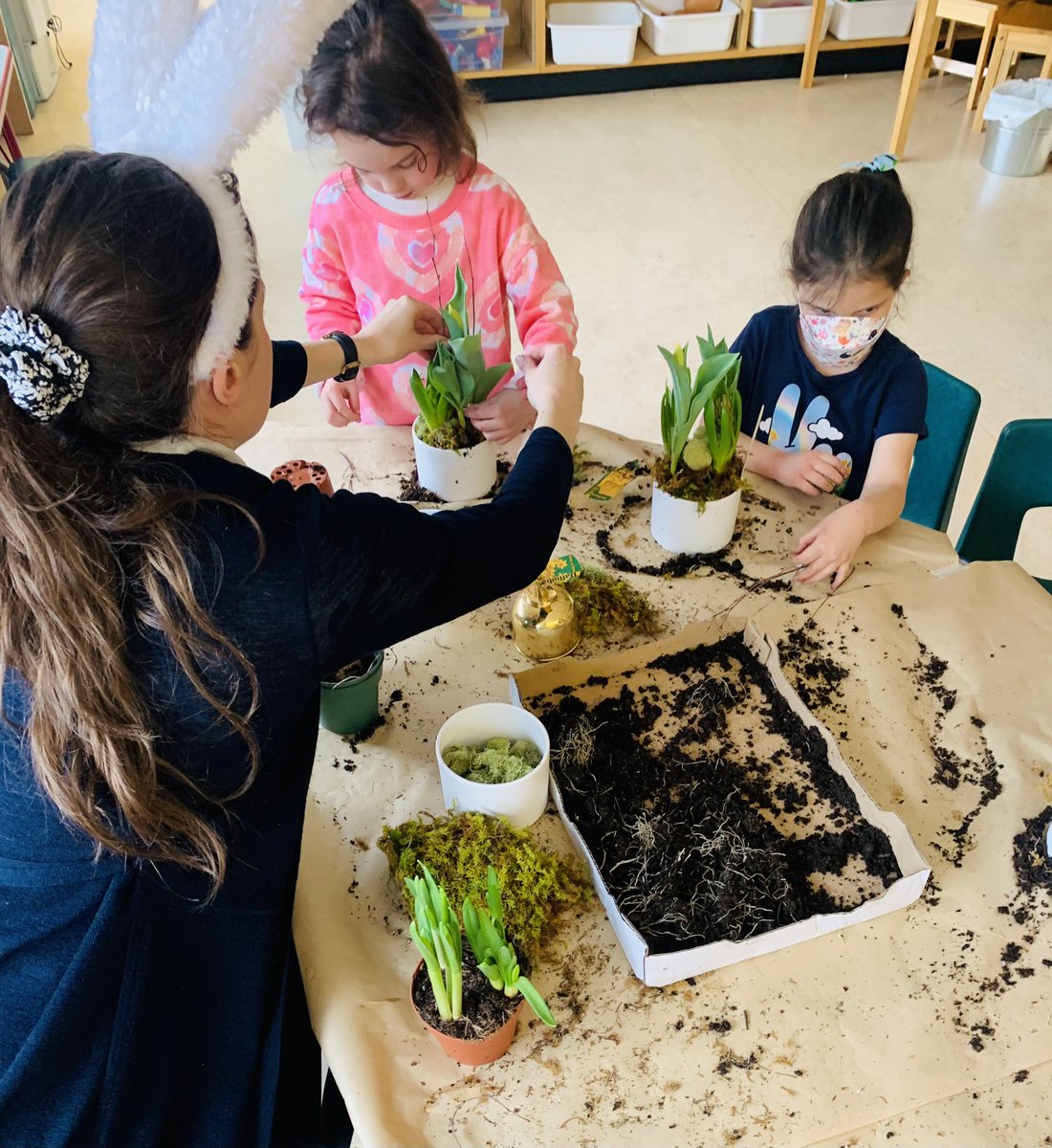
My sister came to Kindergarten today to teach us how to plant spring bulb gardens! ♥️🌱 Our class couldn’t believe there was two Ms. Marquis’ in one room!! #tldsblearns#messylearning
@myrahmarquis This looks so fun! Also looks like a great opportunity to teach/reinforce the /r/ sound and use the rainbow as a memory and sensory tool for letter formation :) You're a star, Myrah Marquis!
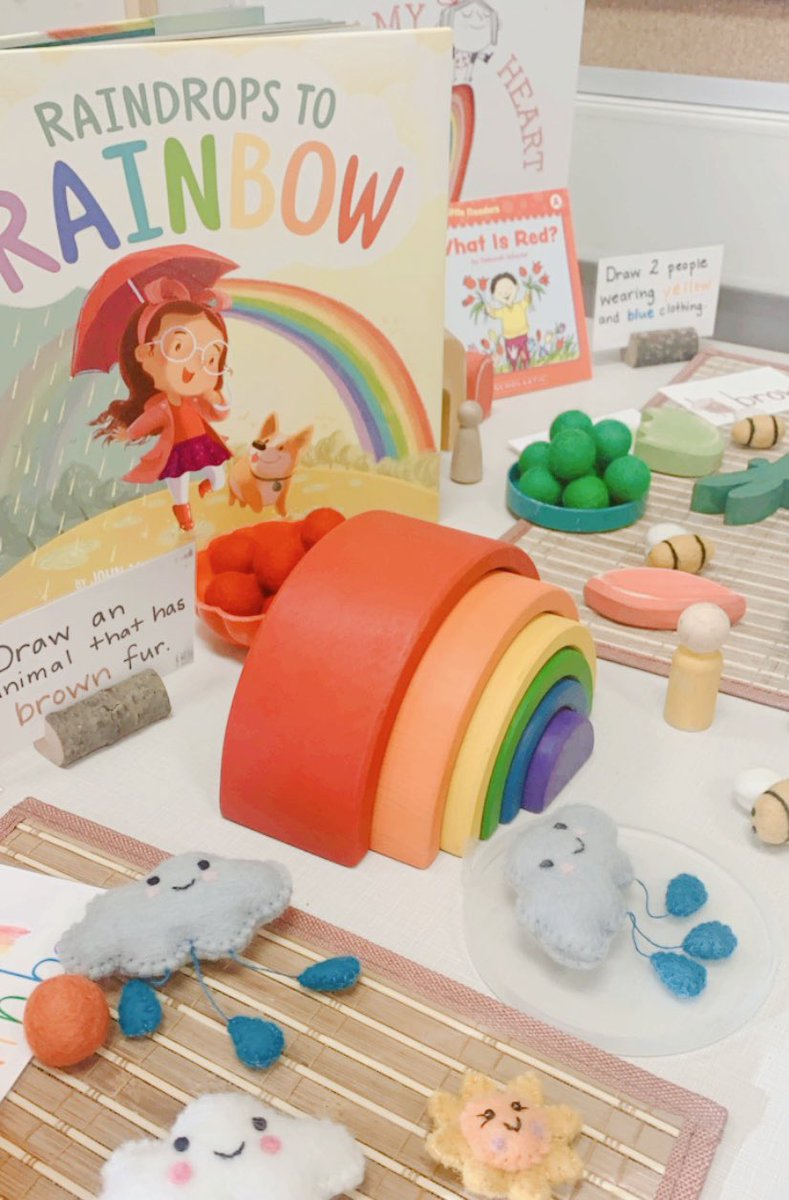
Exploring creating provocations using colour. Students were invited to learn more about colours, weather and rainbows using a variety of loose parts, literature and art. 🌈
Looking for decodable books to help children practice a skill you're teaching related to digraphs, vowel patterns, blends, or even moving in to reading multi-syllable words? This site is a great free resource to add to your toolkit. beyonddecodables.com/books
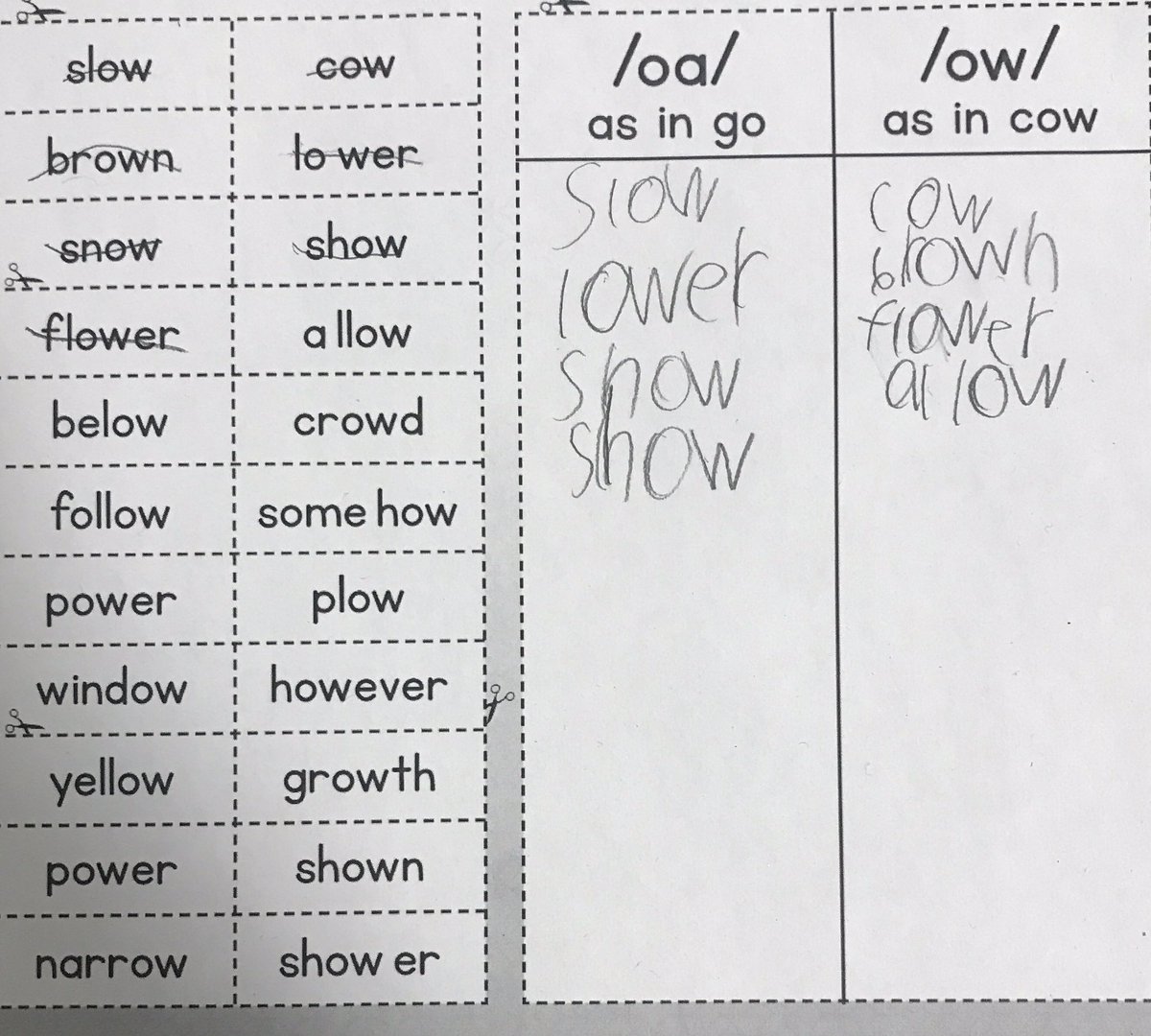
Taking this activity one step further by asking students to cover the word after they read it and apply their sounds as they write and sort the words, allows them to apply multiple literacy skills they’re learning.
Pairing or contrasting sounds with the same spelling helps students to learn and apply the “Flex It” reading strategy. “Is that a word I know?” & “What other sound could this make?” are important metacognitive questions to ask as we’re reading and require direct teaching.
@CalliCraft Yes! For syllables specifically, we do a little chant/sing-songy thing where I say a word, they repeat it & then count the beats. Then I move to teaching them the ‘chin trick’ as another tool to help them write/spell in sound chunks by stretching syllables. This was the 3rd part.
@MissHainer Kristy, do you usually go through the syllable breaks orally first and then connect to print when in the beginning stages? This is such a great way to bridge sound by sound and whole word reading!
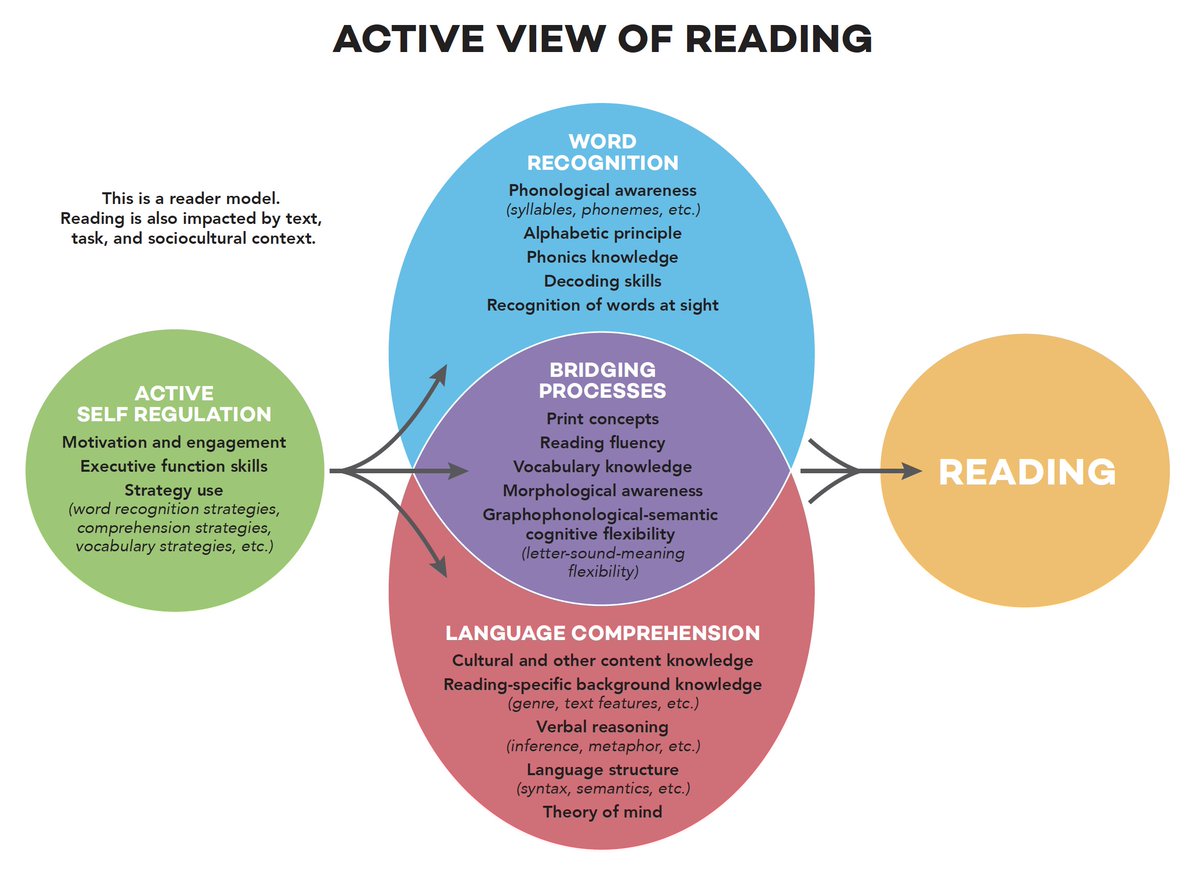
How are we teaching kids how to read multi-syllable words? There’s so much front-loading that goes into this: knowing the sounds for each grapheme, recognizing the various spellings for long vowel sounds, identifying rime units, flexing both sounds and syllable breaks & much more
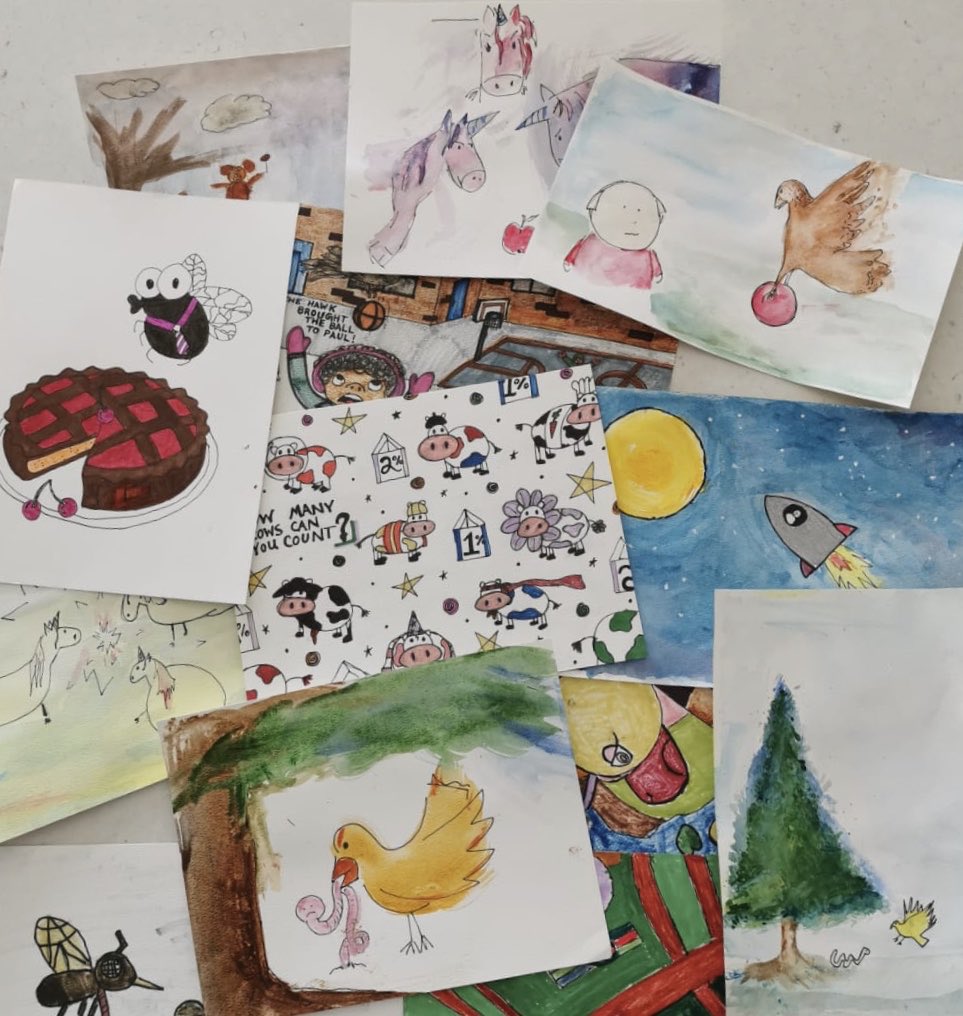
Check out this fabulous artwork our @IEWeldonSS students submitted for our new phonics resources!! If you’d like more information on this art project and how you can get involved, please contact me! @LeanneC3046@CLGuerriero
"Vocab instr. is the central connection pt. between the word identification system and the comprehension system." Really useful instr. moves listed in this article for explicitly teaching vocabulary FOR LEARNING (for use now & later) vs. performance.
eminamclean.com/post/explicit-…
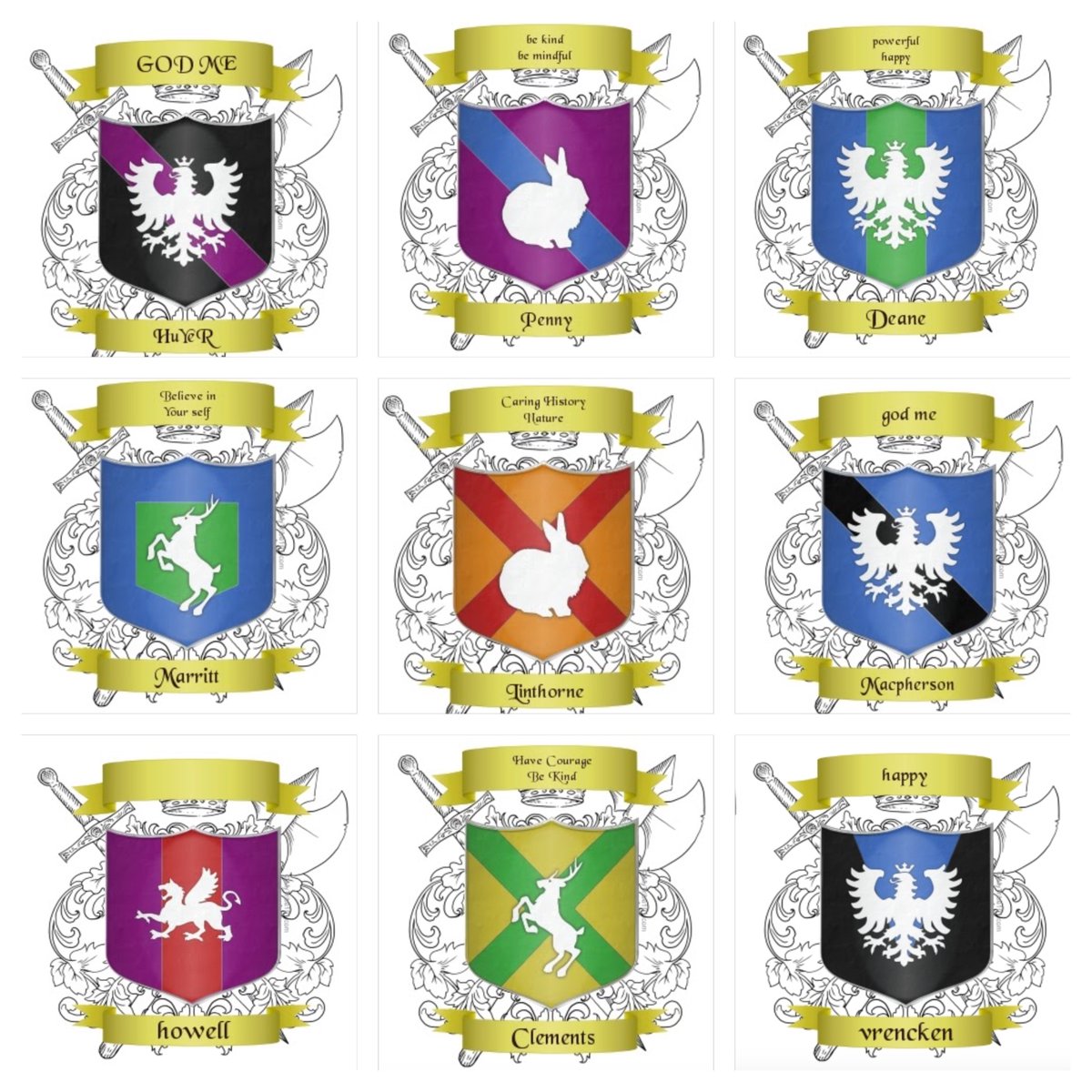
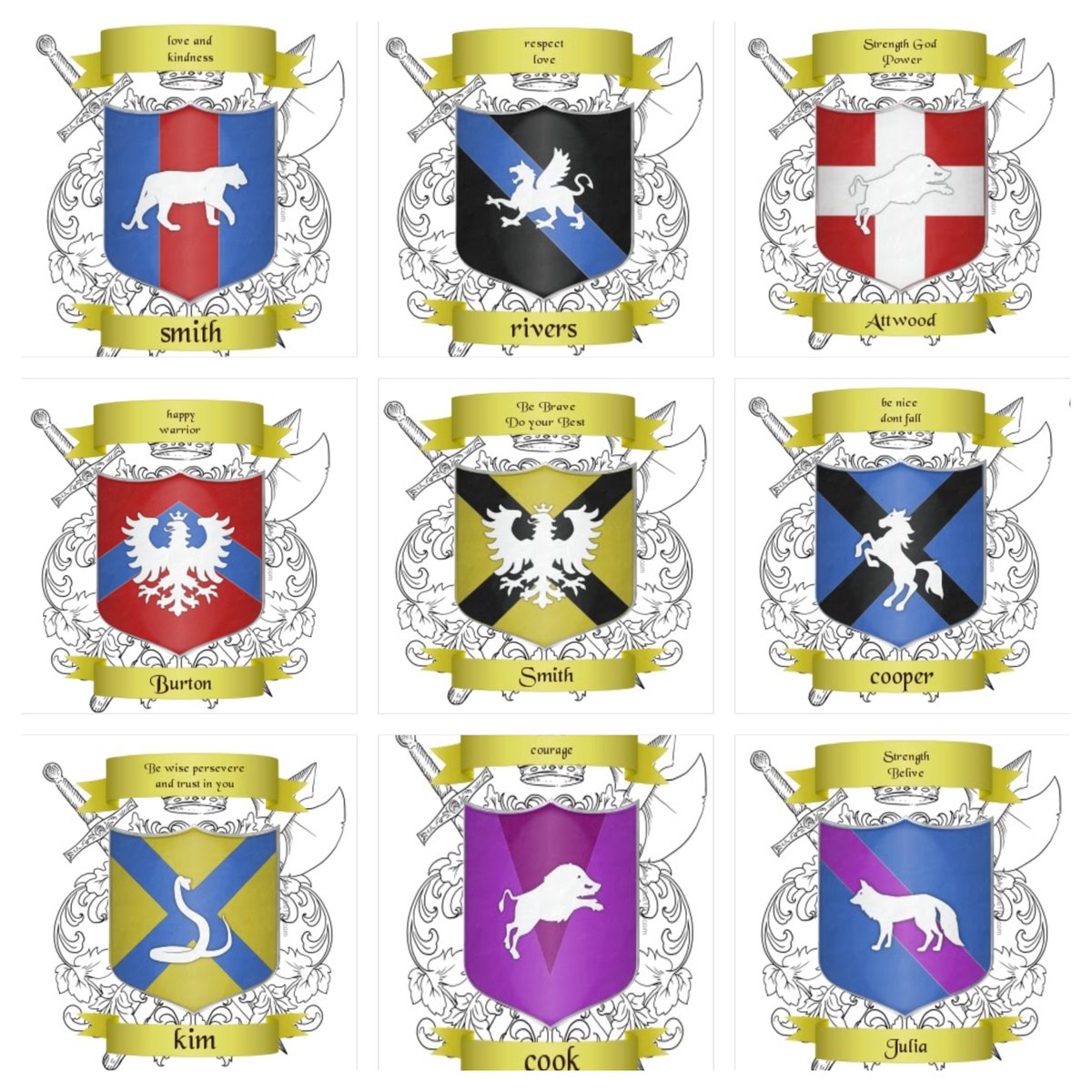
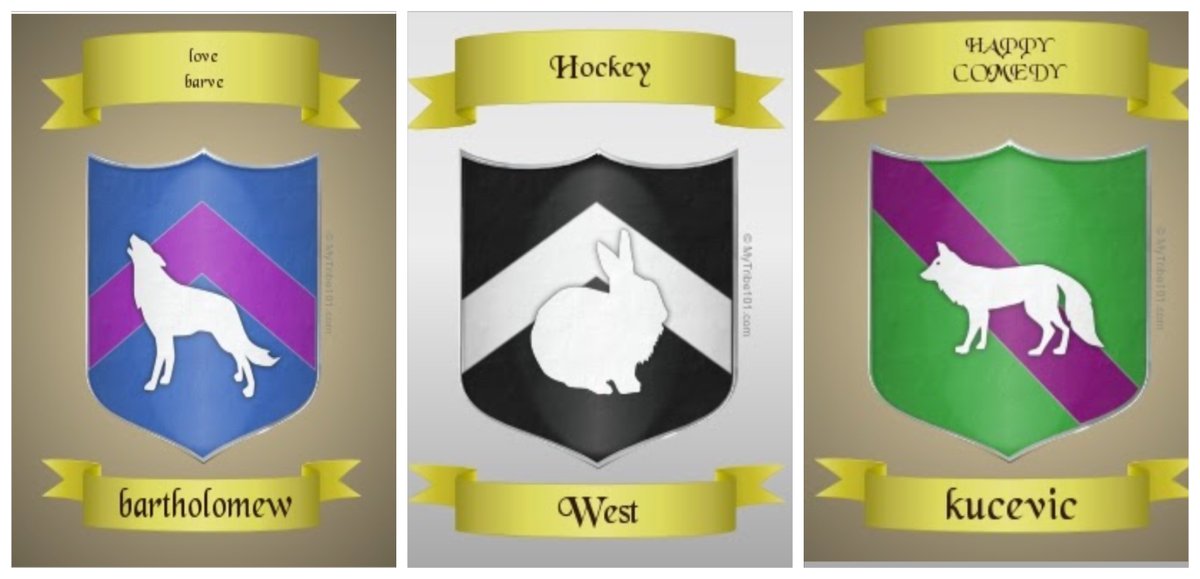
The 4's are SO into our Early Societies learning & cannot get enough of the learning we have been doing on SYMBOLISM & COMMUNICATION. My university Semiotics Prof would be very proud! Check out the outcome of our Heraldry lesson below @TLDSB@DrGeorgeHallPS#Heraldry
Today everyone was tweeting about the Inauguration
Tomorrow everyone in Ontario will be tweeting about how teachers were told they can go back to work in certain regions but we can’t see people outside of our home #StayAtHomeOrder
The highs and lows of Twitter & I’m here for it