Ancestral Whispers@Sulkalmakh
Facial reconstruction of a 9,400-year-old EHG from Minino, Vologda Region
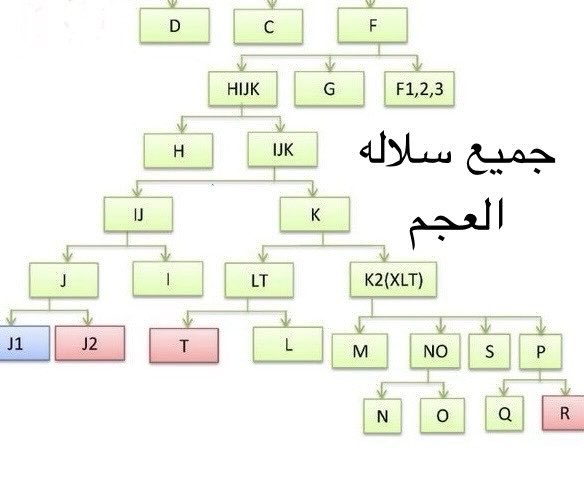
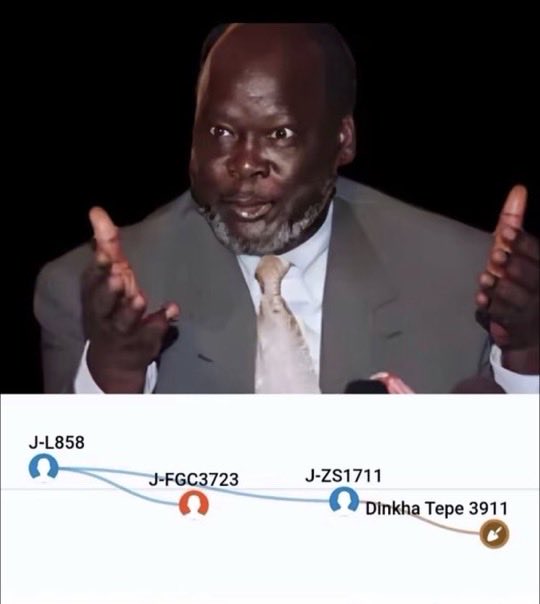
This individual (Minino 2, Burial 3 / MIN3), carrying Y-DNA haplogroup J1 and mtDNA haplogroup U4a1, is one of the oldest known J1 ancient DNA samples identified to date, alongside Satsurblia CHG from Georgia and Nemrik PPN from Iraq. Autosomally, he was a typical EHG individual (Hofmanova et al. 2022).
The Minino archaeological cluster, located on Lake Kubenskoye (Minino I and Minino II, Vologda Region), was identified and systematically described by A. V. Suvorov, who studied the Mesolithic and Neolithic materials from the site (Suvorov, 2001).
The analysis of the craniological characteristics of the male skull series from Minino revealed similarities with the populations associated with the Veretye and Onega cultures. The morphological variant represented by the Minino 2 population is most frequently found among Mesolithic and Upper Paleolithic populations of northern Eastern Europe. Similar cranial features are observed in individuals from Mesolithic burial sites such as Yuzhny Oleniy Ostrov, Popovo, Peschanitsa, Zvejnieki, Vasilievka I, and several others.
The males from the Minino burial ground had, on average, a medium-large cranial length (183.3 mm) and a medium-small cranial breadth (135 mm) (A. P. Buzhilova, 2017).