

Moony
86 posts
Moony
@Moony_SSB
21 | #99999 PR N.J. | Aspiring good Inkling main | Discord: Moony#0001 |
Katılım Ocak 2019
102 Takip Edilen49 Takipçiler


we're so good???
Schu@SchuStats
US State rankings! Methodology/what the numbers mean and data in the thread👇
English
@chuckcook @elonmusk @Tesla @Starlink @cybertruck Wow that’s great. Do you think ASS and reverse are coming in 12.5 too?
English

@elonmusk @Tesla @Starlink @cybertruck Great news and thank you for the confirmation! So many are excited for @Cybertruck FSD(S).
English
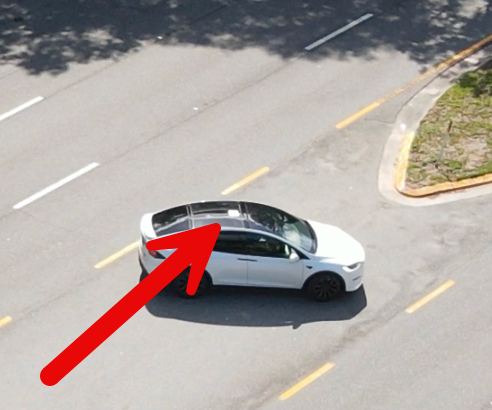
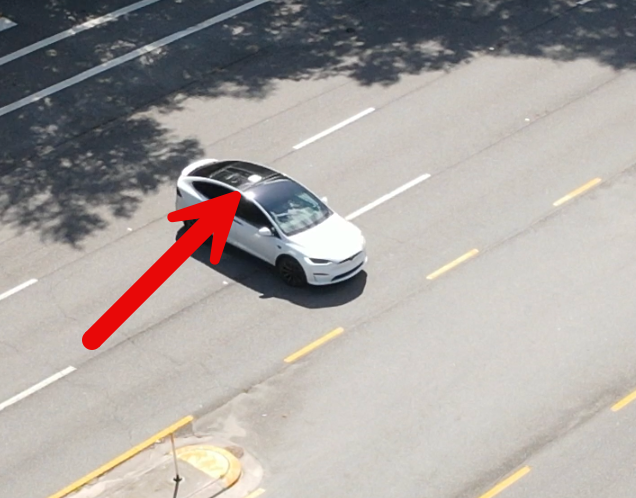
In yesterday's video of the @Tesla ADAS Operators validating FSD Supervised v12.5 it was observed that one of the vehicles is possibly using a @Starlink Mini. @elonmusk also wondering if you can help clear up if the @cybertruck is still in line to get FSD(S) with the release of v12.5 as previously estimated? @Tesla_AI
English
@chuckcook Hey Chuck is there a camera that you can place on the right b pillar? It’d be great to see if the car has visibility to the right on the median on your UPL. Was thinking about this when watching your recent UPL tests.
English
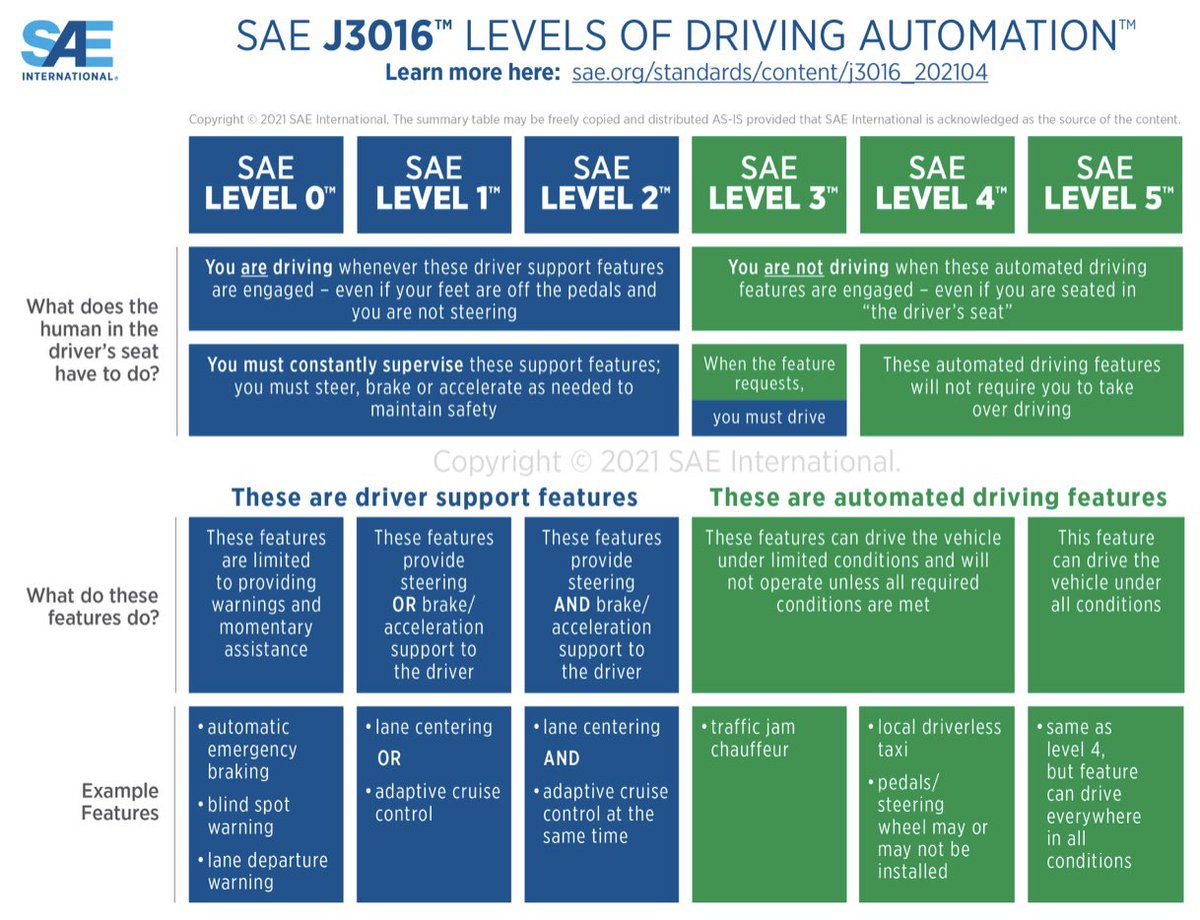
@garyblack00 This really just hinges on when Tesla decides the system is safe enough to defer liability to the driver, which necessarily depends on the capability of the system. So the better v12 performs, the less unrealistic it becomes for WS to value it. SAE isn’t a proxy for capability.
English
FSD v12 needs to be SAE L4 (vehicle drives itself without intervention 99.9% of the time) for WS to put value on it in excess of a 10-15% take rate attached to $TSLA EV sales. If it’s not L4, which is needed for a robotaxi valuation, then FSD is still just an excellent driver assist tool with little incremental value to $TSLA valuation.
westcoastzest@Westcoastzest
@garyblack00 @garyblack00 honest q but what do you think would convince WS that V12 FSD is drastic improvement and therefore begin to price in some level of FSD success?
English
@wholemars @realwhitakerb When are the videos dropping I’m dying over here
English

I saw FSD 12 read a stop ahead sign, allowing it avoid running a stop sign that it always tries to run (coit tower)
English


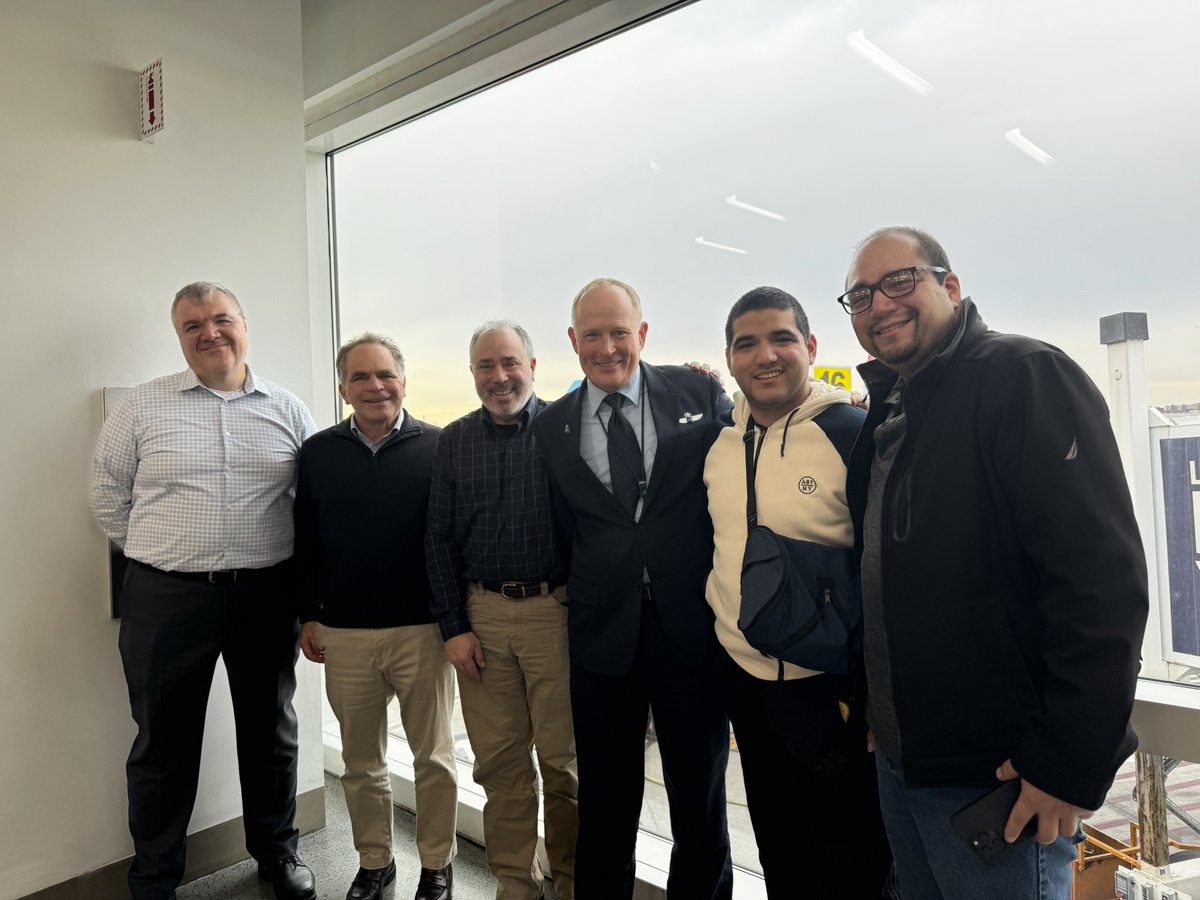
Went to see the Cybertruck in NY on my way to JFK Airport to see the event, looks crazyyy! @chuckcook @elonmusk
English
Hey @chuckcook thanks for captaining me and my dad’s flight! Hope to see you in Austin soon!
English
@MartinViecha Thanks Martin for the update. Looks like I didn't make the lottery so if anyone wants a real fun plus one .. let me know ..
Oh by the way, to make it fun I am the operating Captain on JetBlue 295 JFK AUS on the 29th. Let's make it a shuttle!
English
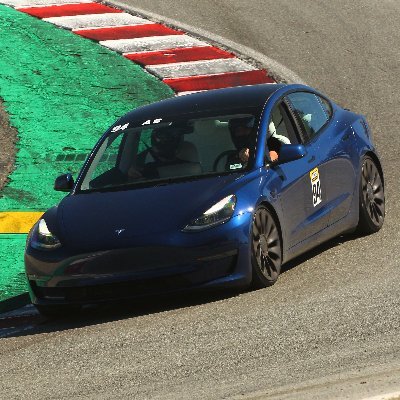
Invites are out! Check your (spam) inbox everyone. If you did get an invite, please do consider inviting a fellow TSLA community member to the event as your +1. C u in 2 weeks!
Martin Viecha@MartinViecha
Cybertruck Delivery Event shareholder lottery! If you want a chance to attend, please sign up here 👇 ir.tesla.com
English
Polling for interest.
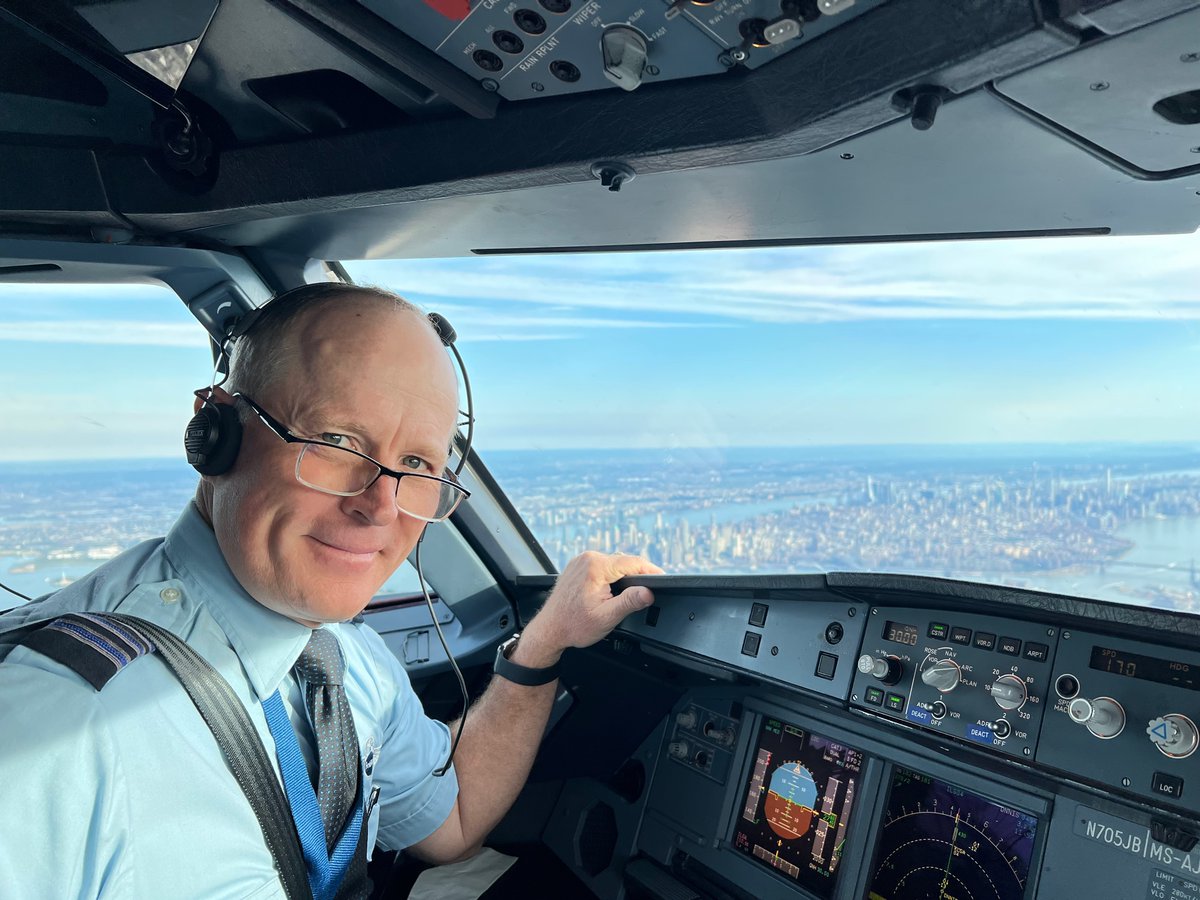
Of those heading to AUS for the Cybertruck delivery event .. Would anyone be interested in flying to Austin on Jetblue Flight 295 Departing JFK at 420PM Arriving AUS at 744PM on the 29th of Nov? This is not a sponsored flight, I am just thinking of operating (Flying Captain) that flight and thought it might be fun. @elonmusk you are invited if you want to make it a party. I don't have an invite, still hoping for that to happen.
English
Moony retweetledi

A nicely constructed and explained napkin-math valuation for Tesla's FSD in the referenced tweet below.
You might prefer different assumptions but conservative numbers give FSD a valuation that is 10x the value of just selling cars. The assumptions in the model below are modest. You can construct reasonable scenarios that produce even higher value.
When FSD is delivered as a product this is what will happen. For it to not happen Tesla would have to become unable to make cars or FSD would have to be technically impossible. Competition doesn't matter because the market cannot be saturated in the next 2 decades. It's "quasi infinite".
Why don't we see more discussion of this looming transition? Because the numbers are nutty and serious people don't talk about nutty things. Mainstream pundits and analysts can't afford to seem nutty so FSD gets ignored with the justification that it's too speculative.
But this isn't a difficult truth to uncover. There are hundreds of thousands of vehicles out there using development versions of this technology and the progress is clear. It's happening and we're getting close.
Cern Basher@CernBasher
Let's have some fun "valuing" Tesla FSD + Autonomy... ... Introducing the "CERN" Model for Tesla - a Conceived Estimate of Robotaxi Network. Let's look at just the potential value of Full Self Driving "FSD" software + Autonomy. (Note: I say "potential" - as this isn't a company valuation model and these are not predictions - the purpose is simply to show "what if") The CERN model shows what if values for Tesla FSD + Autonomy of $329 billion today and $9.4 trillion in 2035. In other words, every new vehicle sold, which expands Tesla's potential fleet, adds $72,000 to the CERN model for Tesla (and yet Wall Street is worried about today's margins?!) This is what @elonmusk means when he says, "The value of the company is primarily on the basis of autonomy. That's really, I think, the main driver of our value." Let's see how we arrive at these numbers... The assumptions: 1) Tesla sells their vehicles at cost and only makes money from FSD software subscriptions and Robotaxi revenue. 2) Tesla has sold a cumulative 4.9 million vehicles as of 2023 Q2 and will sell a cumulative 130 million vehicles by the end of 2035 (19 million in that year - 5 years later and 1 million less than the company's 20 million target by 2030). These vehicles are considered to be the "fleet." 3) The CERN model excludes all other revenue from Energy, Insurance, Supercharging, Service, DOJO and Bots. 4) All vehicles subscribe to FSD (no purchases) and the cost of monthly FSD subscriptions are $200. 5) Autonomous vehicles drive 60,000 miles per year, generate $0.30 per mile in revenue and Tesla takes 25% of the fleet revenue. 6) Net profit margins over time are 35%. 7) And investors give the company a P/E multiple of 30 for steady, growing, high margin earnings. None of the numbers in the model are discounted to the present. The model's results: FSD: Based on today's fleet size, annual potential FSD revenue is $11 billion. By 2035 potential FSD revenue would rise to more than $300 billion. Autonomy: Based on today's fleet size, annual potential revenue from autonomy is $20 billion. By 2035 potential FSD autonomy revenue would climb to $580 billion. Combined, annual potential FSD and Autonomy revenue, based on today's fleet size is $31 billion. By 2035 potential FSD and Autonomy revenue would expand to $895 billion. Applying a net profit margin of 35% and an earnings multiple of 30 to those revenue figures gives us a CERN model what-if-value of $329 billion today and a what-if-value of $9.4 trillion in 2035. For comparison, Tesla's total market capitalization today is around $850 billion. Finally, from Elon, "The short term variances in gross margins and profitability really are minor relative to the long term picture. Autonomy will make all of these numbers look silly." $tsla
English