Sabitlenmiş Tweet
MoundLore
28.5K posts
MoundLore
@MoundLore
I write things. Uncovering America’s forgotten past. Fact-driven. Lore-obsessed. Mounds, myths, maps. I understand people.
Katılım Kasım 2024
430 Takip Edilen29.9K Takipçiler

MoundLore retweetledi
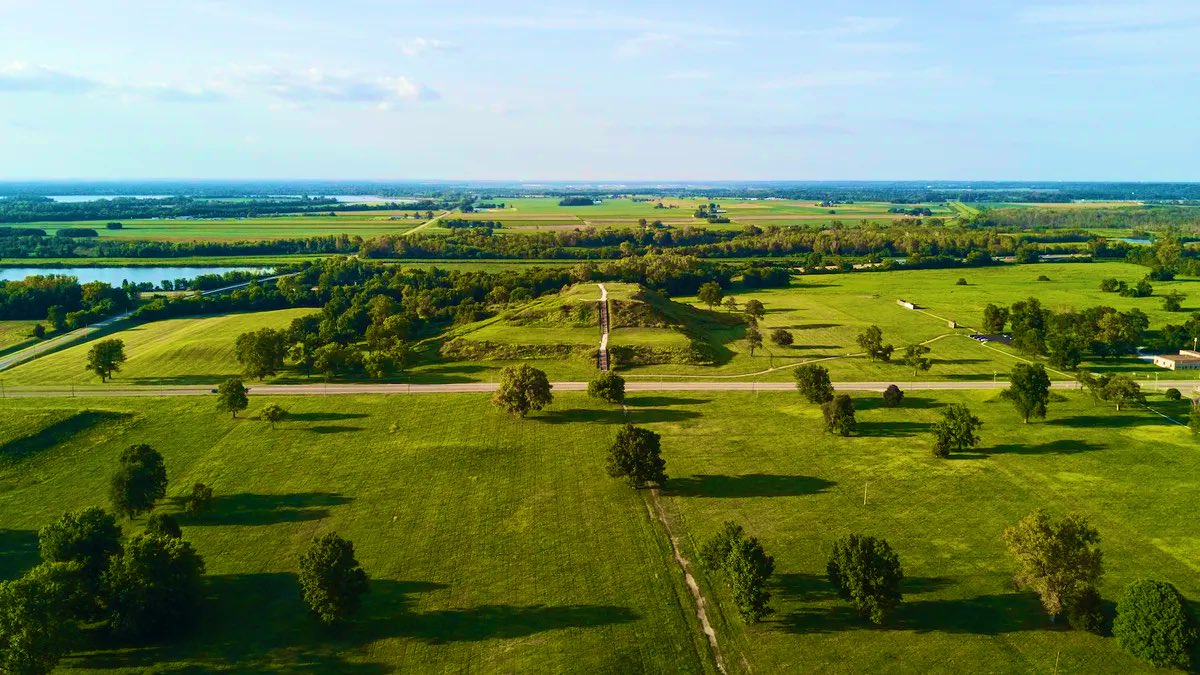
Quick drive by of monks mound.
Helps with the scale.
MoundLore@MoundLore
The Great Pyramid is world-famous. Monks Mound? Almost erased from history. Two massive pyramid-like structures. Two advanced cultures. One vanished without a trace. Was it just ancient ingenuity? Or are we missing a much bigger story? What do you think?
English
MoundLore retweetledi

MoundLore retweetledi
They built a mountain with no stone.
A skyline with no steel.
A city that vanished before America began.
At its center: Monks Mound.
Ten stories high…hand-made.
Fourteen acres wide carved from pure soil.
Over 20 million basket-loads of earth, one at a time.
It’s in Illinois
English
MoundLore retweetledi
MoundLore retweetledi
Around 1124 CE, leaders at Cahokia commissioned the movement of a single tree weighing nearly 5 tons from over 100 miles away.
One tree.
One year.
One destination.
Tree-ring data locks the felling date.
Isotope chemistry traces where it grew.
Both say the same thing: this was planned long in advance.
That means route selection.
Seasonal timing.
Labor coordination across river corridors.
Communities aligned to a shared command.
This was a deliberate signal.
A monument like this only appears where:
• leadership can mobilize surplus labor
• food systems are stable enough to absorb disruption
• ceremony operates as public infrastructure
• belief reinforces governance in physical form
Moving that log required more than strength. It required consensus or authority… at scale.
Cities don’t gamble effort like this unless they’re confident the system will hold while hundreds stop producing food to move meaning instead.
That tree stood as proof:
power could be summoned,
distance could be collapsed,
and ritual could be engineered.
I don’t ponder the movement.
I wonder how complete the system already was and how much of that completeness disappeared before anyone wrote it down.
English


A wonderful 38ft mural of the late great KURT VONNEGUT - in his hometown of Indianapolis.

English
MoundLore retweetledi

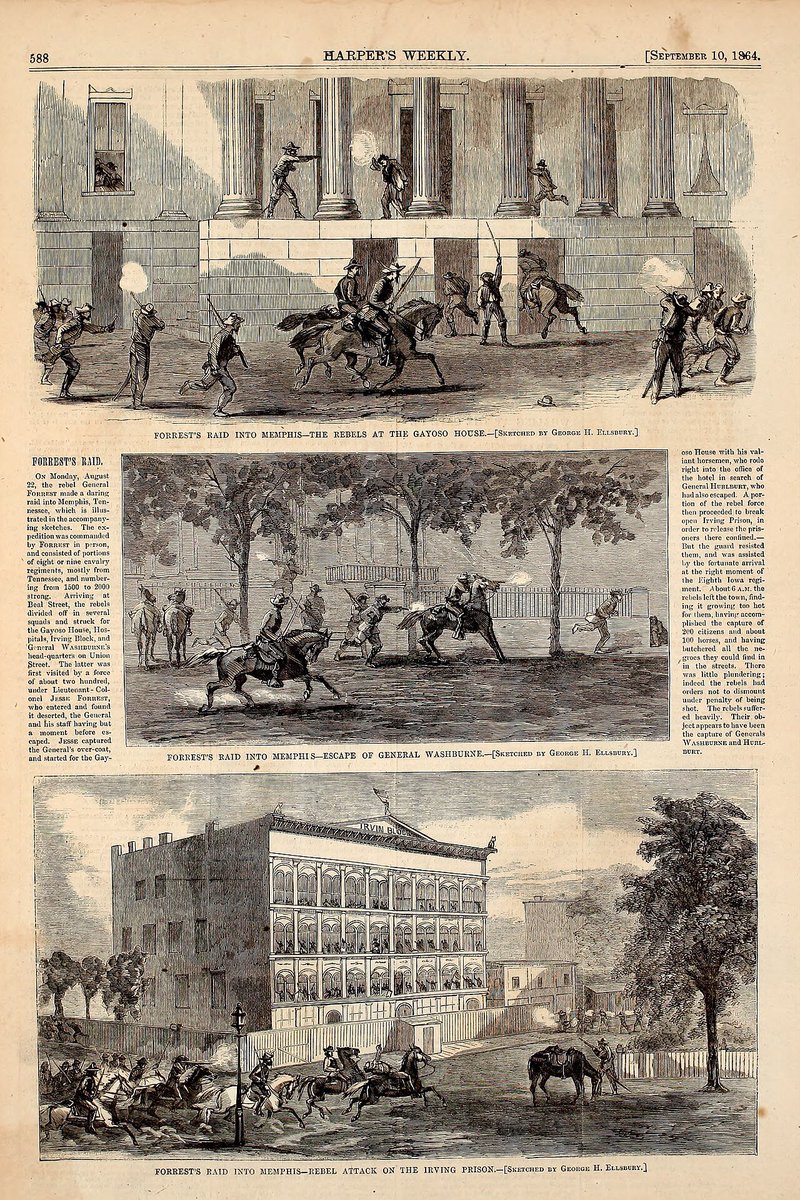
"Forrest's Raid" sketched by George H. Ellsbury (Harper's Weekly, September 10, 1864)
English

@MoundLore Do you think the airport was built to hide other mounds/sites? I read where many communities covered up sites with airports, golf courses, and parks
English


MoundLore retweetledi



The Pacific Northwest doesn’t forget.
It buries evidence.
Along the coasts of Washington and Oregon, scientists keep finding thin bands of ocean sand inside freshwater marsh.
Miles from the shoreline.
They show up where they shouldn’t… then show up again.
Each layer marks a moment the Pacific moved inland in minutes.
Tsunamis.
Between those layers are roots, peat, and soil…. years of quiet life.
Then another band of sand.
In some places, the pattern repeats again and again. A coastline living normally… then erased.
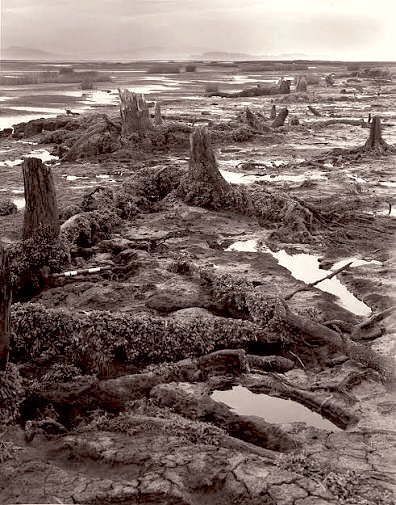
At the same time, entire forests dropped suddenly below sea level. Cedar and spruce killed where they stood. Still there today… gray trunks rising out of tidal flats.
They drowned.
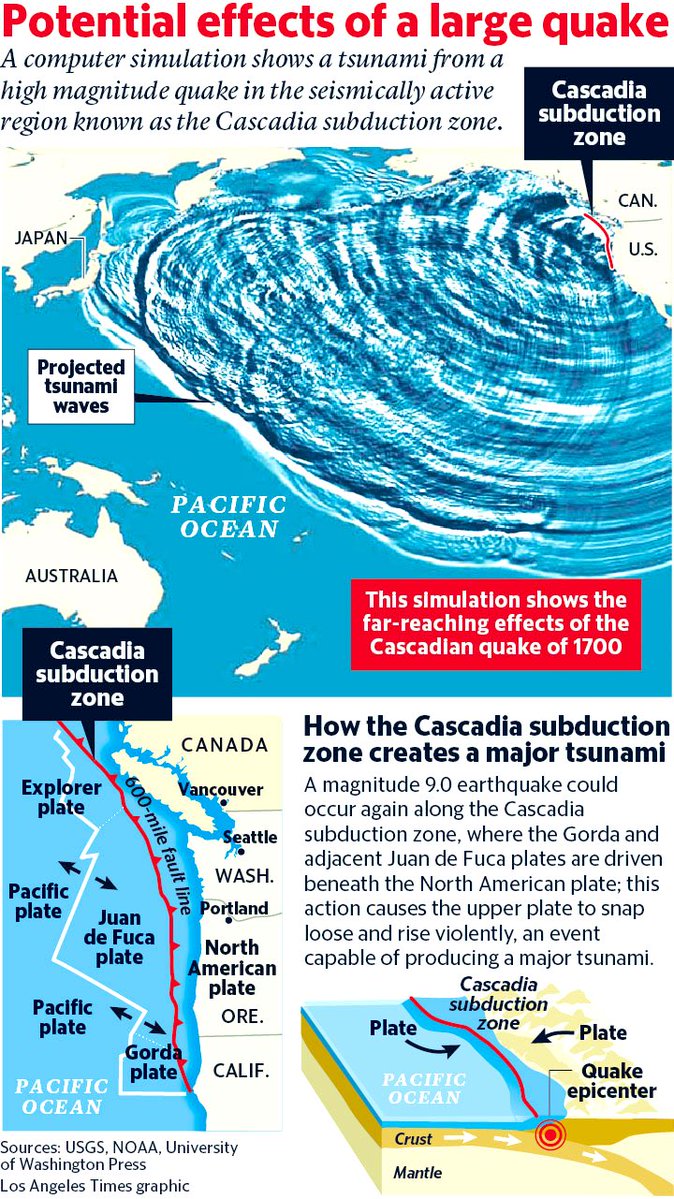
Because during a full Cascadia Subduction Zone rupture, parts of the coast can drop several feet almost instantly and the ocean follows.
In past events, water has pushed miles inland. Fast enough to leave debris tangled high in tree lines and saltwater buried deep in the soil. No warning.
No time to run.
Indigenous accounts describe nights where the ground shook and the ocean came in fast, swallowing villages.
Those stories weren’t metaphor. The ground says the same thing. The last full rupture was January 1700.
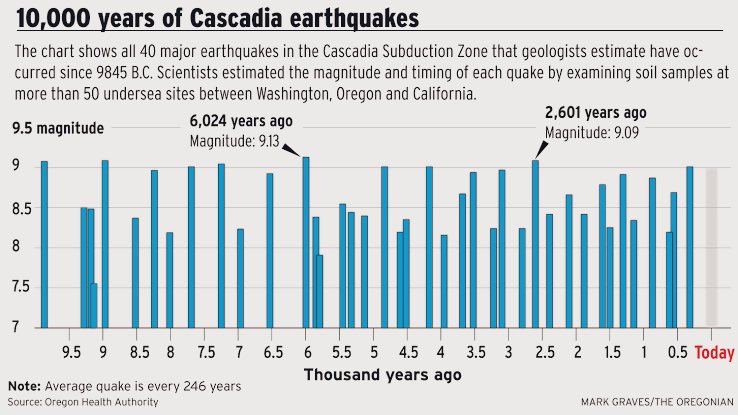
Every buried layer before it says the same thing: This isn’t a rare disaster. It’s a repeating one.
So the real question isn’t if it happens again… it’s how close we are right now.

English
idc what anyone says @Graham__Hancock and @FlintDibble cutting promos on each other two years out from their debate is entertaining.
English
MoundLore retweetledi