@RutgersAltRoute A5: I think my biggest challenge has been student motivation. I try to create assignments with rigor that can help then grow, but many students don't respond with effort, so I need to re-work assessments again. Or they do not respond to feedback. #TeacherEd#Growthmindset
This morning's 5th and final Q is on assessment #TeacherEd#GrowthMindset
“You can enhance or destroy students’ desire to succeed in school more quickly and permanently through your use of assessment than with any other tool you have at your disposal.” – Dr. Rick Stiggins
@RutgersAltRoute When I am assessing student work, I provide feedback that focuses on effort, strategies, and areas for improvement rather than solely on grades or correct answers. “In future, try to….” #GrowthMindset
@rubae_@RutgersAltRoute I definitely need to improve on this. With 40 minute class periods this can be difficult. However I am aware of how important this is.
@RutgersAltRoute A5: I mentioned this in a previous answer, but please allow your students to revise incorrect answers on their exams and give class time for misunderstood concepts! School is not just about report cards and grades, spread positive learning!
@RutgersAltRoute A5: I am working on developing more authentic assessments that enable to students to show their knowledge through projects and presentations as opposed to the traditional question and answer or multiple choice. #TeacherEd#GrowthMindset
@aye_mrjames@RutgersAltRoute Im also not afraid, or too proud, to apologize to students, especially if I feel that I didn’t prepare them enough for an assessment. It definitely goes a long way.
@MrJackson829@RutgersAltRoute Sometimes that's the first step. I apologized to my students for my mistakes and they say they never experienced that before
For Q2, consider the expectations you communicate to students (verbal and nonverbal) through your classroom climate, course material & response opportunities #TeacherEd#GrowthMindset
Tip: Be specific to your content & connect with others using a # like #ArtsEd#litchat#scichat
@RutgersAltRoute A4: Here is some great advice I’ve read! Do not praise your students for “how clever they are” because it will encourage them to develop a fixed mindset. Instead, give them positive feedback on their hard work and the process it took to achieve what they’ve done.
Feedback is a compass for improvement and not all feedback is created equally. For Q4 share your content area and consider your best practices and those you would like to try #TeacherEd#GrowthMindset
@RutgersAltRoute A4: Feedback has to be specific. Something like "good job!" or "needs to be better" doesn't cut it. Students need to know exactly what they did right and how they can improve. Then when they do improve, you can fix it and prove the effort is worth it. #TeacherEd#Growthmindset
@RutgersAltRoute Feedback should be timely, reflective and forward-thinking. Feedback should focus on the positives first. When discussing areas of improvement, educators should be direct and encouraging. #teachered#growthmindset
@RutgersAltRoute Feedback is very important as it guides students in the right direction. I try to provide honest feedback to all students and I welcome the opportunity for them to challenge my feedback. This leads to great discussions that benefit the class. #TeacherEd#GrowthMindset
@TaitLiza@RutgersAltRoute I am guilty of using this phrase with the intention of providing encouragement. However your perspective makes sense. Thanks for the tip!
Framing, or how teachers introduce new concepts and tasks to students, is the focus of Q3. Framing can steer students to a fixed or growth mindset. It helps students feel free to be a work in progress as they learn. #TeacherEd#GrowthMindset
@RutgersAltRoute A3: I aim to frame questions in a way that encourages productive struggle. For example, being honest with students by letting them know that the material has not been taught yet but they should approach it like solving a mystery or a puzzle. #TeacherEd#GrowthMindset
@Sjrcasey@RutgersAltRoute I like the use of the phrase “sweet spot.” Each student learns differently and finding the right angle can lead to unexpected great results.
@RutgersAltRoute Set the students up for success. If a teacher can direct the questions tailored to the "sweet spot" of a student, then the student will be have greater success. And, at the very least, even if the questions aren't answered perfectly, the student will feel better about the class
@RutgersAltRoute Building positive relationships are essential to creating a productive classroom environment, but I also realized that students need to be able to relate to their teachers. I am transparent with my students and share personal experiences where my mistakes did not define me.
@RutgersAltRoute A2: When teaching Algebra, I can promote a growth mindset set by assigning difficult problems, that are on a college level, and provide opportunity for productive struggle. #TeaherEd#GrowthMindset
@RutgersAltRoute If students are not challenged and do not believe that they can both adapt to and learn from challenging situations, they will be less likely to achieve high expectations. #TeacherEd#GrowthMindset
Teachers have the power to influence the mindset of students.
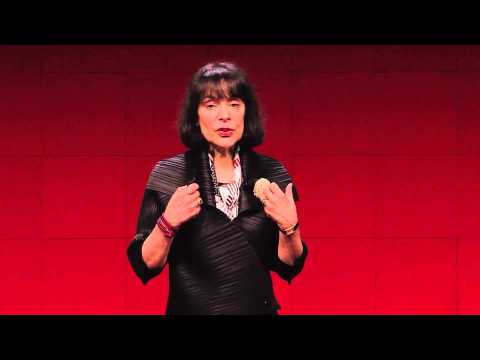
As you answer #TeacherEd#GrowthMindset Question 1, consider your own experience, readings, and what Carol Dweck refers to as the power of “yet” (youtu.be/hiiEeMN7vbQ?si…)
Welcome to the #TeacherEd#GrowthMindset chat! Let us know you're here by replying with your name & what you teach.
Rutgers Alternate Route teachers, please complete the SIGN IN form to have your participation in the chat documented: go.rutgers.edu/Chat_In
@RutgersAltRoute A5: One way that schools and teachers can fine-tune the process is by ensuring that Gen Ed teacher’s and Sped teachers have time and resources to build meaningful relationships with each other that will benefit the students. #TeacherEd#SpEd
@RutgersAltRoute A4: I aim to make it a habit to consistently review all IEP documentation for my students. In this way I can encourage students to build on their strengths and use them as tools for success in the classroom. #TeacherEd#SpEd
Teachers play a role in helping students learn and practice self-awareness skills and communicate their understanding.
For Q4 think about what you’ve done or ideas you’d like to implement to help students be self-advocates, agents of their own success #TeacherEd#SpecialEd
@RutgersAltRoute A3: I review my students’ IEP reports in order to learn their strengths. This way, I’m able to assign tasks that align with those strengths. For instance, students who are strong at participating, I provide them with multiple opportunities to participate. #TeacherEd#SpEd
For Q3 be specific content area & how you support student success, for example, your classroom environment, assignments, and assessments #TeacherEd#SpecialEd
Tip: To connect with our teachers in your subject area, use the # for your content area, i.e #arted#mathchat#scichat