Akankunda Brenda
2K posts

Akankunda Brenda
@MsBrenda_A
Trade and Investment Policy Analyst.


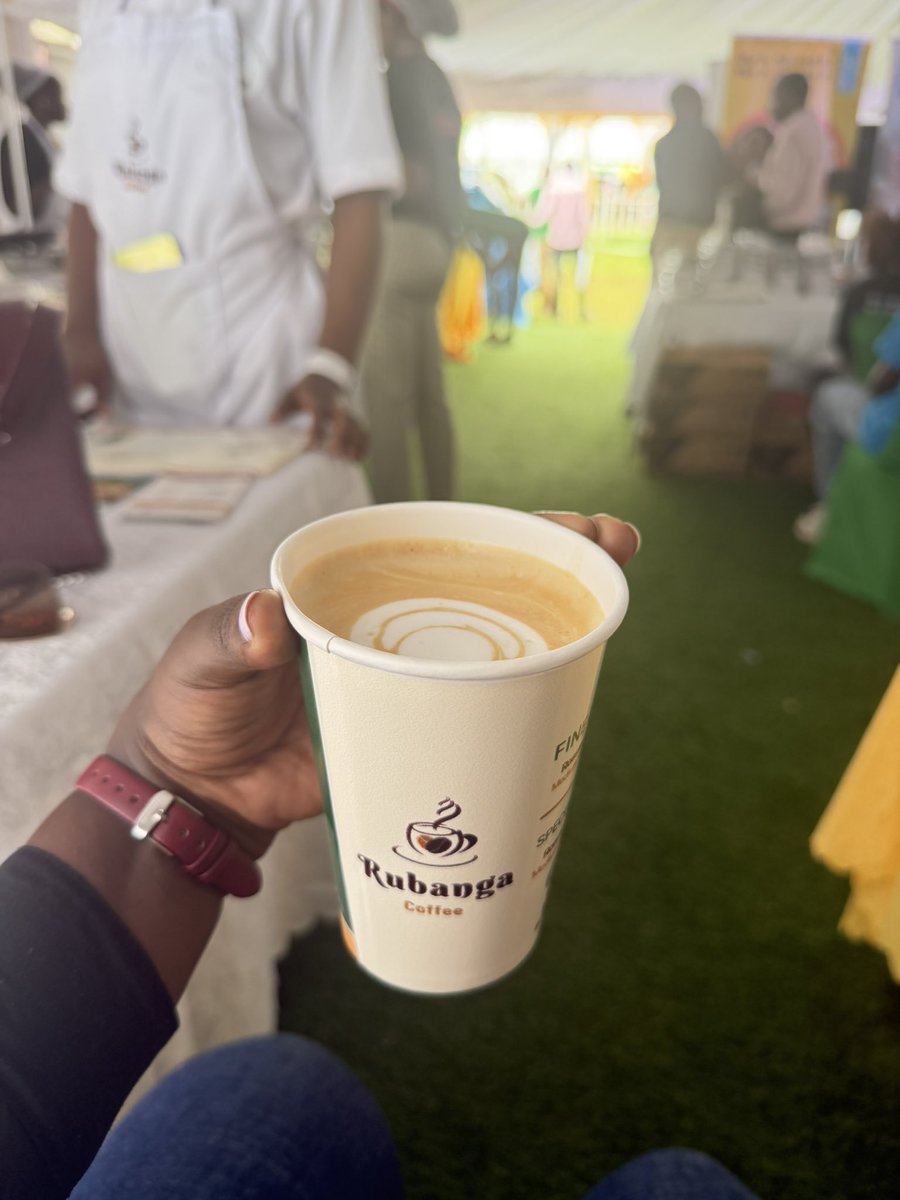
I'll be at the Harvest Money Expo this afternoon at Kololo grounds from 2-3 pm, chilling at the @RubangaCoffee booth inside the Danish Village stand. Swing by, say hi, grab a chat about great coffee. The first 20 people who stop by the booth will get a FREE coffee from me.


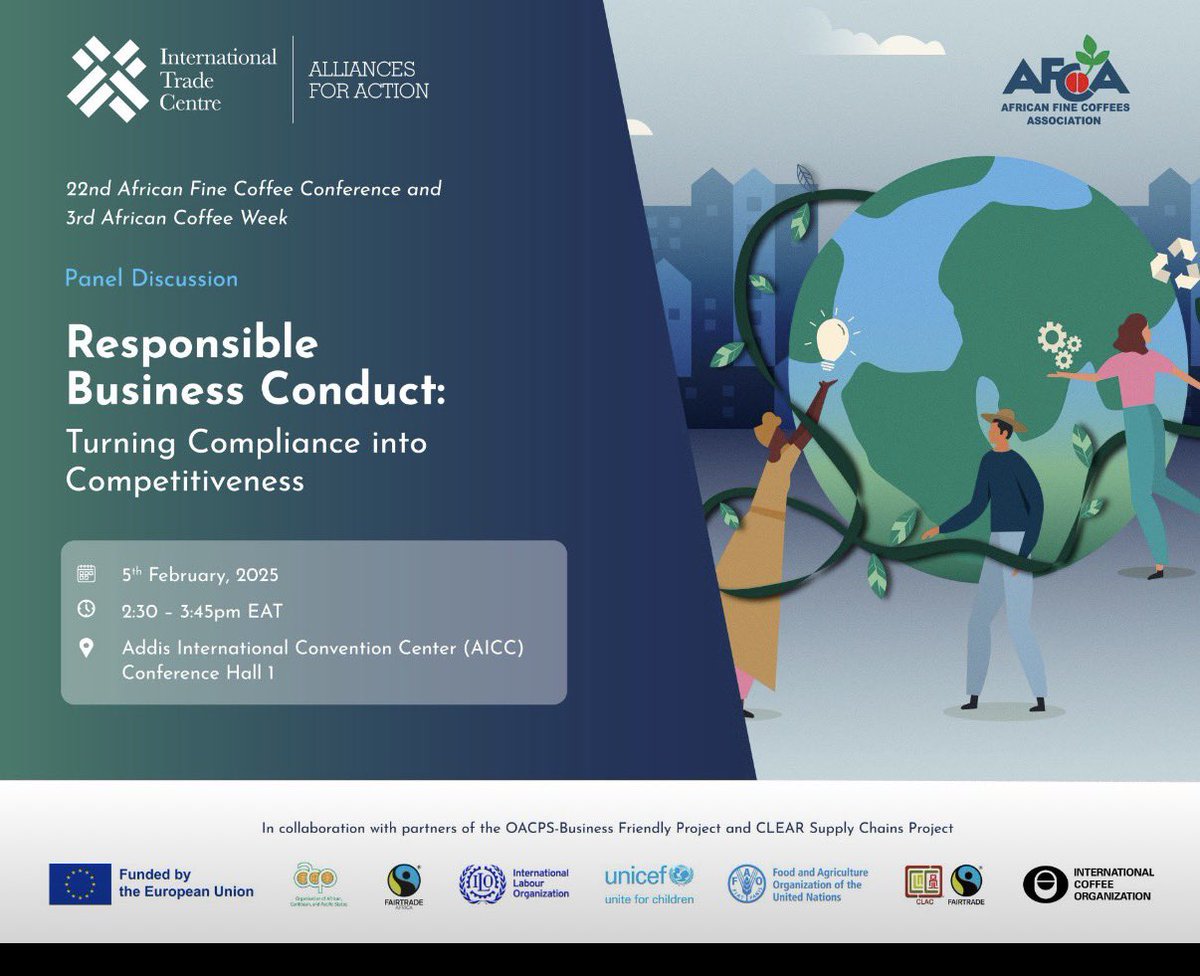
This Week in Ugandan Coffee Day Four & Five It took me coming to Geneva to learn a business model that has been hiding in plain sight back home in Uganda. I call this The Alchemist Effect. After the book by Brazilian writer, Paulo Coelho. The point he makes in the book is that we travel long distances in search of answers that are within us. This I learnt from listening to my colleagues @jamesmuhangi and @KukundakwePison who manage huge and hugely successful coffee cooperatives in south western Uganda. It turns out that @RubangaCoffee @CoRubanga and @acpcu_ltd have the business model that delivers value to the boards majority of the coffee sector players-the farmer and leaves something for the trader as well. There is one thing I need to make abundantly clear. The Ugandan farmer who is the producer and owner of the coffee has only one opportunity to extract the most value-at the farm gate. This is it. At this point the farmer receives the financial value of their produce. If they are to command higher value that is further downstream means they have to invest in aggregation, processing, packaging, marketing and distribution. This requires immense upfront financial outlays long before the value can be recouped. What this means is that the only factors a farmer can control are the on his farm. It is here that they can determine the kind of product and quantity they can bring to market. This therefore means that the farmer has to understand the market for which they should produce. Enter the James/Pison lightbulb moment from yesterday and the training about specialty coffee at @ITCnews. When you are at the farm and dealing with local traders, they are at once the buyer and the market. But they don’t need to be. It turns out that the two cooperatives have gone out of their way to craft a production process and do their own local aggregation with a view to selling in the lucrative specialty market. Listening to them and to our facilitator about this unique market I reached a conclusion about what producers like me in Uganda need to do in order to get more value for their effort. We need to decide which market we are producing for. To do so, we must know exactly what they want. So if you are looking at the speciality market, quality and unique ways of crafting the profile of the beans is central. If however you choose the commercial volumes route, then you put your money where you are going to get more quantity out of the trees. These deliberate choices puts the coffee farmer in a stronger bargaining position. It is what we should focus on. The support we would need is agronomy, working capital and market access initiatives. This is where higher authorities should invest public funds and time if the coffee is to benefit the many and the country. The rest is distractive noise


They Buy Our Coffee Cheap. They Sell It for Billions. In 2021, Italy bought $178M of Uganda’s coffee as raw beans. They processed it and made billions. Two companies, Illy and Lavazza, earn over $52B yearly from coffee. The problem isn’t markets. It’s value addition. #CoffeeEconomy #ValueAddition #UgandaCoffee